

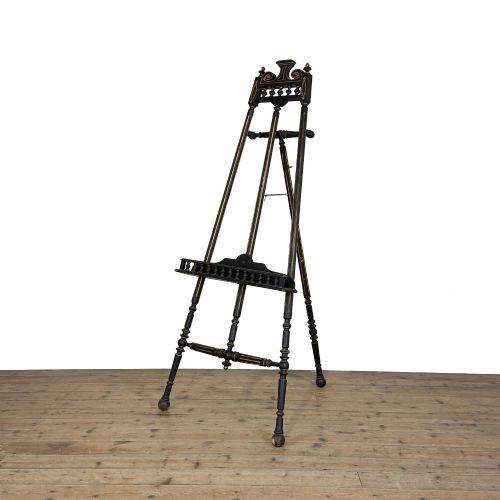
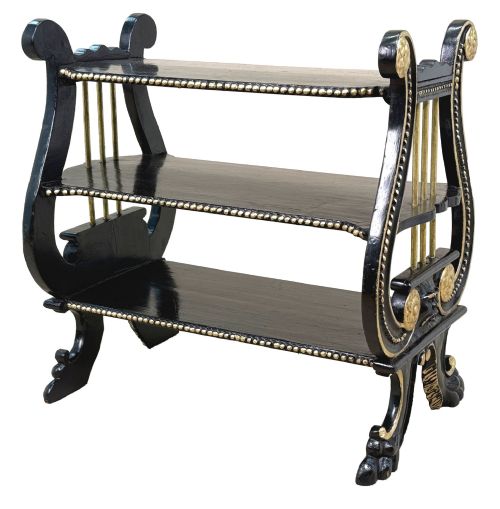
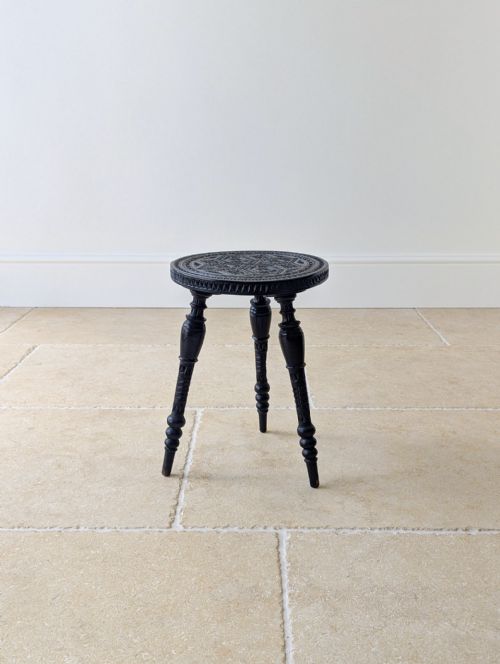
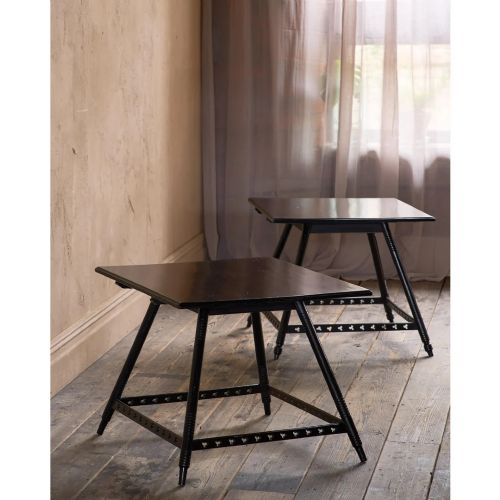
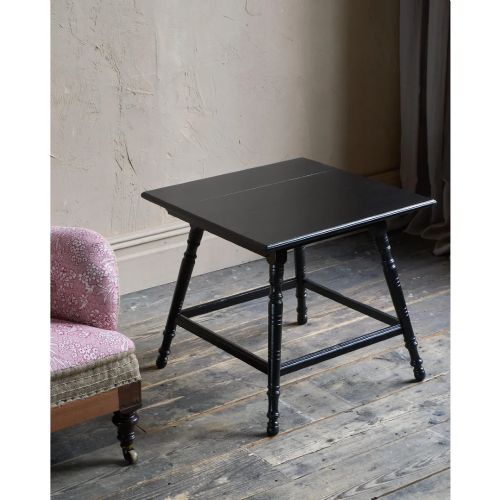
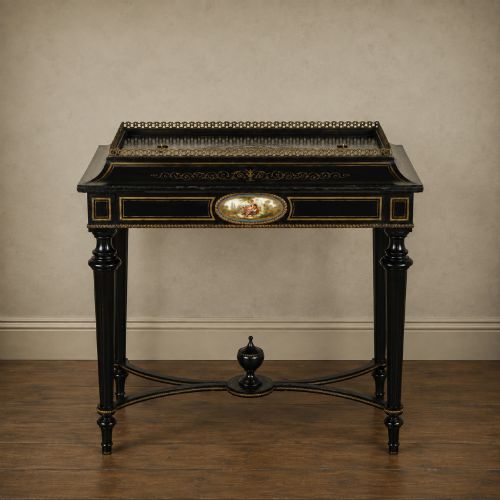
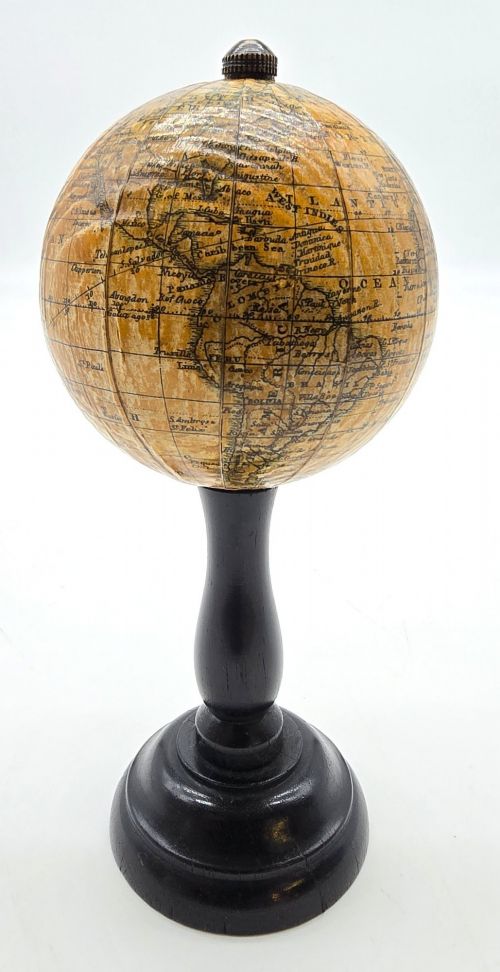
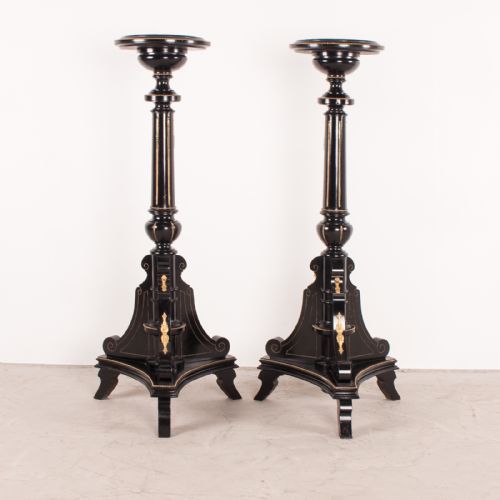
Black Ebonised Stand
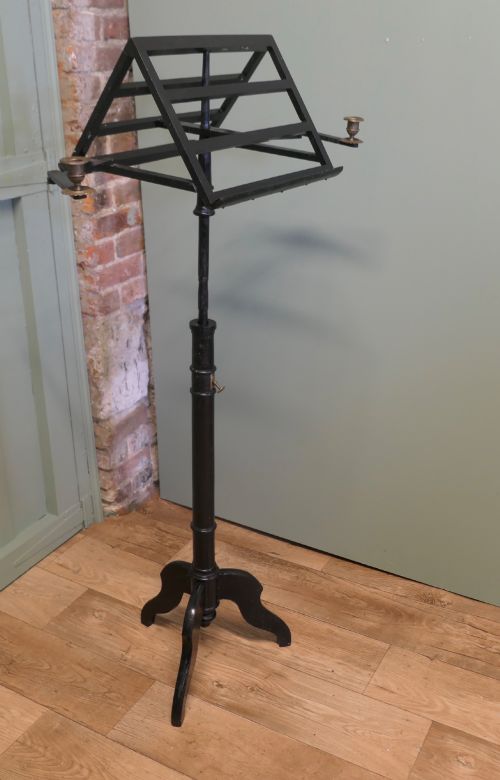
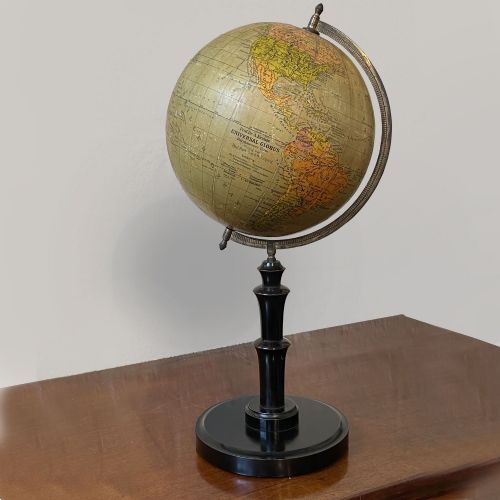
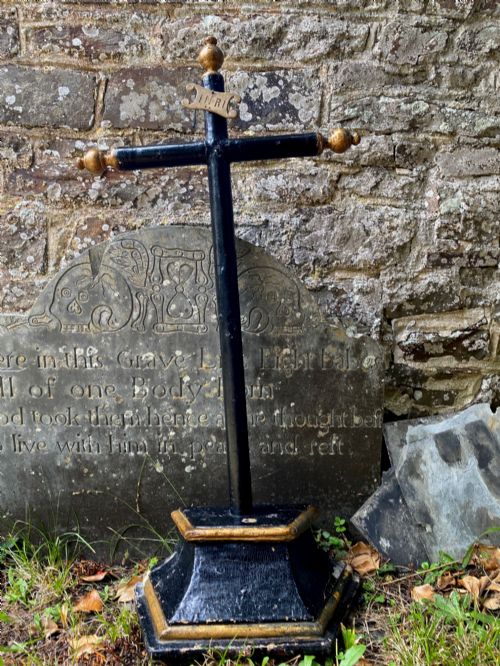
A black ebonised stand offers a dark, dramatic surface or support designed to display objects with architectural clarity.
Black Ebonised Stand
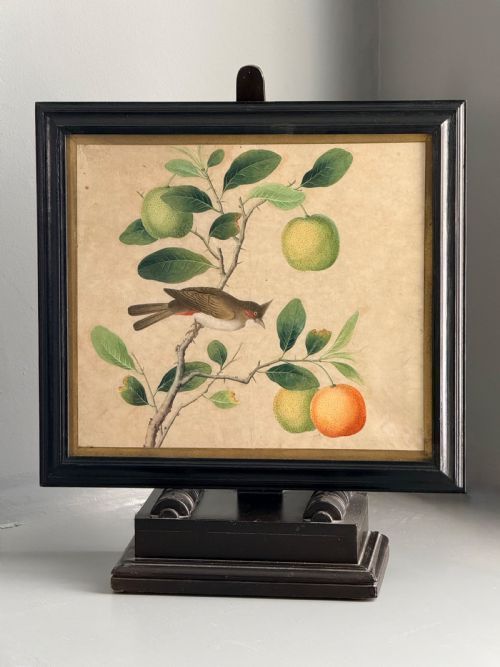
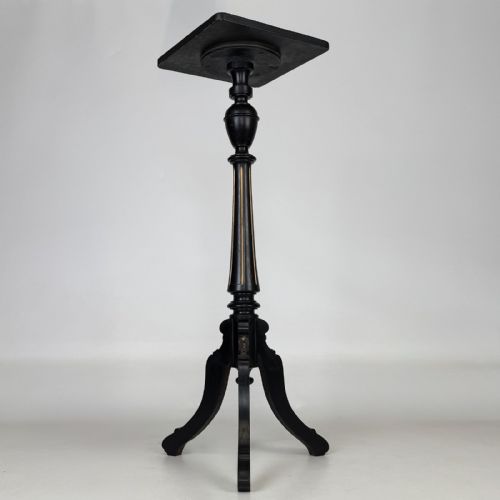
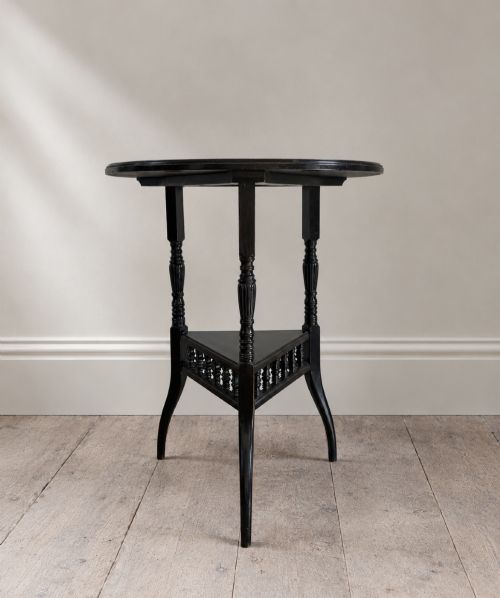
When you search for a black ebonised stand, you enter a category defined by darkened wooden surfaces spanning plant stands, torchieres, pedestals, and occasional tables. These pieces emerge chiefly from the nineteenth century, including Victorian, Aesthetic Movement, and French Napoleon III designs, alongside Chinese export and Arts and Crafts examples.
Plant stands and pedestals dominate the physical forms on this page, often featuring tripod bases, barley twists, or column structures to elevate ceramics, urns, or sculpture. Alongside these support pieces sit side tables, tray tables, and display cabinets sharing the same dark finish.
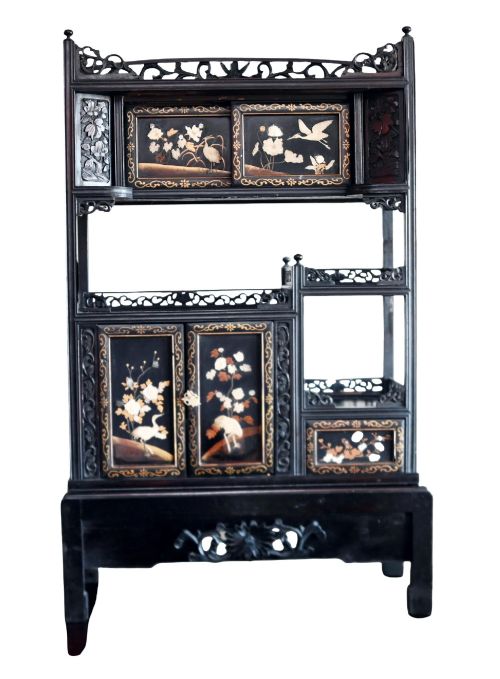
The aesthetic leans heavily toward the dramatic contrast of black surfaces against gilded highlights, painted porcelain plaques, or inlaid bone and mother of pearl. These objects served to bring exoticism and formal gravity into Victorian and Edwardian interiors.
Materials and construction
Makers achieved the characteristic dark finish by ebonising hardwoods and softer timbers such as mahogany or deal, treating the wood to imitate costly ebony. Parcel gilding, gold leaf, and brass components frequently accent these surfaces, adding metallic brilliance to the dark framework.
Construction techniques vary from chip-carved occasional tables to turned wooden columns and structural cabinetry utilising mortise and tenon joints. Surface ornamentation incorporates hand painting, papier mâché, bone inlay, and marquetry to enrich the ebonised foundation.
Black Ebonised Stand Retail Price Guide 2026
Typical asking prices for black ebonised stand among the pieces listed under this phrase on Sellingantiques today, from the lower quarter to the upper quarter. They describe what is for sale here now, not the wider market.
Listings feature ebonised stands spanning the eighteenth, nineteenth, and early twentieth centuries, incorporating Victorian, Regency, and Arts and Crafts styles.
Distinctions in quality
Quality rests upon the crispness of the original ebonising process and the integrity of the underlying timber, distinguishing carefully prepared pieces from crude later overpainting. The finesse of secondary decorative elements, such as hand-painted porcelain plaques, parcel gilt details, or bone inlay, elevates an ordinary turned support into a work of fine craftsmanship.
Structural stability in tall forms like torchieres, plant stands, and floor lamps dictates functional success, relying on well-balanced tripod bases or weighted plinths. Maker attribution and stylistic coherence, particularly within Aesthetic Movement or French Napoleon III design, further separate standard utilitarian items from ambitious studio pieces.
Hindley and Sons·E. W. Godwin·Henry Ogden and Son·Humphrey Hopper
The Black Ebonised Stand Glossary
- Ebonised wood
- Timber stained or painted to resemble genuine ebony, a technique widely used in Victorian and Aesthetic Movement furniture. It provides a dense black finish that absorbs light and highlights applied gilding.
- Torchere
- A tall, slender stand designed to support a lamp, candle, or decorative urn. These elevated supports often feature column or tripod configurations.
- Parcel gilt
- Wood or metal partially coated with gold leaf or gilt paint to accent carved details or mouldings. This technique creates a striking contrast against the surrounding black surface.
- Étagère
- A piece of furniture consisting of a set of open shelves for displaying small objects or ornaments. Multiple tiers allow for tiered presentation of ceramics and decorative arts.
- Aesthetic Movement
- A late nineteenth-century design style emphasising visual beauty over narrative content, often drawing inspiration from Japanese art. Ebonised surfaces and gilt decoration are hallmarks of this movement.
Black Ebonised Stand: Frequently Asked Questions
What is an ebonised stand?
An ebonised stand is a piece of furniture treated with a dark finish to resemble ebony wood, created to support or display items like plants, vases, or lamps.
These pieces range from tall nineteenth-century torchieres and pedestals to small side tables and tray stands featuring contrasting details like gilt or inlay.
How were these stands used historically?
Victorians utilised these stands primarily to showcase decorative arts, such as imported ceramics, sculptures, and tabletop collections, elevating them to eye level.
Heavier forms served as plant stands or torchieres to illuminate and green dark corners of nineteenth-century drawing rooms.
How do I identify an Aesthetic Movement stand?
Aesthetic Movement stands typically combine ebonised wood surfaces with Japanese-inspired motifs, simple geometric forms, and gilt highlights. E. W. Godwin heavily influenced this clean, structural design language.
Look for crisp turning, disciplined lines, and an absence of heavy Victorian ornamentation in favor of flat black planes.
How do I care for ebonised wood?
Ebonised surfaces require gentle dusting with a soft, dry cloth to prevent scratching the dark finish and preserving the underlying stain or paint.
Avoid placing these stands in direct sunlight or near heat sources, which can fade the black finish and dry out the historic timber.