


Black Dressing Table
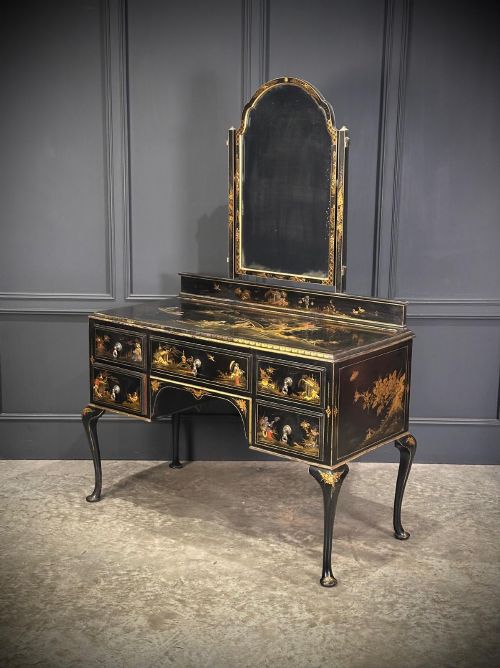
A black dressing table brings dark, glossy authority to a room, offering deep tones in Chinoiserie lacquer, ebonised wood and painted finishes.
Black Dressing Table
A black dressing table encompasses pieces designed for personal grooming and writing, appearing in styles from the eighteenth century to the Art Deco era. The selection draws together Chinoiserie lacquered surfaces, ebonised nineteenth-century timbers and kidney-shaped forms.
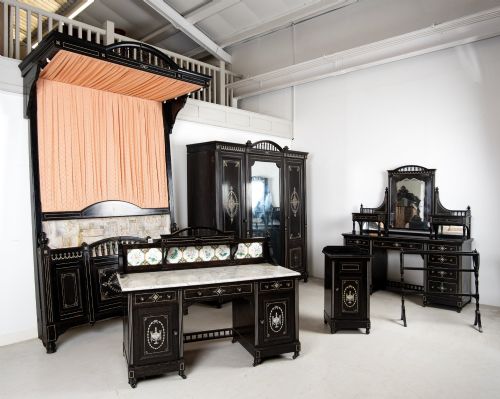
The version most commonly met on this page uses ebonised wood or dark lacquer, often paired with matching mirrors or integrated writing compartments. These pieces range from compact seventeenth-century style toilet mirrors with bureau bases to full six-piece bedroom suites.
Materials and Construction
Construction relies on traditional cabinet-making timbers such as oak, lime wood and satin birch, frequently coated in black lacquer, ebonised finishes or paint. Artisans applied hand-painted geometric details, gilt motifs and inlaid decoration to enhance the dark surfaces.
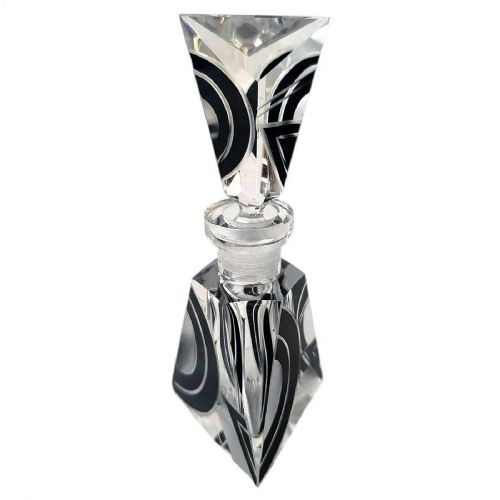
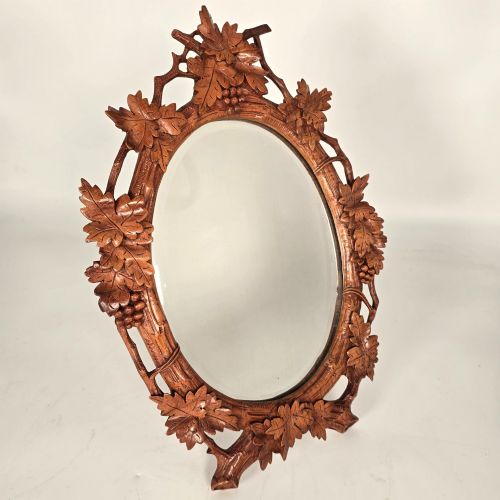
Associated fittings incorporate cut glass, enamel, brass, chrome and silver, alongside upholstered elements in fabric and leather. Many items integrate bevelled glass mirrors and specialised compartments for perfumes and manicuring sets.
The selection includes ebonised wood, Chinoiserie lacquer, and painted finishes spanning the eighteenth, nineteenth and twentieth centuries.
Evaluating Quality
Quality rests in the execution of the dark finish, the crispness of the hand-carved or painted decoration, and the integrity of the underlying timber. Superior examples display carefully preserved lacquer, intact gilt work and original glass plates within mirrors.
Construction details distinguish workshop standards, seen in the smoothness of drawer operations, the precision of turned legs and the retention of matching suites or original hardware.
Karl Palda
The Black Dressing Table Glossary
- Ebonised wood
- Timber treated with a stain or finish to imitate ebony. This dark surface creates a formal appearance popular across Victorian and Edwardian furniture.
- Chinoiserie
- European imitation of Chinese artistic styles. It typically involves raised gilt motifs and figures set against a black lacquered ground.
- Low boy
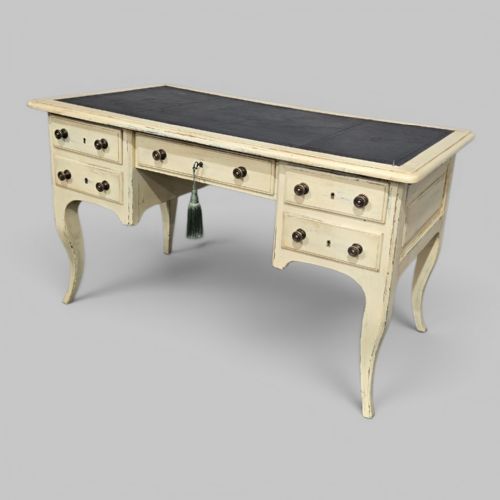
- A small English table with drawers, standing on four legs. These pieces frequently serve as compact dressing tables or writing desks.
- Toilet mirror
- A small mirror mounted on a miniature bureau base or frame. They sat atop larger tables for personal grooming in eighteenth and nineteenth-century chambers.
- Kneehole desk
- A desk or dressing table featuring a central recess for the knees, flanked by pedestals of drawers. They provide symmetrical storage and a comfortable workspace.
Black Dressing Table: Frequently Asked Questions
What is a black dressing table?
A black dressing table is a surface used for grooming or writing, finished in dark lacquer, paint or ebonised wood. These pieces span centuries, ranging from eighteenth-century Chinoiserie designs to twentieth-century Art Deco forms.
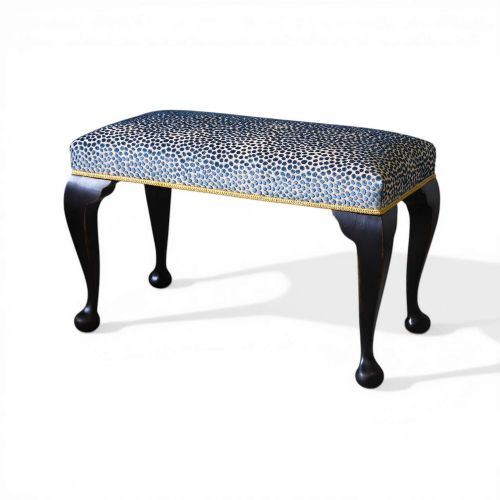
They often incorporate matching mirrors, drawers for cosmetics, and decorative details like gilt work or inlaid wood. The category also includes smaller companion pieces such as toilet mirrors and matching stools.
How do I date a black dressing table?
Dating relies on stylistic markers, construction methods and materials. Eighteenth-century pieces often feature intricate Chinoiserie lacquer and miniature bureau bases, while nineteenth-century items tend toward ebonised finishes and heavy turned legs.
Twentieth-century examples, particularly from the Art Deco period, introduce chrome, geometric glass elements, and streamlined silhouettes. Examining the hardware, mirror glass and secondary timbers helps narrow the era of production.
Where should I place a black dressing table?
These pieces suit bedrooms, dressing rooms and entrance halls, where their dark tones anchor the interior scheme. Placing them near natural light enhances the reflective quality of their glass mirrors and polished surfaces.
Pairing a dark dressing table with lighter walls creates a strong visual contrast. Smaller versions also function effectively as compact desks or hallway console tables.
How do I care for a lacquered or ebonised surface?
Maintenance requires gentle dusting with a soft, dry cloth to prevent micro-scratching on the dark finish. Avoid using chemical polishes, abrasive cleaners or excessive moisture, which can damage aged lacquer or ebonised treatments.
Keep these pieces away from direct sunlight and strong heat sources to prevent the wood from warping and the dark finish from fading over time.