
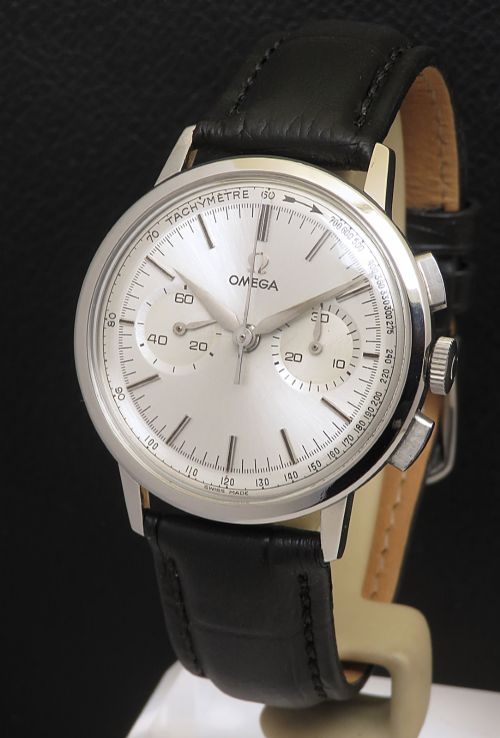
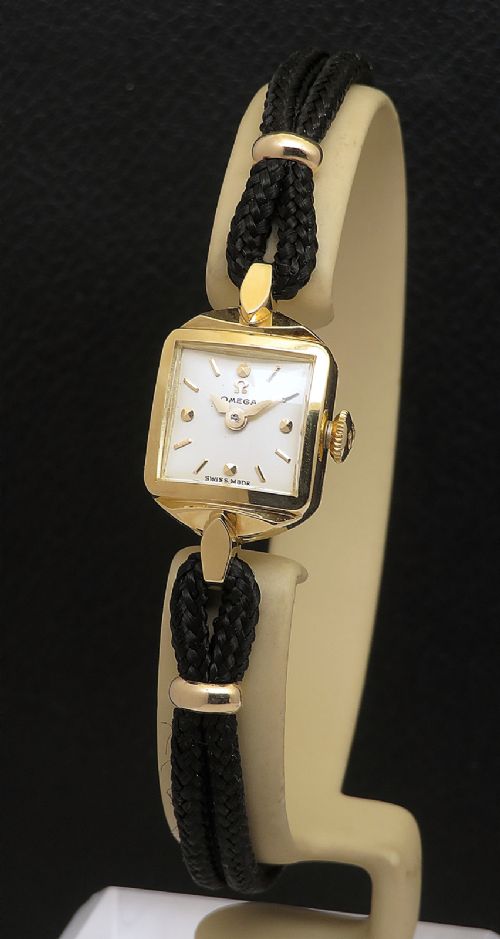
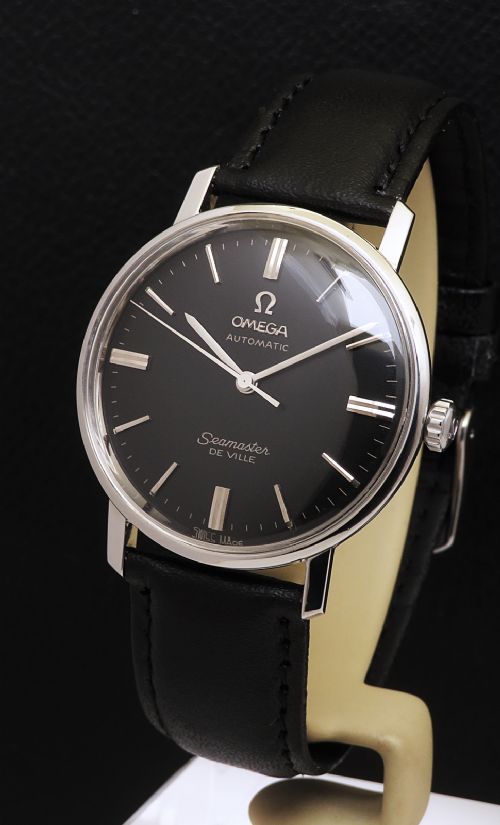
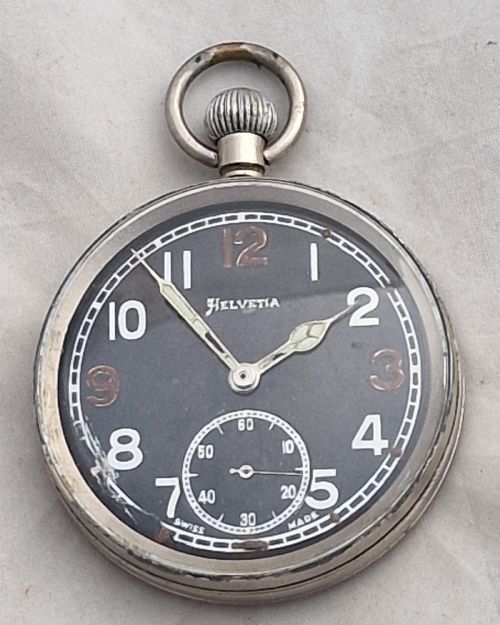
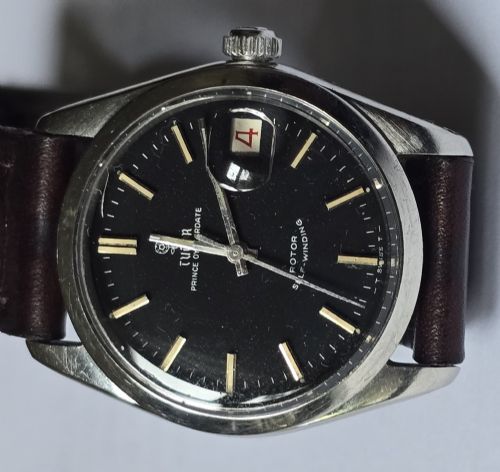
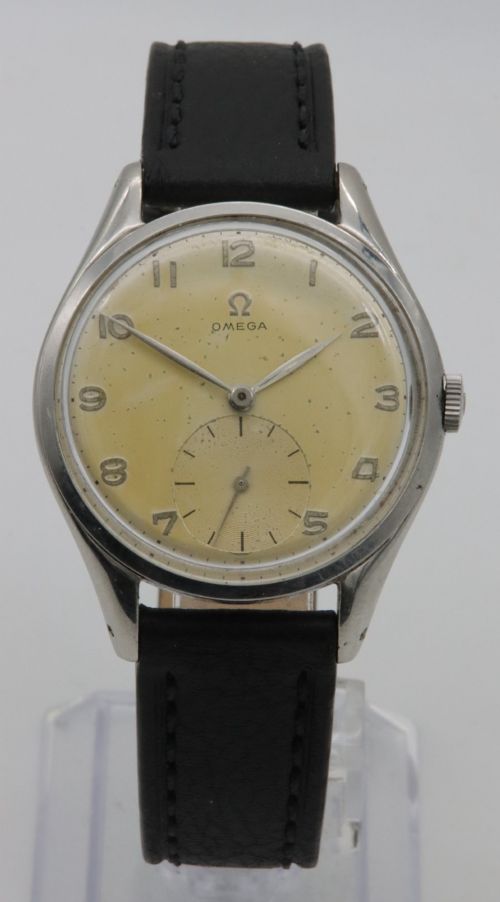
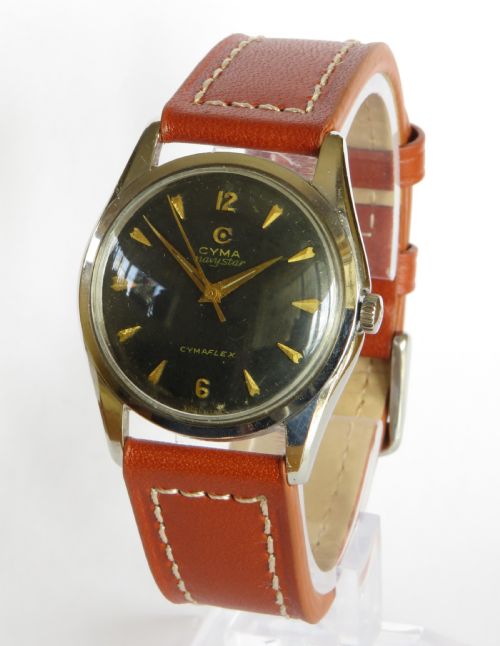
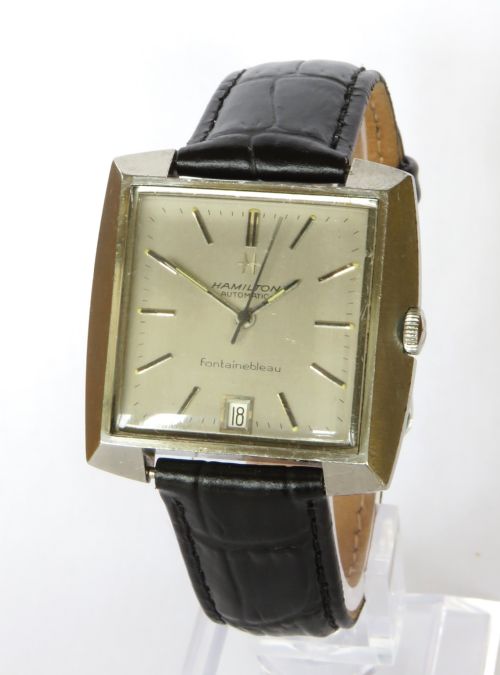
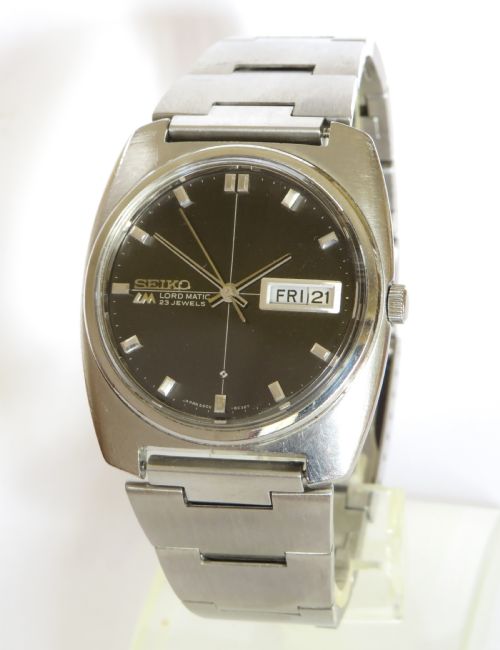
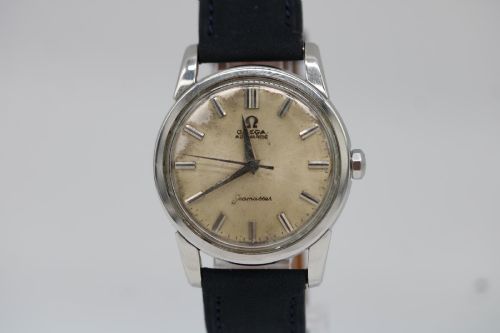
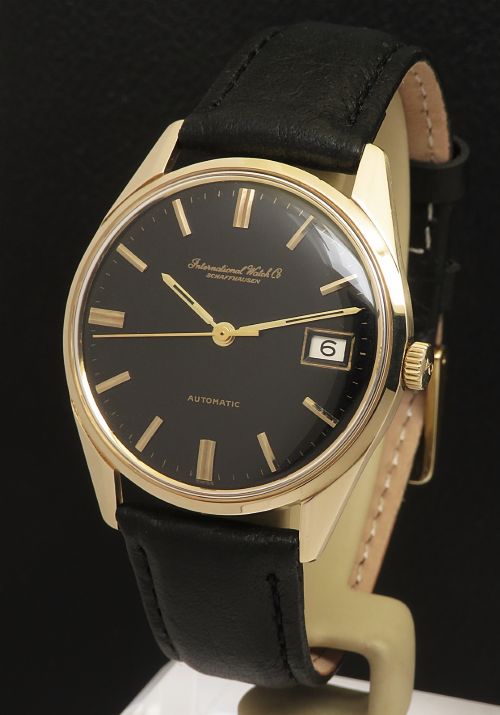
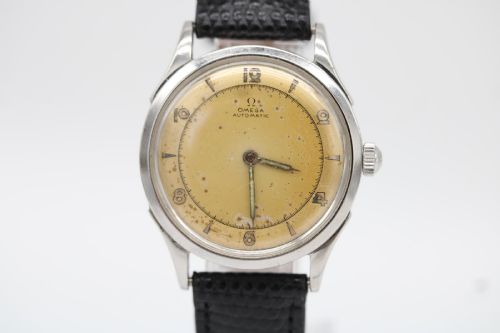
Black Dial Vintage Watch
When you search for a black dial vintage watch, you are looking at wristwatches and pocket watches spanning from the 1910s to the 1970s.
Black Dial Vintage Watch
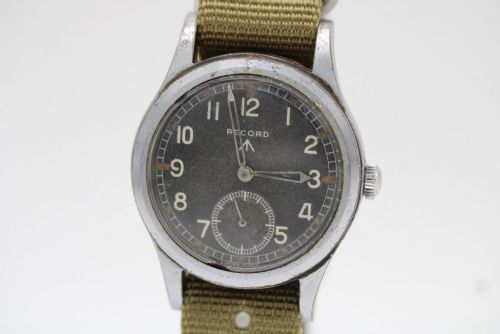
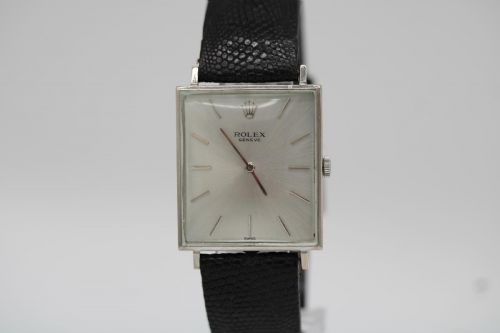
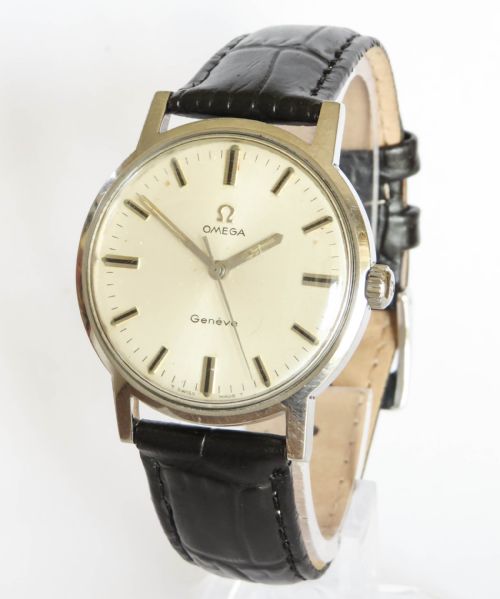
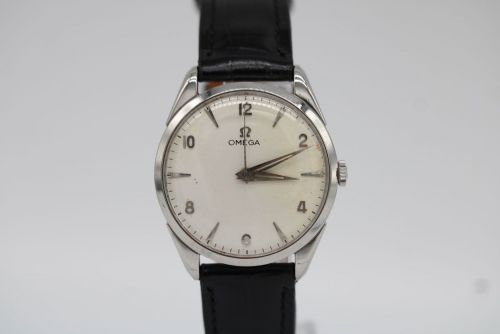
When you search for a black dial vintage watch, you will encounter wristwatches and pocket watches produced across multiple decades, including military pieces from the 1940s and dress models from the 1950s and 1960s. The selection ranges from robust steel military issues to solid 9ct and 18ct gold dress watches.
You are most likely to meet mid-century automatic and manual wind wristwatches featuring dark faces, alongside specialist military trench watches and chronographs. These pieces originate from established makers spanning British, Swiss, and German workshops.
How They Were Made
Makers housed movements within cases formed from stainless steel, chrome, and solid 9ct or 18ct gold, paired with leather straps.
Dials were protected by glass or acrylic crystals, while movements relied on manual wind or automatic mechanical calibres.
Some military models still carry broad arrow property marks stamped directly onto their steel backs.
What Varies in Quality
The standard of a piece depends upon the preservation of the original dial markings and the complexity of the internal movement calibre, such as chronometer certification or chronograph functions.
Material choice marks a clear distinction, shifting from standard chrome and steel cases to solid gold construction.
Omega·Tudor·Cyma·Hamilton·Seiko·IWC·Record·Rolex·Wagner·Tissot·Smiths·Longines·Breitling·Roamer·Rotary·Zenith·Belair·Dogma Prima·Marvin
The Black Dial Vintage Watch Glossary
- Calibre
- The specific internal mechanism or movement model created by the watchmaker. This number identifies the exact design of the gears and springs powering the piece.
- Automatic
- A self-winding mechanical movement that uses the natural motion of the wearer's wrist to power the mainspring. It removes the need for daily manual winding.
- Chronometer
- A high-precision watch that has passed rigorous accuracy tests conducted by an official testing body. These movements are adjusted for temperature and various positions.
- Manual wind
- A mechanical movement that requires the wearer to turn the crown by hand to tension the mainspring. This traditional system dates back to the earliest portable timepieces.
- Trench watch
- A transitional timepiece designed during the early twentieth century to be worn on the wrist rather than carried in a pocket. These military pieces feature secure wire lugs and luminous dials.
Black Dial Vintage Watch: Frequently Asked Questions
How do I wind a manual vintage watch?
Gently rotate the crown between your thumb and forefinger in a clockwise direction until you feel slight resistance. Stop immediately when resistance increases to avoid over-winding and damaging the mainspring.
Perform this action at roughly the same time each day if you wear the piece regularly. Pulling the crown to the correct position also allows you to set the hands.
Can I wear my vintage watch every day?
Many vintage pieces are robust enough for daily wear, provided you treat them with appropriate care. Manual and automatic movements require regular servicing to maintain reliable timekeeping.
Keep older pieces away from water and magnetic fields unless they were specifically built as waterproof sports models. Taking off the watch during strenuous physical activity protects the case and crystal from knocks.
What is a bumper automatic movement?
A bumper automatic is an early form of self-winding mechanical movement where the oscillating weight swings back and forth through a limited arc rather than spinning in a full circle. You can often feel a gentle tap or bump on your wrist as the weight hits the internal springs.
This technology represents a transitional phase in watchmaking history between traditional manual wind calibres and modern rotor automatics.
How do military watches differ from civilian ones?
Military watches were issued to armed forces under strict government specifications, often featuring distinct case back engravings, broad arrow marks, and high-contrast dials for maximum legibility in the field. These pieces prioritise robust steel construction and reliable mechanical calibres over precious metals.
Civilian models of the same era focused more on decorative gold cases, varied dial finishes, and elegant styling for everyday dress wear.