




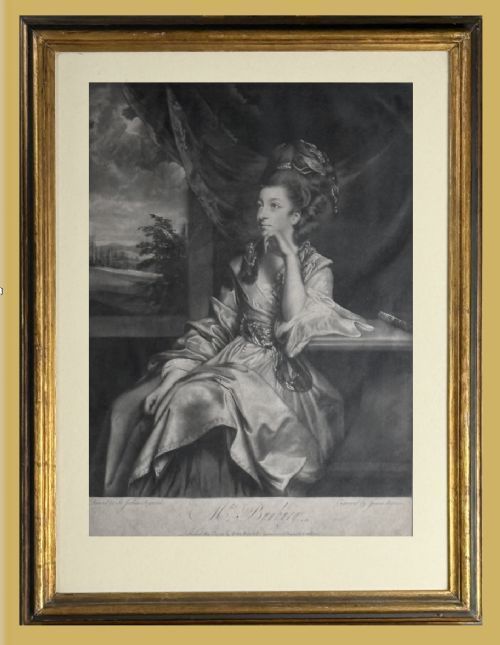
Black Copperplate Engraving
When you look for black copperplate engraving, you encounter historic printed works framed in wood, often carrying dark ink upon paper from past centuries.
Black Copperplate Engraving
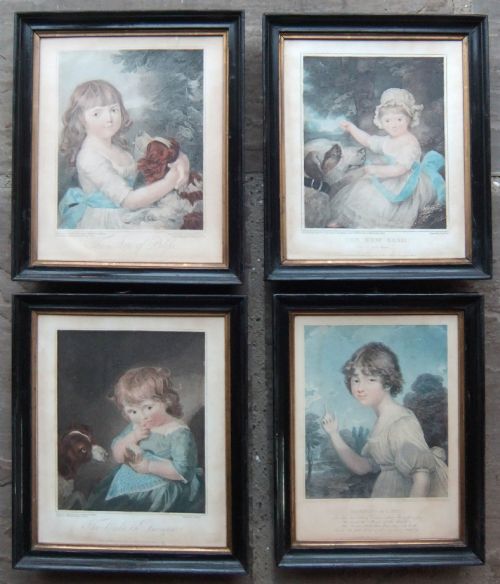
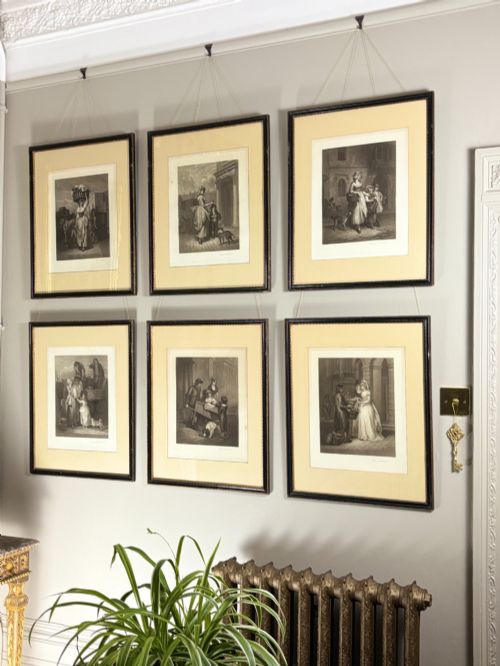
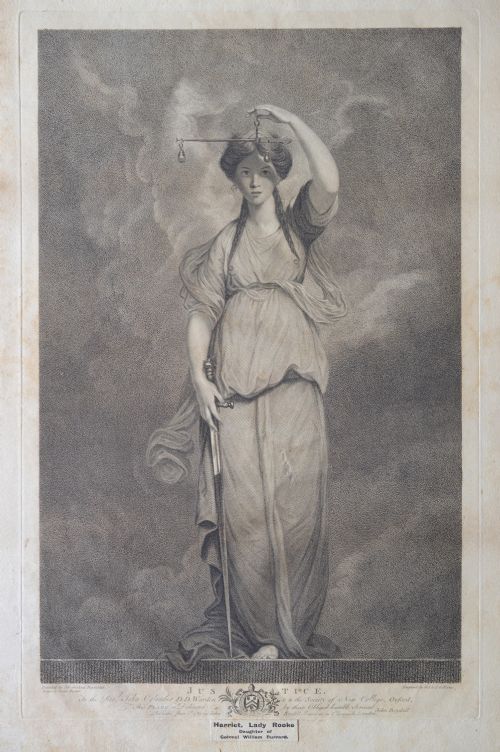
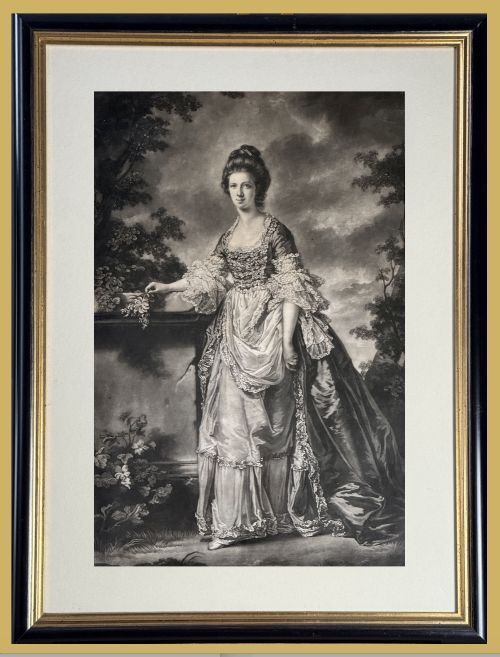
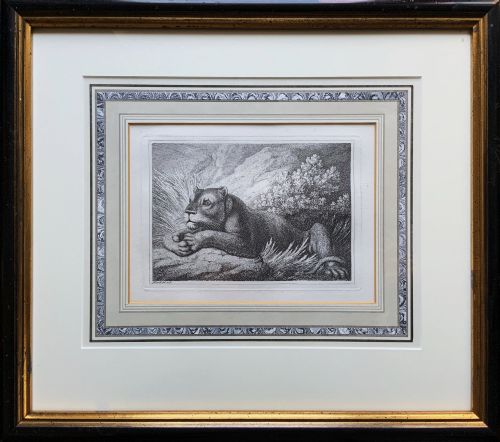
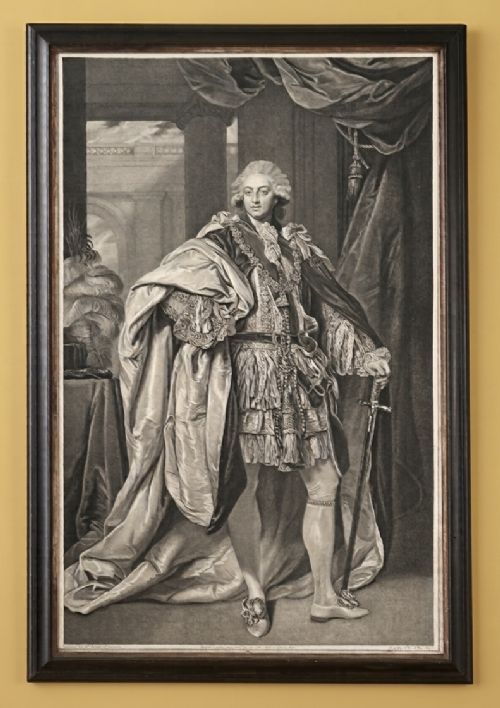
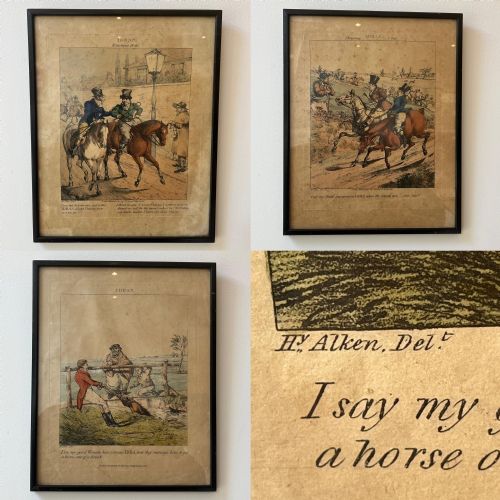
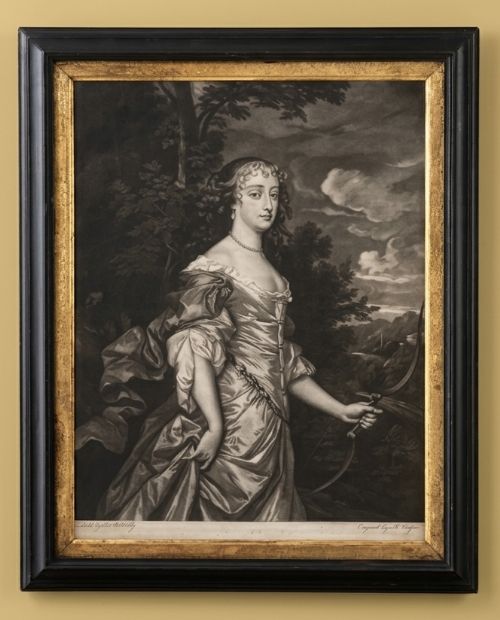
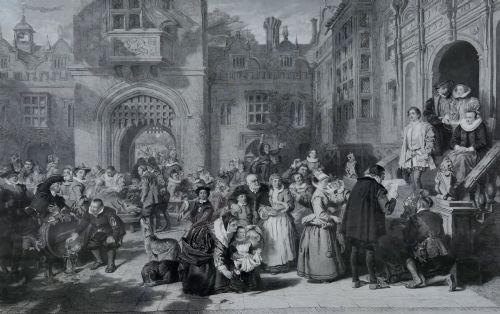
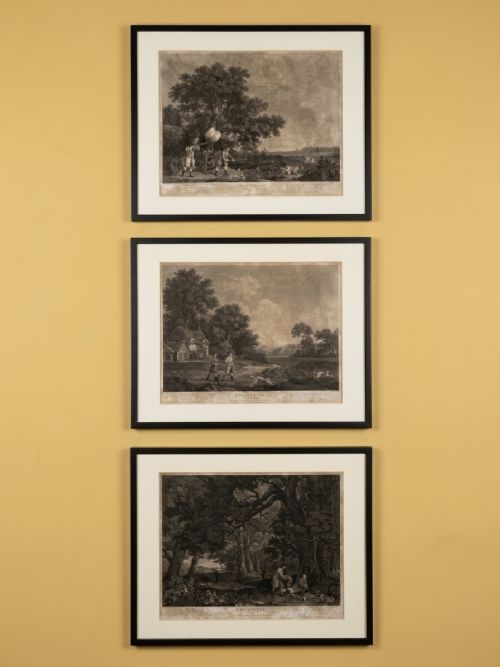
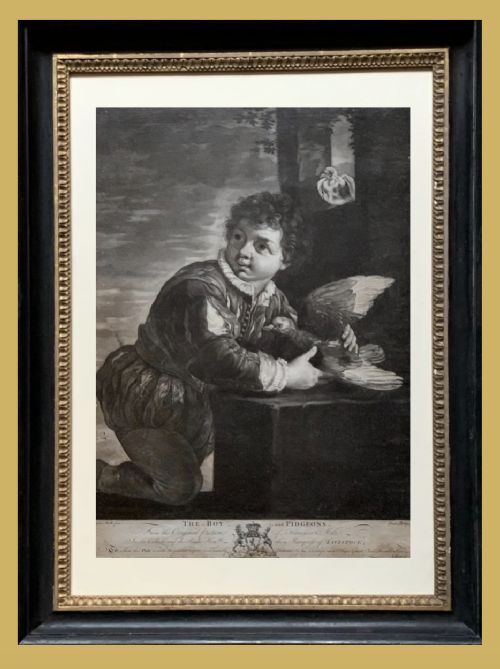
Buyers seeking black copperplate engraving encounter framed prints and wall art spanning the seventeenth, eighteenth, and nineteenth centuries. These works predominantly depict portraits, interior scenes, landscapes, and classical subjects derived from original paintings.
The selections on this page range from early mezzotint portraits by established eighteenth-century printmakers to detailed topographical maps and animal studies. Many retain period framing, such as gilt wood or original Hogarth frames, anchoring them firmly in Georgian and Victorian aesthetics.
Materials and Technique
These works rely on traditional intaglio printing techniques where lines or tones are incised into copper plates using tools, acid, or rocker methods. Dark printing ink is applied to the plate, wiped from the surface, and transferred under pressure onto paper.
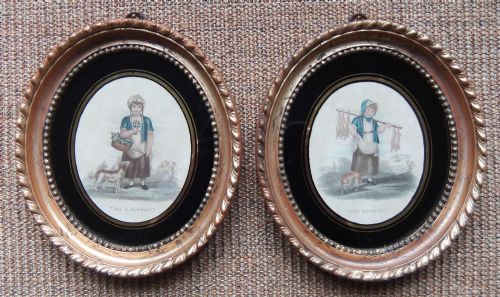
Framing materials commonly include wood, gilt wood, and glass, which protect the delicate paper surfaces from environmental damage. Gold leaf accents occasionally appear on the borders or frames of more elaborate nineteenth-century examples.
Black Copperplate Engraving Retail Price Guide 2026
Typical asking prices for black copperplate engraving among the pieces listed under this phrase on Sellingantiques today, from the lower quarter to the upper quarter. They describe what is for sale here now, not the wider market.
Listings feature paper works executed in ink, watercolor, and gold leaf, housed within glass and wood frames.
Assessing Quality
The distinction between tiers rests upon the crispness of the impression and the depth of the inked tones. Early impressions taken directly from a freshly worked copper plate exhibit sharp details and rich blacks, whereas later pulls show softening.
The prominence of the engraver and the painter whose work was copied also influence distinction. Pieces produced by recognised printmakers after notable artists command greater attention from collectors.
John Smith·James Watson·John Jones·Thomas Watson·Valentine Green
The Black Copperplate Engraving Glossary
- Mezzotint
- A printmaking process where the copper plate is roughened uniformly to produce rich dark tones and subtle graduations of light. This technique allows for velvety blacks and smooth tonal transitions.
- Etching
- A method where lines are bitten into a copper plate using acid rather than direct manual cutting. The plate is coated with an acid-resistant ground before drawing.
- Intaglio
- A category of printmaking where the design is recessed below the surface of the plate. Ink collects in the grooves and transfers to the paper under heavy pressure.
- Stipple engraving
- A technique utilising dots of varying sizes and densities to create tonal shades and lifelike flesh textures. It was particularly popular for portraiture during the eighteenth century.
Black Copperplate Engraving: Frequently Asked Questions
What is a mezzotint?
A mezzotint is an intaglio print created by roughening a copper plate to hold ink and produce deep, rich tones.
This method excels at rendering soft shadows and subtle facial expressions without harsh lines.
How are these framed?
Many examples are housed in period wooden frames, including traditional Hogarth styles and gilt wood moulding.
Original frames contribute to the historical context of the artwork, though some pieces are reframed for preservation.
Are these prints original?
The listings comprise period prints pulled during the seventeenth, eighteenth, and nineteenth centuries from engraved copper plates.
They represent historical printmaking rather than modern photographic reproductions.
How do I care for them?
Keep these works away from direct sunlight to prevent the ink and paper from fading over time.
Stable indoor humidity levels help preserve both the paper support and the wooden framing.