

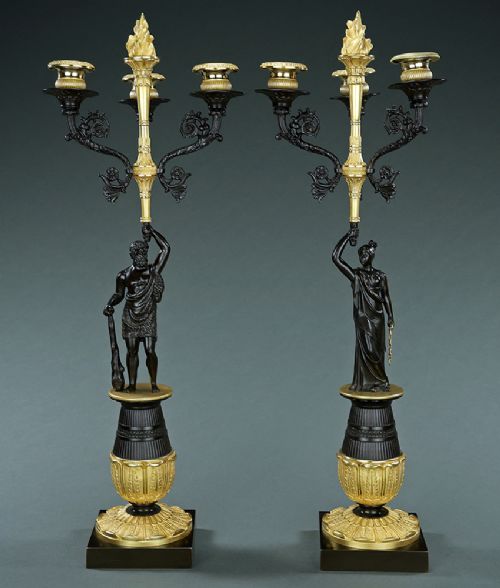


Black and Gold Stand
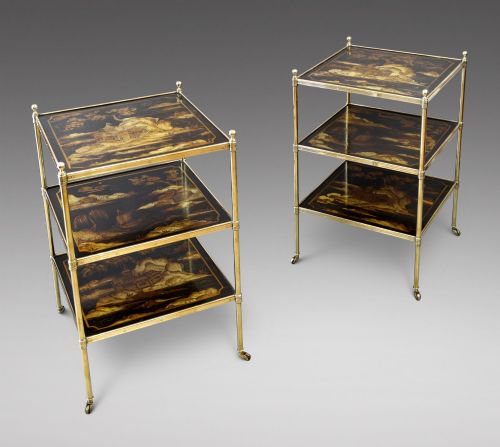
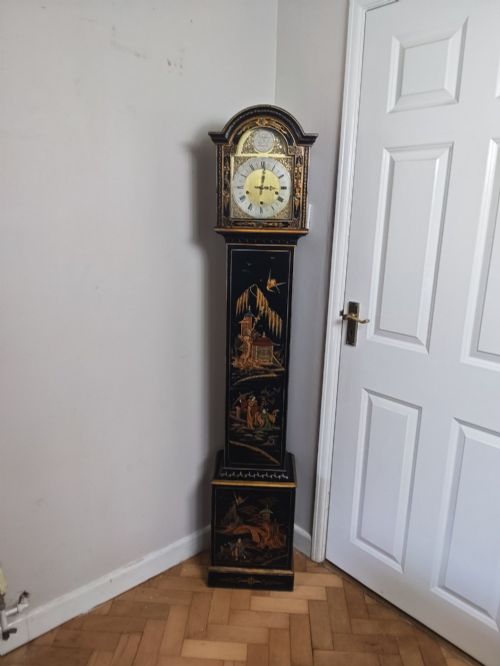
A black and gold stand brings rich lacquer, ebonised wood and gleaming gilt surfaces together to elevate display pieces and furniture across varied interiors.
Black and Gold Stand
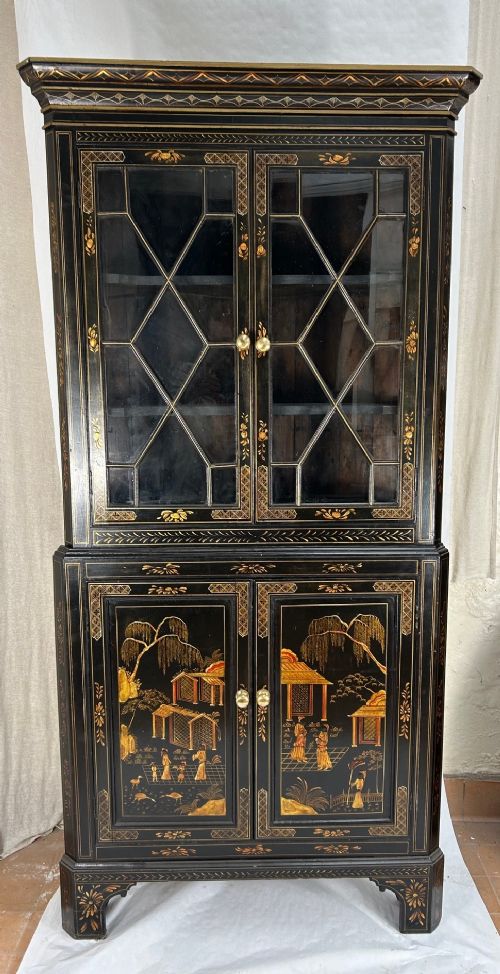
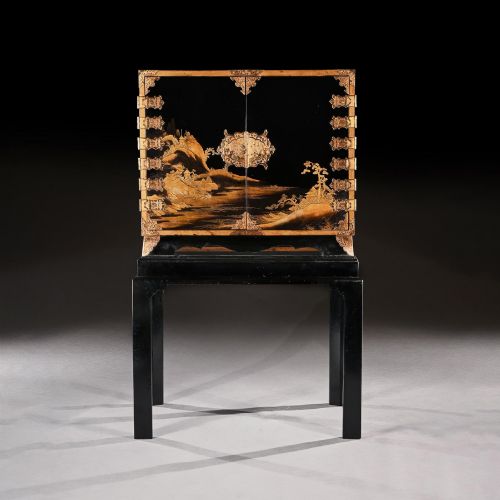
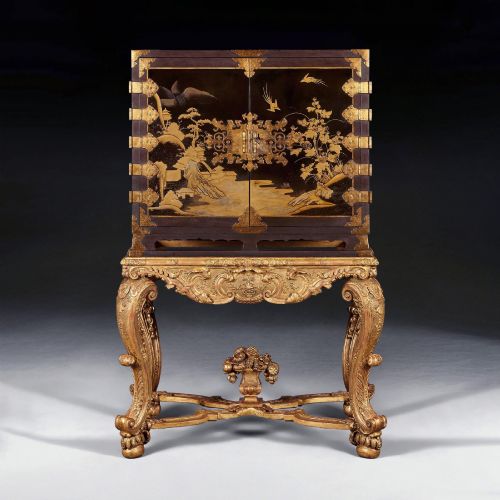
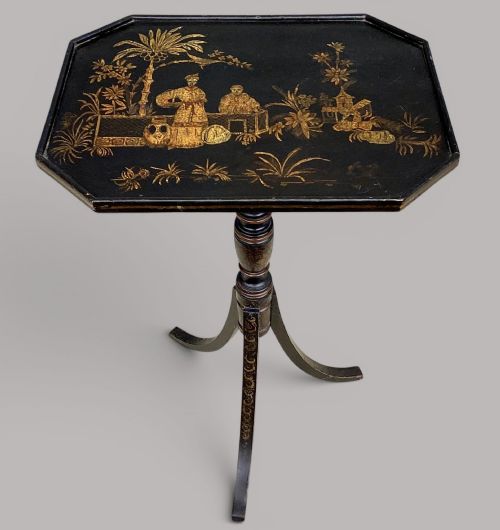
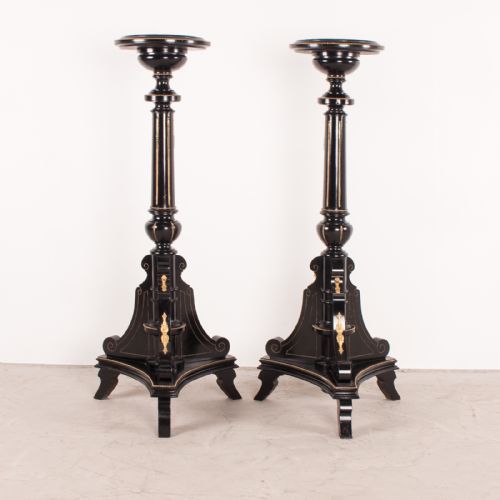
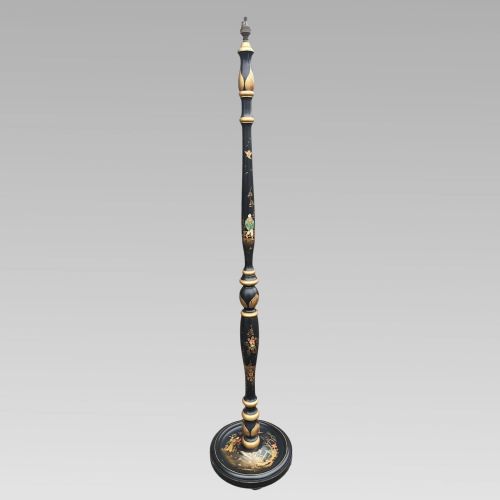
A black and gold stand encompasses a diverse range of furniture and decorative objects, from cabinets on raised supports to occasional tables, plant stands and lighting bases. Buyers seeking a black and gold stand find pieces spanning the seventeenth century through the Victorian, Edwardian and early twentieth century eras.
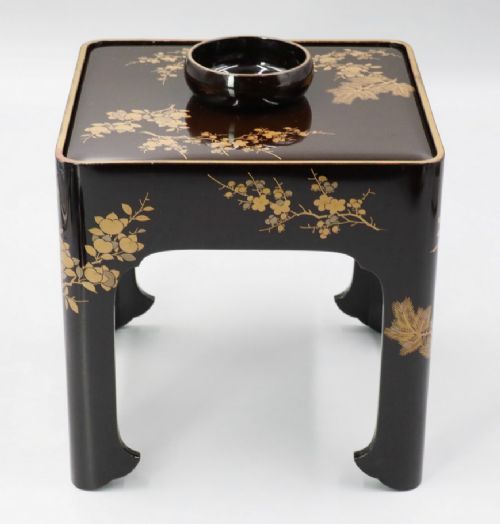
The selection frequently includes items drawing on Regency, Chinoiserie, Neoclassical and Japanese Meiji aesthetic traditions. Common formats include side tables, torchieres, trays on stands and vitrines combining dark surfaces with metallic highlights.
Makers and artisans across these varied periods utilised dark finishes and metallic detailing to create functional display pieces that command visual attention in a room.
Materials and construction
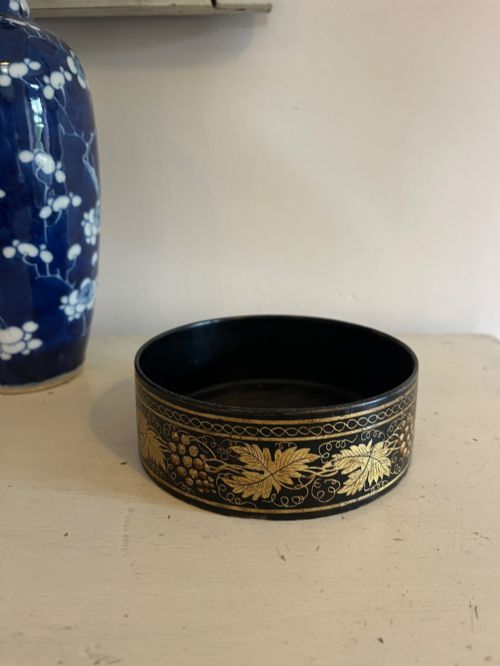
Construction relies heavily on woods such as ebonised timber or papier-mâché finished with deep black lacquer, complemented by brass, gold leaf and parcel-gilt highlights. Lacquering techniques applied to cabinets, boxes and trays demand layers of careful surfacing before gilt decoration is added.
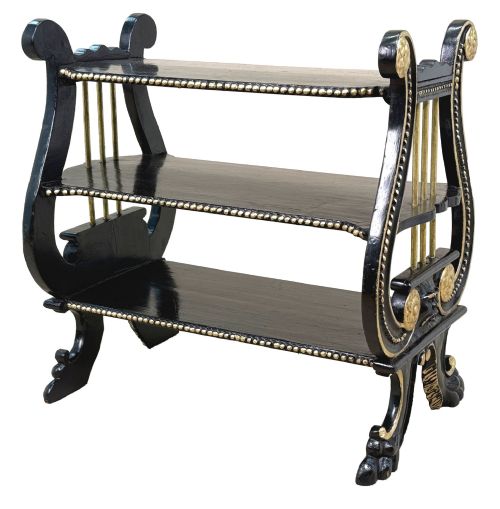
Metal components incorporate cast brass and gilt bronze, often paired with marble tops or wooden bases in standard lamps, etageres and plant holders. Artisans combined traditional cabinetmaking methods with hand-painted Chinoiserie motifs and penwork detailing.
Black and Gold Stand Retail Price Guide 2026
Typical asking prices for black and gold stand among the pieces listed under this phrase on Sellingantiques today, from the lower quarter to the upper quarter. They describe what is for sale here now, not the wider market.
Some nineteenth-century makers elevated humble paper pulp into art, transforming everyday papier-mâché into gilded display trays.
Craftsmanship and execution
Quality rests in the depth of the lacquer finish, the crispness of the gilt detailing and the integrity of the underlying wood or papier-mâché structure. Superior examples display finely preserved hand-painted decoration and well-proportioned stands that complement the main body of the piece.
The integration of materials - such as the seating of marble tops within brass scroll bases or the alignment of cabinets on dedicated stands - determines the cohesion and visual balance of the finished object.
Albert Marionnet
The Black and Gold Stand Glossary
- Ebonised wood
- Timber treated with stain or pigment to imitate heavy, dense ebony. This dark finish provides a uniform background for gilt highlights.
- Chinoiserie
- European artistic style reflecting Chinese motifs and decorative techniques. Artisans applied these designs to lacquered cabinets, trays and screens.
- Parcel-gilt
- Partially gilded surfaces where gold leaf highlights specific carved details or edges. It creates contrast against a dark ebonised or lacquered ground.
- Papier-mâché
- Composite material made from paper pulp or layers of paper mixed with glue, then moulded and lacquered. It appears frequently in nineteenth-century trays and coasters on stands.
- Torchere
- Tall, slender stand or candlestick designed to hold a light source or display an object. These decorative supports often feature ebonised and gilt finishes.
Black and Gold Stand: Frequently Asked Questions
What is a black and gold stand?
A black and gold stand refers to decorative furniture and display supports finished in dark lacquer or ebonised wood with gilt ornamentation. These pieces range from small occasional tables and trays on stands to cabinets and plant holders.
Items in this category often feature Chinoiserie or Neoclassical design influences developed across the eighteenth, nineteenth and early twentieth centuries.
How were these stands used historically?
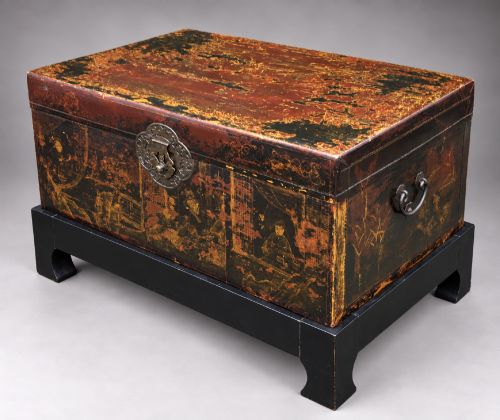
Historically, these stands served practical and decorative functions in domestic interiors, holding lamps, plants, clock cases or collectors' items. Cabinets and trunks on stands elevated precious storage containers above floor drafts.
Smaller trays and coasters on stands facilitated serving drinks or organising desk accessories in drawing rooms and libraries.
How do I identify the period of a piece?
Dating relies on examining construction methods, material combinations and stylistic motifs characteristic of specific eras like the Regency or Victorian periods. For example, papier-mâché items and ebonised vitrines typically point to nineteenth-century production.
Cabinet construction, joinery and the style of the gilt decoration offer further clues to whether a piece originates from the seventeenth-century Edo period or later revival movements.
How do I care for lacquered and gilt surfaces?
Maintenance requires gentle dusting with a soft, dry cloth to protect delicate lacquer and gold leaf layers from abrasion. Avoid using harsh chemical cleaners, polishes or excess moisture on antique finishes.
Keeping pieces away from direct sunlight and extreme humidity changes preserves the integrity of both the wooden structure and the painted decoration.