



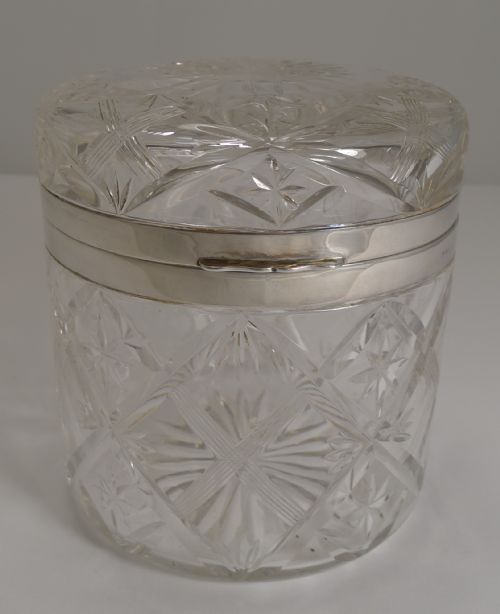
Birmingham Silver Powder Box
A birmingham silver powder box is an essential dressing table accessory, combining practical vanity storage with exquisite metalwork that collectors prize.
Birmingham Silver Powder Box
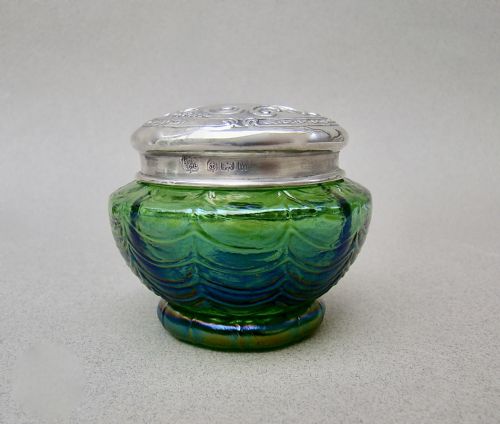
When you search for a birmingham silver powder box, you enter the world of early twentieth century dressing table accessories, where silver meets functional glass and enamel. The pieces on this page span from the Edwardian period through to the Art Deco era, capturing changing tastes in personal grooming through the decades.
You are most likely to meet examples from the George V and Edwardian periods, alongside bolder Art Deco designs featuring vibrant enamel work. These items take various forms, including lidded trinket boxes, vanity jars, dressing table bowls, and powder compacts.
Materials and construction
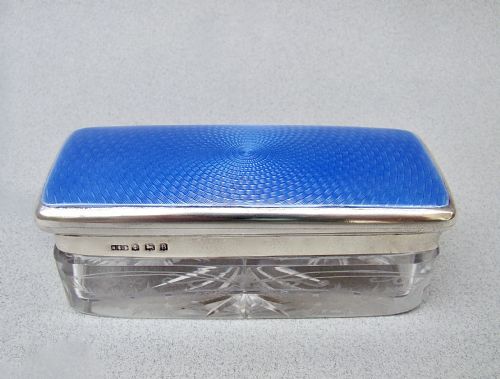
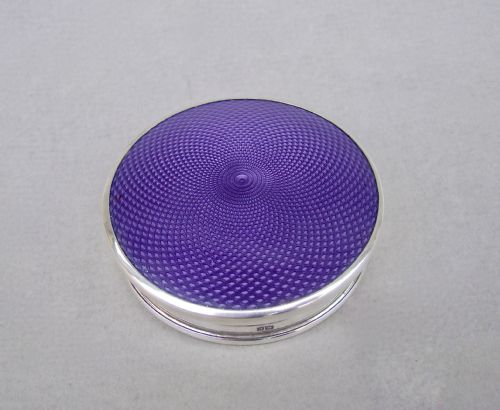
Makers fashioned the protective mounts and lids from sterling silver, hallmarked to guarantee the metal standard. Artisans frequently applied engine turned guilloche enamel onto the silver surfaces, creating intricate geometric patterns beneath translucent coloured coatings.
The body of each piece typically relied on moulded or cut glass, including specialist variants like satin glass and cranberry glass, or utilised durable celluloid. Silversmiths then secured the metal rims and hinged lids directly onto these glass and synthetic bodies.
Several boxes survived a century of powder application thanks to sturdy hinges and resilient cranberry glass.
Assessing quality in these pieces
The distinction between standard items and superior examples lies in the crispness of the silver hallmarks and the complexity of the decorative techniques employed. Richly coloured guilloche enamel that remains free from chips or extensive hairline fractures elevates a piece significantly.
Weight and substance also dictate quality, as heavier sterling silver mounts and thicker cut crystal or satin glass bodies demonstrate superior material investment by the original maker. The precision of the hinge mechanism and the tightness of the lid closure further separate everyday items from finer workshop output.
A. J. Pepper & Co·Henry Clifford Davis·A. Bromet & Co·Henry Matthews·The Daniel Manufacturing Co·Henry Williamson Ltd
The Birmingham Silver Powder Box Glossary
- Guilloche enamel
- A decorative technique where an intricate mechanical pattern is engraved beneath a translucent enamel layer. This method was widely utilised on Art Deco compacts and dressing table jars.
- Sterling silver
- An alloy consisting of silver and other metals, typically copper, standardised for durability and purity. British pieces display a lion passant hallmark indicating this standard.
- Satin glass
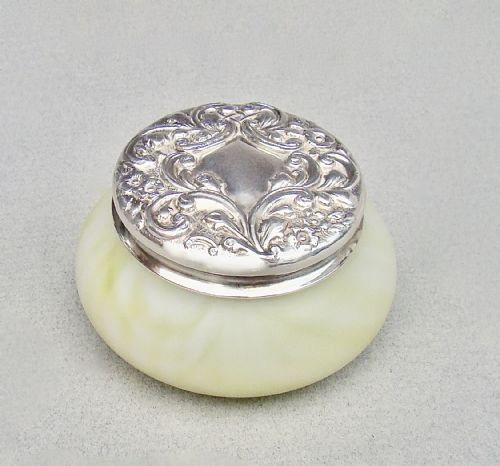
- Glass treated to have a velvety, matte surface texture rather than a high gloss finish. It frequently appears on Edwardian trinket boxes.
- Cranberry glass
- A rich red glass coloured with gold chloride during production. Makers paired this vibrant material with silver lids.
- Celluloid
- An early thermoplastic material used as a substitute for ivory or tortoiseshell in compact bodies. It gained popularity during the 1920s.
- Kralik glass
- Art glass produced by the Bohemian Kralik factory, known for iridescent finishes. These imported vessels were often fitted with British silver mounts.
Birmingham Silver Powder Box: Frequently Asked Questions
What is a birmingham silver powder box?
A birmingham silver powder box is a lidded container designed for the dressing table to hold cosmetics or trinkets, featuring a hallmarked silver lid or mount originating from the Birmingham assay office.
These pieces combine precious metalwork with glass, enamel, or celluloid bodies, reflecting the personal grooming habits and interior aesthetics of the early twentieth century.
How were these powder boxes used?
Owners placed these items on dressing tables and boudoir surfaces to store loose face powder, puffs, and small jewellery items for daily use.
The hinged or lift off lids protected the contents while adding a decorative metallic accent to the bedroom or dressing room.
How do I date a silver powder box?
You can date these items by examining the hallmarks stamped on the silver components, which include assay office marks, maker's marks, and date letters corresponding to specific years.
Stylistic indicators such as Edwardian florality or geometric Art Deco guilloche enamel also help place a piece within a specific decade like the nineteen twenties or thirties.
How do I care for antique silver and enamel?
Clean the sterling silver portions gently with a soft cloth and specialised polish, taking care to avoid abrasive contact with any enamel or glass surfaces.
Keep the items away from direct sunlight and moisture to protect fragile internal materials like celluloid and prevent discoloration of the enamel.