
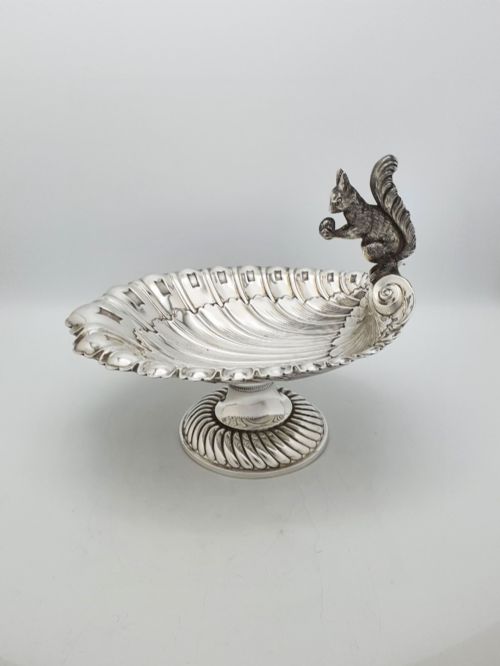


1920s Silver Trinket Dish
These 1920s silver trinket dish examples offer small table vessels crafted to hold rings and small valuables, combining metalwork and glass.
1920s Silver Trinket Dish
A 1920s silver trinket dish covers small vessels and trays designed to hold dressing table items, pins, and small keepsakes. The forms span open trays, lidded boxes, and small bowls shaped for domestic use.
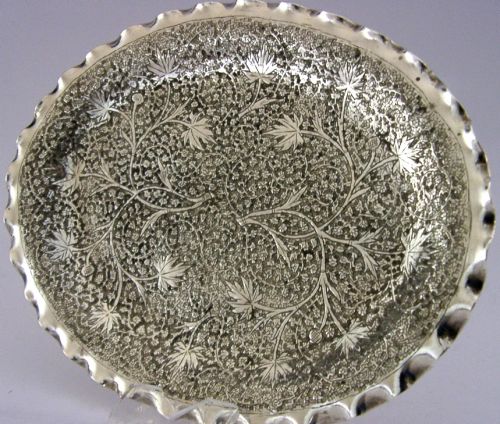
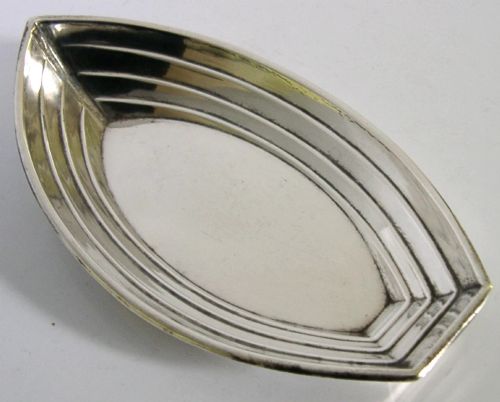
Buyers meet varied styles ranging from George V traditional work to early Art Deco geometric designs and Anglo-Indian patterns. Many pieces combine precious metal mounts with contrasting bodies of glass or enamel.
The objects originate from British assay offices, European makers, and American workshops, reflecting the diverse manufacturing centres active during the early twentieth century.
Materials and construction methods
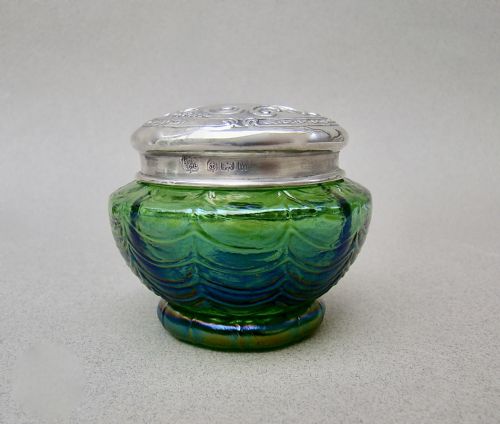
Makers utilised sterling silver, solid silver, and silver-plate alongside cut glass, cranberry glass, and Kralik glass bodies. Enamel work and tortoiseshell inserts add colour and texture to hinged lids and rims.
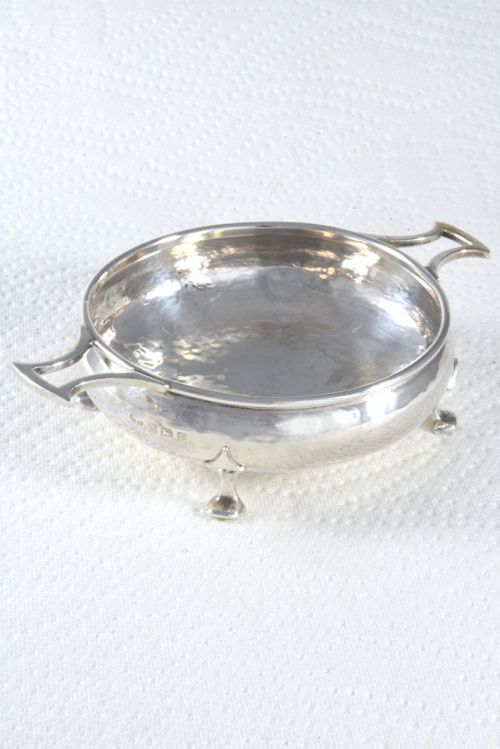
Techniques involve press-moulded glass fitted with hallmarked silver collars, alongside hand-hammered Anglo-Indian metalwork and detailed novelty casting such as rowing boat motifs.
A metal squirrel balances on a nut in one piece, proving dressing table accessories had a sense of humour.
Distinctions in quality and execution
Quality rests on the weight of the silver component and the clarity of the hallmarks stamped into the metal. Substantial gauge metal and crisp makers' marks separate standard production from heavier bespoke items.
The integration between metal mounts and glass or enamel bodies dictates the overall standard. Intact enamel panels and tightly fitted lidded closures represent finer workshop execution.
A. J. Pepper & Co·Wallace·WMF·John Collyer
The 1920s Silver Trinket Dish Glossary
- Sterling silver
- A silver alloy containing 92.5 percent pure silver by mass, standard for British tableware and trinket boxes. Assay offices stamped these pieces with standard control marks.
- Silver plate
- A base metal foundation coated with a layer of silver, utilised by continental manufacturers like WMF. It offers the appearance of solid silver at a different production cost.
- Cranberry glass
- A rich red glass produced by adding gold chloride to the molten batch, frequently mounted with silver lids for dressing table vessels. The hue varies in depth across different pieces.
- Hallmark
- A series of official marks stamped on precious metal items in Britain, indicating the maker, assay office, and year of testing. These stamps date the piece precisely.
- Bonbon dish
- An open vessel intended for holding small sweets or confectionery, often featuring pierced or reticulated metalwork. These function similarly to small trinket trays on display surfaces.
1920s Silver Trinket Dish: Frequently Asked Questions
What were 1920s trinket dishes used for?
These vessels held small personal items on dressing tables, including rings, pins, and visiting cards. Lidded boxes protected delicate items from dust.
Open trays accommodated daily jewellery, whilst novelty shapes served decorative functions in domestic interiors.
How do I identify a George V silver dish?
George V silver pieces carry British hallmarks that include the profile of the reigning monarch alongside town marks and date letters. These stamps verify the period of manufacture.
Stylistic elements often align with traditional British tastes of the interwar decades, distinct from continental Art Deco designs.
Are these dishes made of solid silver?
Listings include both solid silver, sterling silver, and silver-plated metal wares. Descriptions specify the material composition of each item.
Weight and hallmark stamps help distinguish solid precious metal from silver-plated base metals.
How should I clean antique silver and glass?
Silver components require gentle cleaning with specialised cloths to preserve the metal surface and avoid removing patination. Abrasive polishes damage engraved details and thin plating.
Glass and enamel sections need mild soapy water, taking care to keep moisture away from lined interiors or tortoiseshell inserts.