




Birmingham Silver Novelty
Birmingham silver novelty pieces capture the Victorian and Edwardian desire for whimsical desk and dressing table accessories.
Birmingham Silver Novelty
When searching for birmingham silver novelty, buyers encounter imaginative small objects spanning the Victorian, Edwardian, and George V periods.
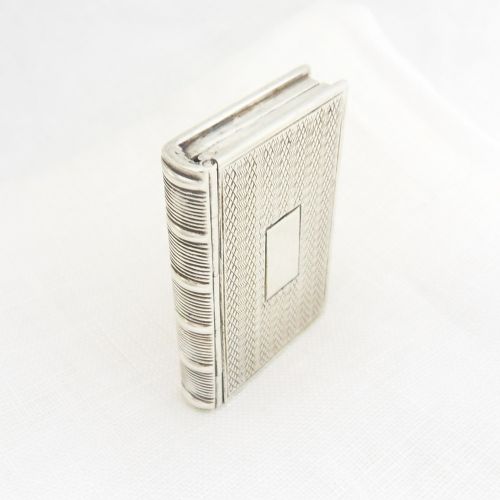
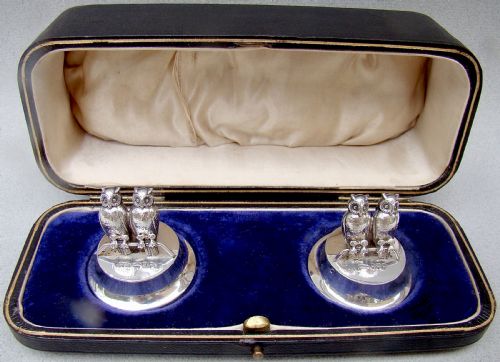
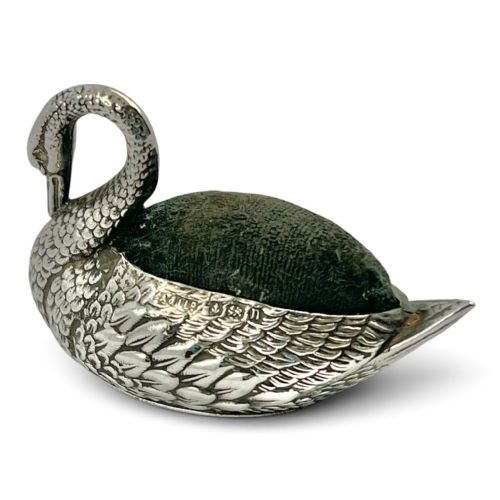
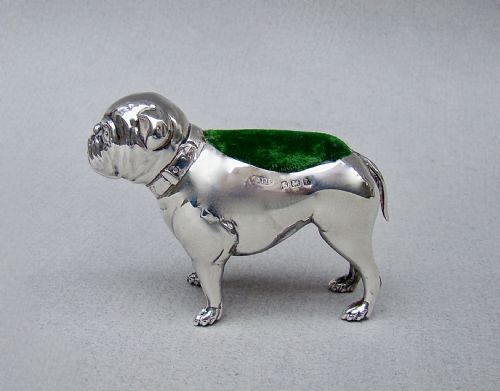
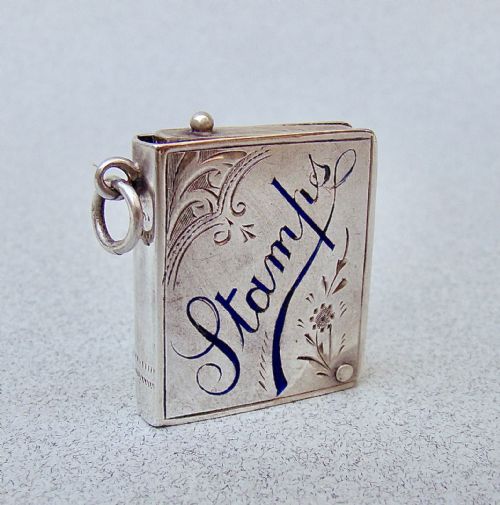
The most common forms on this page include animal pin cushions modelled as pigs, swans, and elephants, alongside figural bookmarks and stamp cases.
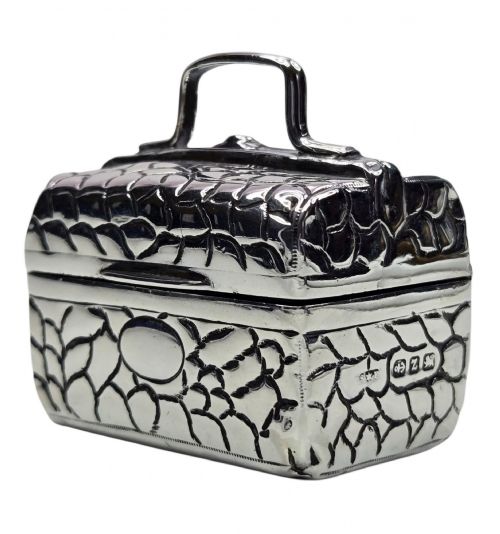
Makers in this region utilised sterling silver to transform everyday items like books, boots, and animals into functional conversation pieces.
How they were made
Silversmiths employed techniques such as stamping and repousse work to shape sterling silver into detailed animal and plant forms.
Interior elements frequently incorporated velvet, silk, or glass to support the function of pin cushions, scent bottles, and bookmarks.
Victorian silversmiths turned everything from frogs and teddy bears to humble garden beans into gleaming silver.
What varies in quality
The finesse of the chasing and the clarity of the Birmingham hallmarks distinguish finer examples from standard production.
Pieces retaining original textiles like velvet cushions or intact glass inserts command greater interest from collectors.
Levi and Salaman·Adie and Lovekin·Crisford and Norris·William Neale·Laurence Emanuel·S Blanckensee and Sons
The Birmingham Silver Novelty Glossary
- Hallmark
- Official marks stamped on precious metals indicating the standard of purity, the assay office, and the date letter.
- Pin Cushion
- A small domestic object designed to hold pins, frequently formed as novelty animals or everyday shoes during the Edwardian era.
- Vesta Case
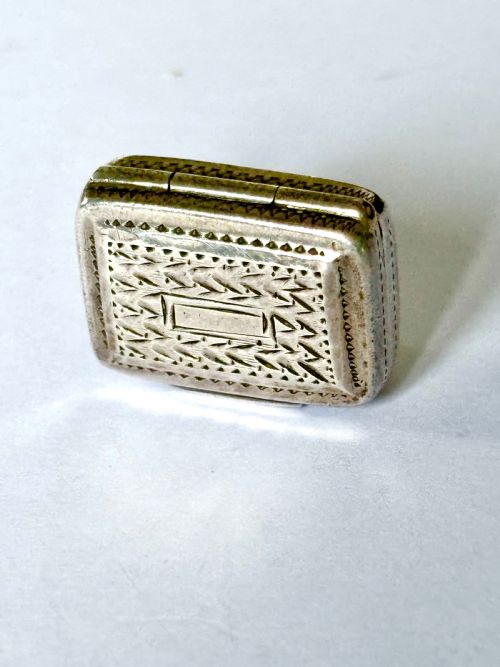
- A pocket box for matches, often produced in whimsical shapes such as nuts or books by Birmingham makers.
- Repousse
- A metalworking technique where the silversmith hammers the design from the reverse side to create raised relief ornament.
- Caddy Spoon
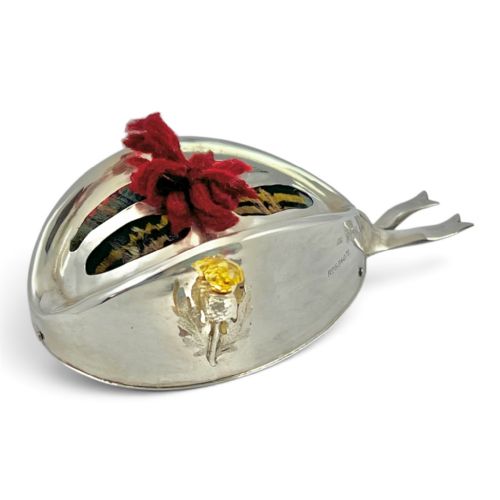
- A short spoon used for measuring loose tea leaves, occasionally shaped like jockeys' caps in silver.
Birmingham Silver Novelty: Frequently Asked Questions
What are birmingham silver novelty pieces?
These items are small, imaginative silver objects made in Birmingham during the late nineteenth and early twentieth centuries.
They combine practical utility with humorous or zoomorphic designs, such as animal pin cushions and trowel bookmarks.
How were novelty pin cushions used?
Victorian and Edwardian households kept these small silver animals on dressing tables and desks to hold sewing pins.
The padded velvet or silk inserts provided a functional base while the silver formed the body of a pig, bear, or bird.
How do I identify the date of a piece?
Birmingham silver bears a hallmark that includes an anchor symbol for the assay office and a specific letter representing the year of manufacture.
Matching this letter against standard date tables reveals the exact year the item was assayed.
Are these items made of solid silver?
The exterior components are fashioned from sterling silver, indicated by the lion passant hallmark denoting proper silver purity.
Internal structures often rely on non-silver materials such as wooden cores, textile stuffing, or glass liners.