



Antique Reading Accessory
An antique reading accessory transforms daily study through practical design and refined materials.
Antique Reading Accessory
An antique reading accessory comprises objects designed to assist with books, documents, and library tasks. When you search for an antique reading accessory, you encounter items intended to make reading and writing more comfortable and organised.
The selection on this page centres primarily on magnifying glasses, bookmarks, bookends, book stands, and page turners. These desk aids range in origin from the Victorian era through the Edwardian period and into the Art Deco and Mid-Century Modern designs of the twentieth century.
Materials span sterling silver, silver plate, brass, glass, jade, shagreen, alabaster, rosewood, and mahogany. These utilitarian desk items bridge the gap between functional library tools and decorative objects.
How they were made
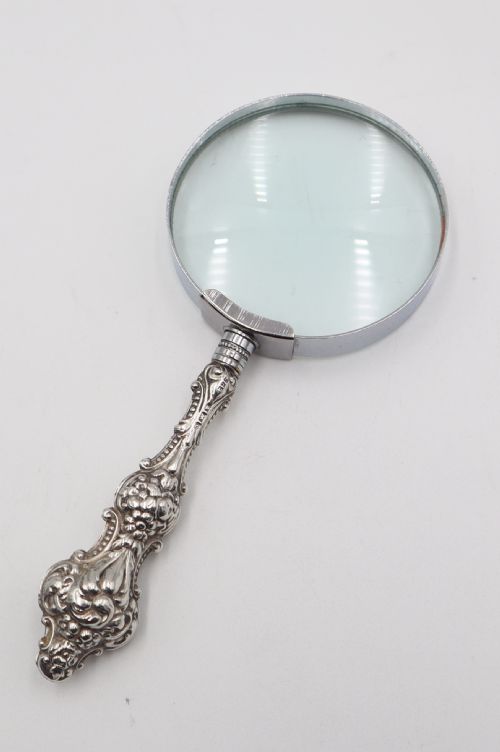
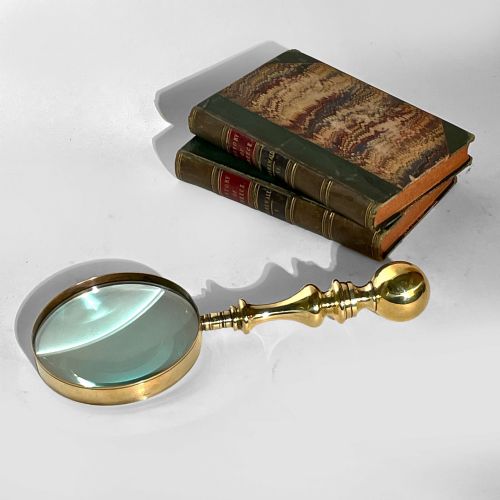
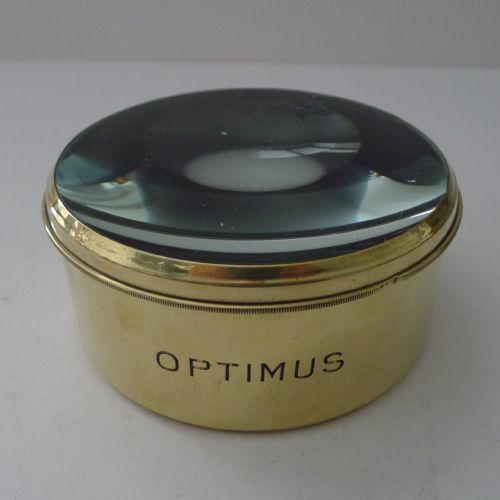
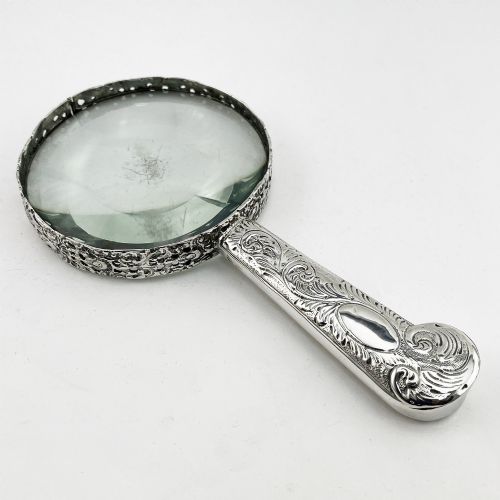
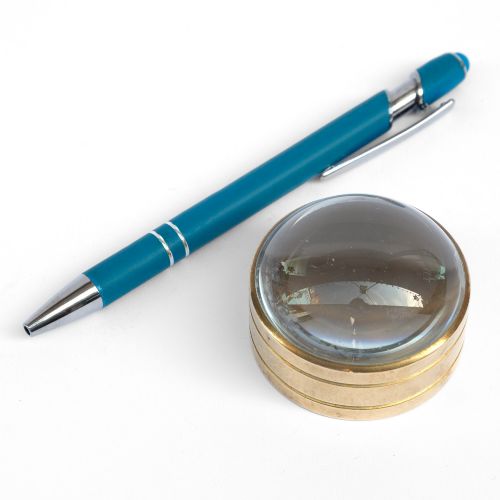
Metals such as brass and sterling silver form the structural framework for many pieces, shaped through casting, mounting, and pivoting mechanisms. Silver and silver plate often frame handheld lenses, whilst brass supports heavier desk-top reading lenses and stands.
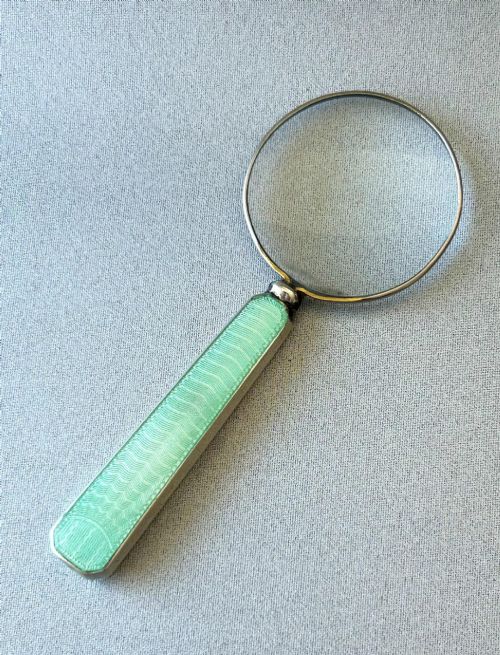
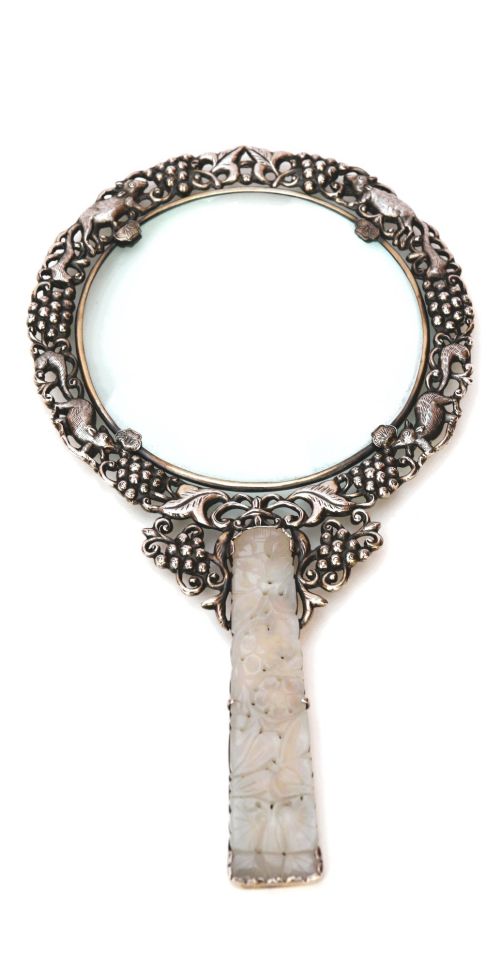
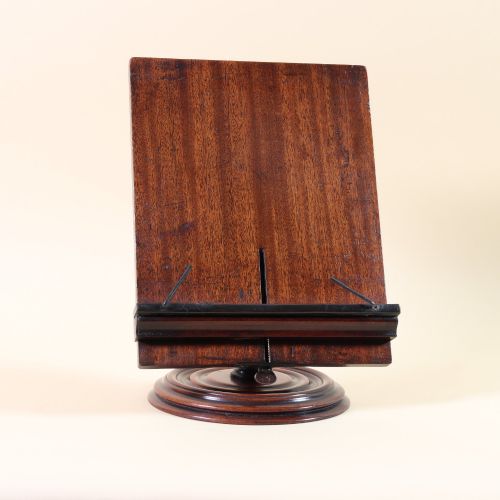
Organic and decorative materials provide surface texture and contrast. Shagreen, banded agate, jade, guilloche enamel, and exotic woods like mahogany and rosewood are fitted into the metal mounts of bookmarks, magnifying glasses, and book rests.
Antique Reading Accessory Retail Price Guide 2026
Typical asking prices for reading accessory among the pieces listed under this phrase on Sellingantiques today, from the lower quarter to the upper quarter. They describe what is for sale here now, not the wider market.
Listings feature items spanning the nineteenth century through the Art Deco and Mid-Century Modern eras.
What varies in quality
The refinement of materials and the integrity of the maker's mark distinguish different grades of pieces. Items featuring precious metals combined with exotic materials like shagreen or jade reflect higher workshop standards.
Engineering and adjustment mechanisms determine the mechanical success of items like pivoting magnifying glasses and folding lenses. Smooth movement in joints and secure mountings separate standard production items from superior examples.
Hermes Paris·Broadway And Co·Crisford And Norris·Mappin And Webb·P H Vogel And Co·CW Dixey London
The Antique Reading Accessory Glossary
- Magnifying glass
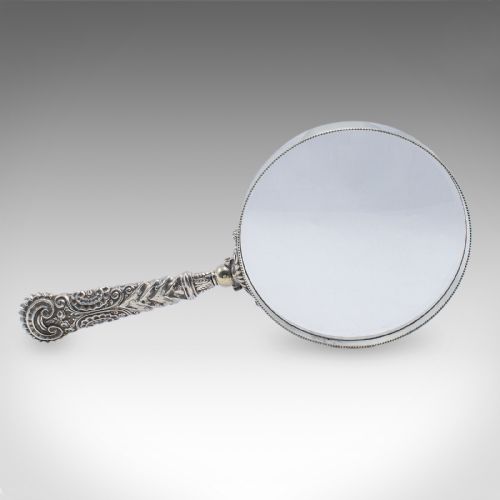
- An optical lens set within a frame, used to enlarge small text. Handles are fashioned from silver, brass, wood, or shagreen.
- Bookmark
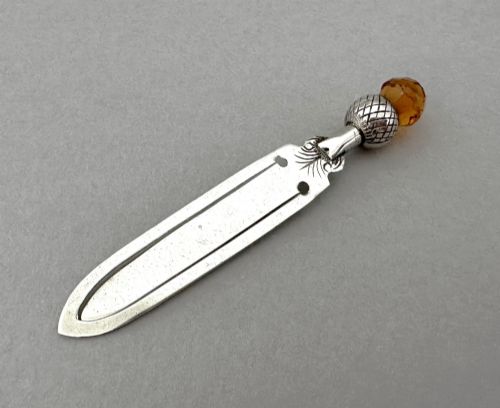
- A thin marker placed between pages to hold a place in a book. Examples often take the form of a silver trowel.
- Page turner
- A flat implement used to separate uncut paper pages or turn leaves smoothly. These tools are frequently constructed from silver or celluloid.
- Bookend
- A heavy support placed at the end of a row of books to keep them upright. Materials include alabaster, metal, and chrome.
- Shagreen
- Untanned skin from sharks or rays used as a decorative covering on handles and frames. It is frequently seen on Art Deco desk accessories.
Antique Reading Accessory: Frequently Asked Questions
What is an antique reading accessory used for?
These items serve practical functions in a library or study setting, such as enlarging text for easier reading, marking pages in a volume, or supporting books upright on a shelf.
Beyond utilitarian tasks, they add decorative detail to a desk surface through the use of worked metals, glass, and polished stones.
How do I identify a Victorian reading accessory?
Victorian pieces often display characteristic silver hallmarks, heavier cast mounts, and traditional materials such as sterling silver, mahogany, or rosewood. Stylistic motifs follow nineteenth-century conventions of ornamentation.
Handheld magnifying glasses and page turners from this era typically emphasise floral or plain silver handles paired with clear glass lenses.
What materials were used for Art Deco accessories?
Art Deco reading accessories make frequent use of shagreen, chrome, brass, and colourful guilloche enamel. These materials give items a sleek, geometric appearance typical of the interwar period.
Silver plate and sterling silver also appear alongside exotic skins and modern synthetic materials like celluloid.
How should I care for a silver reading accessory?
Sterling silver and silver plate require gentle cleaning with a soft cloth to preserve the surface finish and any maker's marks. Avoid harsh chemical polishes that can wear away thin silver plating or damage inserted materials.
Store items away from damp conditions to protect organic elements like wood, shagreen, and banded agate set into the frames.