



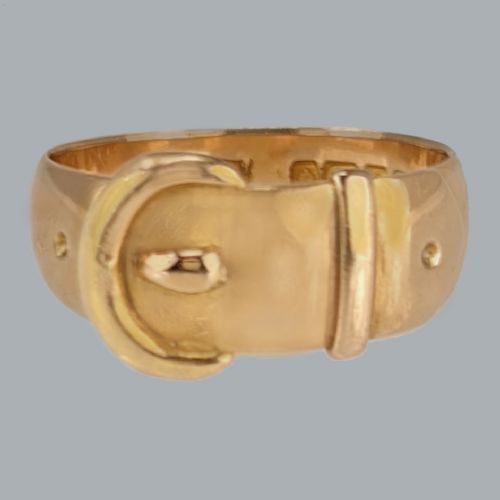

Birmingham Hallmarked Gold
Birmingham hallmarked gold encompasses rings, pendants, chains, and charms verified for purity at the Midlands assay office, prized for their verifiable provenance.
Birmingham Hallmarked Gold
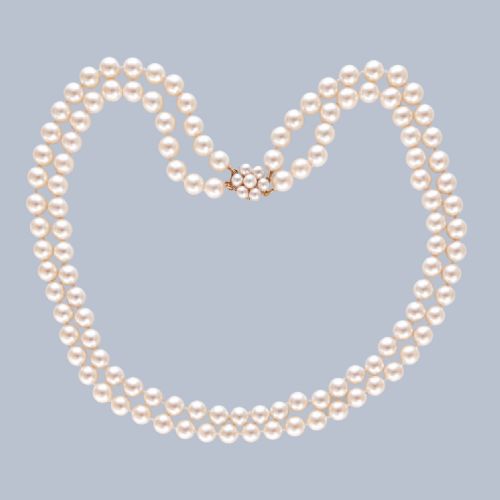
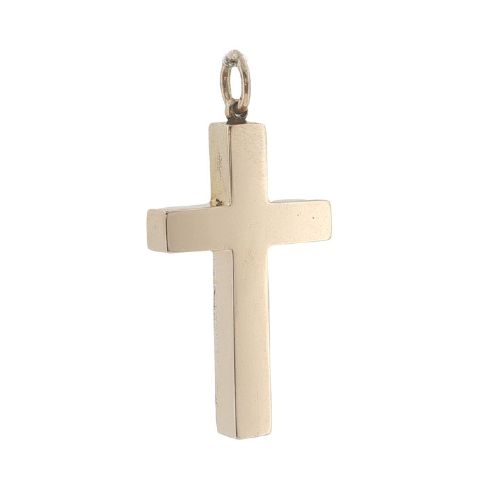
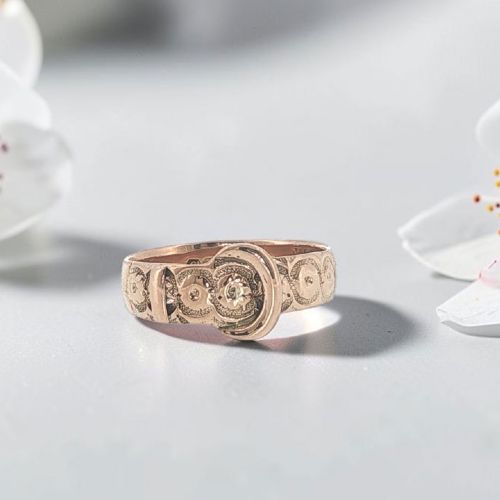
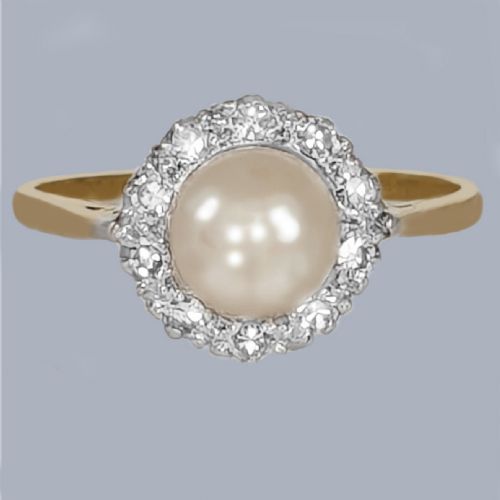
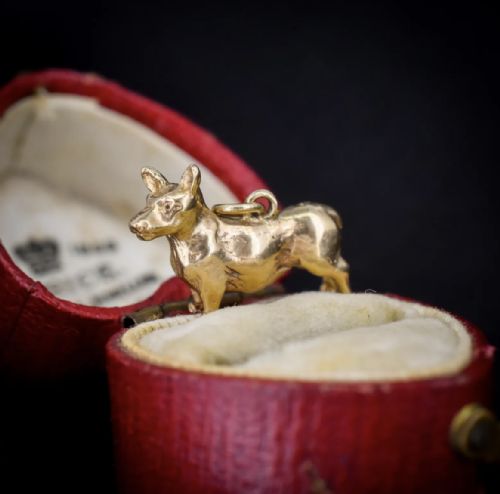
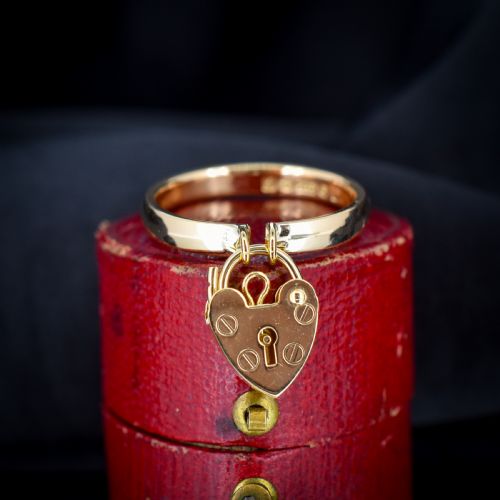
When searching for birmingham hallmarked gold, a buyer encounters a diverse range of items including Victorian, Edwardian, and mid-century rings, lockets, watch chains, and charms. These pieces carry the official marks of the Birmingham Assay Office, confirming their legal standard of precious metal purity.
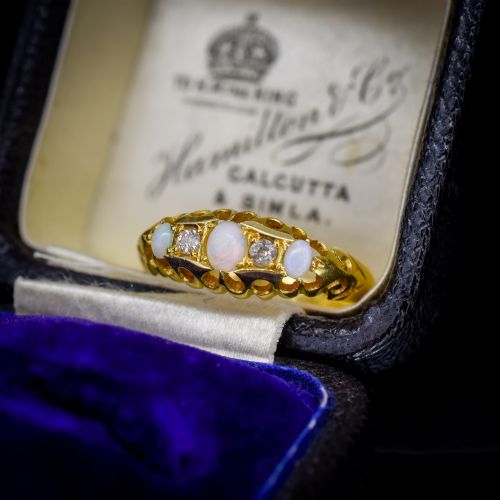
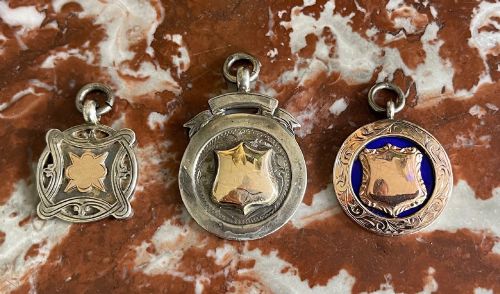
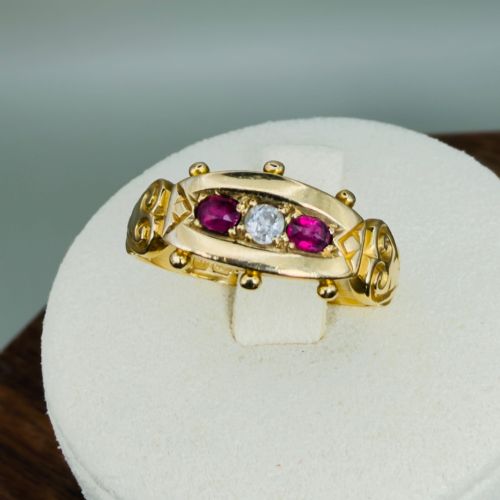
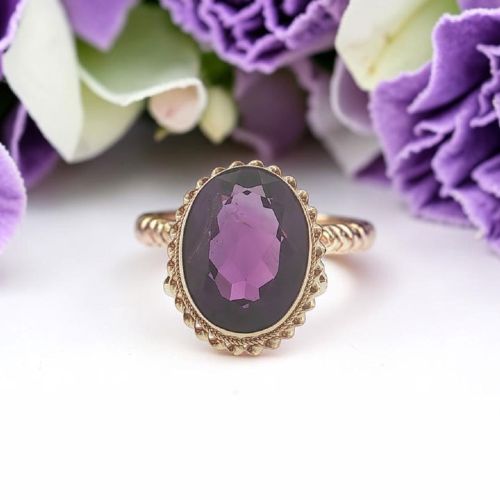
The most common versions met on this page are 9ct and 18ct gold rings featuring stones such as diamonds, rubies, sapphires, and opals, alongside yellow and rose gold watch fobs and pendants. These surviving artefacts span from the late Victorian period through the Edwardian era and into the mid-twentieth century.
How birmingham hallmarked gold pieces were made
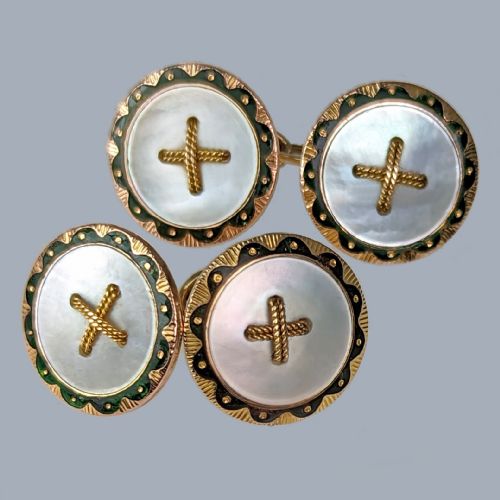
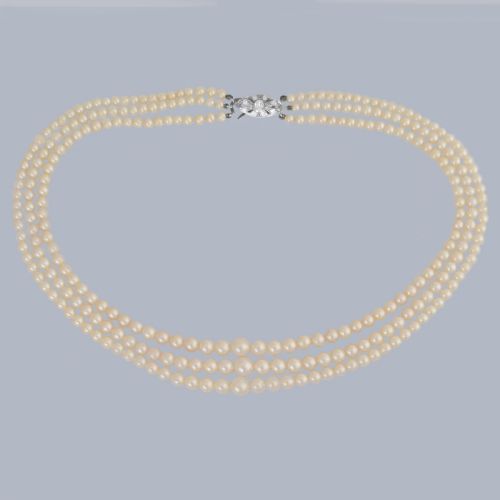
The materials used across these listings primarily consist of 9ct, 15ct, 18ct, and 22ct gold, frequently combined with gemstones like diamonds, opals, rubies, and pearls, or detailed with coloured enamel. Metals were worked into complex forms through casting, hand engraving, and filigree wirework, particularly in Victorian and Edwardian workshops.
Assay office regulations required items to be officially stamped with the anchor symbol denoting Birmingham, alongside purity marks and date letters. This meticulous process of striking and punching ensures every surviving item bears a reliable record of its metallic composition and year of testing.
Birmingham Hallmarked Gold Retail Price Guide 2026
Typical asking prices for birmingham hallmarked gold among the pieces listed under this phrase on Sellingantiques today, from the lower quarter to the upper quarter. They describe what is for sale here now, not the wider market.
Among the archival pieces is a miniature leather-bound book of common prayer edged entirely in Birmingham gold.
What varies in quality in birmingham hallmarked gold
Quality differences often hinge upon the clarity and selection of the gemstones set within the gold mounts, such as the play of colour in natural opals or the cut of old diamonds. Subtleties in hand-engraved detail and the crispness of the official assay stamps also distinguish finer examples from standard production pieces.
The structural integrity of hinges, clasps, and links in items like charm bracelets, lockets, and watch chains dictates the overall standard of preservation. Pieces retaining their original configuration without heavy wear to the gold components represent the higher tier of surviving heritage.
Solomon Blanckensee Son·William Griffiths Son·Cropp Farr·Henry Griffiths
The Birmingham Hallmarked Gold Glossary
- Hallmark
- An official stamp or series of marks applied to precious metals to certify their purity and origin. The Birmingham office uses an anchor symbol.
- Boat ring
- A ring setting shaped like an inverted boat, typically mounting a row of graduated gemstones across the finger. This style is frequently found in Edwardian pieces.
- Assay office
- An official body responsible for testing the purity of precious metal items and stamping them with statutory marks. Birmingham has operated one of the principal British assay offices for centuries.
- Trilogy ring
- A ring featuring three main gemstones set in a row, often symbolising past, present, and future. These commonly combine diamonds with rubies or sapphires in gold mounts.
- Albert chain
- A heavy watch chain designed to be attached to a waistcoat pocket, named after Prince Albert. Surviving examples often feature ornate links and hallmarked T-bars.
Birmingham Hallmarked Gold: Frequently Asked Questions
What does a Birmingham hallmark look like?
A Birmingham hallmark includes an anchor symbol indicating the assay office, alongside numerals denoting the gold karat purity such as 9 or 18. Additional stamped letters correspond to the specific year the piece was tested.
These tiny struck marks are usually located on the inner band of a ring, the reverse of a pendant, or near the clasp of a chain. Locating them often requires a loupe to read the maker's mark and date letter clearly.
How do I date my gold jewellery?
Dating gold jewellery from this selection relies primarily on the date letter stamp included within the official assay office hallmark sequence. Each operating year corresponds to a specific letter shape and shield outline.
Style, gemstone cuts, and construction techniques also help confirm the era, such as Edwardian platinum-topped gold settings or Victorian rose gold engraving. Comparing these physical characteristics with the official assay letter provides a reliable timeline.
Can I wear antique gold rings daily?
Wearing antique gold rings daily is common, provided the metal thickness and stone settings remain sturdy enough for regular use. Solid gold band rings and robust signet styles handle daily wear exceptionally well.
Gemstones set with delicate claws or softer materials like opals and pearls require greater care to avoid impact damage. Checking the security of the settings periodically ensures the stones remain safely secured in their original mounts.
What is the difference between 9ct and 18ct gold?
The primary difference lies in the proportion of pure gold mixed with other alloy metals to increase durability. 18ct gold contains a higher percentage of pure gold, resulting in a richer colour and greater resistance to tarnishing.
9ct gold incorporates a larger proportion of alloying metals like copper or silver, giving it a slightly paler hue and greater resistance to scratching. Both standards were rigorously tested and verified by the assay office when manufactured.