




Birdcage Tripod Table
A birdcage tripod table brings ingenious Georgian mechanism and tilt-top utility to domestic spaces.
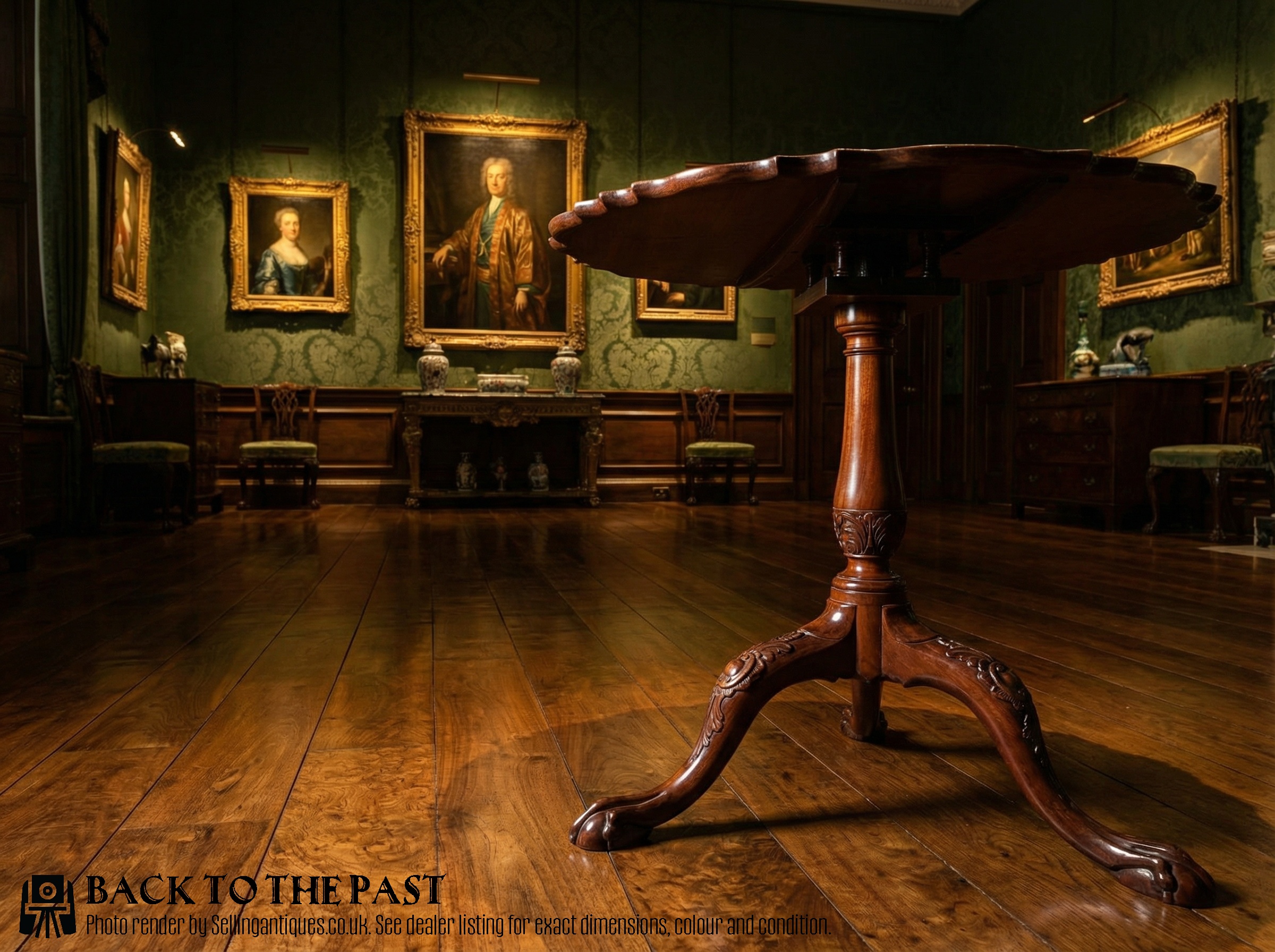
Birdcage Tripod Table
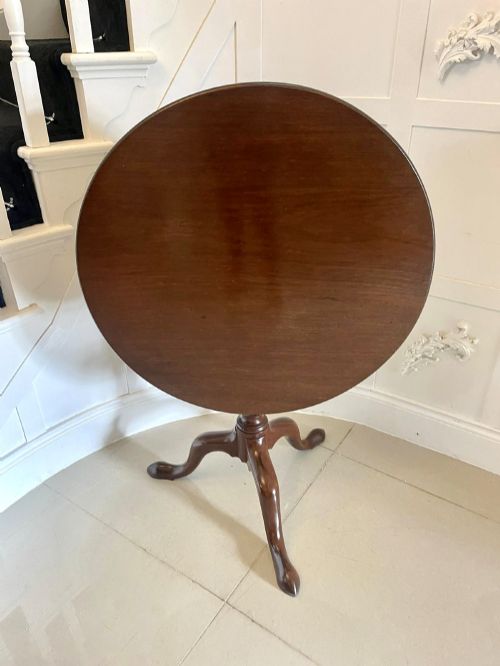
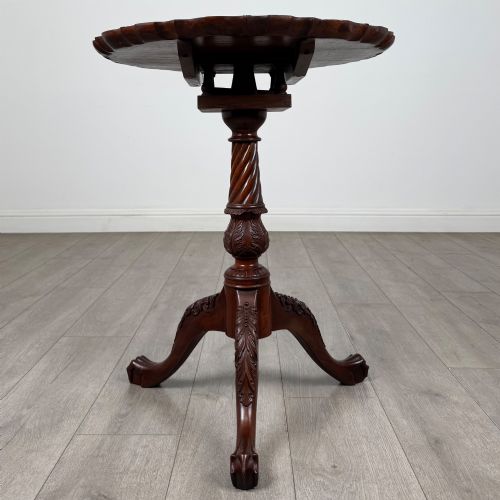
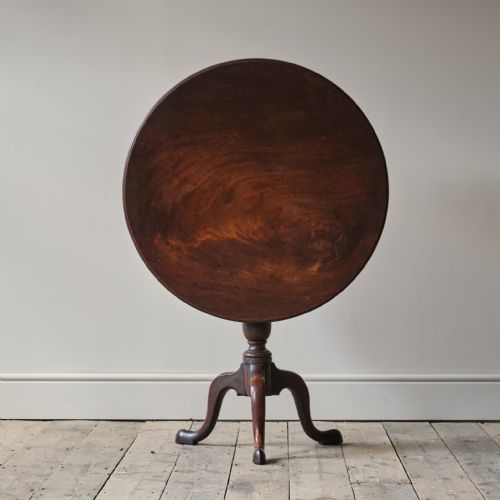
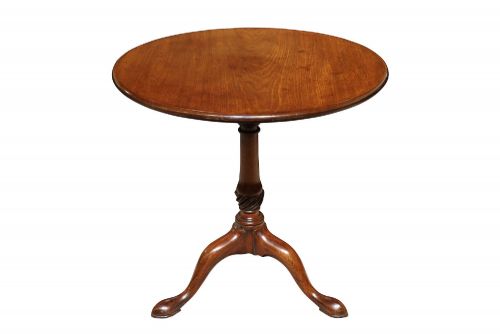
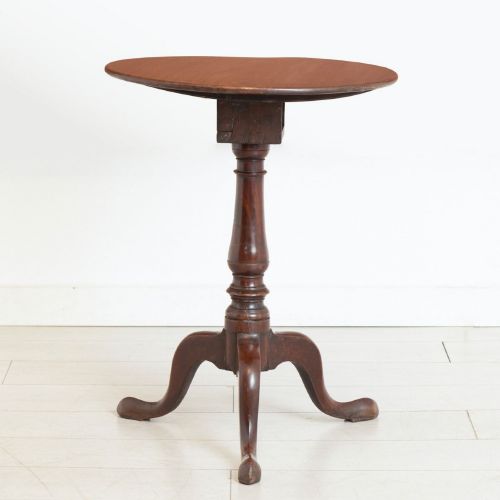
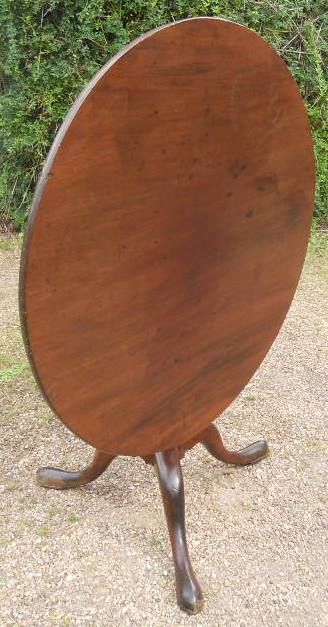
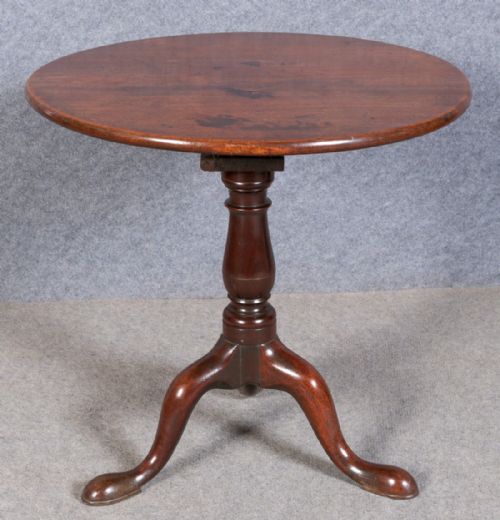
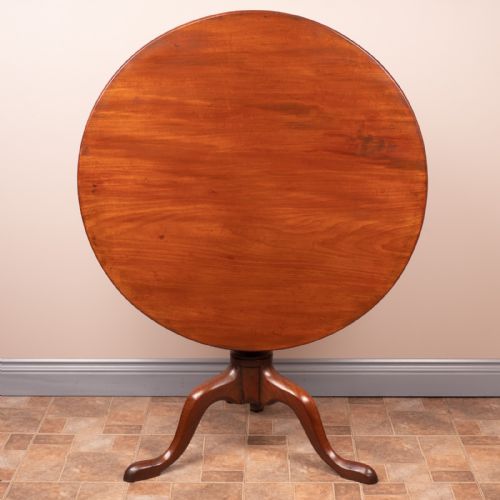
A birdcage tripod table combines a tilting top with a rotating mechanism supported by three legs, originating primarily in the Georgian and 18th century periods. These tables served as occasional, supper, or wine tables in dining and living rooms, allowing the top to pivot and tip for compact storage when not in use.
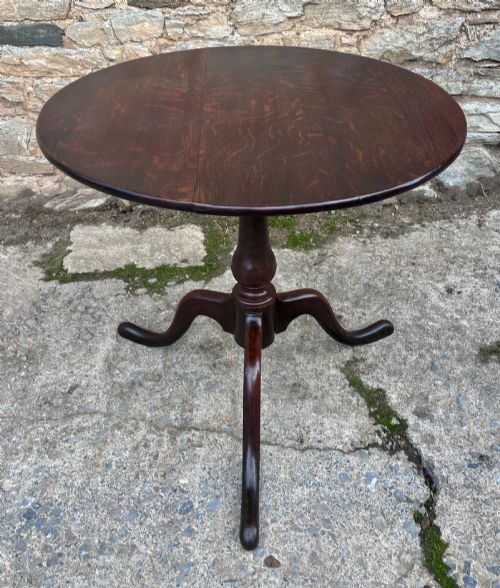
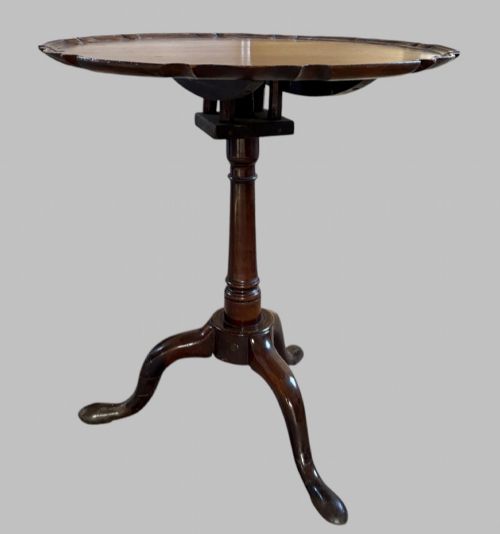
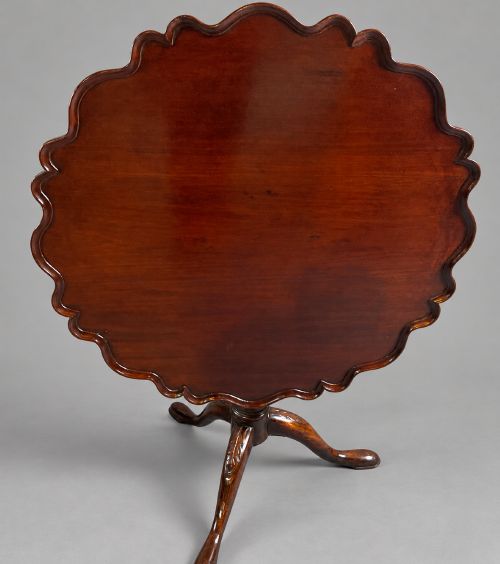
Mahogany is the dominant timber seen across these pieces, supplemented by occasional examples in oak and walnut. The top formats vary from plain round boards to piecrust edges, lobed outlines, and single plank surfaces resting on the characteristic rotating wooden cage.
Most surviving pieces date from the mid-18th century through the George III era, reflecting the height of cabinetmaking ingenuity in utilitarian occasional furniture. Buyers will frequently encounter round tops supported by birdcage actions atop slender pillar stems and tripod bases.
Materials and construction
Cabinetmakers utilised solid mahogany, oak, and walnut to construct these tables, often selecting wide boards for single plank tops. The timber was turned for the central pillar and shaped for the three legs, which terminate in various foot styles.
The defining birdcage action consists of a wooden framework enclosing small vertical spindles that allow the table top to rotate independently of the column. This revolving cage sits atop the central turned post and connects to the tilt-top mechanism via hinge blocks and wooden pins.
Birdcage Tripod Table Retail Price Guide 2026
Typical asking prices for birdcage tripod table among the pieces listed under this phrase on Sellingantiques today, from the lower quarter to the upper quarter. They describe what is for sale here now, not the wider market.
Listings feature 18th century, Georgian, and George III periods alongside occasional walnut and oak examples.
Distinctions in quality
Quality rests upon the crispness of the turning on the central pillar, the joinery of the birdcage mechanism, and the selection of figured timber for the top. Superior examples display precise carpentry in the rotating cage and well-proportioned tripod legs that meet the floor cleanly.
Carved details such as piecrust borders or moulded edges distinguish finer pieces from plain round boards, while the integration of the tilt and swivel functions demonstrates the maker's technical proficiency.
The Birdcage Tripod Table Glossary
- Birdcage action
- A rotating wooden frame beneath the table top that enables both tilting and revolving movement. This double-axis function allows the surface to turn horizontally and tip vertically.
- Tilt-top table
- A table designed with a hinged mechanism permitting the top to fold flat against the pedestal when stored. This conserved floor space in period rooms.
- Piecrust edge
- A raised, decoratively carved rim shaped around the perimeter of a round table top. The moulded curves resemble traditional pastry work.
- Tripod base
- A support structure comprising three legs radiating from a central turned pillar. These legs frequently terminate in pad or claw feet.
- Supper table
- A larger occasional table utilised during the 18th century for evening meals or social gatherings. They often feature generous top diameters to accommodate multiple settings.
Birdcage Tripod Table: Frequently Asked Questions
What is a birdcage action?
The birdcage action is a timber assembly positioned directly beneath the table top. It incorporates small vertical wooden spindles within a frame that lets the surface rotate horizontally.
This construction also incorporates hinges that allow the top to tilt vertically. Together, these movements made the furniture adaptable for multifunctional spaces.
How were these tables used?
Period households utilised these pieces as occasional, wine, or supper tables in parlours and dining rooms. The tilting function enabled servants to store the furniture flat against walls.
The revolving top allowed diners or guests to reach items easily without moving the entire heavy base.
Which woods are most common?
Mahogany is the primary timber found in these listings, reflecting its popularity among 18th-century cabinetmakers. Its strength and stability suited the complex requirements of the birdcage mechanism.
Earlier or more vernacular examples occasionally appear in oak, whilst walnut represents another choice from the broader period.
How do I identify a Georgian piece?
Georgian examples are identified by timber patination, traditional joinery methods, and proportions typical of the 18th century. Details such as turned central pillars and tripod leg configurations align with styles from the George II and George III eras.
The presence of hand-cut joints and period hardware further supports dating to this timeframe.