


Birch Wood Table
When you choose a birch wood table, you bring home pale, figured timber shaped through Scandinavian and Victorian cabinet-making.
Birch Wood Table
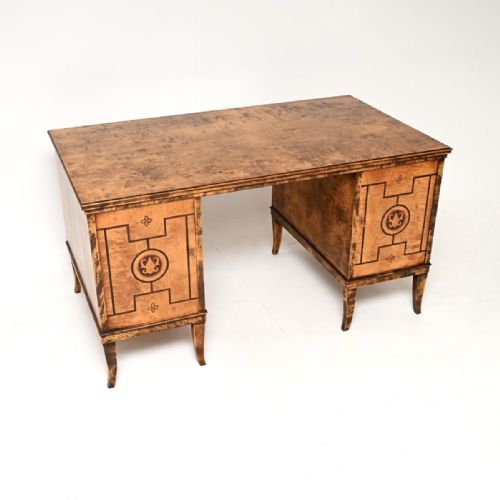
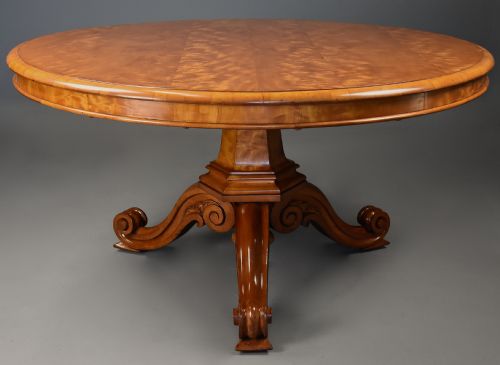
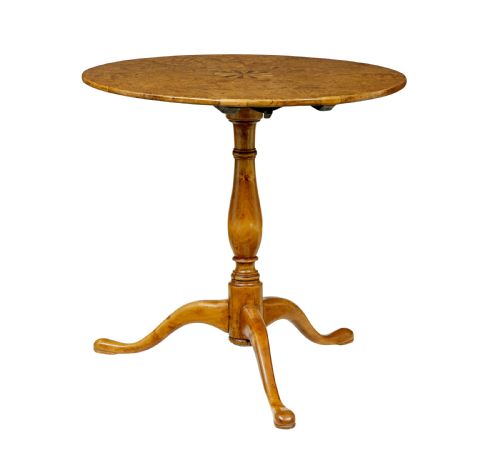
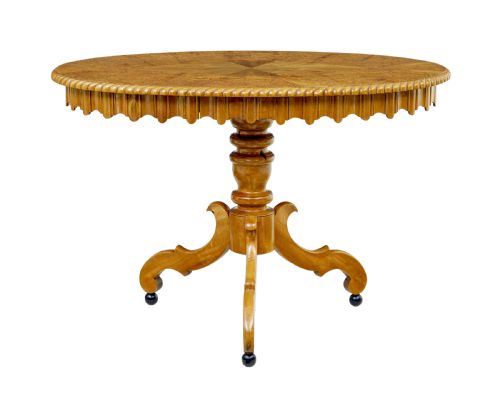
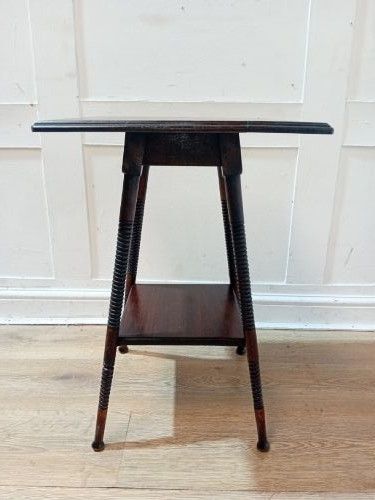
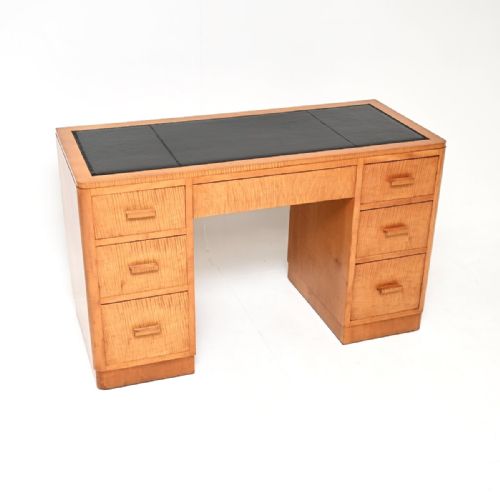
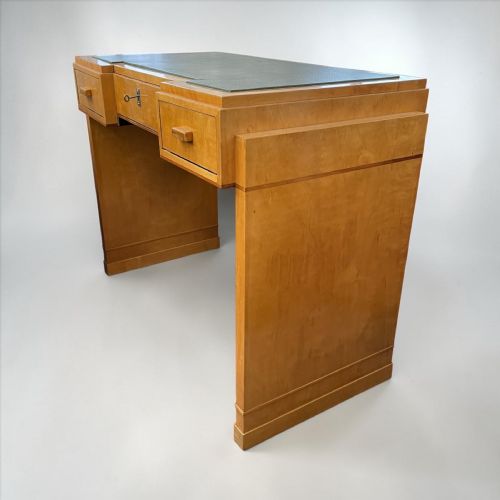
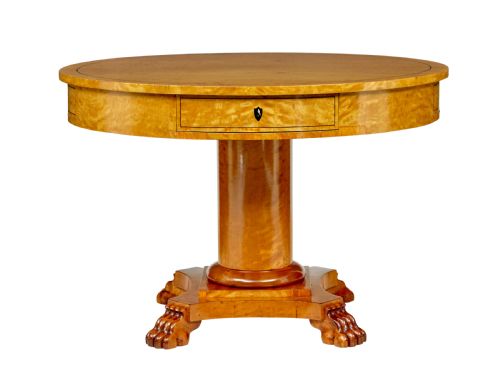
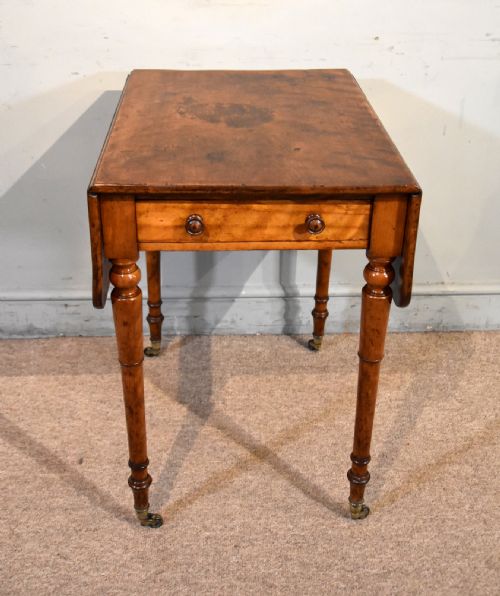
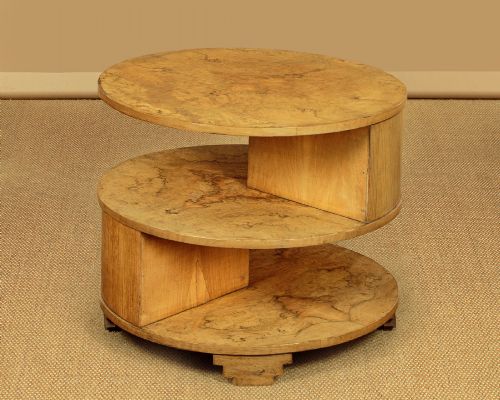
A birch wood table spans functional surfaces from Victorian writing desks and Pembroke tables to twentieth-century occasional, centre and coffee tables. You will encounter nineteenth-century Scandinavian tripod and oval tables alongside robust farmhouse and kneehole writing desks.
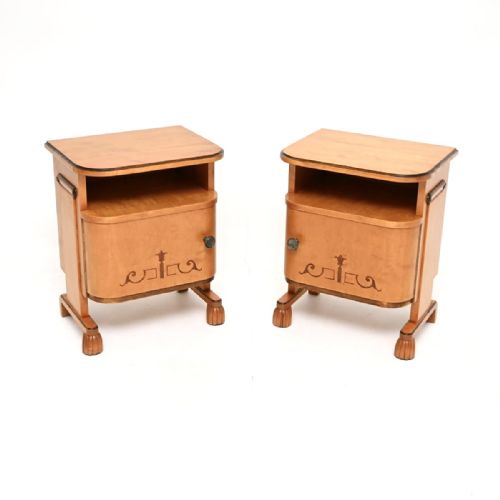
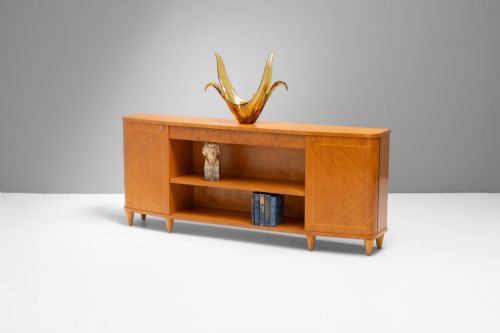
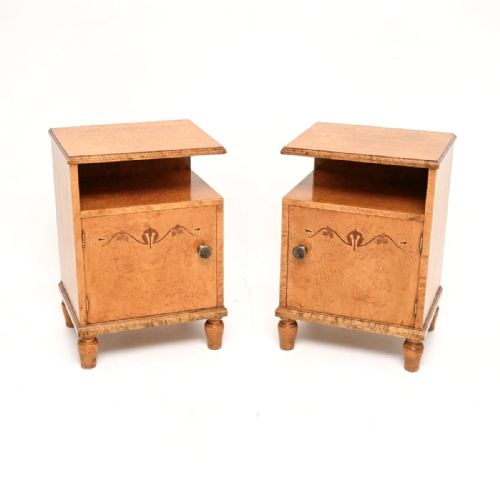
The selection ranges across distinct historical movements, featuring Victorian craftsmanship, Swedish Biedermeier, Empire Revival and Art Deco designs. These pieces serve as practical desks, bedside cabinets and grand centre tables in modern interiors.
Materials and Construction
Cabinet-makers utilise plain birch, satin birch and highly figured burr birch veneers laid over sturdy timber foundations. Artisans frequently integrate brass hardware, leather writing inserts, marble tops and contrasting ebonised wood to highlight the pale grain.
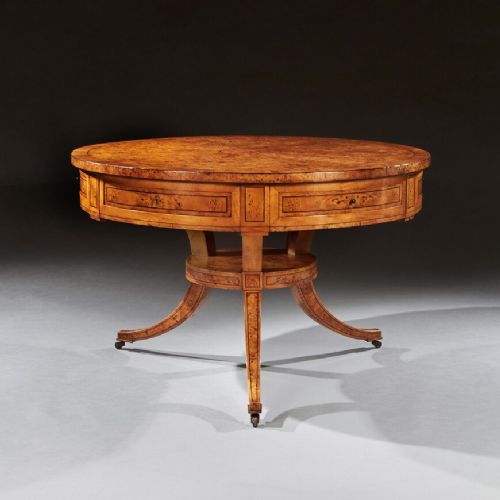
Construction techniques include precise marquetry inlay, tilt-top mechanisms, and pedestal or tripod supports. Workshops balance solid structural framing with decorative veneers to showcase the natural figuring of the wood.
Birch Wood Table Retail Price Guide 2026
Typical asking prices for birch wood table among the pieces listed under this phrase on Sellingantiques today, from the lower quarter to the upper quarter. They describe what is for sale here now, not the wider market.
Some nineteenth-century tables come with built-in tilt mechanisms, proving our ancestors loved saving floor space just as much as we do.
Evaluating the Wood and Design
Quality rests primarily in the visual depth of the timber figuring, where heavily burred or satin grain commands greater appreciation. The sophistication of the regional style, from restrained Swedish Biedermeier lines to geometric Art Deco forms, shapes the character of each surface.
Execution of secondary details, such as inlaid banding, fitted drawers and original leather inserts, distinguishes standard utilitarian items from masterworks. The integrity of the veneer and the weight of the underlying timber determine the lasting presence of the furniture.
William Birch·Heal and Son·Johnstone and Jeanes·Fortnum and Mason·Liberty of London
The Birch Wood Table Glossary
- Burr Birch
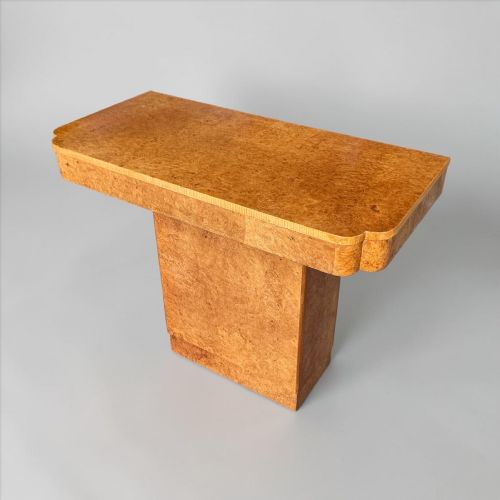
- Wood harvested from the growth excrescences of birch trees, yielding intricate, swirling patterns. This material appears frequently on the tabletops of nineteenth-century occasional pieces.
- Biedermeier
- A central European design style spanning the nineteenth century, known for clean lines and warm wood tones that let natural timber figuring take precedence.
- Pembroke Table
- A small, versatile table with hinged drop leaves on two opposing sides. These tables gained popularity for breakfast and writing use in the nineteenth century.
- Pedestal Desk
- A heavy writing table supported by two piers or columns of drawers flanking a central kneehole space. They often incorporate inset leather writing surfaces.
Birch Wood Table: Frequently Asked Questions
What periods do these tables represent?
The listings span from the mid nineteenth century through the Victorian era into early twentieth-century Art Deco and Swedish design movements. You will find items reflecting nineteenth-century Scandinavian craftsmanship alongside British Victorian cabinet-making.
Chronological markers include Empire Revival and Biedermeier influences, showing how makers adapted the pale wood across different decades and geographic regions.
How do I maintain satin birch furniture?
Keep these surfaces away from direct sunlight and excessive heat to prevent the timber from drying out or the delicate veneer from lifting. Regular dusting with a soft, dry cloth preserves the natural lustre of the wood.
Avoid chemical polishes and abrasive cleaners that can damage the historical finish or leather inserts found on many of the desks and tables.
Where were these tables made?
Many examples originate from Swedish workshops, where craftsmen specialised in utilising local birch and burr birch timbers for centre and occasional tables. Other pieces reflect British manufacturing traditions in London workshops and provincial cabinet-making hubs.
Regional distinctions appear in the hardware, inlay work and overall structural proportions between Scandinavian and British pieces.
How are different birch types distinguished?
Plain birch offers a consistent, pale golden tone with a straight and subtle grain. Satin birch exhibits a shimmering, chatoyant quality that reflects light across the surface.
Burr birch displays dense, swirling patterns formed by knots and imperfections in the growing tree, creating highly decorative surfaces on tabletops and cabinet fronts.