

Bevelled Glass Frame
A bevelled glass frame brings depth and captured light to a wall, holding mirrors or photographs with angled edges.
Bevelled Glass Frame
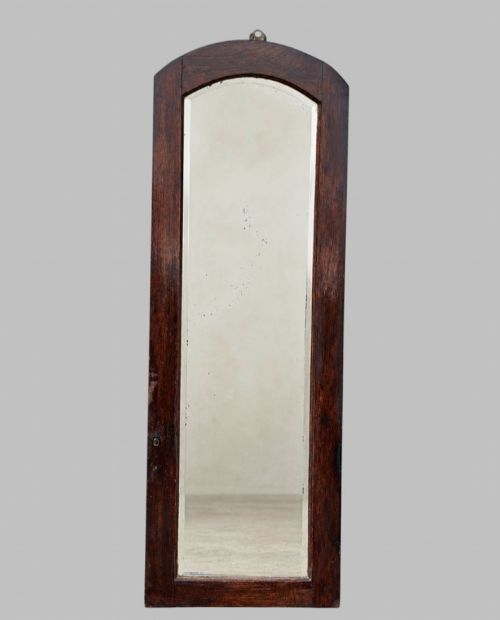
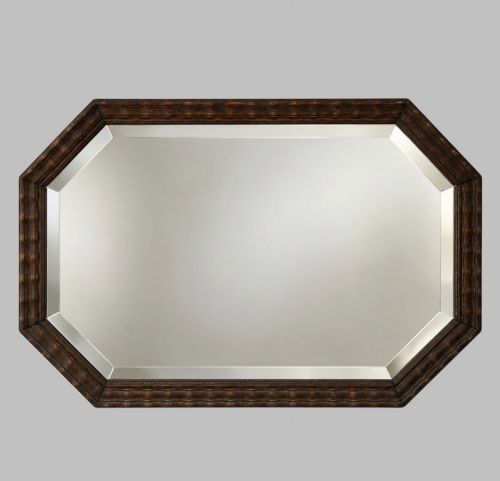
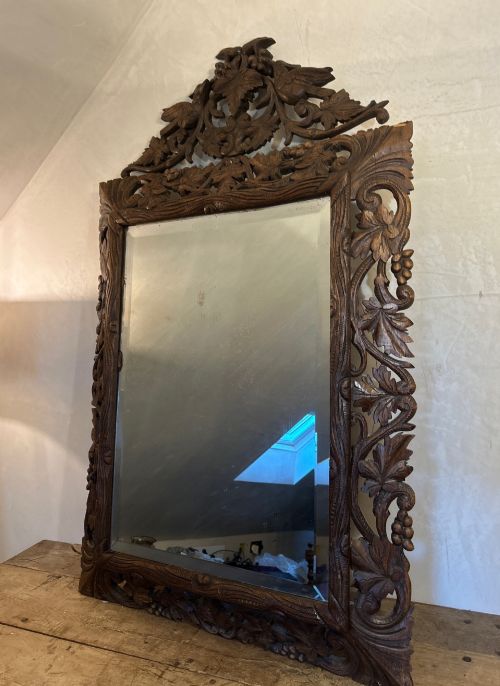
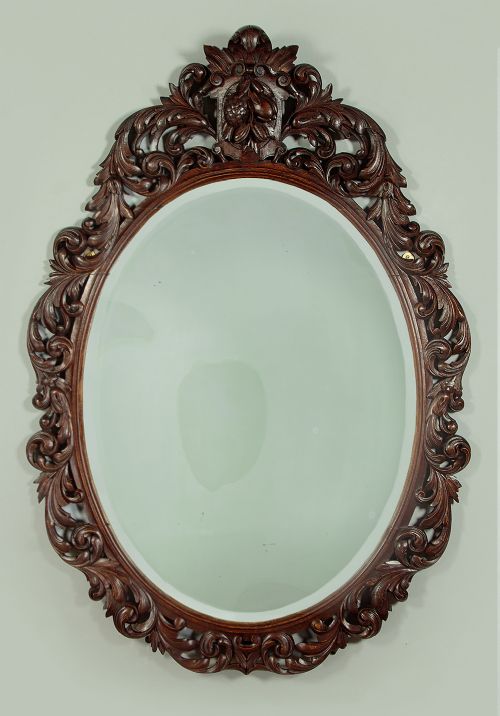
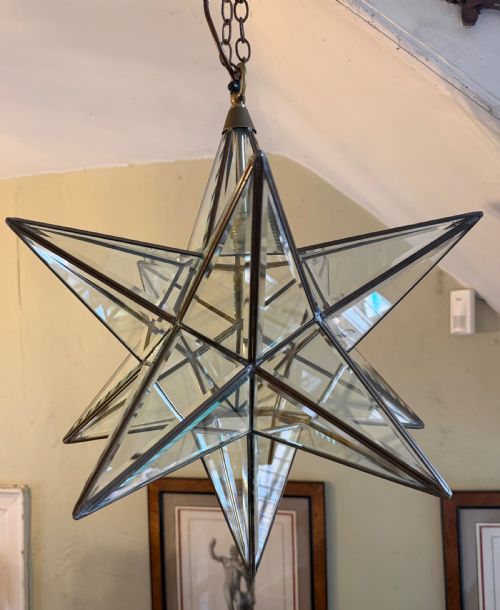
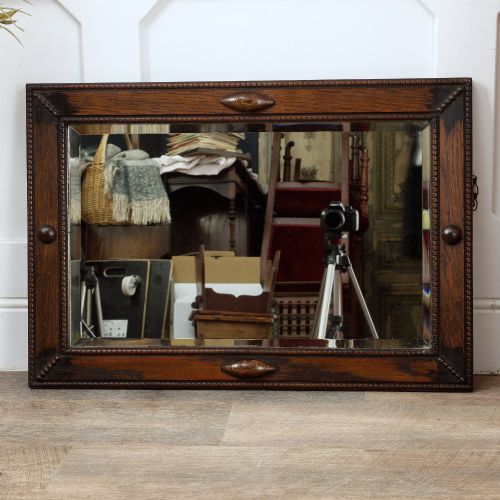
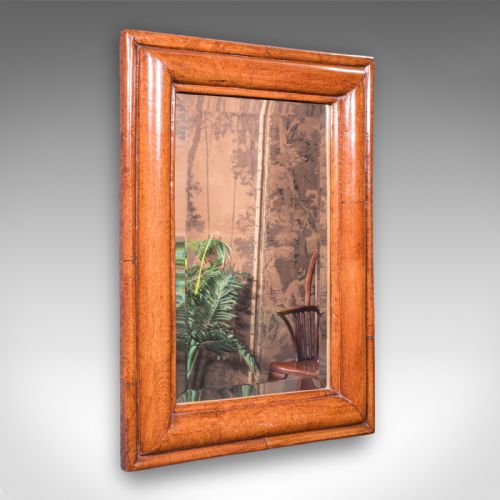
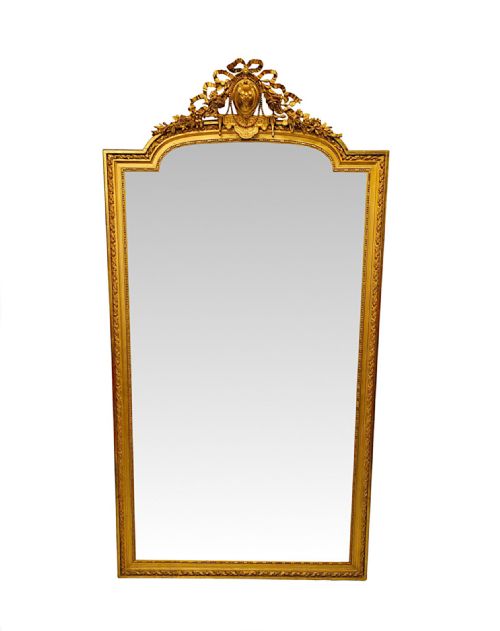
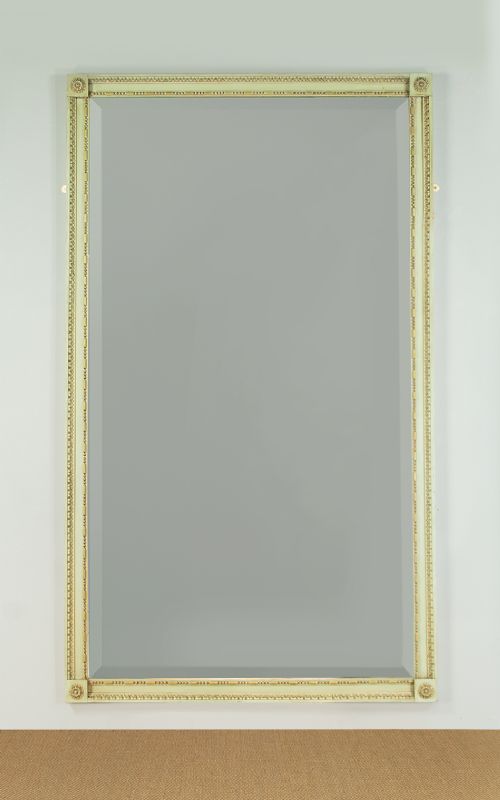
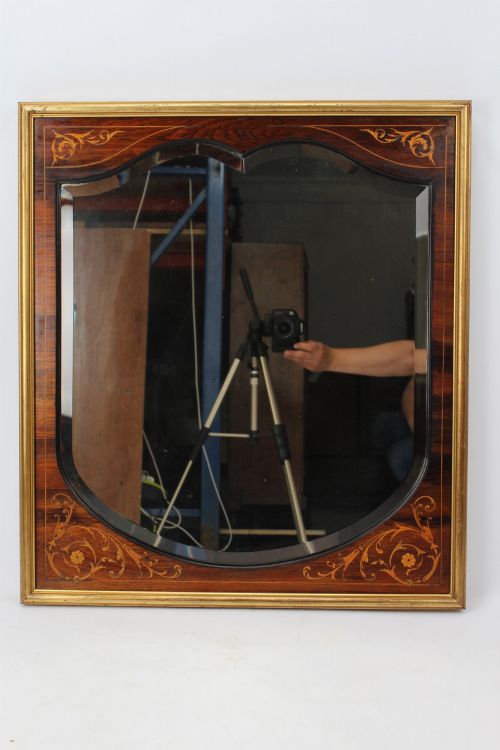
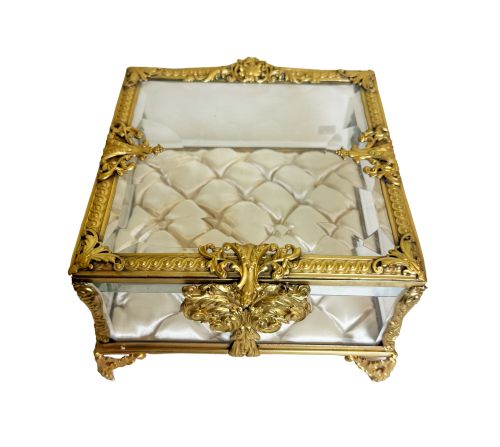
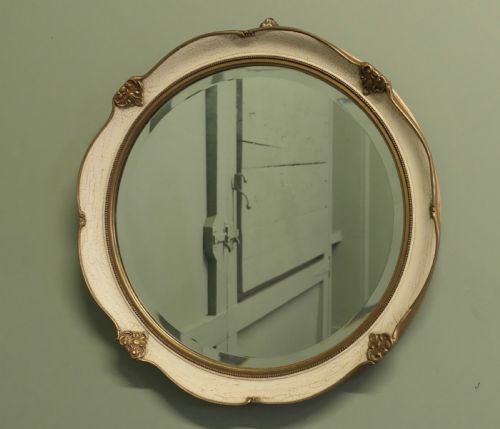
A bevelled glass frame structures plates of glass and mirrors where the outer perimeter is precisely angled back toward the edge, creating a secondary reflective border. You will most frequently meet wall mirrors, overmantles, and dressing table mirrors shaped by this technique.
The objects span from the Victorian and Edwardian eras into the Art Deco period, rendered in styles such as Rococo Revival, Arts and Crafts, and Venetian. They serve primarily as functional looking glasses or decorative picture housings within hallways, reception rooms, and boudoirs.
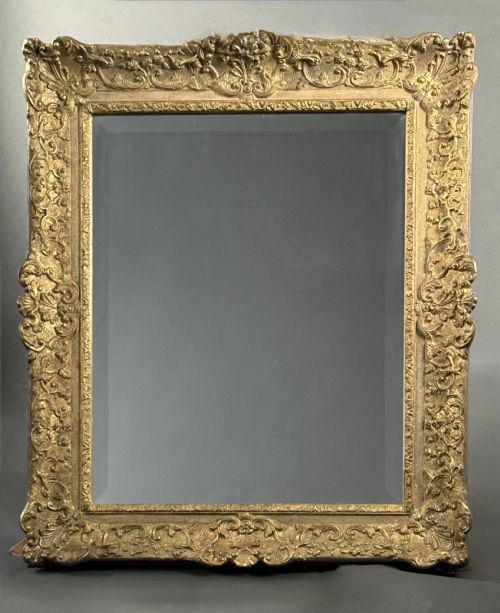
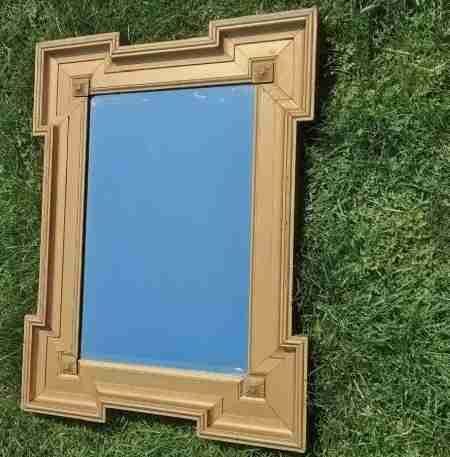
Many examples combine the glass plate with carved oak, walnut, rosewood, or elaborate gilt gesso and brass mounts. Their proportions range from small tabletop photo housings to large architectural overmantles designed to command a room.
How they were made
Makers ground and polished the edges of thick glass plates against abrasive wheels to produce the characteristic sloping bevel, catching light at an oblique angle before silvering the reverse. This technique required considerable manual dexterity to maintain a uniform gradient across large surfaces.
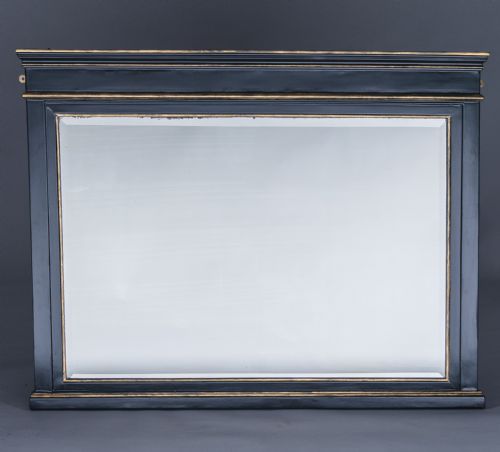
Frames themselves combined traditional cabinetmaking in oak, mahogany, walnut, and rosewood with applied surface decorations in gesso, gold leaf, and cast brass. Carved wooden mouldings, marquetry inlays, and ebonised finishes provided sturdy structural housing for the heavy glass plates.
Materials across these listings span oak, brass, giltwood, rosewood, and walnut, paired with bevelled glass plates from the nineteenth and early twentieth centuries.
What varies in quality
The distinction between standard examples and superior pieces rests on the depth and hand-ground precision of the glass bevel, alongside the crispness of the surrounding timber carving or gesso moulding. Heavier, older mercury silvering and original cast brass or bronze fittings indicate higher workshop standards.
Integrity of construction defines the upper tier, where frames retain their original backing boards, gilt leaf, and structural joinery without modern replacements. The harmony between the decorative style - whether Art Nouveau, French Rococo, or clean-lined Deco - and the execution of the glass plate determines the overall success of the piece.
Waring and Gillow
The Bevelled Glass Frame Glossary
- Bevel
- The angled edge ground along the perimeter of a glass plate. This process softens the profile and refracts ambient light inwards.
- Gesso
- A plaster-like mixture applied to wood frames and carved or gilded. It provides a smooth base for gold leaf and intricate decorative motifs.
- Overmantle
- A large mirror designed to hang directly above a fireplace mantelpiece. These pieces frequently feature wide wooden or gilt frames to anchor large reception rooms.
- Pier mirror
- A tall, narrow mirror created to fit the wall space between windows. They often sat above matching console tables in Victorian and Edwardian interiors.
- Mercury glass
- An early type of double-walled glass blown with a silvering mixture between the layers. It produces a mottled, deep reflection typical of older French and English mirrors.
Bevelled Glass Frame: Frequently Asked Questions
How do I clean a bevelled glass frame?
Use a soft, lint-free cloth with mild soapy water applied to the glass, taking care to avoid harsh chemical cleaners that can damage vintage silvering.
Keep moisture away from the wooden or gesso frame surrounds and any exposed backing boards to prevent warping or rot.
Where should I hang an overmantle mirror?
Position the piece centrally above a fireplace mantelpiece at a height that allows it to reflect the upper portion of the room and natural light.
Ensure the wall fixings match the substantial weight of both the heavy glass plate and the wooden or gilt frame structure.
What is foxed glass?
Foxing refers to the natural ageing process where the reflective silver backing degrades over time, creating dark spots or patches within the glass.
Many collectors prize this characteristic because it proves the antiquity and originality of the mirror plate.
Can I use a dressing table mirror on a desk?
These pivoting or triptych mirrors adapt readily to modern desks or sideboards for daily grooming or decorative display.
Check the stability of the side pivots and base supports to ensure the frame remains secure at your chosen angle.