

Bentwood Hat and Coat Stand
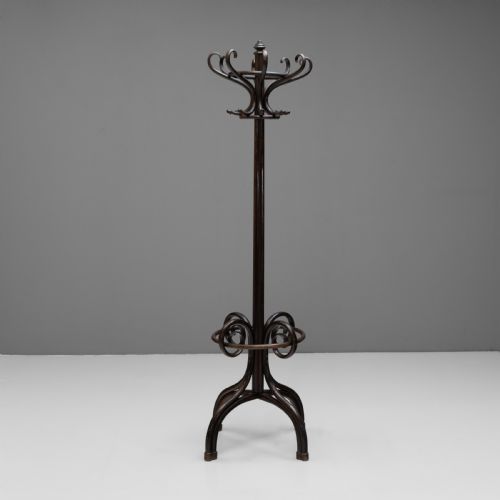
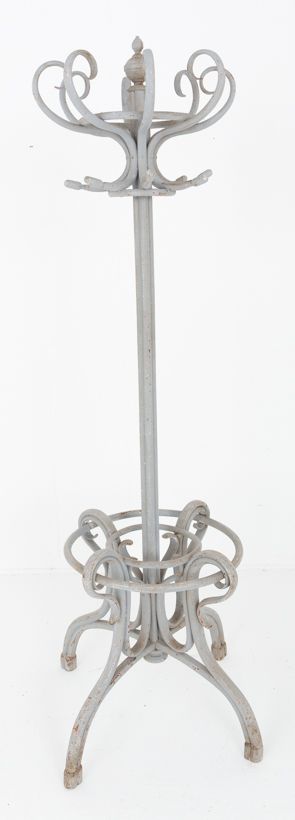
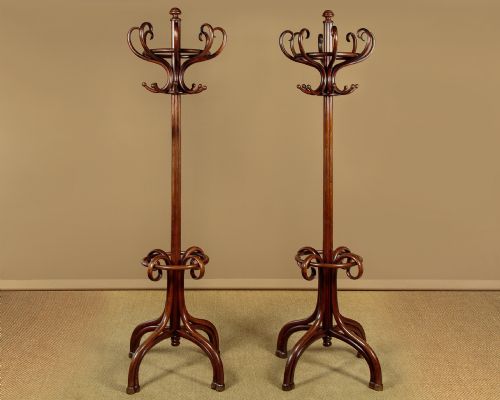
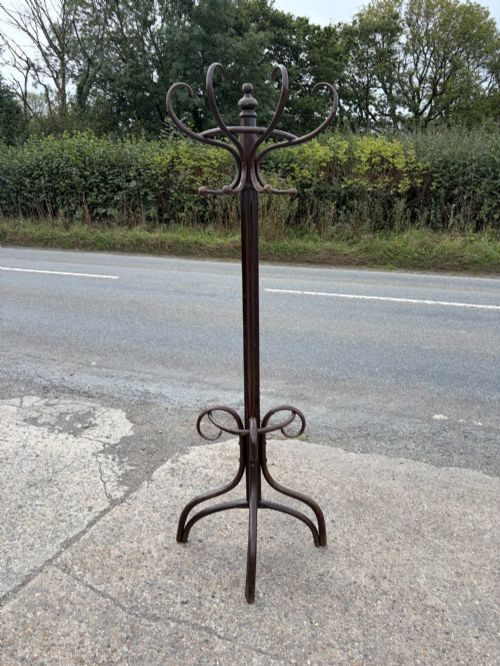
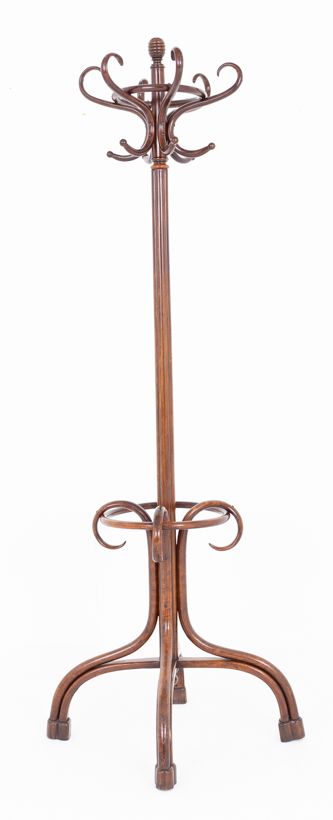
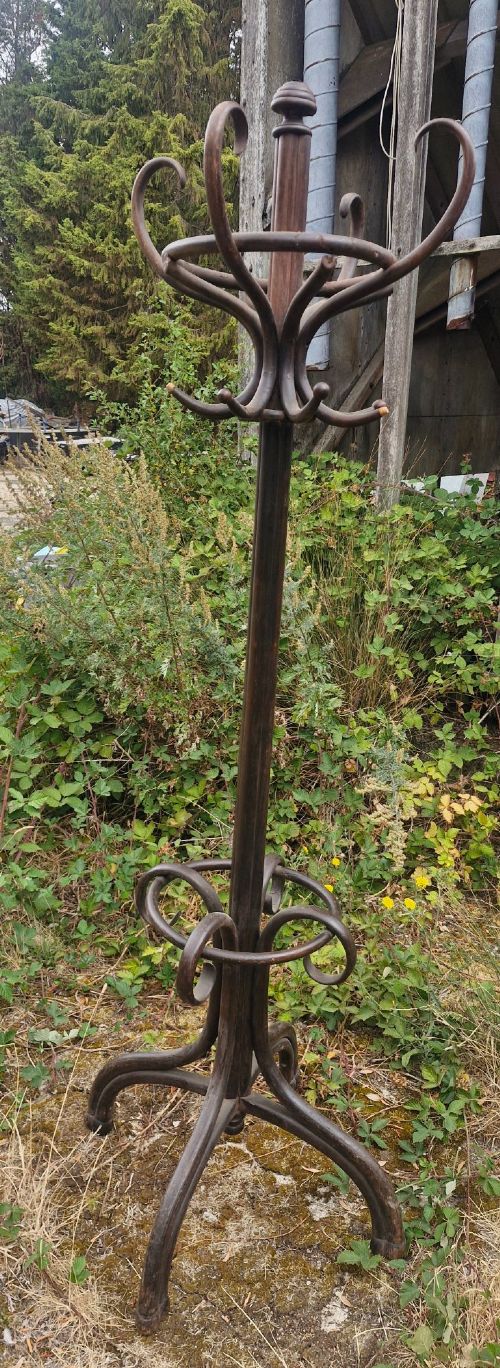
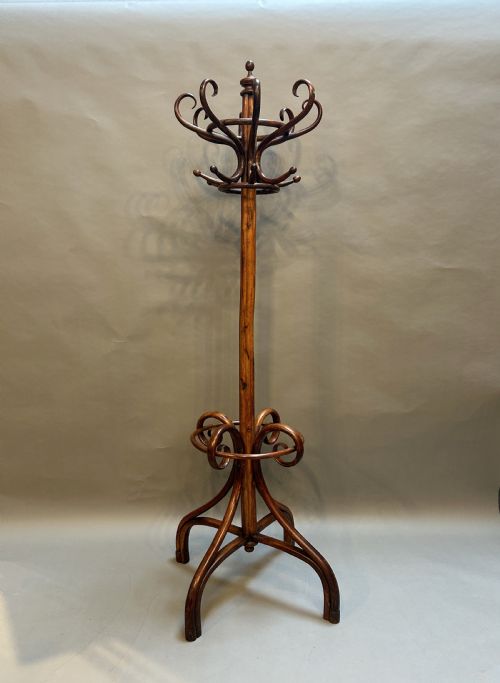
A bentwood hat and coat stand brings light, curved utility into a hallway, offering vertical storage through steam-shaped timber.
Bentwood Hat and Coat Stand
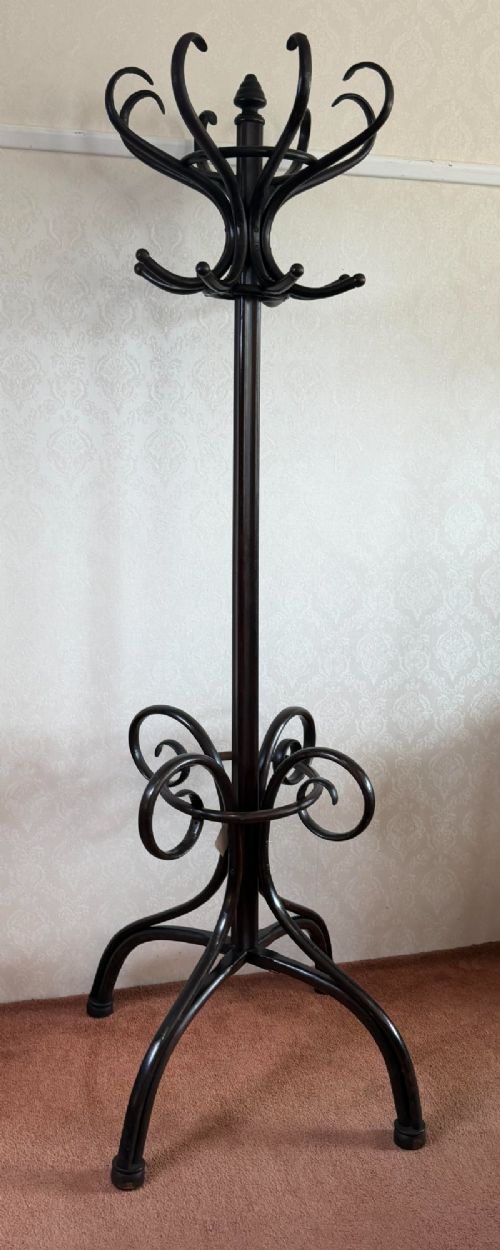
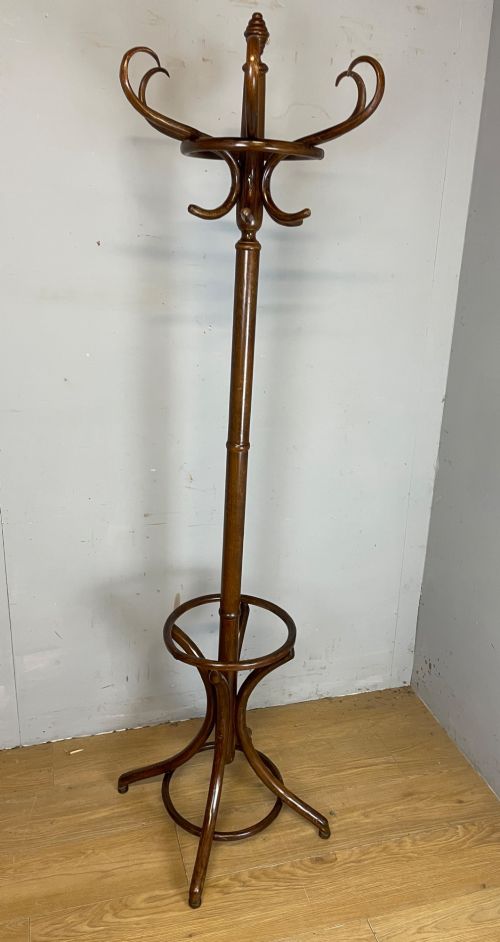
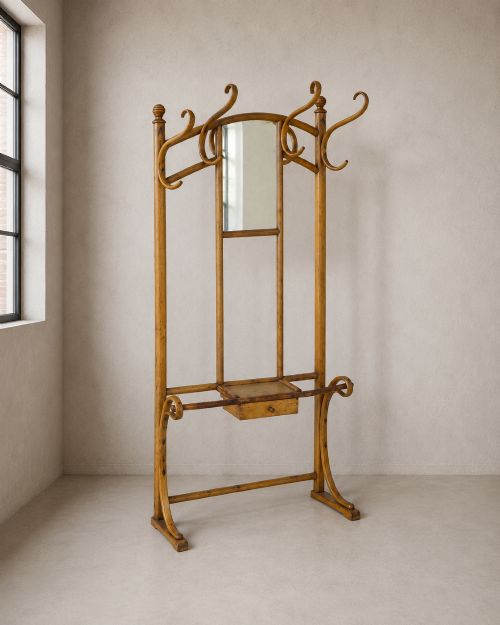
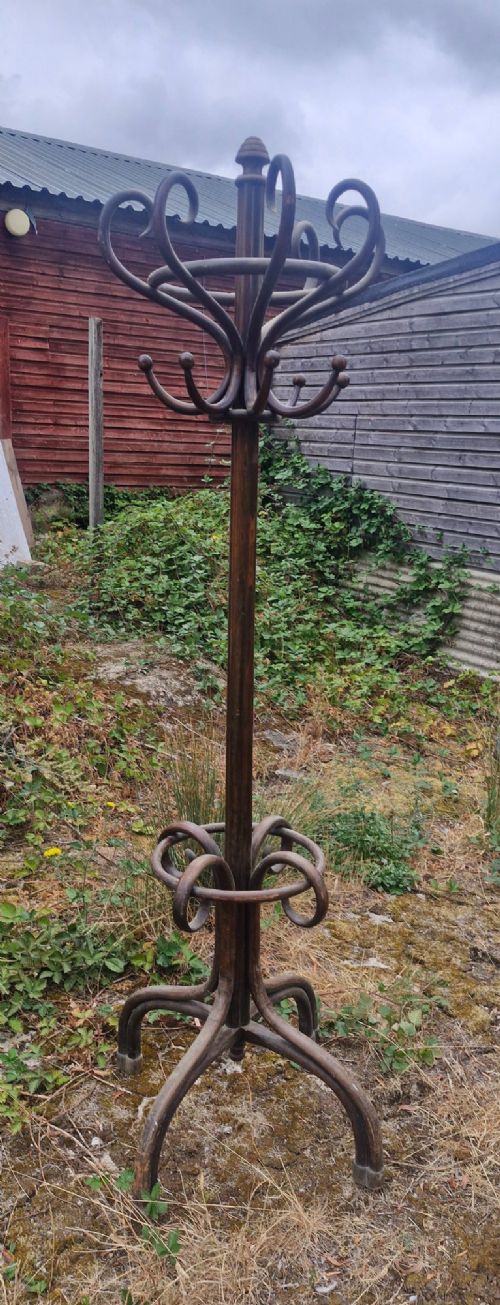
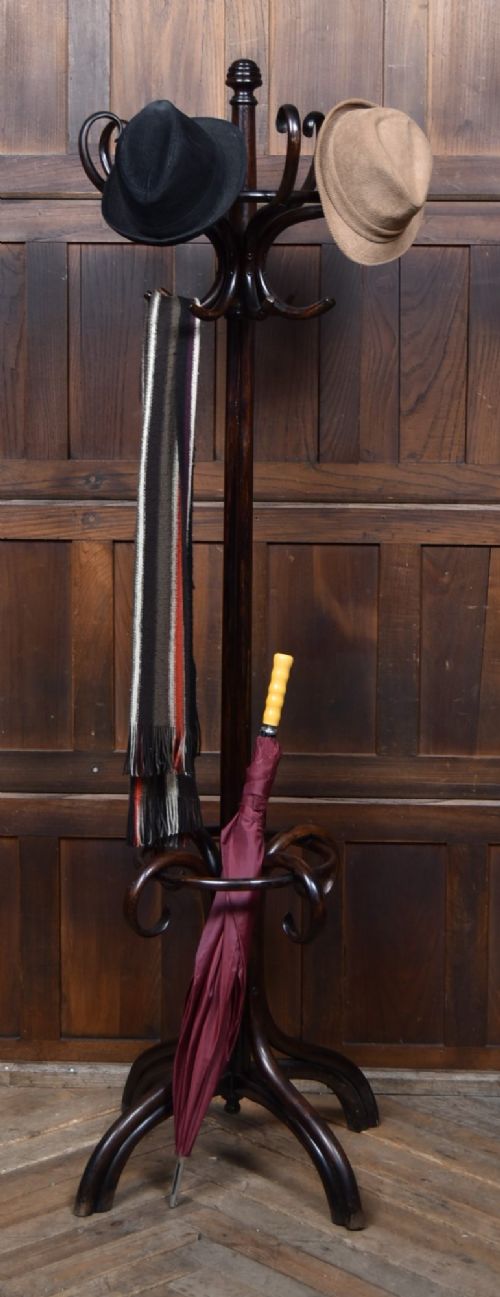
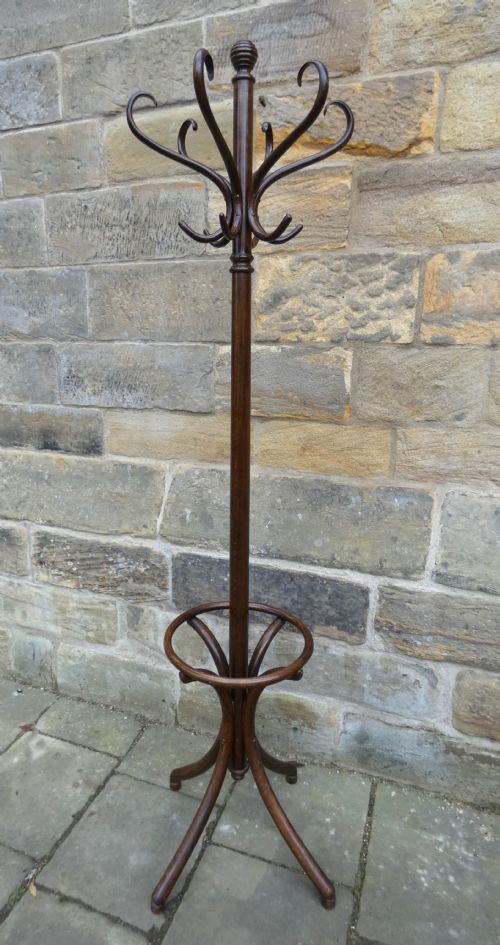
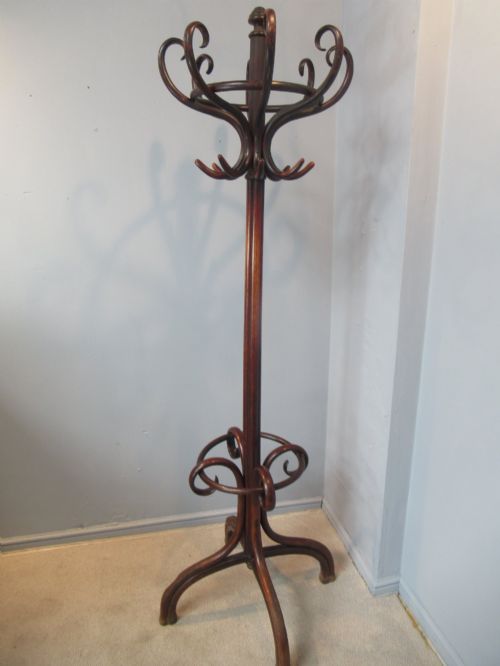
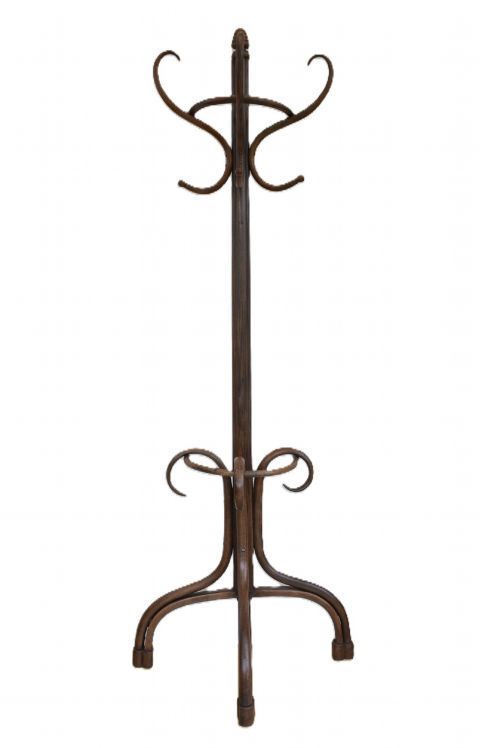
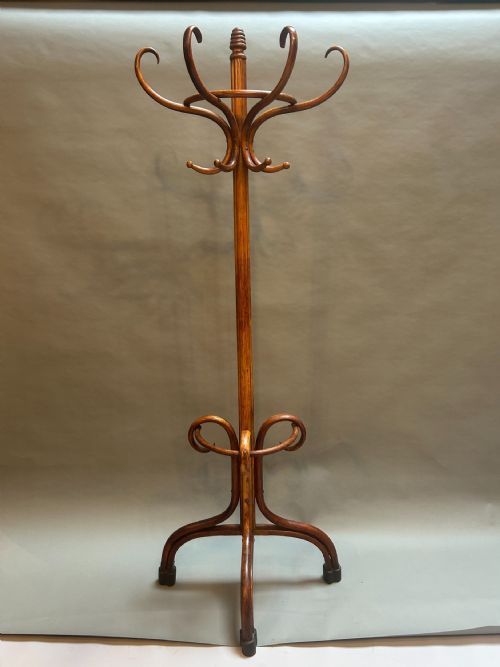
A bentwood hat and coat stand is an upright hall piece designed to hold garments, headwear and umbrellas in a compact footprint. These items range from Victorian and Edwardian examples to pieces from the 1920s and 1930s.
The version most commonly met on this page is the freestanding floor model, often featuring multiple tiers of curved hooks and circular rails. Variants include half-round demi-lune designs and revolving formats that make garment selection straightforward.
Originating largely from Austrian and Thonet traditions, these pieces utilise steam-formed wood to create sweeping architectural lines. They serve as practical hallway furniture while displaying the sculptural potential of bent timber.
How they were made
Makers shaped solid timber using moisture and heat, placing straight lengths of beech and beechwood into steam boxes until pliable. Once softened, workers pulled the wood against metal straps and iron formers to create tight curves without snapping the grain.
Individual components like rings, legs and scrolled hooks were then assembled using screws, bolts and internal metal rods for rigidity. Many surfaces received a coat of wood stain or honey-coloured finish to highlight the natural grain of the steamed beechwood.
Bentwood Hat and Coat Stand Retail Price Guide 2026
Typical asking prices for bentwood hat and coat stand among the pieces listed under this phrase on Sellingantiques today, from the lower quarter to the upper quarter. They describe what is for sale here now, not the wider market.
Listings span the Victorian era through the 1930s, featuring beech, stained wood and glass elements across Austrian and Thonet styles.
What varies in quality
The standard of a bentwood hat and coat stand depends on the complexity of the frame and the retention of its original finish. Pieces featuring revolving top sections or double tiers demand greater joinery precision than simple single-ring designs.
Maker attribution elevates certain examples, particularly those bearing the stamps or distinct design traits associated with Thonet or Fischel. The crispness of the curved scrolls and the stability of the heavy central pillar further separate standard production from finer workshop outputs.
Thonet·Fischel
The Bentwood Hat and Coat Stand Glossary
- Bentwood
- Wood that has been shaped by the application of steam and pressure. This technique allows for continuous flowing curves without traditional joints.
- Beech
- A hard, dense timber with a fine grain structure. It takes steam bending exceptionally well, making it the primary material for these stands.
- Demi-Lune
- Half-moon shape. Hall stands in this profile sit flush against a wall to save floor space.
- Revolving
- Turning on an axis. Rotating top sections allow users to access hanging garments from every angle.
- Thonet Style
- Furniture manufactured using the steam-bent beech techniques pioneered by Michael Thonet. It defines the aesthetic of late nineteenth and early twentieth-century bentwood.
Bentwood Hat and Coat Stand: Frequently Asked Questions
How do I stabilize a wobbly stand?
Most movement stems from loose internal bolts or screws hidden beneath the base or connecting joints. Tightening these fixings usually restores rigidity.
Avoid over-tightening metal hardware into aged timber, as this can strip the surrounding wood grain.
Can these stands support heavy winter coats?
These pieces are engineered to hold typical garments, hats and umbrellas across their scrolled upper tiers. Distributing weight evenly around the stand prevents undue strain on individual hooks.
Heavy wet coats are best placed on lower hooks to maintain the overall centre of gravity.
How do I date a bentwood stand?
Dating relies on construction methods, hardware types and stylistic markers like Art Nouveau flourishes. Pieces marked with manufacturer paper labels or stamps help narrow the production era.
Victorian and Edwardian iterations often feature heavier turned wooden bases compared to later 1930s variations.
Where should I place a hall stand?
Position these items in entryways or hallways where their vertical profile provides accessible storage without blocking walkways. Wall-standing designs and half-round versions suit tighter corridors.
Keep them away from direct heat sources to prevent the steamed beech from drying out or splitting.