




Belouch Tribal Carpet
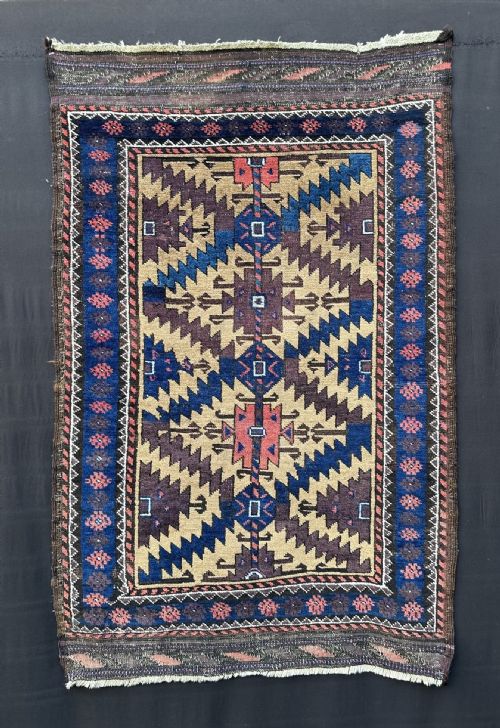
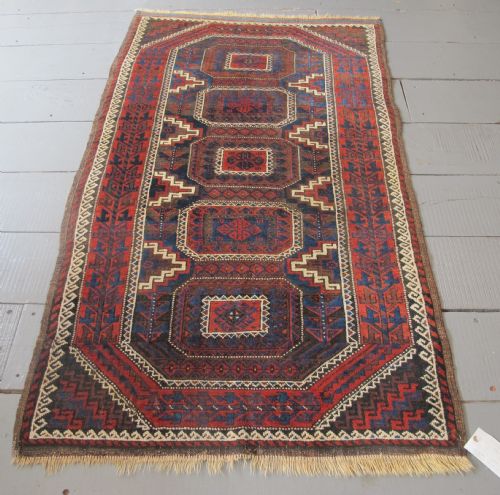
These belouch tribal carpet examples bring rich nomad history and striking geometric patterns straight into a room.
Belouch Tribal Carpet
When you search for a belouch tribal carpet, you are looking at hand-knotted nomad textile art originating from the borderlands of Persia. The examples on this page span from the late nineteenth century into the early decades of the twentieth century, capturing traditional weaving practices.
The forms you are most likely to meet here include small rugs, area rugs, prayer rugs, and specialised pieces such as birdbag textiles. These items showcase regional tribal identities through distinctive patterns like latch hook medallions and calyx lattice designs.
Originating largely from East Persia, Ferdows Province, and Khorasan, these works reflect the nomadic lifestyle of their makers. They serve as functional floor coverings that double as striking decorative statements.
How they were made
The construction of a belouch tribal carpet relies heavily on natural materials sourced directly from pastoral life. Weavers utilised wool, camel hair, and goat hair alongside cotton foundations to create durable, resilient textiles designed to withstand daily nomadic use.
Hand-weaving techniques ensure each piece possesses individual character, from the tight knotting of the pile to the selection of fibre blends. The inclusion of camel hair often provides a distinctive warm ground colour and a soft, lustrous texture.
Some weavers included tiny accidental asymmetry in their repeating borders to ward off evil spirits.
What varies in quality
Quality in a belouch tribal carpet is determined by the fineness of the weave and the crispness of the geometric motifs. Tighter knot counts and balanced proportions separate the finest workshop or tribal output from simpler utility pieces.
The integrity of the natural materials and the preservation of the pile significantly influence the overall standard. Examples retaining original borders and uniform wear demonstrate superior structural longevity.
The Belouch Tribal Carpet Glossary
- Prayer rug
- A small textile featuring a mihrab or arch design intended for personal devotion. These rugs often display specific directional patterns.
- Latch hook
- A geometric motif resembling a hook, commonly repeated within medallions or borders. It is a defining design element in tribal weaving.
- Calyx lattice
- A repeating network pattern resembling flower calyxes that structures the field of the rug. This design creates a formal yet balanced composition.
- Birdbag
- A small tribal bag or trapa featuring stylised avian or geometric motifs. These functional items were utilised for storage during nomadic migrations.
Belouch Tribal Carpet: Frequently Asked Questions
Where were these rugs made?
These textiles originate from East Persia, including the Ferdows Province and Khorasan regions. They were produced by nomadic and village weavers living along the borderlands.
Production spanned the late nineteenth century and the early twentieth century, reflecting distinct regional styles within tribal traditions.
What materials are used in them?
The primary material is wool, often combined with camel hair and goat hair for specific piles or foundations. Cotton also appears in the construction of these rugs.
These natural fibres provide the durability and varied textures characteristic of genuine nomad weaving.
How do I style a tribal rug?
These smaller rugs suit placement in hallways, studies, or as accent pieces in larger living spaces. Their rich earth tones and geometric designs anchor contemporary and traditional interiors alike.
Allowing sufficient surrounding floor space highlights the intricate borders and medallion patterns without cluttering the room.
How do I date these pieces?
Dating relies on stylistic analysis, material composition, and structural wear consistent with nineteenth and early twentieth-century production. Examining the natural dyes and hand-spun wool helps distinguish older periods.
Records show examples dating from the 1870s through to the 1920s, each bearing markers of its specific era.