

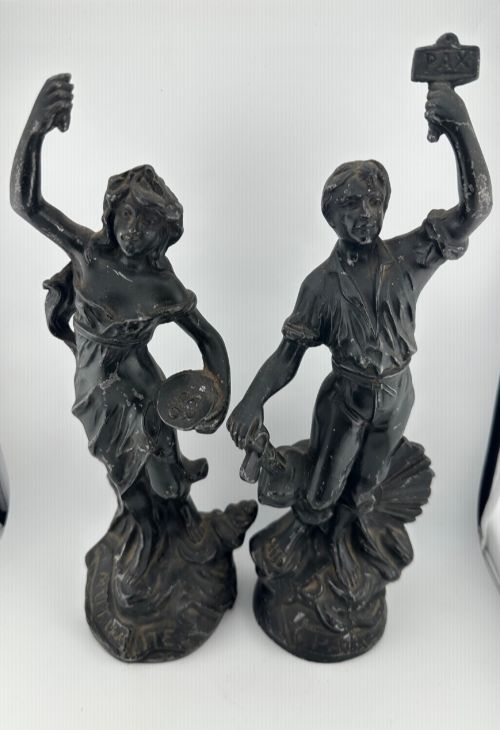
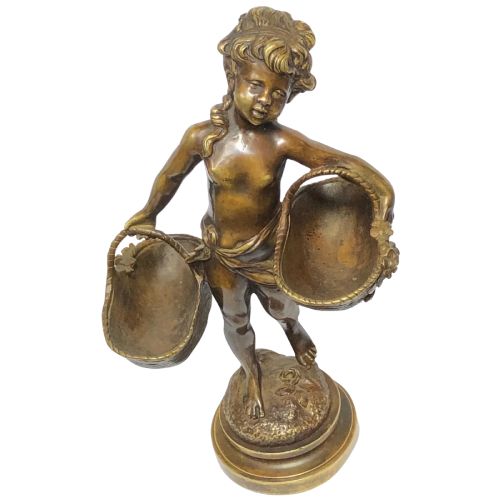


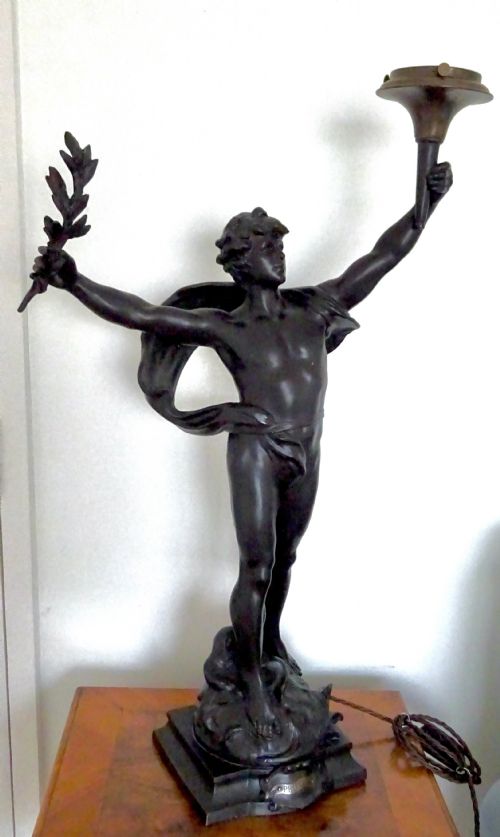


Belle Epoque Bronze Figure
A belle epoque bronze figure captures the elegance of turn-of-the-century Parisian sculpture, bringing theatrical grace and fine foundry work straight into your interior.
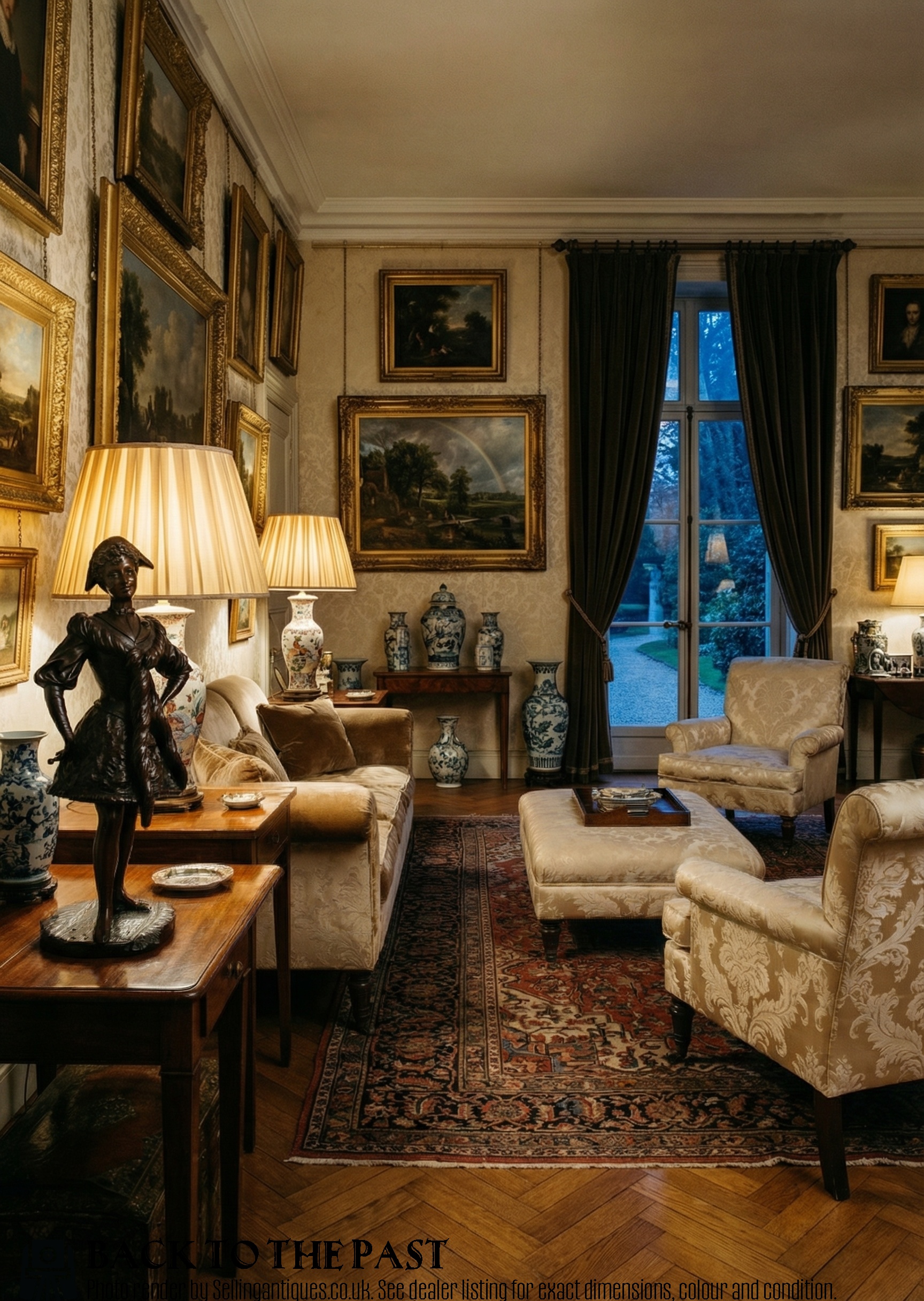
Belle Epoque Bronze Figure
When you search for a belle epoque bronze figure, you encounter sculptural works that span the late nineteenth century into the early twentieth century. These pieces encompass depictions of elegant ladies, young women, and costume figures originating primarily from French studios.
The selections on this page appear across various functional and decorative forms, including standalone sculptures, busts, table lamps, and mantel clocks. Many items combine cast metal with marble bases or ormolu mounts, reflecting the stylistic shift toward Art Nouveau aesthetics.
You are most likely to meet sculptures and figural table lamps bearing dates from around eighteen-eighty to nineteen-ten. The period encompasses Victorian, Edwardian, and Belle Epoque eras, uniting classical portraiture with flowing, organic lines.
How they were made
Many works incorporate multi-media elements, mounting cast figures onto carved marble plinths or integrating functional lamp fittings and ormolu details. Surfaces were treated with patination or painted highlights to create depth, tonal variation, and texture across the garments and hair.
Belle Epoque Bronze Figure Retail Price Guide 2026
Typical asking prices for belle epoque bronze figure among the pieces listed under this phrase on Sellingantiques today, from the lower quarter to the upper quarter. They describe what is for sale here now, not the wider market.
Listings feature works from the Victorian and Edwardian periods, utilising bronze, spelter, marble, and ormolu.
What varies in quality
The standard of a casting separates standard decorative production from the finest studio output. Superior examples display crisp chasing in the metal, where individual strands of hair and folds of fabric remain sharp rather than softened by worn moulds.
Material combination and patination depth also define the gradation within these sculptures. Higher quality works feature rich, stable patinas and well-fitted marble bases, whereas lesser pieces rely on simpler patination and lighter base materials like spelter.
L & F Moreau·Georges Van Der Straeten·Sylvain Kinsburger·Claudius Marioton·G.V. Vaerenbergh·Adrien Gaudez·Eutrope Bouret
The Belle Epoque Bronze Figure Glossary
- Belle Epoque
- A period of French history lasting from the late nineteenth century until the First World War, noted for optimism, peace, and artistic innovation. This era produced the characteristic figurative sculptures and decorative arts seen here.
- Patinated bronze
- Bronze that has been treated with chemical solutions to produce a specific surface colour or finish. This process protects the metal and enhances the sculptural details.
- Spelter
- A zinc alloy commonly used as a cost-effective substitute for bronze in nineteenth-century manufacturing. It is lighter in weight and softer than true bronze.
- Ormolu
- Gilded bronze ornamentation applied to furniture, clocks, and sculptures. The technique involves coating metal with a finely ground mercury and gold amalgam.
- Art Nouveau
- An international style of art and architecture characterised by intricate linear designs and flowing organic shapes inspired by natural forms.
Belle Epoque Bronze Figure: Frequently Asked Questions
What is a belle epoque bronze figure?
It is a decorative sculpture produced in France around the turn of the twentieth century, typically depicting human figures in expressive poses.
These works reflect the artistic tastes of the period, combining classical figurative traditions with emerging Art Nouveau decorative styles.
How do I identify bronze from spelter?
Bronze is heavier, colder to the touch, and rings with a distinct tone when tapped lightly, whereas spelter feels softer and lighter.
Examining the underside or areas of wear often reveals the paler grey metal beneath a surface patina on spelter items.
Where were these figures displayed originally?
They sat upon mantelpieces, occasional tables, and large pedestals within bourgeois drawing rooms and formal Parisian salons.
Many doubled as functional objects such as table lamps and mantel clocks, serving both decorative and practical roles in the home.
How should I clean my bronze figure?
Dust the surface gently with a soft, dry cloth to prevent the accumulation of grit within the recessed details of the patination.
Avoid using abrasive cleaning agents, polishes, or water, as these can strip the original chemical finish from the metal.