




Belgian Cut Glass
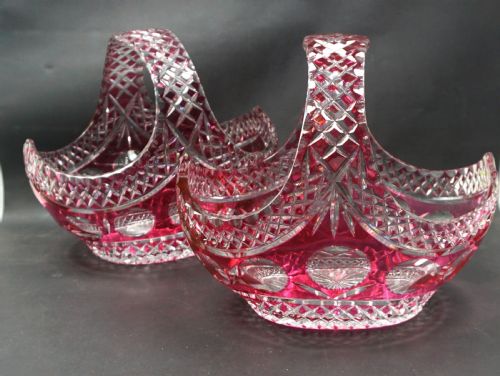
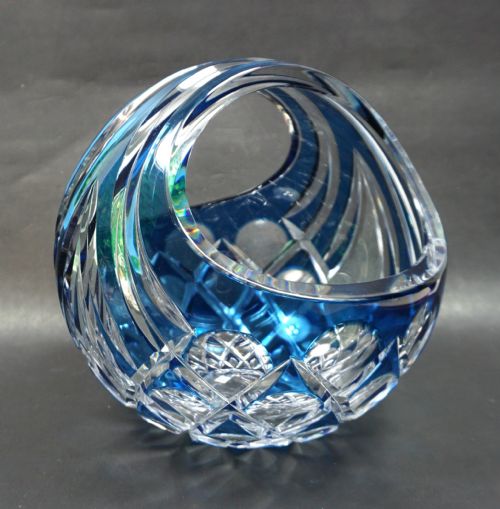
These heavy, coloured belgian cut glass pieces bring vibrant Art Deco geometry and layered brilliance to a room.
Belgian Cut Glass
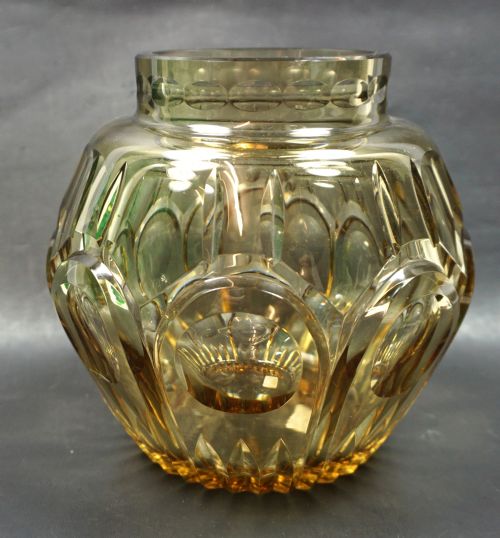
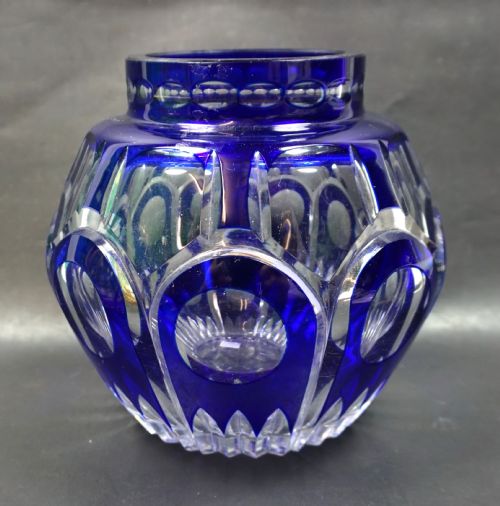
When you search for belgian cut glass, you are looking at substantial vessels created during the early twentieth century. These objects include vases, decorative bowls, and baskets originating from Belgium during the nineteen-thirties.
The version you are most likely to meet on this page is the cased or overlay glass vessel, particularly those bearing the designs of prominent makers from the period. They arrive in striking shades of red, blue, green, and topaz.
Art Deco styling dictates the geometric cuts and forms of these items. Each piece demonstrates the heavy lead content and precise optical clarity characteristic of European glassworks from the interwar era.
How they were made
The production of these items relies on cased or overlay techniques, where a layer of coloured glass fuses over a clear crystal base. Artisans then cut deeply through the outer coloured stratum to reveal the transparent crystal underneath, creating bold optical contrast.
Makers utilised heavy lead crystal and crystal glass to achieve substantial weight and brilliant refraction. Skilled hands shaped the molten material into vases and baskets before applying wheel-cut geometric patterns across the exterior.
Materials across these listings exclusively feature lead crystal, cased glass, and overlay glass in solid primary and earthy tones.
What varies in quality
Depth and precision of the wheel-cut facets separate the finer examples from simpler production. Crisp lines that catch the light effectively indicate superior craftsmanship during the cutting process.
The richness and saturation of the coloured overlay layer also determine the visual impact of the vessel. Heavier cased walls and clean colour transitions demonstrate higher standards of glasshouse execution.
Val St. Lambert·Joseph Simon·Charles Graffart
The Belgian Cut Glass Glossary
- Cased Glass
- Glass formed with two or more distinct layers of different colours fused together during blowing. This technique allows cutters to carve through the outer skin to expose the contrasting layer beneath.
- Lead Crystal
- Glass containing a high percentage of lead oxide, which increases weight, brilliance, and workability. This material allows for deeper and sharper facets during the cutting process.
- Overlay Glass
- A synonym for cased glass where a coloured layer sits permanently over a clear or contrasting body. It forms the foundation for multi-toned decorative glass objects.
- Art Deco
- The dominant design style of the nineteen-thirties characterised by sleek geometric shapes and stylised motifs. This aesthetic heavily influences the faceted patterns found on these vessels.
Belgian Cut Glass: Frequently Asked Questions
What is belgian cut glass?
These objects are heavy crystal vessels produced in Belgium during the interwar period. They typically feature layered colours cut away to reveal clear crystal beneath.
Most items seen here date from the nineteen-thirties and display distinct Art Deco geometric styling.
How do I identify these pieces?
Look for heavy lead crystal construction combined with vibrant coloured glass overlays in shades like blue, green, red, and topaz. Deep wheel-cut facets are characteristic.
Certain examples also retain original factory marks from the period to confirm their origin.
How were these objects used?
These vessels served primarily as decorative table pieces, centrepieces, and floral displays for wealthy interwar interiors. Their substantial weight suited holding fresh stems.
Today they function mainly as decorative display objects that capture and refract natural light.
How do I care for my glass?
Wash these items gently by hand using lukewarm water and mild soap to protect the polished surface. Avoid sudden temperature changes to prevent stress fractures.
Keep them away from direct, harsh sunlight for prolonged periods to maintain the depth of the coloured overlay.