
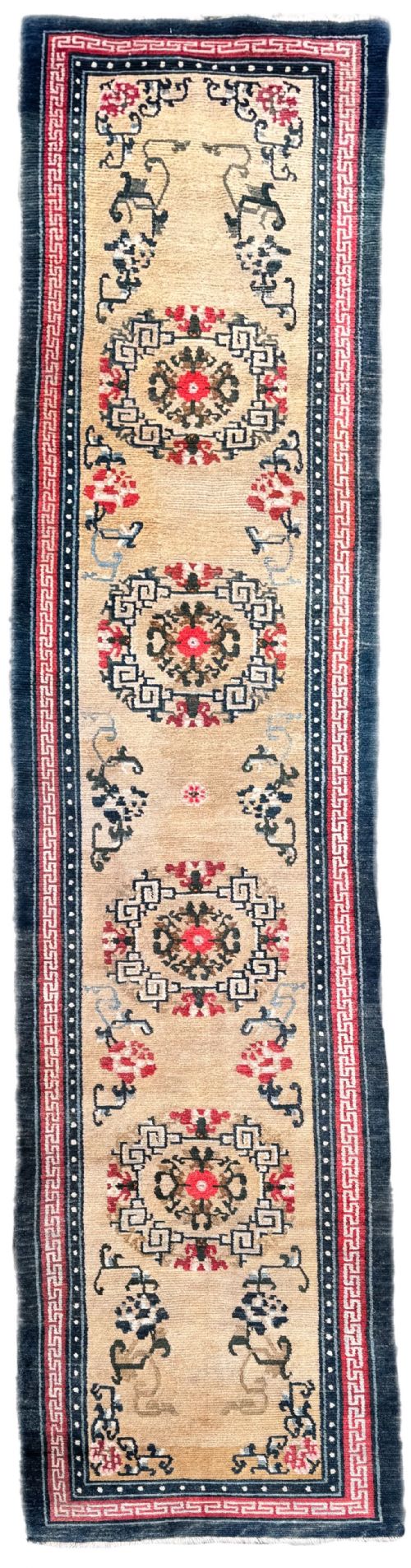
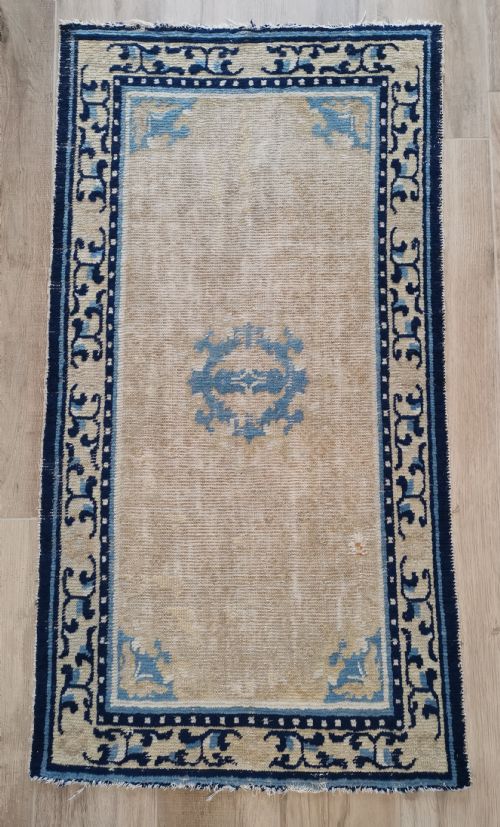
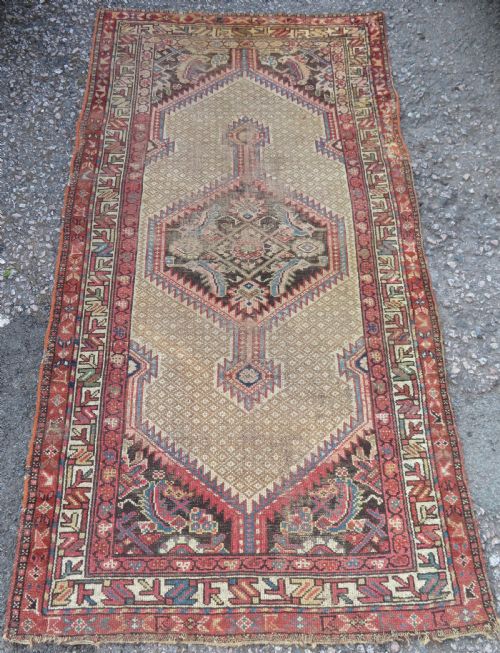
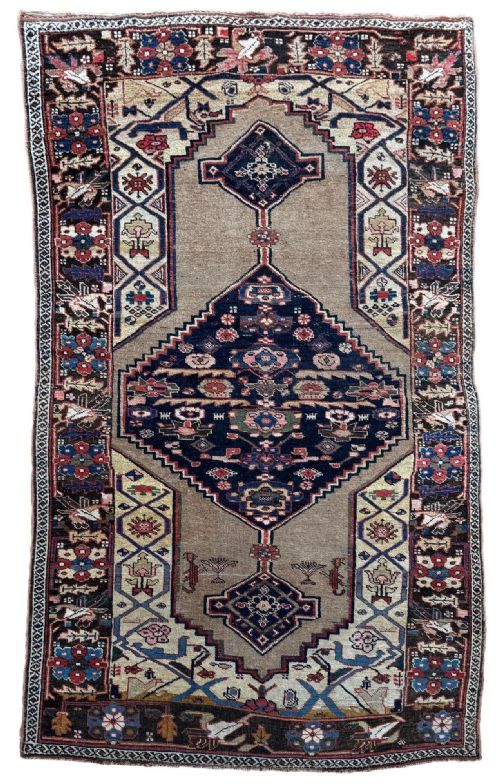
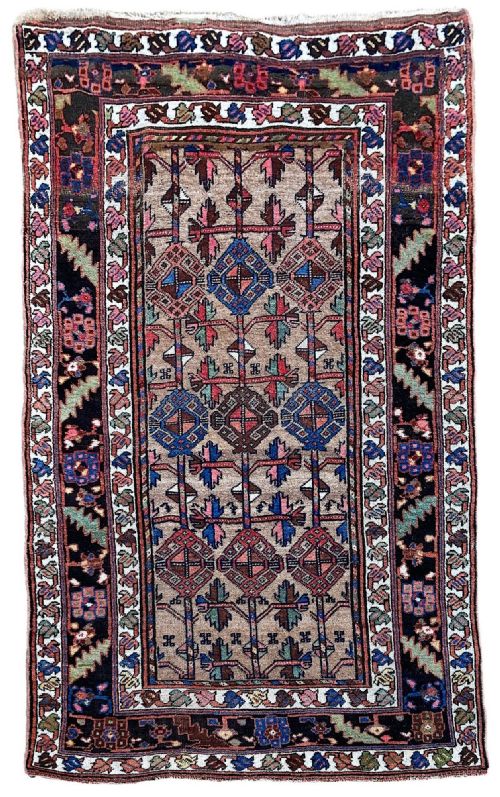


Beige Wool Runner
These beige wool runners are practical floor coverings offering neutral tones and traditional woven patterns for hallways and narrow spaces.
Beige Wool Runner
A beige wool runner provides a long, narrow format suitable for corridors, passages and staircases, combining utility with decorative historical character. These floor coverings bridge neutral palettes with distinct regional weaving traditions from various periods.
The pieces grouped under beige wool runner include narrow formats originating from Persian regions like Serab and Kurdish areas, alongside Turkish, Tibetan, Afghan and European examples. Production dates span the nineteenth century through the early decades of the twentieth century.
Most entries focus on narrow runner rugs or long rugs featuring wool construction, often paired with camel hair, cotton or jute elements. Buyers encounter tribal and village designs showing natural variation in tone and wear.
How they were made
Weavers constructed these runners using wool as the primary pile material, frequently combining hand-spun wool with cotton foundations for structural stability. Some pieces incorporate camel hair or jute elements into the pile or foundation, reflecting local material availability.
Production techniques rely on hand-knotting and traditional flatweaving methods passed down through generations in tribal and village workshops. Natural dyes yielded the characteristic soft colour palettes seen across Persian, Caucasian and Anatolian examples.
Listings feature pieces spanning the nineteenth century through the 1930s, using wool, cotton, camel hair, jute and burlap.
What varies in quality
Knot density and structural tightness dictate the resilience of the weave, separating finer village pieces from coarser tribal work. A tighter foundation preserves the integrity of the design over decades of foot traffic.
The subtlety and persistence of the natural dye palette influence the visual appeal of each textile. Variations in wool quality and hand-spinning technique affect the tactile feel of the pile and its ability to age gracefully.
The Beige Wool Runner Glossary
- Runner
- A long, narrow carpet format designed specifically for hallways, corridors and staircases. This shape directs movement through domestic spaces.
- Pile
- The upright yarn loops or cut ends that form the surface texture of a rug. Pile thickness varies according to regional traditions and intended use.
- Warp
- The vertical threads stretched on a loom that form the structural foundation of the textile. Wefts are then interwoven across these stationary threads.
- Hand-knotted
- A method where individual yarn lengths are tied by hand to the warp threads to create the pile. This labour-intensive process underpins traditional carpet production.
Beige Wool Runner: Frequently Asked Questions
Where do these long runners fit best?
These narrow formats suit hallways, corridors and landings where traditional floorboards need softening. Their linear dimensions guide the eye along narrow architectural spaces.
Placing one in a passage adds warmth and dampens sound without overwhelming the floor area. They function well in high-traffic transitional zones throughout the home.
How do I care for an old wool runner?
Gentle regular vacuuming without a rotating brush roll keeps dust from settling deep into the wool pile. Professional cleaning suited to antique textiles preserves the integrity of the natural dyes.
Rotating the runner periodically ensures even wear across the surface from foot traffic. Using a quality underlay prevents slipping and cushions the foundation against hard floors.
How are different regional styles told apart?
Design motifs, border structures and colour combinations point directly to specific weaving regions such as Serab, Kurdish or Baluch districts. Structural elements like the choice of foundation fibres also provide clues to origin.
Tribal pieces often display geometric symbols and camel hair grounds, while village runners show structured repeating medallions. Examining the weave density helps clarify the geographic roots.
Why use camel hair in these rugs?
Weavers utilised un-dyed camel hair to introduce durable, naturally warm tones ranging from soft fawn to deep beige into the pile. This fibre added inherent strength to specific regional rugs.
Its inclusion often signals tribal or nomadic production where local materials were utilised directly. The resulting texture ages with a characteristic soft lustre.