
Bedside Reading Lamp
A bedside reading lamp provides focused task illumination, bringing character and period craftsmanship to a nightstand.
Bedside Reading Lamp
A bedside reading lamp serves to illuminate books and small spaces near a bed, drawing on functional forms from past eras. When searching for a bedside reading lamp, buyers encounter a variety of table lamps, desk lamps, and side tables adapted for illumination.
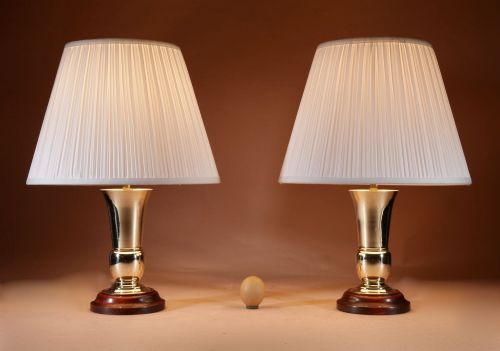
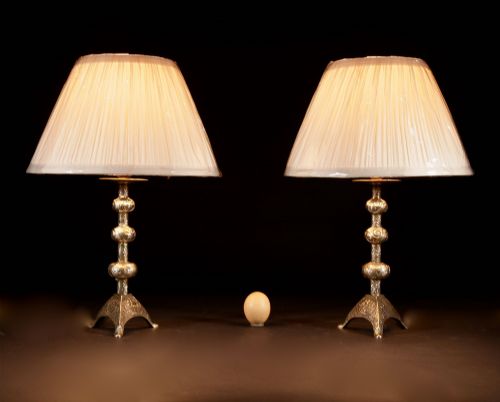
The selections available span multiple decades and design movements, notably Victorian, Edwardian, and Art Deco periods. Brass and silver-plated metal columns frequently appear, alongside occasional wooden and ceramic bodies.
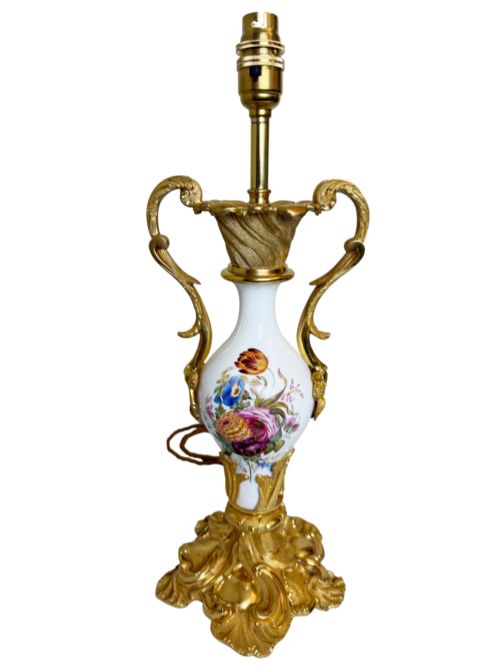
Origin points range from English workshops to French makers, utilising materials like marble, alabaster, and opaline glass. These pieces bridge utilitarian needs with decorative historical styles.
Materials and Construction
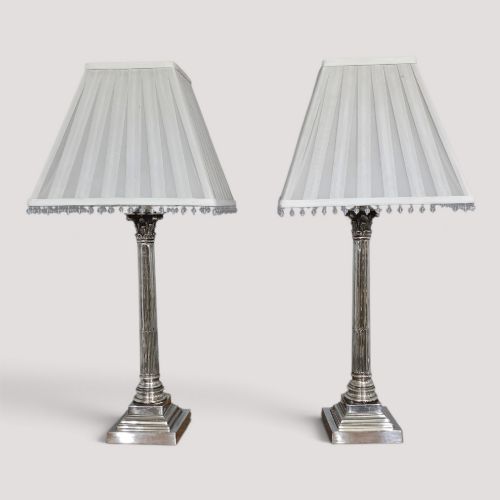
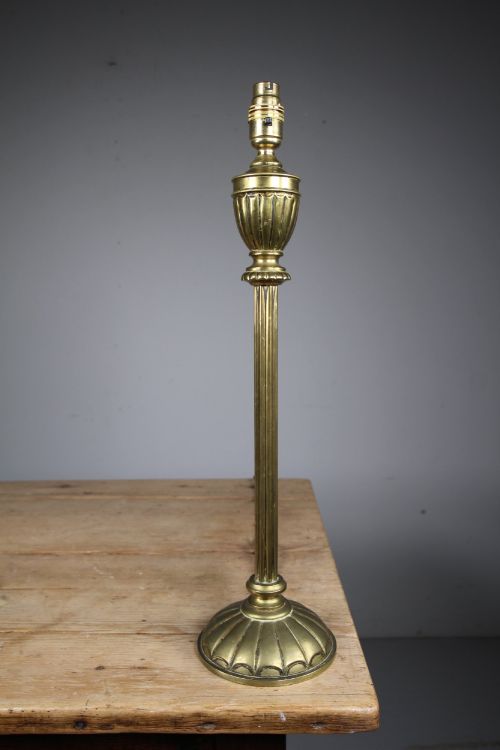
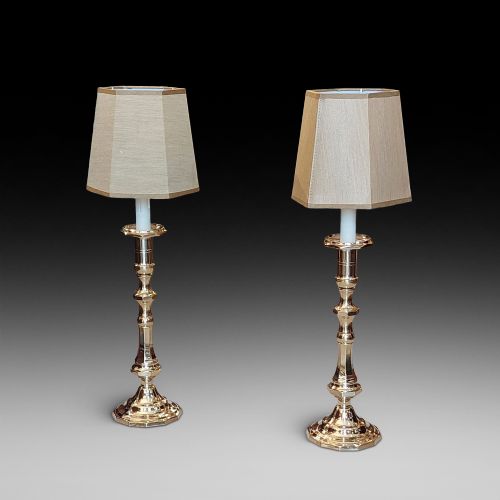
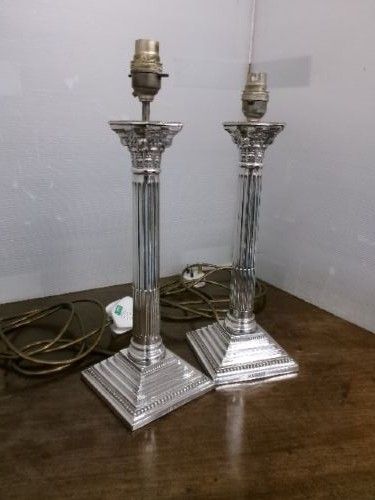
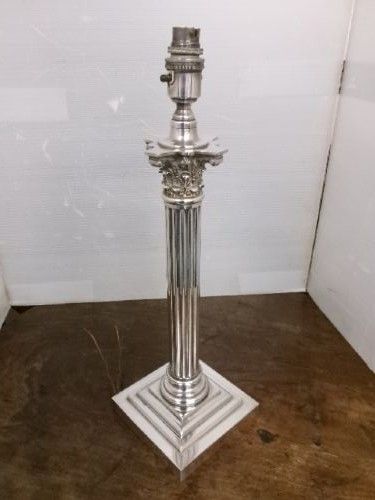
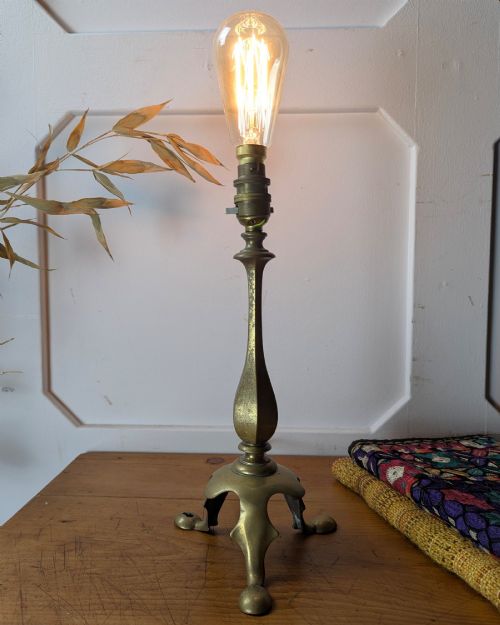
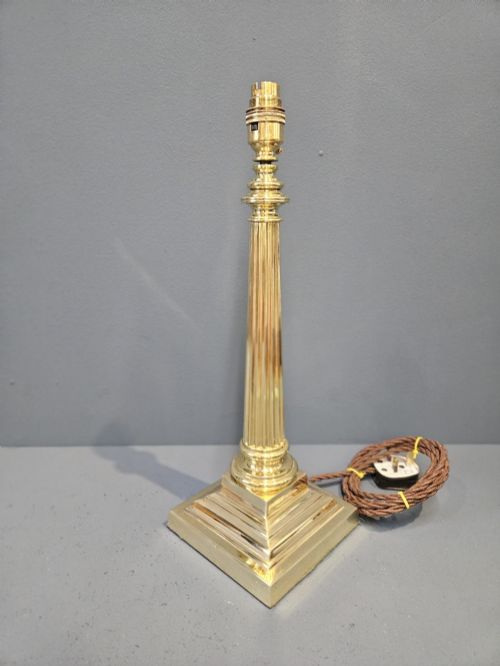
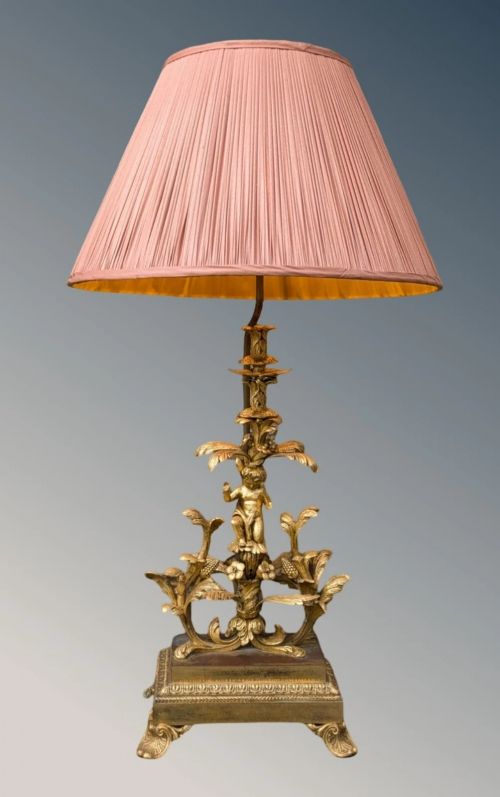
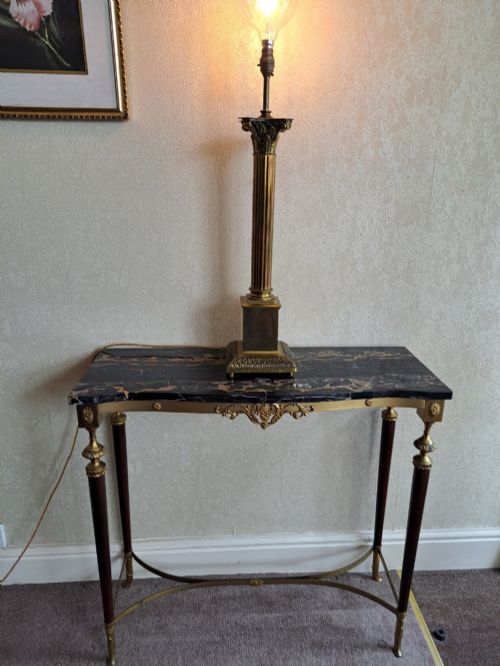
Metalwork dominates the construction, utilising cast brass, gilt bronze, silver plate, and chrome to form structural columns and bases. Many examples employ classical architectural motifs such as Corinthian or Doric columns.
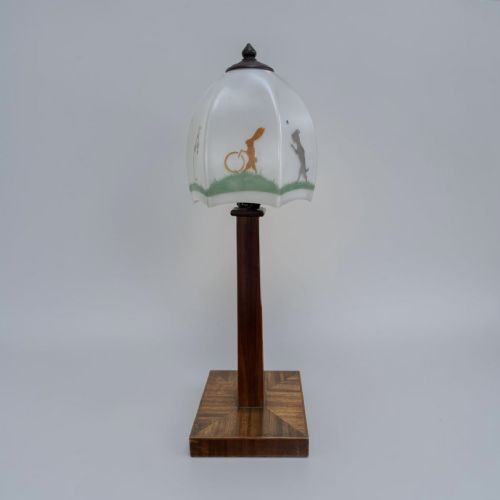
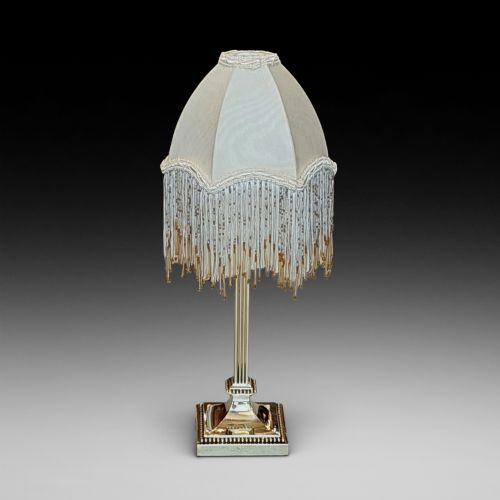
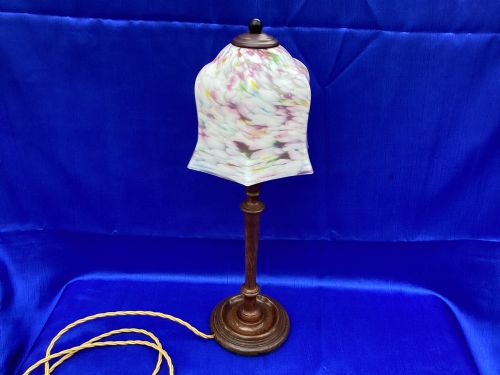
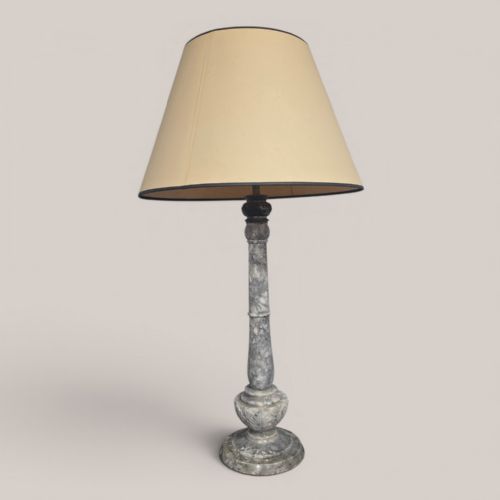
Complementary materials introduce texture and colour, including fabric and silk shades, opaline and clear glass components, and occasional carved marble or onyx bases. Wood appears in specific forms like oak and figured walnut.
Assembly techniques combine heavy metal casting with fitted electrical components, occasionally reflecting historical conversions from oil lamps or candlesticks.
Listings feature items spanning the 19th century through the 1930s, utilising brass, glass, fabric, and marble.
Assessing Quality and Execution
The caliber of a piece rests upon the crispness of its casting and the weight of its materials. Solid brass and heavy gilt bronze demonstrate superior manufacturing compared to lighter plated alternatives.
Design integrity distinguishes standard utility items from distinguished productions. Pieces exhibiting well-proportioned classical orders, such as reeded columns or detailed floral mounts, show greater attention to historical detail.
WAS Benson·Faraday and Sons·Eileen Grey
The Bedside Reading Lamp Glossary
- Corinthian column
- A classical architectural column style featuring an ornate capital decorated with acanthus leaves, frequently utilised on metal lamp standards.
- Ormolu
- Finely minced gold applied to a bronze base using a mercury amalgamation technique, seen on decorative French pieces.
- Opaline glass
- A type of semi-translucent glass, often white or pastel-toned, used for diffusers and shades to soften light output.
- Barley twist
- A woodworking or metalworking technique forming a helical spiral resembling twisted barley sugar, popular on table lamp stems.
- Spelter
- A zinc alloy commonly cast as a cheaper alternative to bronze, frequently finished with a metallic coating to imitate higher-grade metalwork.
Bedside Reading Lamp: Frequently Asked Questions
How do I choose a proper bedside reading lamp?
Consider the height of your nightstand and the reach of the arm to ensure light falls directly onto your book. Metal column lamps offer sturdy vertical presence, while adjustable desk lamp designs direct beams precisely.
Match the metal finish, such as brass, silver plate, or chrome, to the surrounding hardware in your bedroom. Scale is equally vital to ensure the base leaves adequate room for books and other bedside essentials.
Were these always electric lamps?
Many older metal examples began as oil lamps, candlesticks, or gas fixtures before undergoing conversion to electricity during the twentieth century. This transition preserves historical metalwork while adapting objects for modern domestic use.
Converted pieces often retain weighted bases and original burner assemblies modified to house bulb holders and wiring.
How do I date an antique reading lamp?
Dating relies on stylistic clues, manufacturing techniques, and materials characteristic of specific eras like the Victorian, Edwardian, or Art Deco periods. Architectural columns and heavy brass castings typically point to the nineteenth or early twentieth century.
Art Deco examples introduce streamlined chrome, Bakelite, and geometric walnut forms associated with the 1930s. Maker marks, where present, provide definitive chronological reference points.
Are these lamps safe for daily use?
Period lighting generally requires modern rewiring and testing to meet contemporary electrical safety standards. Professional electricians can easily update vintage internal cords while preserving exterior metal and glass components.
Using low-heat LED bulbs compatible with older fittings protects delicate fabric shades and antique materials from thermal damage.