

Bedroom Slipper Seat
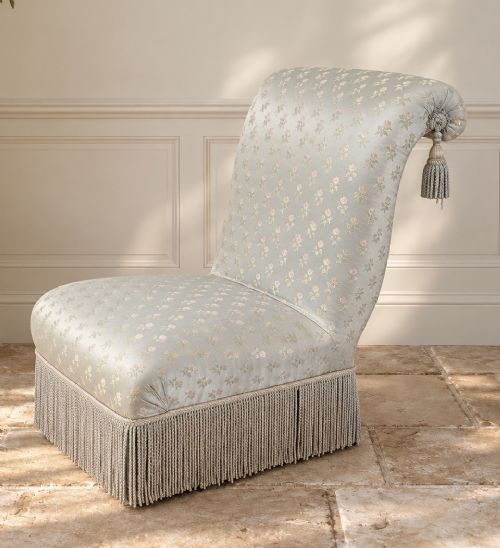
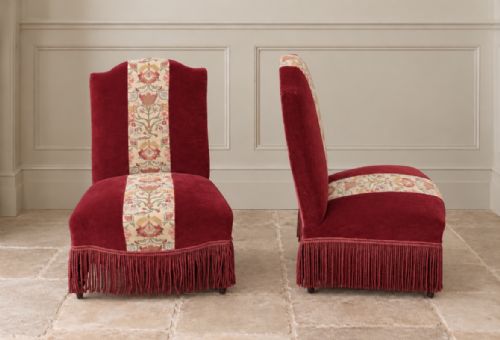
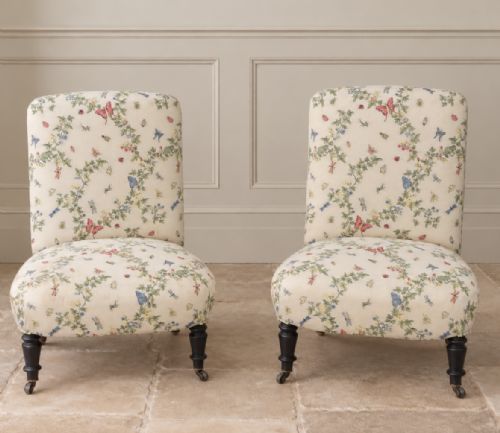
A bedroom slipper seat is a low-slung, upholstered chair designed for comfortable dressing, offering a distinctive antique profile for the home.
Bedroom Slipper Seat
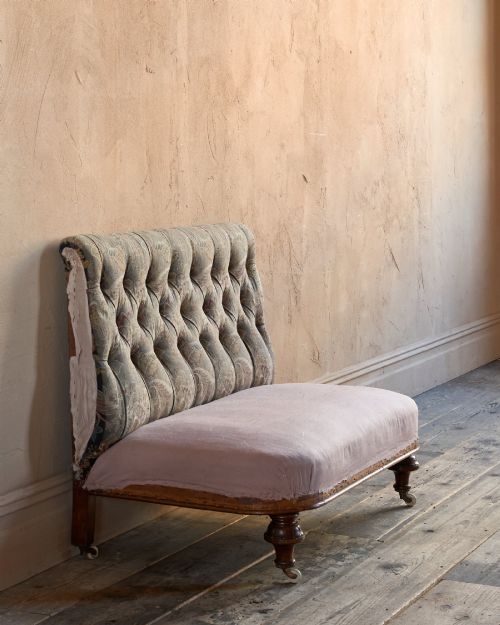
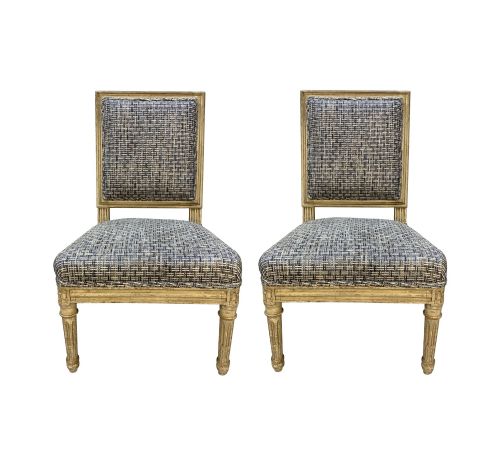
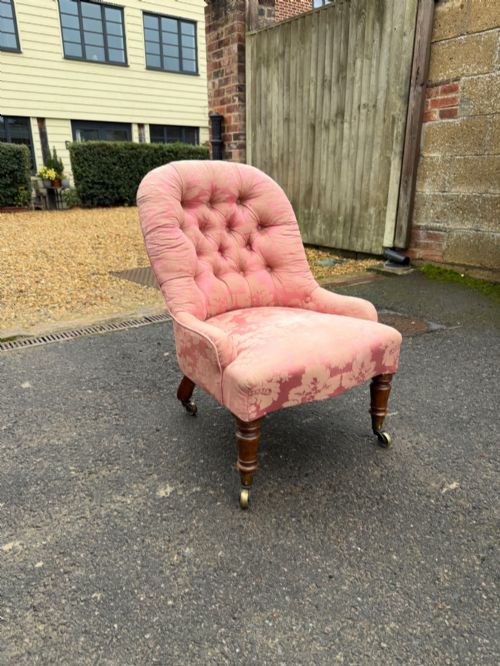
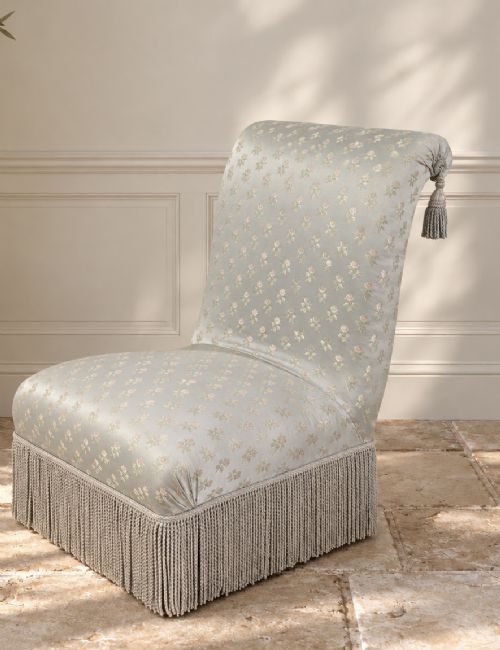
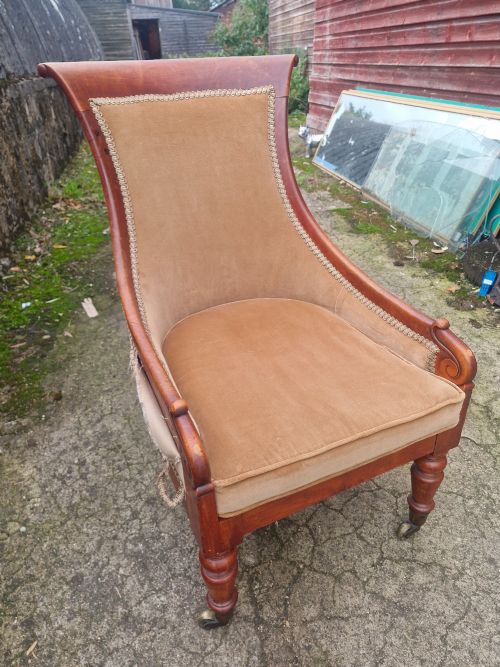
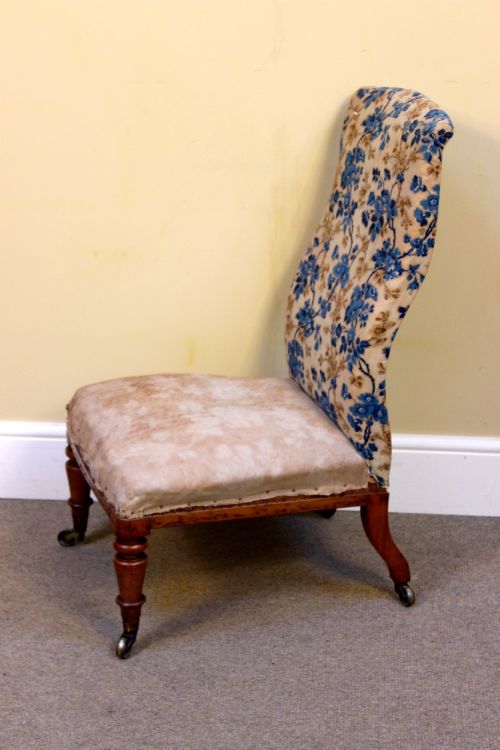
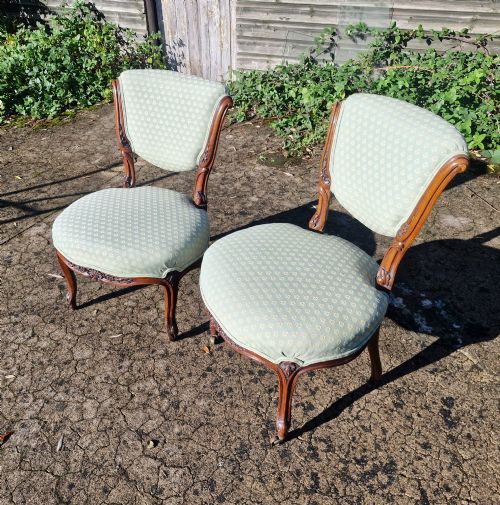
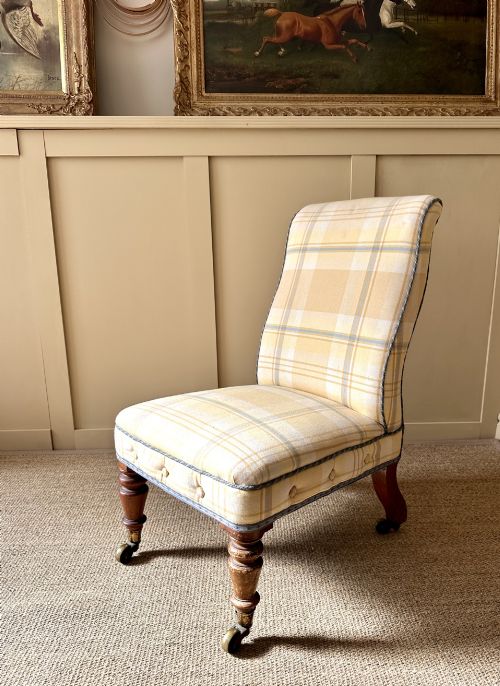
When you search for a bedroom slipper seat, you are looking at low-seated upholstered chairs designed historically to make putting on footwear easier. These pieces appear frequently as Victorian or mid-nineteenth-century examples, spanning related forms such as nursing chairs, salon chairs, and occasional chairs.
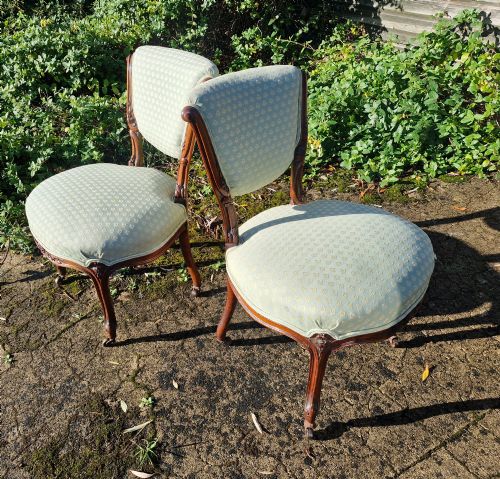
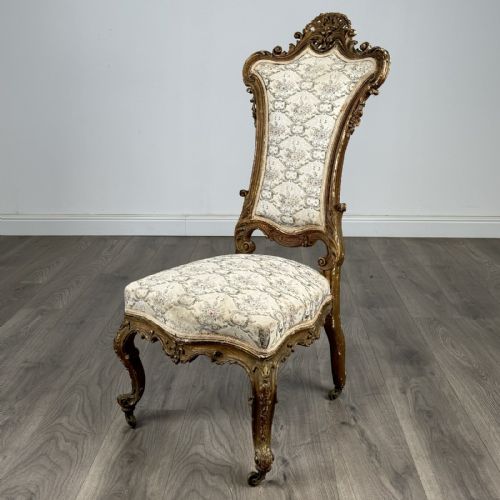
The selection on this page draws heavily from nineteenth-century periods, including early Victorian, late Victorian, and Regency eras. You will encounter diminutive slipper sofas alongside walnut spoon-back chairs and French-influenced designs featuring cabriole legs.
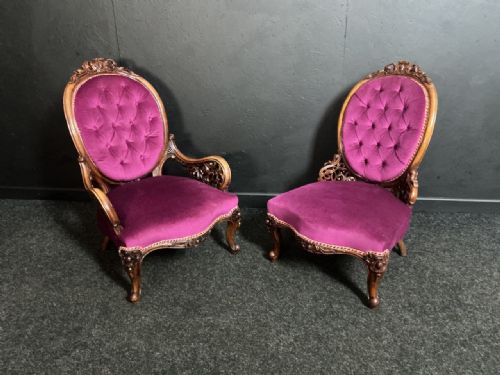
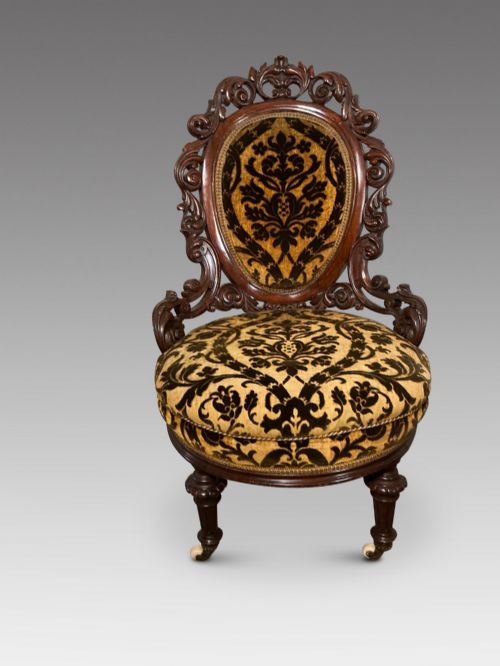
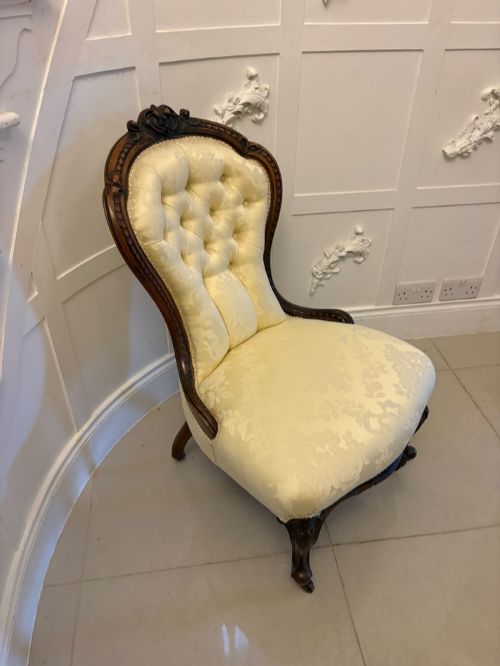
Makers such as Charles Hindley & Sons, Howard & Sons, and Gillows occasionally emerge within these listings. The forms range from simple spindle-back frames to elaborate button-backed seating upholstered in velvet or textile.
Materials and construction
Framing timbers rely predominantly on hardwoods like mahogany, walnut, rosewood, and satinwood, occasionally enhanced by ebonised finishes or gilding. Structural elements sometimes incorporate brass or metal components, particularly within castors or decorative mounts.
Upholstery techniques utilise traditional fabric and textile coverings, frequently featuring button backs and fringe detailing over sprung or padded seats. Wood-working craftsmanship is evident in carved spoon-backs, inlaid mother of pearl, and shaped cabriole legs.
Bedroom Slipper Seat Retail Price Guide 2026
Typical asking prices for bedroom slipper seat among the pieces listed under this phrase on Sellingantiques today, from the lower quarter to the upper quarter. They describe what is for sale here now, not the wider market.
Victorian ladies enjoyed chairs low enough to keep their ankles safely out of the draft.
Factors of quality
The standard of a bedroom slipper seat depends upon the crispness of the timber carving and the sophistication of the frame's silhouette. Finely turned or carved walnut and mahogany frames with balanced proportions indicate superior craftsmanship.
Original maker stamps or labels elevate a piece significantly, as seen in works associated with established cabinet makers. The integrity of the underlying woodwork and the fidelity of the period style further distinguish finer examples from standard production.
Charles Hindley & Sons·Howard & Sons·Gillows
The Bedroom Slipper Seat Glossary
- Spoon back
- An upholstered chair back shaped in a concave, oval contour resembling the bowl of a spoon. This design emerged prominently during the Victorian period to fit the human spine.
- Nursing chair
- A low-seated chair traditionally designed to allow a mother to tend to an infant comfortably. These share a similar low stature with slipper chairs.
- Cabriole leg
- A furniture leg that curves out and then in, resembling an animal's leg in motion. This form is common on French-influenced and mid-nineteenth-century seating.
- Ebonised
- Wood treated with a finish to imitate expensive ebony. This technique was frequently utilised during the Victorian and Aesthetic Movement eras.
- Button back
- An upholstery method where depressions are formed in the padding by pulling buttons deep into the stuffing. This creates a tufted pattern common on nineteenth-century parlour seating.
Bedroom Slipper Seat: Frequently Asked Questions
What is a bedroom slipper seat used for?
These low chairs were originally placed in bedrooms to provide a comfortable seat when putting on shoes and stockings. Their compact stature made them practical for private dressing rooms.
Today, they function well as accent seating in bedrooms, hallways, or small sitting rooms where standard-height chairs might overwhelm the space.
How do I distinguish a slipper chair from a nursing chair?
While both terms describe low-slung nineteenth-century seating, nursing chairs traditionally offered low seats to accommodate the bulky crinolines of the mid-nineteenth century. Slipper chairs share this low profile, specifically intended for dressing.
In practice, antique dealers and makers often used these terms interchangeably, meaning the physical form and proportions matter more than the historical label.
How do I date a Victorian slipper chair?
Dating relies on identifying stylistic shifts within the nineteenth century, such as the curved rosewood and walnut frames of early Victorian pieces versus the ebonised Aesthetic Movement designs of the 1880s. Wood types like mahogany and satinwood also point toward specific decades.
Makers' stamps or patent marks provide the most precise dating when present on the underside of the wooden frame.
Can I use antique slipper seats in a modern interior?
Their compact dimensions make these chairs exceptionally versatile for contemporary living spaces. They fit easily into corners or beside low modern furniture without dominating a room.
Many examples listed require reupholstering, which allows buyers to match the textile covering to modern colour schemes while retaining the antique frame.