



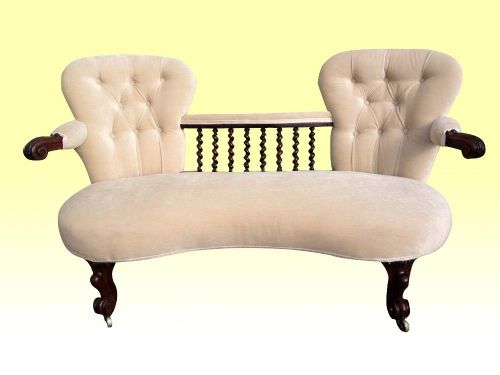
Small Victorian Settee
A small victorian settee offers compact seating with period character, perfect for filling an alcove or bedroom corner without overwhelming the floor space.
Small Victorian Settee
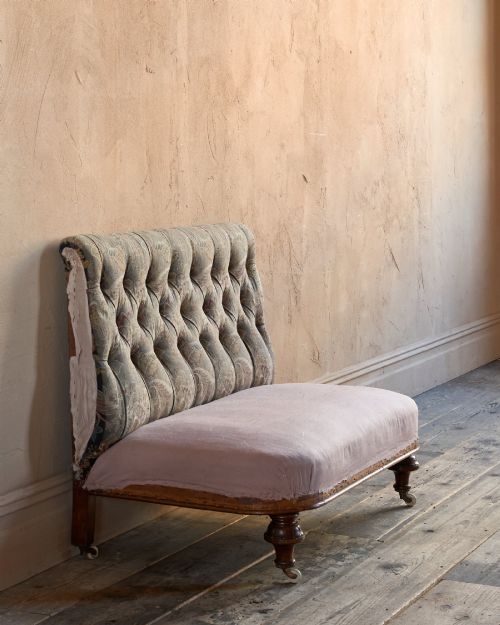
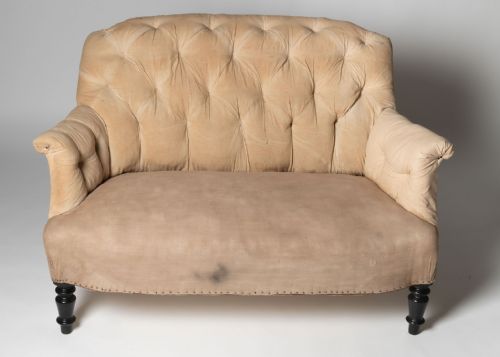
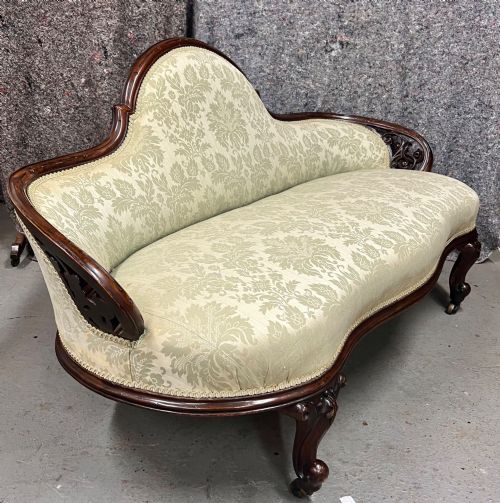
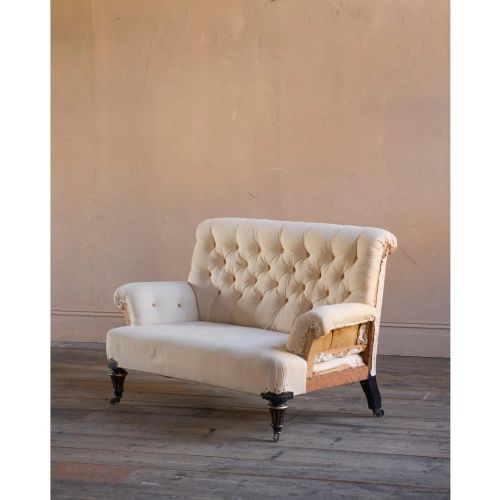
A small victorian settee is a compact upholstered seating form designed for domestic use during the nineteenth century. These pieces encompass varied designations such as slipper sofas, small sofas, love seats, and canapes.
The examples found here draw on periods including the nineteenth century, the Victorian era, eighteen-eighty, the Edwardian period, and eighteen-ninety. They represent styles ranging from English Country and French Traditional to Victorian Rococo Revival.
Buyers most frequently encounter intimate two-seater sofas and low-slung bedroom seats constructed from timber frames and soft textiles. These smaller proportions suit modern rooms far better than bulky full-scale couches.
Materials and Construction
Frames are constructed from sturdy timbers such as mahogany, walnut, rosewood, and general hardwood, providing a strong structural skeleton. Brass elements occasionally appear on castors or trim details.
Upholstery relies on traditional fabrics including velvet, alongside decorative additions like tassel trim and deep buttoning techniques. Woodworkers and upholsterers shaped these materials by hand to achieve curves and buttoned backs.
Small Victorian Settee Retail Price Guide 2026
Typical asking prices for small victorian settee among the pieces listed under this phrase on Sellingantiques today, from the lower quarter to the upper quarter. They describe what is for sale here now, not the wider market.
Some diminutive seats were made low enough for Victorian ladies to change their slippers with absolute grace.
Assessing Quality and Execution
Quality rests in the precision of the timber frame carving and the integrity of the joinery beneath the upholstery. Finer examples display carefully shaped rosewood or walnut structures rather than simpler secondary hardwoods.
The execution of deep buttoning and the choice of surface fabric dictate the visual refinement of the piece. Superior items retain harmonious proportions across their backs and arms, reflecting thoughtful cabinetmaking.
Jackson and Graham·Howard and Sons
The Small Victorian Settee Glossary
- Settee
- A long upholstered seat for more than one person, sharing characteristics with a sofa. It provides comfortable seating while taking up less space than larger furniture.
- Canape
- An ornamental French-style sofa featuring an exposed wooden frame and upholstered seat and back. This form often displays carved details along the crest rail.
- Slipper Sofa
- A low-to-the-ground upholstered seat originally designed for dressing rooms and bedrooms. Its low height makes it distinct from standard parlour seating.
- Love Seat
- A small two-seater sofa intended for intimate conversation. The compact scale suits small rooms and private spaces.
- Deep Buttoned
- An upholstery technique where buttons are pulled tight through the padding in a geometric grid pattern. This creates distinct folds and secures the interior stuffing.
Small Victorian Settee: Frequently Asked Questions
What is a small victorian settee?
A small victorian settee is a compact nineteenth-century seating piece designed for domestic parlours and bedrooms. These items combine timber frames with upholstered cushions and backs.
They provide intimate seating options that fit easily into smaller modern architectural spaces. Their varied forms include slipper sofas, canapes, and love seats.
Where were these settees used?
Nineteenth-century households placed these compact seats in bedrooms, dressing rooms, and smaller reception parlours. Their modest dimensions allowed them to fit into tight corners and alcoves.
Today, they serve a similar function in contemporary homes, fitting well at the foot of a bed or within a reading nook.
How do I identify the wood?
Examination of the exposed frame reveals the primary timber, which typically includes mahogany, walnut, or rosewood. Walnut and rosewood often show distinctive grain patterns and rich natural colour.
Simpler frames utilise general hardwood or timber that has been shaped to match prevailing historical styles. Close inspection under good light helps distinguish between these materials.
How do I care for velvet upholstery?
Velvet requires gentle handling to maintain the nap and prevent crushing of the pile. Regular light brushing keeps the fabric fibres aligned and free from dust.
Avoid placing these textiles in direct sunlight to prevent fading of the blue or other coloured dyes. Professional cleaning is recommended for any deeper maintenance.