

19th Century Bedroom Seat
These 19th century bedroom seat options offer practical low profiles and upholstered comfort suited to dressing rooms and chambers.
19th Century Bedroom Seat
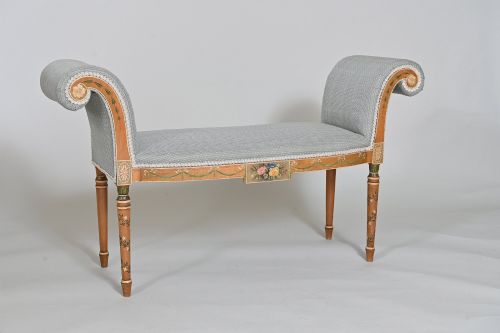
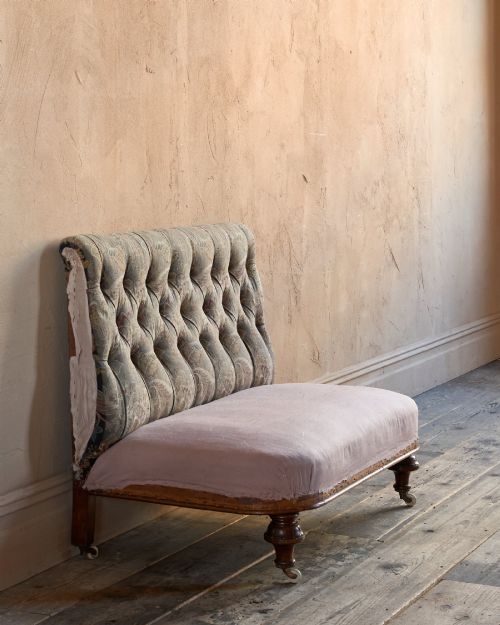
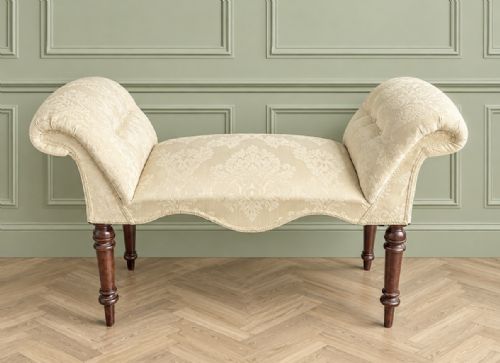
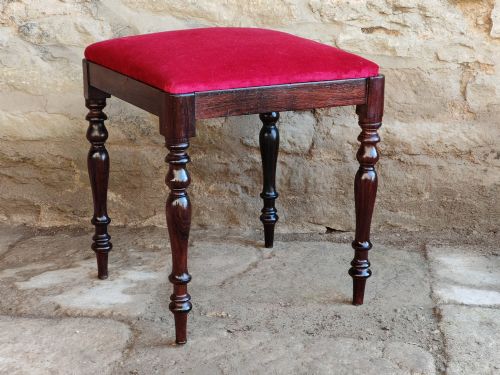
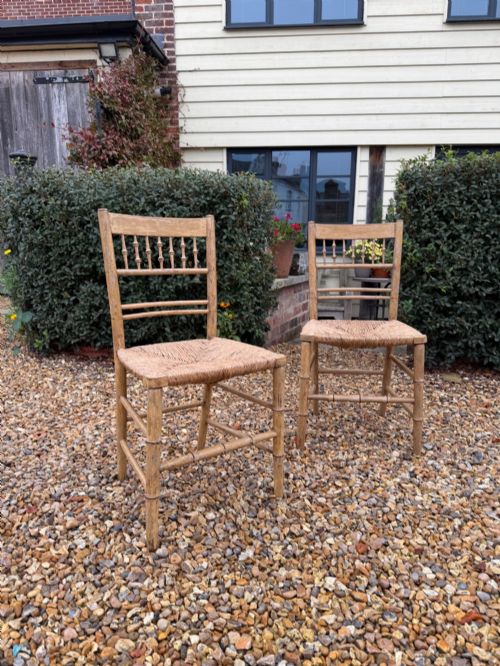
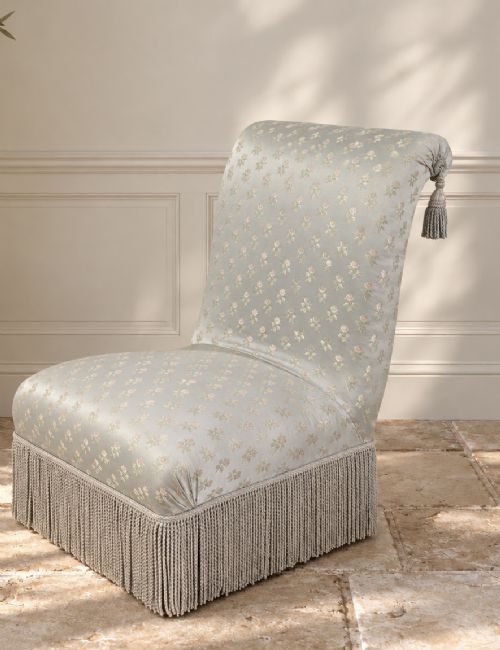
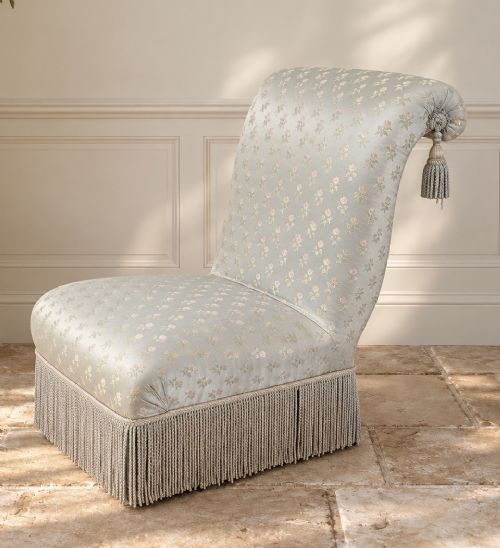
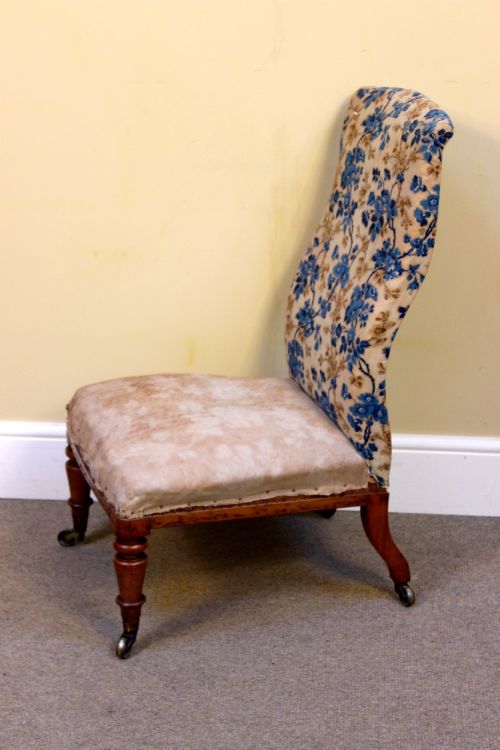
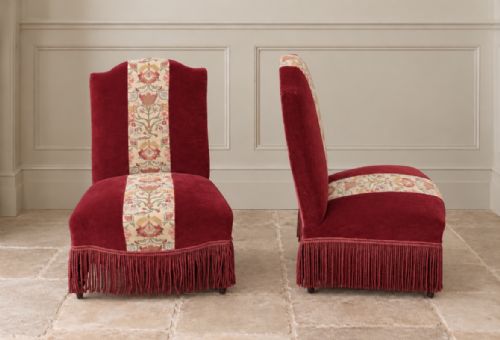
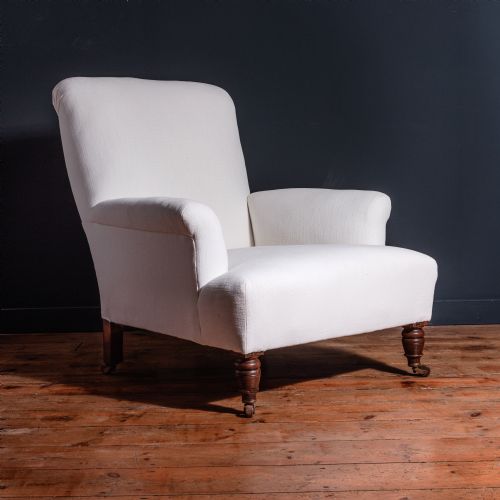
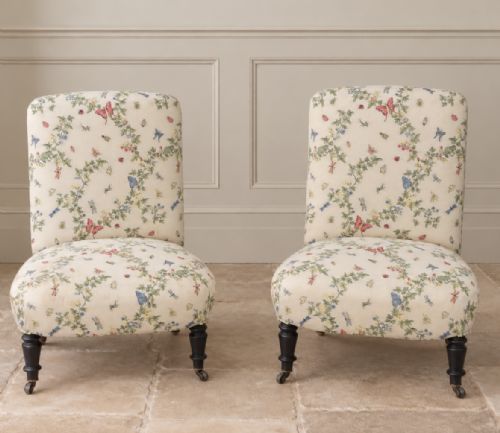
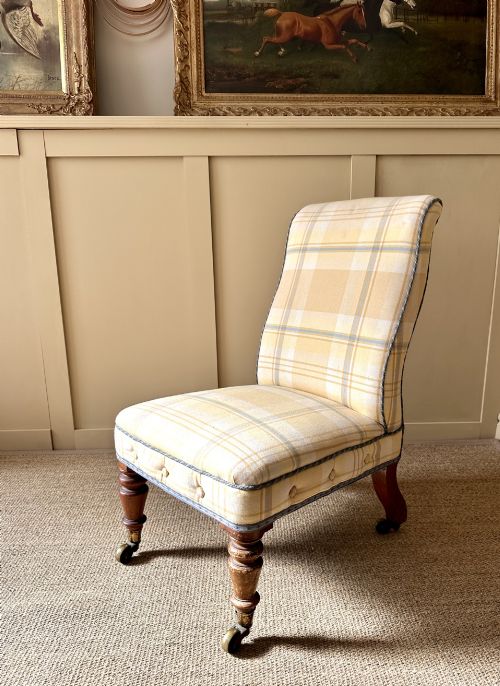
A 19th century bedroom seat covers various low-slung seating forms designed for dressing rooms, boudoirs and sleeping chambers. Buyers searching for a 19th century bedroom seat will frequently encounter slipper chairs, nursing chairs and low stools intended for comfortable dressing.
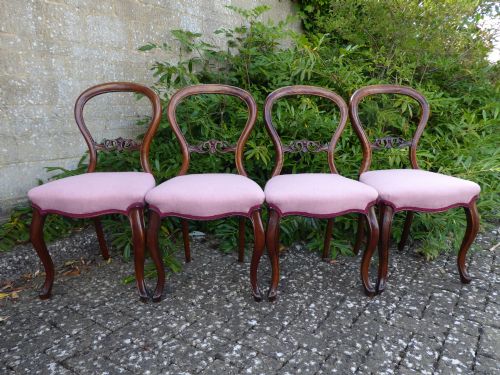
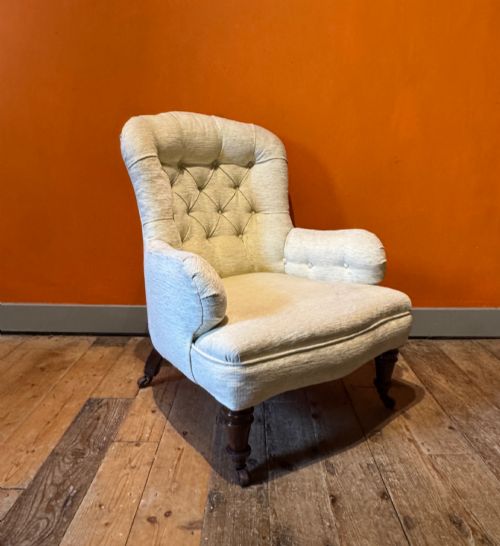
The selection ranges across Victorian, Regency and Napoleon III styles, encompassing mahogany, walnut and rosewood timbers. Forms include button-backed nursing chairs, low window seats and diminutive slipper sofas tailored for domestic comfort.
Materials and construction methods
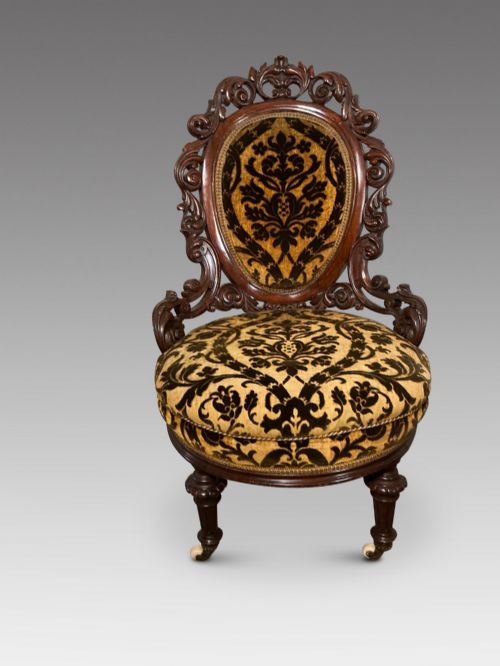
Frames rely predominantly on hardwoods such as mahogany, walnut, rosewood and satinwood, frequently shaped with cabriole legs or saber legs. Joinery often incorporates turned elements, carved details and occasional painted or gilded surfaces.
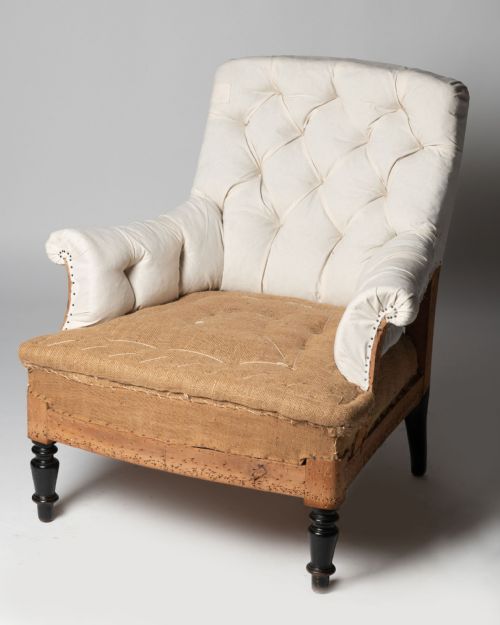
Upholstered components utilise traditional stuffing methods beneath fabrics, velvet or cane panels. Many pieces retain original upholstery or are offered ready for re-covering.
19th Century Bedroom Seat Retail Price Guide 2026
Typical asking prices for 19th century bedroom seat among the pieces listed under this phrase on Sellingantiques today, from the lower quarter to the upper quarter. They describe what is for sale here now, not the wider market.
Several diminutive chairs survive specifically because their low stature made them ideal for tending nursery fires.
Distinctions in craftsmanship
Quality reveals itself in the crispness of timber carving, the elegance of proportion and the integrity of the underlying frame structure. Finer examples display superior wood selection, such as figured mahogany or rich walnut, combined with delicate details like mother-of-pearl inlay or fine gilding.
Construction robustness separates standard utilitarian seating from pieces designed for formal salons or high-status chambers. The refinement of turning on legs and the harmonious balance of low profiles distinguish better workshops.
Charles Hindley & Sons·Gillows
The 19th Century Bedroom Seat Glossary
- Slipper chair
- A low-seated upholstered chair originally designed for ladies to sit upon while dressing or putting on shoes. These pieces typically feature short legs to ease the process.
- Nursing chair
- A low-backed or low-seated chair historically used by mothers when nursing infants. They often incorporate padded button backs for added comfort.
- Cabriole leg
- A furniture leg that curves outward and then tapers inward, mimicking the shape of an animal's leg. This form is common on Victorian and French revival seating.
- Caned seat
- A seating surface woven from rattan or cane strips. This technique provides a light, flexible support popular in various 19th-century chairs.
19th Century Bedroom Seat: Frequently Asked Questions
What is a 19th century bedroom seat used for?
These low seats served primarily in private chambers for dressing, sitting near fireplaces, or nursing infants. Their reduced height made them convenient for daily personal routines.
Today, they function well as accent pieces in modern bedrooms, dressing rooms or hallways, providing both utility and period character.
How do I identify a slipper chair?
Slipper chairs are instantly recognisable by their notably low seats and lack of tall armrests. This specific height allowed women to dress comfortably in 19th-century chambers.
They often feature upholstered button backs and cabriole or turned wooden legs supporting compact, graceful frames.
Are these chairs suitable for daily use?
Most of these historic pieces remain structurally robust for regular seating, though older frames benefit from careful weight distribution. Many examples offered for re-upholstery allow buyers to renew internal support.
Placing them in low-traffic areas helps preserve delicate nineteenth-century woodwork and original decorative elements like fringe or gilding.
What styles are common among these seats?
The selection spans English Victorian and Regency designs alongside French Napoleon III and revival styles. Cabinetmakers utilised mahogany, walnut and rosewood to shape these diverse domestic forms.
Details range from ebonised finishes and saber legs to painted surfaces and intricate mother-of-pearl inlay.