

Bedroom Clothes Chest
A bedroom clothes chest provides practical storage for garments, featuring sturdy timber construction and ample drawer capacity.
Bedroom Clothes Chest
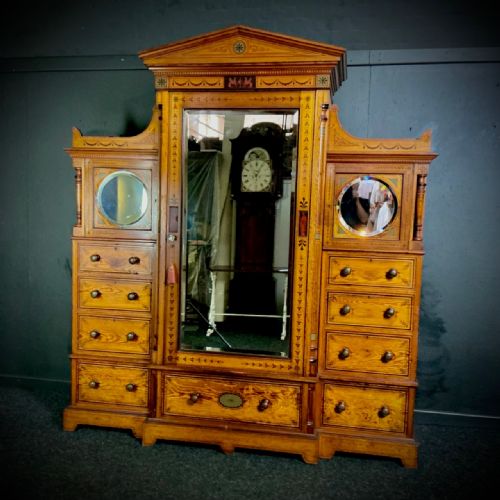
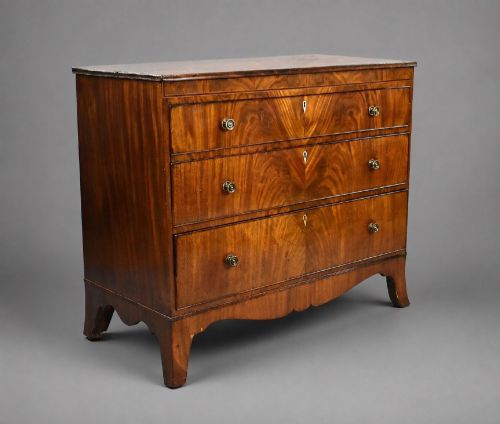
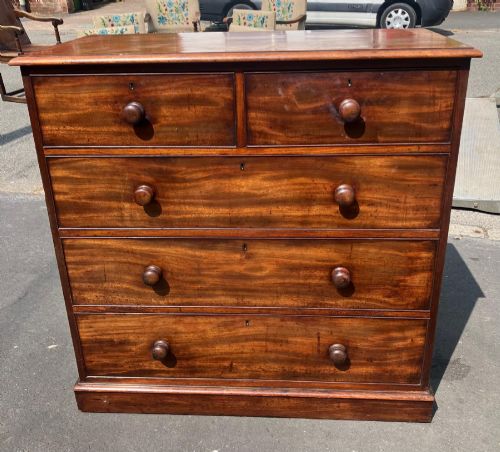
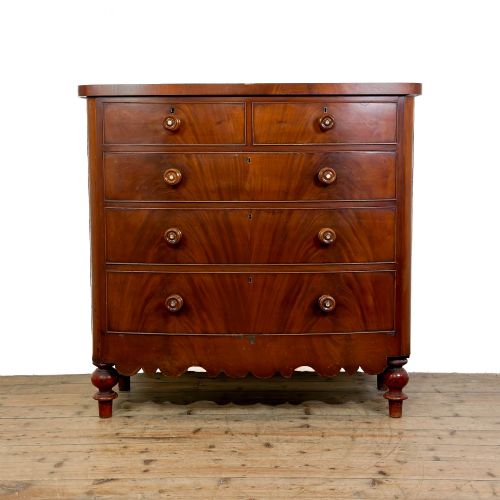
When you search for a bedroom clothes chest, you encounter substantial storage furniture designed for domestic use. The pieces listed on this page primarily span the Georgian, Victorian, Regency, and Edwardian periods, reflecting centuries of cabinet-making tradition.
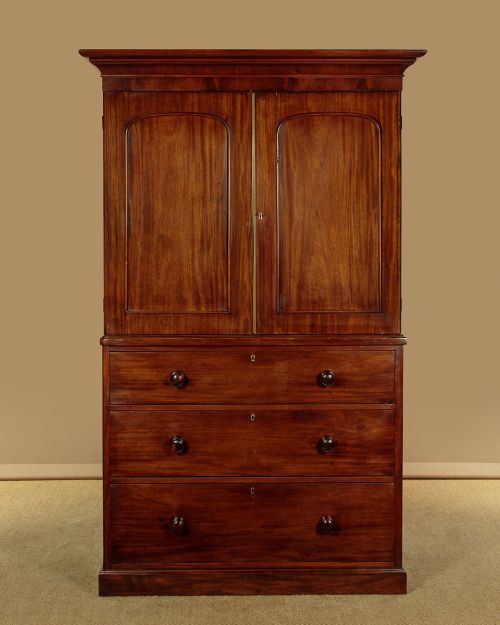
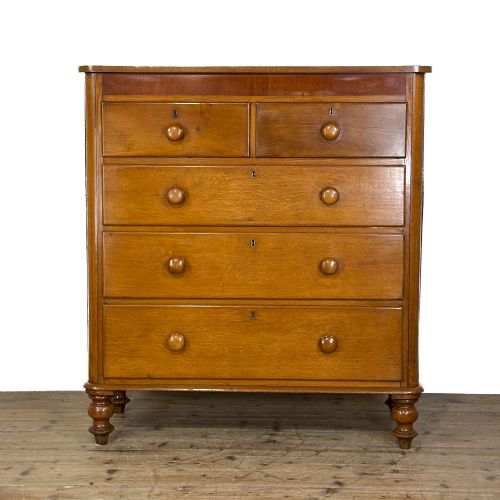
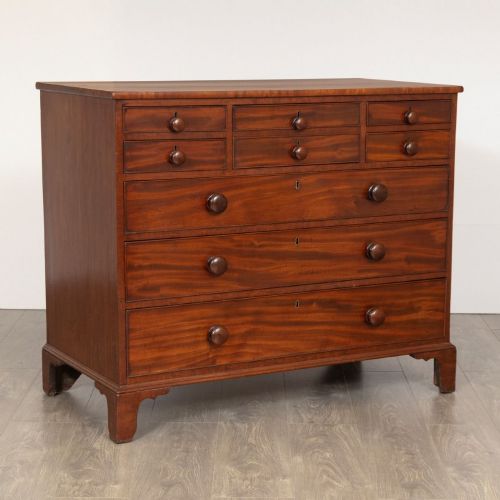
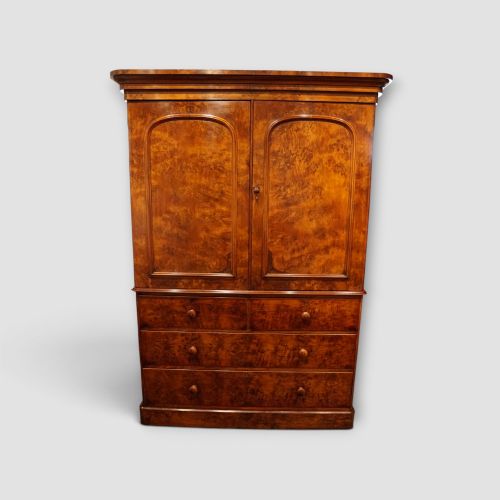
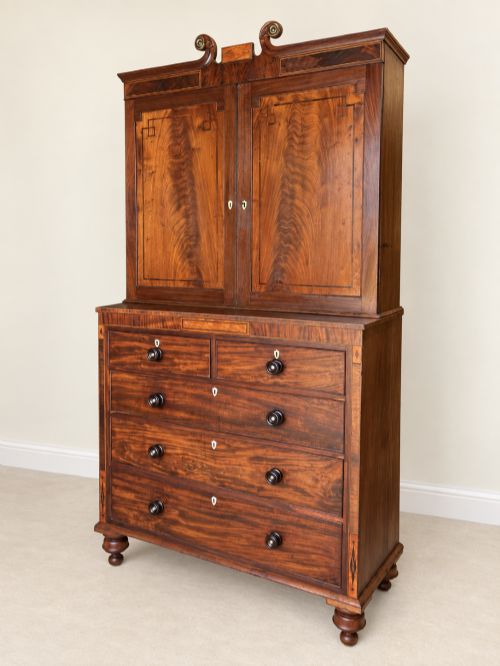
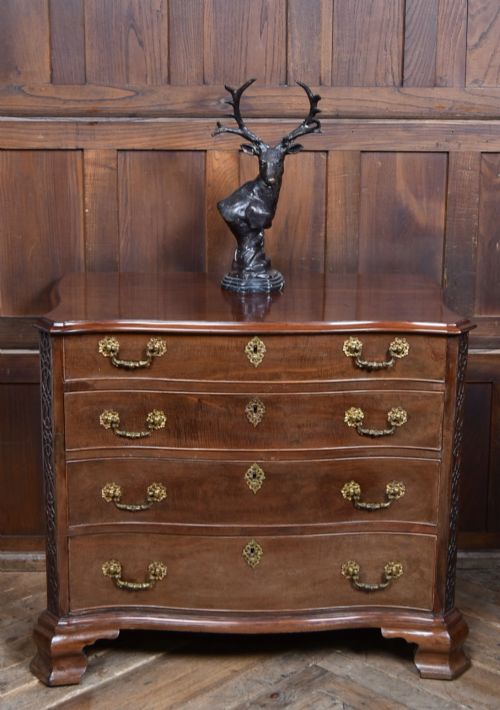
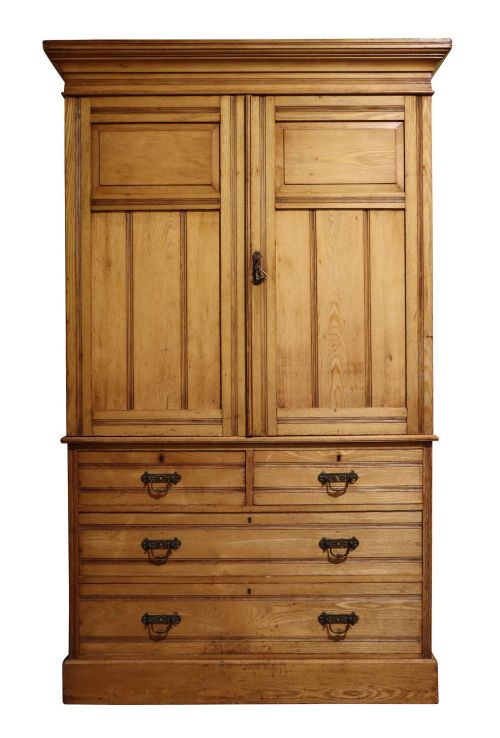
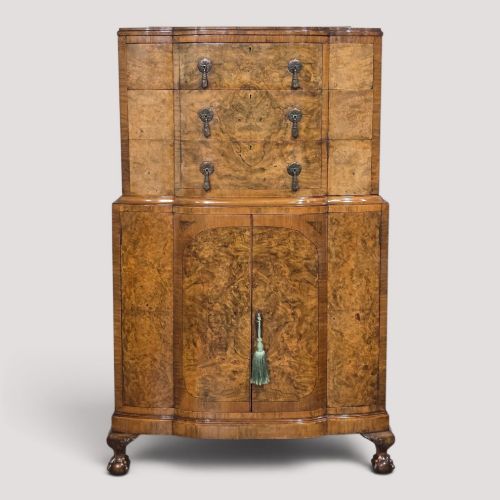
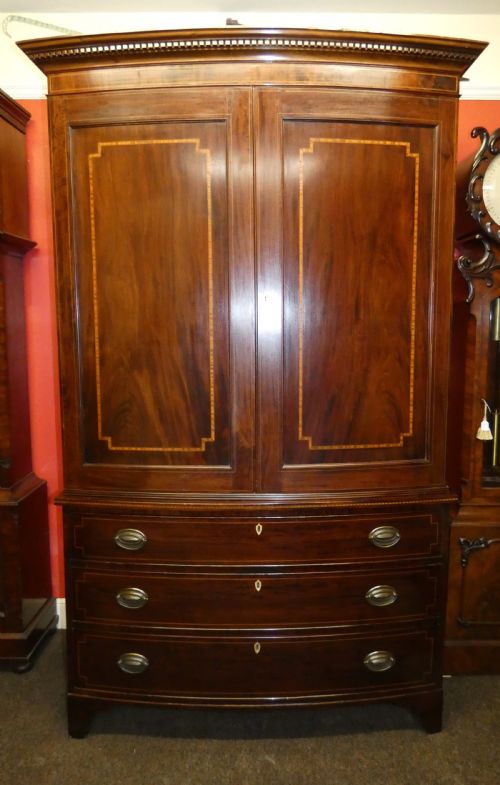
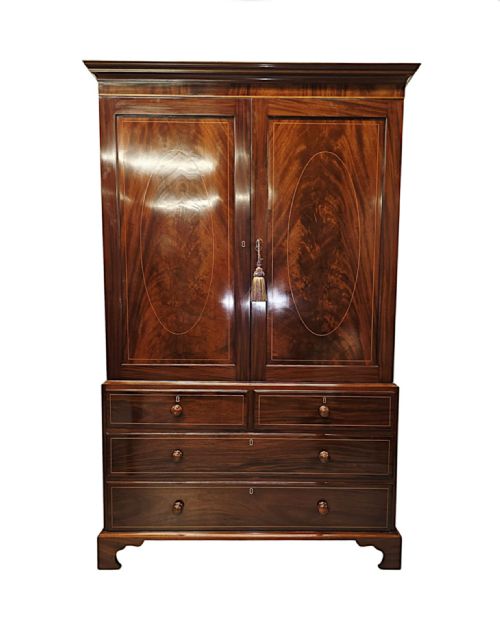
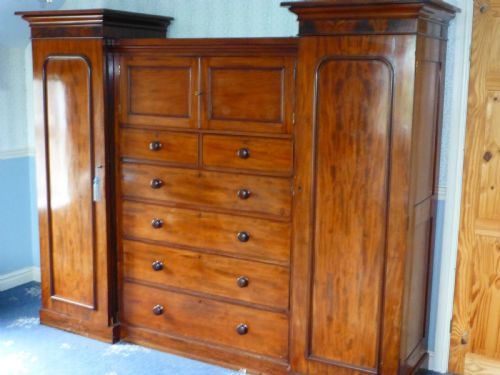
The most common forms you meet include chests of drawers, linen presses, and cupboards on chests. These range from simple two-over-three drawer configurations to large architectural wardrobes and tallboy linen presses.
Materials originate from traditional British and imported hardwoods, with mahogany appearing most frequently alongside oak, walnut, and pine. Pieces often display regional English craftsmanship spanning the eighteenth and nineteenth centuries.
How they were made
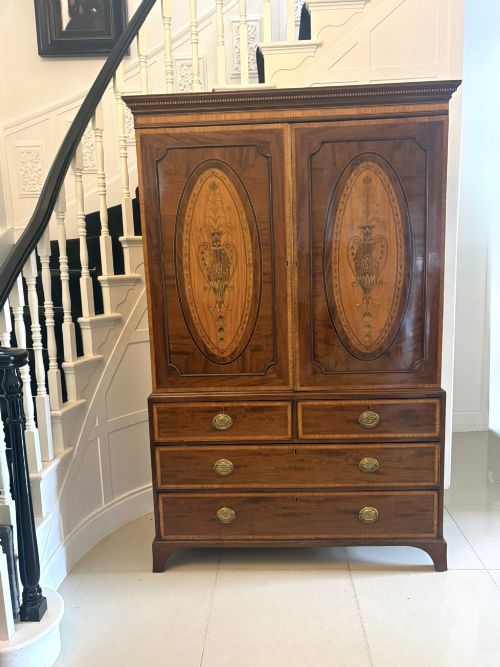
Cabinet makers utilised solid hardwoods and selected veneers, frequently employing flame mahogany, satinwood inlay, and rosewood crossbanding to enhance visual depth on drawer fronts and doors. Carved details and bracket feet appear on formal Georgian and Victorian examples.
Construction methods relied on traditional joinery, including dovetail joints for drawer construction and panelled backing. Interior sliding trays within linen presses demonstrate utilitarian design tailored for household linens and garments.
Bedroom Clothes Chest Retail Price Guide 2026
Typical asking prices for bedroom clothes chest among the pieces listed under this phrase on Sellingantiques today, from the lower quarter to the upper quarter. They describe what is for sale here now, not the wider market.
Current listings feature mahogany, oak, satinwood, walnut, and pine across Georgian, Regency, and Victorian periods.
What varies in quality
The grade of timber and the symmetry of figure in flame mahogany or burr walnut dictate much of the visual merit. Superior examples display carefully matched grain patterns across multiple drawers and doors rather than random timber selection.
Refinement in secondary details, such as crisp inlay work, original brass hardware, and precise drawer dovetailing, separates standard utilitarian pieces from high-workshop production. Structural integrity in the internal sliding trays and cornice mouldings also defines superior examples.
Gillows·Maple and Co·Druce and Co
The Bedroom Clothes Chest Glossary
- Linen press
- A tall storage piece comprising upper cupboard doors enclosing sliding trays, sitting above a chest of base drawers. This form originated for storing household linen flat before widespread wardrobe usage.
- Bowfront
- A curved cabinet front where the central section projects outward in a convex sweep. This style gained popularity during the Regency and Georgian periods.
- Crossbanding
- A decorative border of veneer laid around the perimeter of a drawer front or panel with the grain running perpendicular to the centre. This technique frames the primary wood surface.
- Tallboy
- A tall chest of drawers standing one chest directly on top of another. It maximises vertical storage capacity while maintaining a modest floor footprint.
Bedroom Clothes Chest: Frequently Asked Questions
How do I date a chest?
Examine the timber species, construction joints like hand-cut dovetails, and overall hardware style. Secondary woods inside drawers often indicate regional English origin.
Compare these structural markers against known stylistic periods such as George III or Victorian production eras.
What is a linen press used for today?
The interior sliding trays provide excellent storage for folded knitwear, bedlinen, or bulky garments. The lower drawers accommodate standard folded clothing items.
Removing interior trays allows some units to function as wardrobe hanging space for modern clothing.
How do I care for antique mahogany?
Keep timber pieces away from direct heat sources and strong sunlight to prevent veneer cracking and fading. Apply natural beeswax periodically to nourish the polished surface.
Avoid silicone-based sprays which damage historic polish over extended periods.
What distinguishes a tallboy from a chest of drawers?
A tallboy consists of two stacked sections, creating a significantly taller silhouette than a standard chest. This double-carcase construction provided extra capacity in period bedchambers.
Standard chests maintain a single vertical tier of drawers beneath a top surface.