



Basket Grate
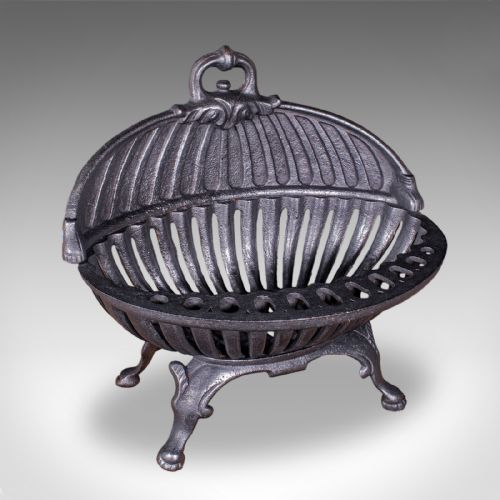
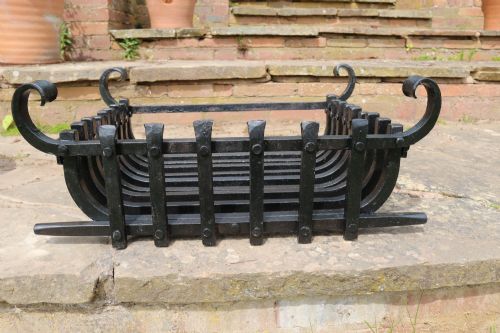
A basket grate sits within the hearth, holding coal or logs inside a metal frame designed for open fires.
Basket Grate
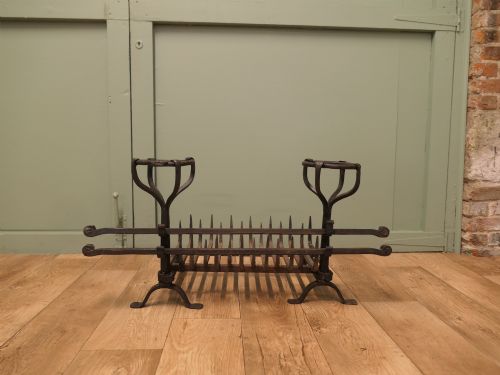
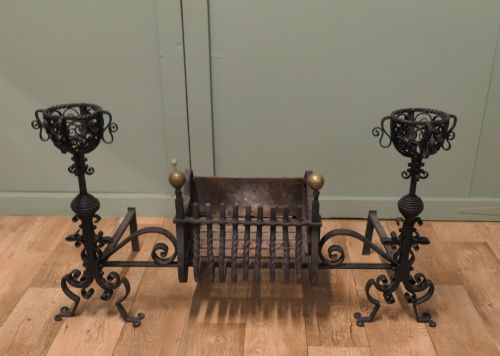
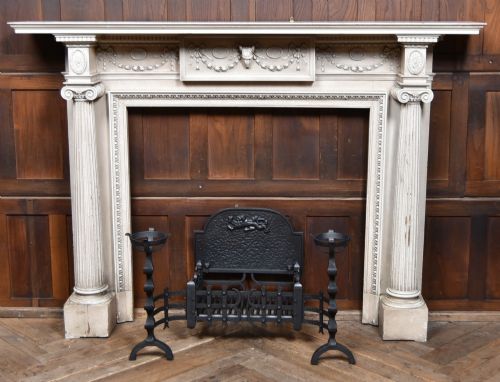
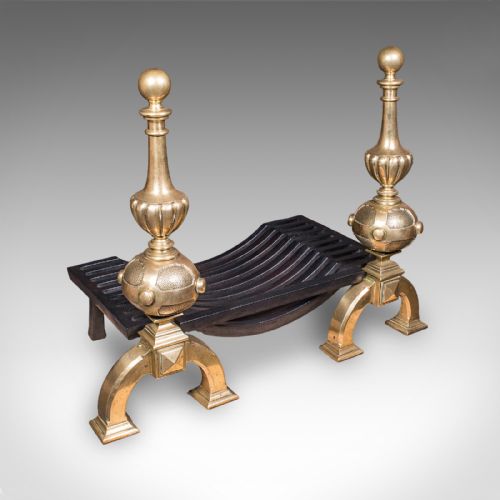
A basket grate is an open hearth appliance designed to hold fuel securely while radiating heat into a room. These pieces appear in forms ranging from small free-standing units to large inglenook assemblies paired with heavy andirons.
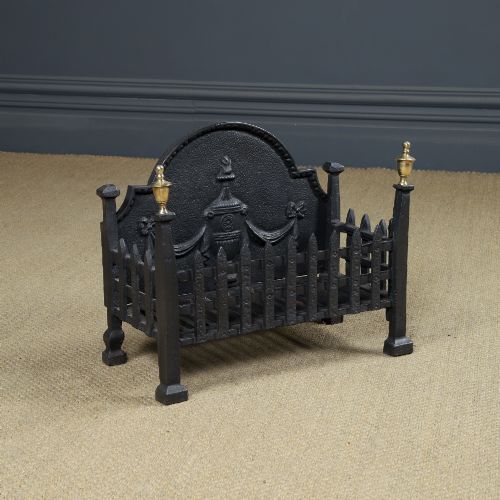
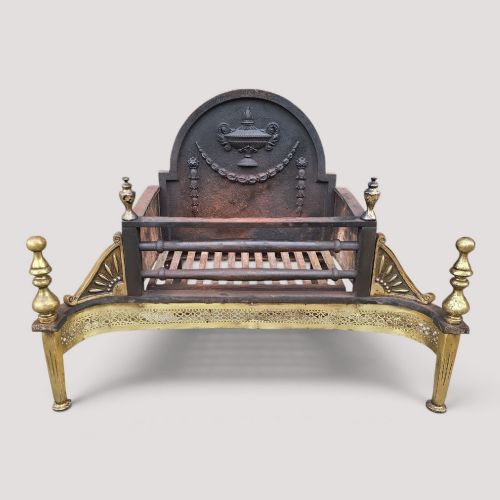
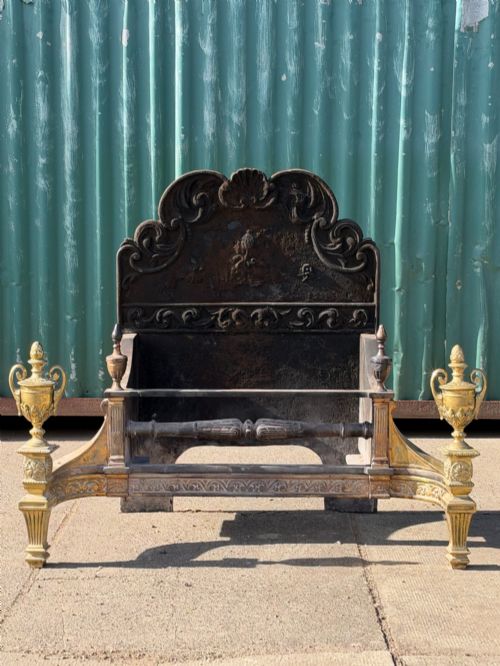
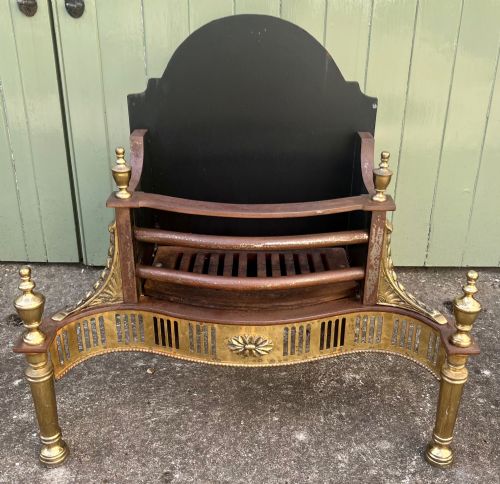
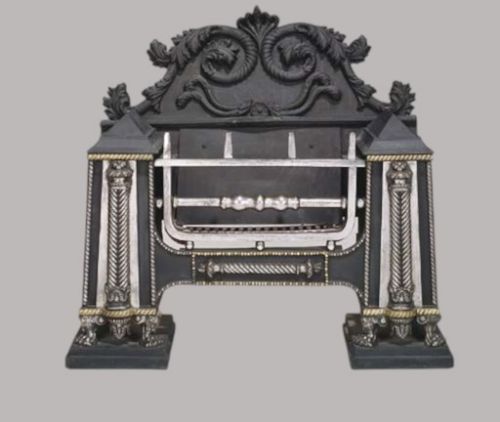
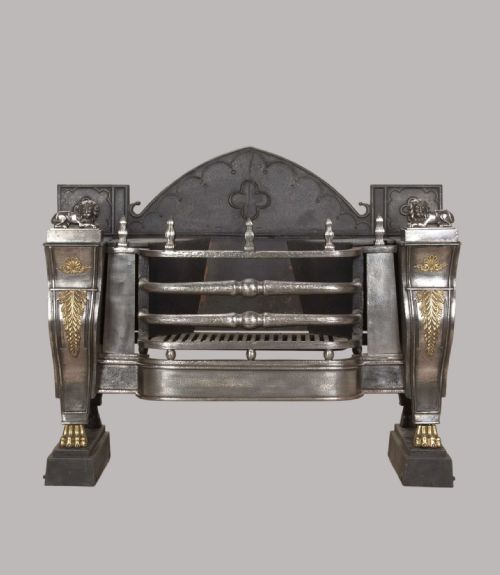
The versions most common on this page date from the Victorian and Georgian periods, alongside later revivals of classical and Gothic styles. They often incorporate integrated fire backs, fenders, and brass details.
Makers designed these grates to anchor the fireplace, serving both a functional heating role and a decorative architectural purpose within the room.
What varies in quality
The distinction between standard utility grates and superior examples lies in the weight of the metal and the crispness of the casting. Heavier ironwork and detailed brass mounts indicate a higher grade of manufacture.
Design ambition separates basic hearth furniture from pieces executed in specific stylistic traditions such as the Adam style, Regency classical forms, or Arts and Crafts ironwork.
Basket Grate Retail Price Guide 2026
Typical asking prices for basket grate among the pieces listed under this phrase on Sellingantiques today, from the lower quarter to the upper quarter. They describe what is for sale here now, not the wider market.
Some heavy inglenook grates are substantial enough to require multiple people just to shift them across the floor.
The Basket Grate Glossary
- Cast iron
- Iron poured into a mould in a molten state to form rigid, heat-resistant shapes. This material forms the solid backs and structural frames of most grates.
- Wrought iron
- Iron heated and worked by hand with a hammer to create tough, fibrous metal bars. Makers used this for the individual basket bars that withstand direct flame.
- Andirons
- Supporting metal dogs placed on either side of the hearth to hold logs or support the basket grate. They often feature decorative brass or iron terminals.
- Hob grate
- A fireplace grate featuring flat side plates or hobs designed for keeping kettles warm. These units combine the basket function with solid cast iron wings.
- Register grate
- A fireplace featuring an adjustable flap or plate above the fire to control the draught. This mechanism regulated the airflow up the chimney.
Basket Grate: Frequently Asked Questions
How do I choose the right size basket grate?
Measure the width and depth of your existing hearth opening carefully before selecting a grate. Consider whether you need a compact unit for a small room or a heavy inglenook version designed for a deep fireplace.
Take note of whether the piece stands freely on its own legs or requires supporting andirons to carry the weight.
Were these grates used for coal or wood?
Most basket grates accommodated either coal or logs depending on the spacing of the iron bars and the presence of a firebrick lining. Tightly spaced bars held smaller coal pieces, while wider baskets suited larger logs.
Many examples feature a robust cast iron fire back to protect the surrounding masonry from intense heat.
How do I identify the period of a grate?
Look to the decorative vocabulary, such as Neoclassical urns, Adam style swags, or Gothic pointed arches. Georgian and Regency pieces tend towards restrained classical symmetry, while Victorian examples often display heavier ornamentation.
Construction methods also provide clues, as machine-rolled sections replaced hand-hammered wrought iron toward the end of the nineteenth century.
Can these grates be used in a modern fireplace?
Many antique grates function effectively in working chimneys when installed by a professional who checks clearances and draught. They also serve decorative purposes in sealed or decorative fireplaces.
Ensure the dimensions match your hearth space and verify whether the piece includes an integrated fire back or requires separate andirons.