


Barye Bronze Sculpture
These pieces of barye bronze sculpture capture the intense energy and muscle of the natural world, crafted by masters of the nineteenth century.
Barye Bronze Sculpture
A barye bronze sculpture represents the pinnacle of the nineteenth century French Animalier movement, focusing intently on wild and domestic creatures in lifelike poses. Buyers search for these works to bring dynamic depictions of stags, dogs, big cats and birds of prey into an interior.
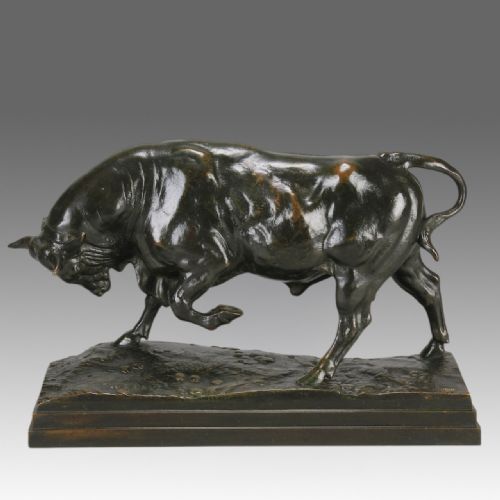
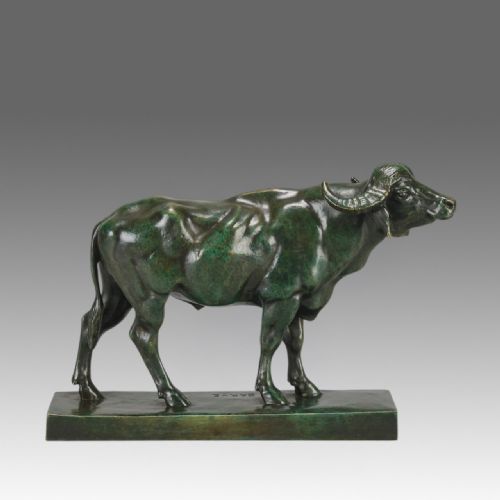
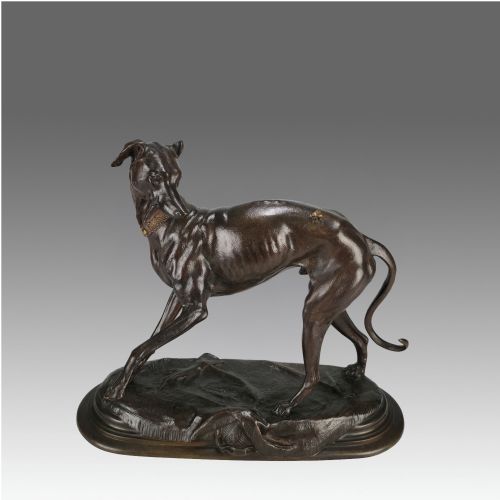
The most common examples on this page are mid nineteenth century French Animalier bronzes depicting subjects such as bulls, hounds, eagles and rabbits. These sculptures frequently sit upon integrated or separate timber bases, and occasionally rest on marble or ormolu mounts.
Originating predominantly from French workshops of the eighteen fifties, sixties and seventies, these figures capture anatomical precision with great vigour. They range from small tabletop studies of hares and dogs to larger representations of lions, panthers and ostriches.
How they were made
The works rely on traditional lost wax casting techniques, translated into durable bronze alloys to capture minute details in fur, feathers and muscle. Founders then applied dark patinas or gilt finishes to enhance the textural depth of the metal.
Many of the finest examples record the collaboration between the sculptor and premier foundries such as Barbedienne, who managed the casting and surface finishing. Bases of timber, marble or ormolu were added to provide stability and frame the composition.
Listings feature works from the nineteenth century, including specific dates from eighteen fifty to nineteen hundred, alongside Victorian examples.
What varies in quality
The sophistication of the casting and the crispness of the chasing separate standard editions from exceptional works. A superior cast retains razor sharp musculature and delicate textural work in the coat or plumage without softening during the foundry process.
The quality of the patination dictates the visual impact of the surface, with subtle tonal variations marking superior finishing. The reputation of the founder, such as Barbedienne, further elevates the standing of a piece within the market.
Antoine Louis Barye·Alfred Barye·Barbedienne·Guillemin
The Barye Bronze Sculpture Glossary
- Animalier
- A nineteenth century artistic movement dedicated to the realistic portrayal of animals. Sculptors in this genre focused on anatomical accuracy and observed behaviour.
- Patina
- The chemical or natural surface treatment applied to bronze to impart colour and protect the metal. Dark patinas are especially common on nineteenth century French casts.
- Lost wax casting
- A method of metal casting in which a molten metal is poured into a mould that has been created by means of a wax model. This technique allows for intricate detail.
- Ormolu
- Gilt bronze ornamentation applied to mounts or bases. It adds a contrasting metallic sheen to the dark patinated body of the sculpture.
- Foundry mark
- A stamp or signature left by the workshop that cast the bronze. These marks provide evidence of the manufacturing origin.
Barye Bronze Sculpture: Frequently Asked Questions
How do I identify an authentic piece?
Look for crisp casting details in the musculature and distinct foundry marks or signatures on the bronze surface. These elements confirm the traditional origins of the work.
Examine the depth of the patina and the quality of any integrated timber or marble base. Genuine nineteenth century pieces exhibit consistent wear and age-appropriate patination.
Who was Antoine Louis Barye?
Antoine Louis Barye was a renowned nineteenth century French sculptor who led the Animalier movement. He specialised in dynamic and anatomically precise studies of wild animals.
His works were celebrated for capturing beasts in motion or repose, setting a standard for animal sculpture that subsequent generations followed.
What is the Animalier movement?
The Animalier movement was a nineteenth century artistic focus on the realistic depiction of animals. Practitioners studied subjects in menageries and the wild to achieve lifelike accuracy.
Sculptors within this tradition elevated animal subjects from mere background elements to the central focus of fine art bronze casting.
How should I display these bronzes?
Place the sculpture on a sturdy surface where adequate lighting can highlight the complex patination and fine textures of the metal. Ensure the piece is secure, especially if it rests on a timber or marble base.
Keep the bronze away from direct heat sources and high humidity to preserve the stability of the metal and any underlying base materials.