
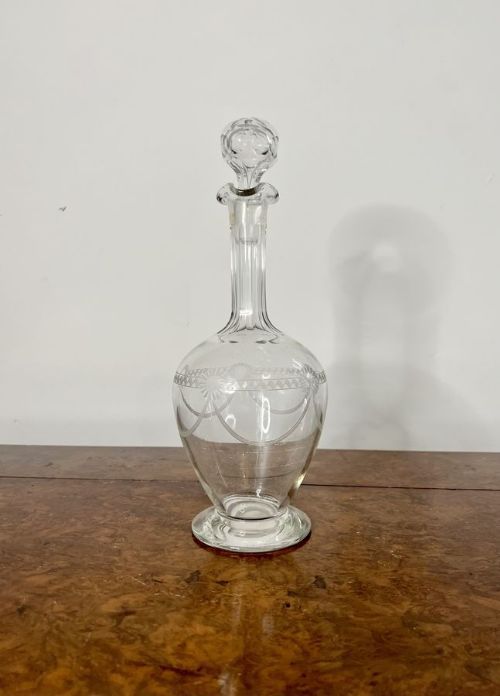
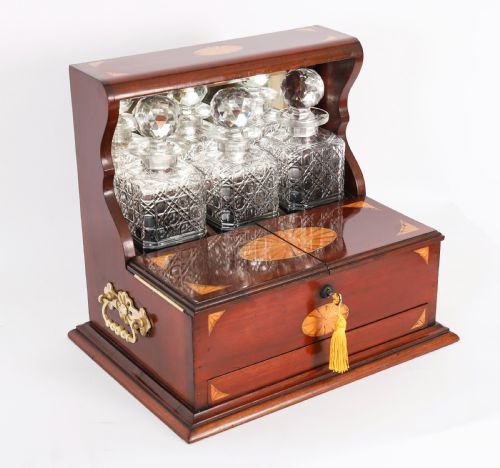


Barware Crystal Decanter
These barware crystal decanter pieces hold spirits with weight and clarity, bringing period craft directly to the modern sideboard.
Barware Crystal Decanter
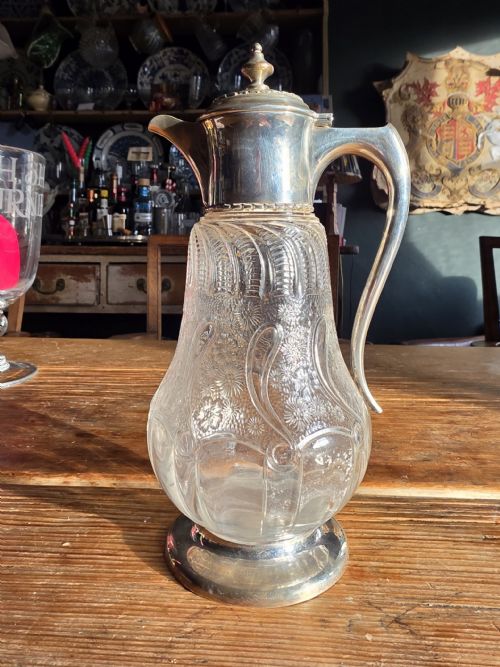
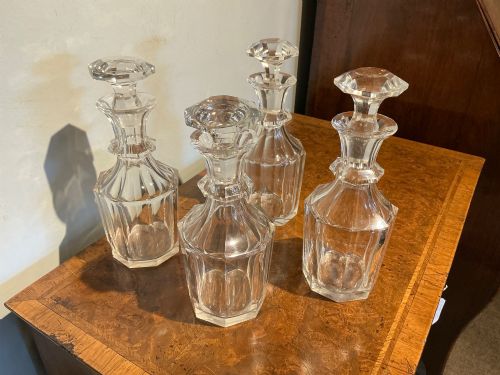
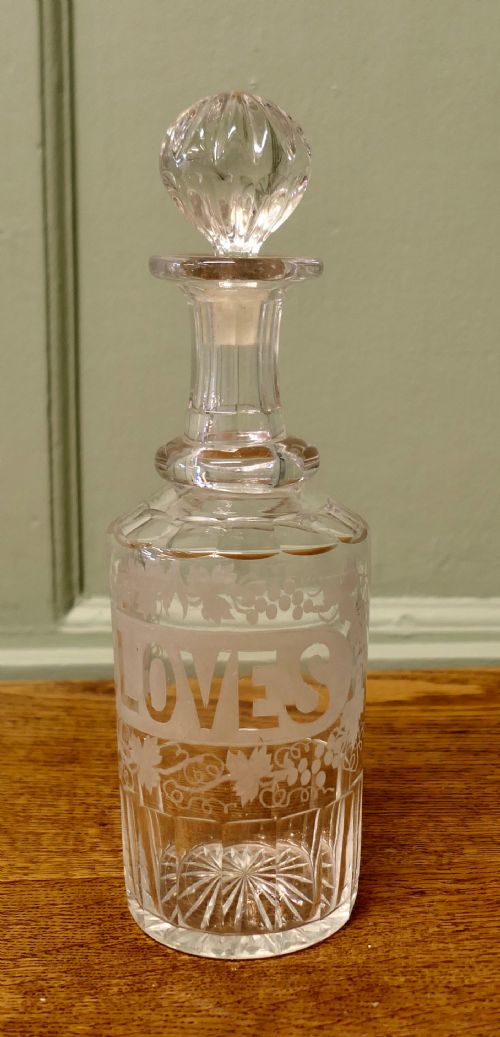
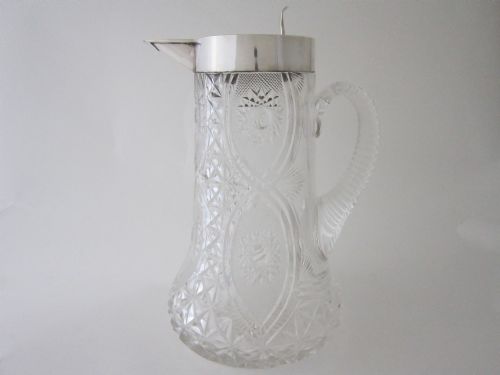
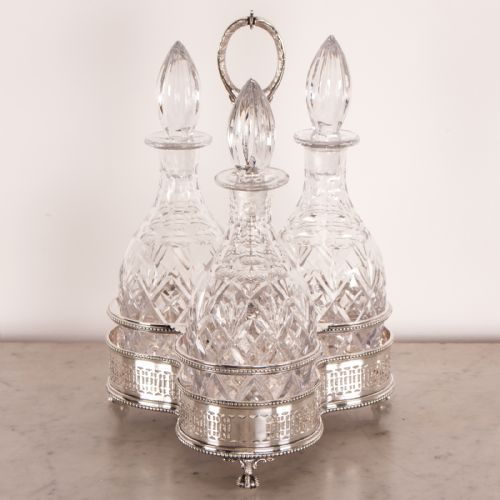
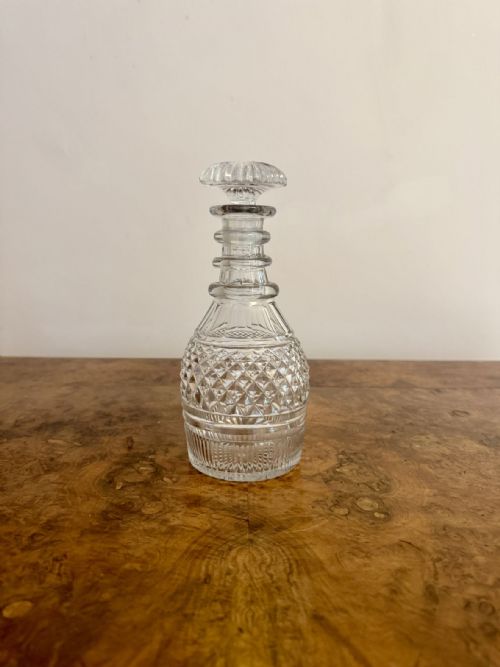
A barware crystal decanter encompasses single vessels, matched sets, spirit barrels, claret jugs, and locking tantalus frames designed to hold wine and spirits. Buyers meet examples spanning the Georgian, Regency, Victorian, and Edwardian eras, alongside Art Deco designs from the early twentieth century.
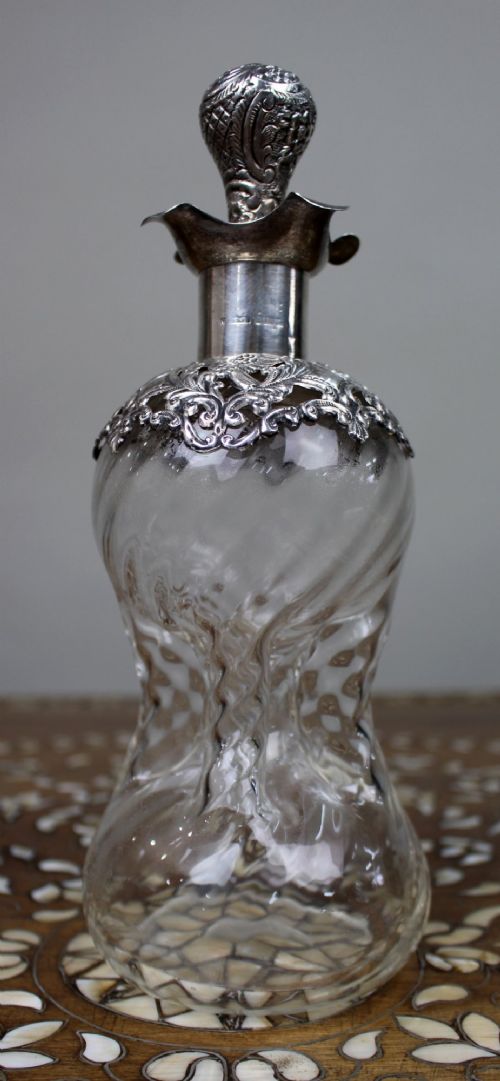
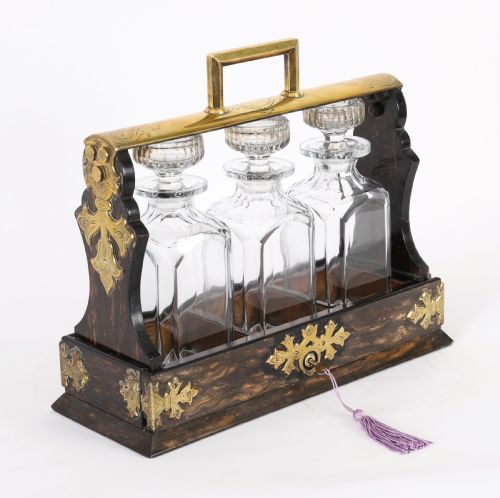
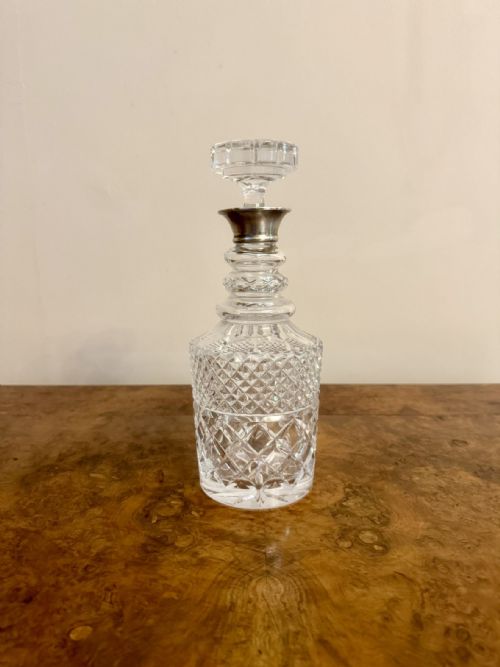
The most frequent finds on this page are Victorian and Edwardian cut glass decanters, often fitted with silver collars or housed in oak and coromandel locking frames. These range from heavy shoulder and bell-shaped vessels to multi-bottle tantalus units equipped with keys for secure storage.
Materials and Technique
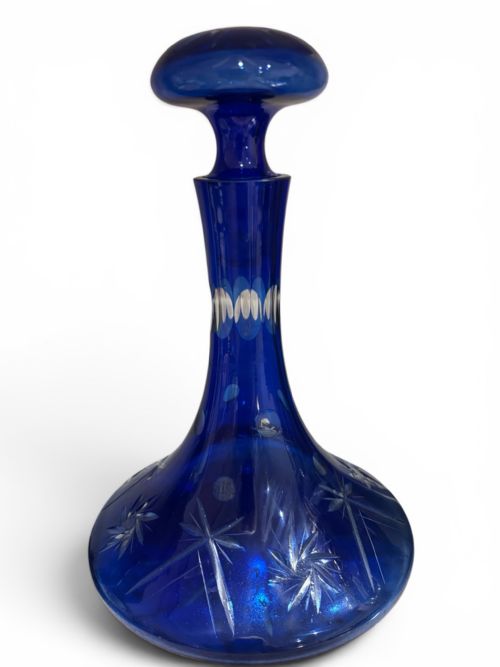
Vessels are formed from lead crystal, cut glass, and standard glass, shaped through heavy cutting, wheel engraving, and optical blowing techniques. The physical weight of the material dictates the stability of the piece when filled.
Mounts and hardware utilise sterling silver, silver plate, brass, and timber enclosures such as oak, satinwood, and coromandel. Metal collars, stoppers, and locking mechanisms are secured directly to the glass bodies or fitted into bespoke cabinetry.
Victorian hosts kept spirits under lock and key while proudly displaying the empty promise of the locked decanters to thirsty guests.
Judging Quality
Distinctions in quality rest upon the crispness of the glass cutting, the clarity of the crystal, and the substance of the metal mounts. Deep, clean wheel-cuts refract light sharply, whereas softer or smoother surfaces indicate simpler manufacturing methods.
The integrity of the accompanying hardware, such as functioning locks on a tantalus or fully matched stoppers for individual bottles, elevates a piece. Maker marks on silver collars and frames provide additional confirmation of origin and workshop standards.
Walker and Hall·Hukin and Heath·James Powell
The Barware Crystal Decanter Glossary
- Tantalus
- A locked wooden frame displaying decanters while preventing access to the contents without a key. The design secures spirits away from servants or guests.
- Claret Jug
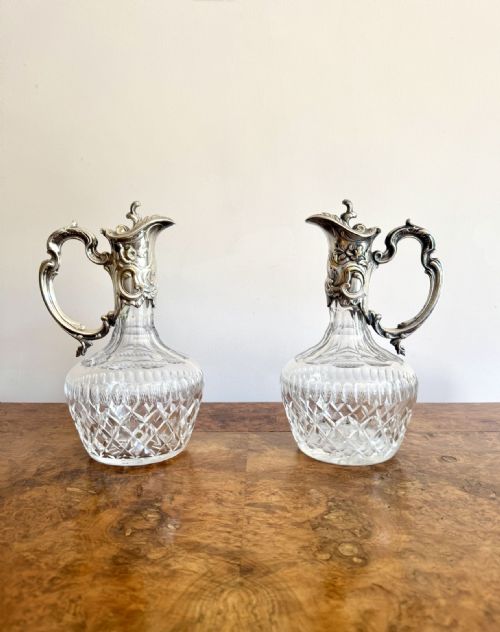
- A tall vessel specifically shaped for serving red wine, usually featuring a hinged metal lid and handle. Many examples combine glass bodies with silver-plated or sterling silver mounts.
- Lead Crystal
- Glass containing metallic oxide that increases refractive index and overall weight. This material allows for deeper, sharper decorative cutting.
- Cave a Liqueur
- A fitted box containing a set of small decanters and liqueur glasses. These portable cellarets often feature inlaid timber exteriors and velvet linings.
- Spirit Barrel
- A horizontal cylindrical vessel mounted on a stand for dispensing liquor. They frequently incorporate silver-plated taps and matching tot pails.
Barware Crystal Decanter: Frequently Asked Questions
What is a tantalus?
A tantalus is a locking wooden frame that holds decanters upright while exposing the stoppers to view. The mechanism prevents guests or staff from pouring drinks without the matching key.
Most units house two or three bottles and appear in oak, coromandel, or mahogany fitted with brass or silver-plated hardware.
How do I clean old decanters?
Residue inside vintage glass requires gentle washing without harsh thermal shocks. Warm water and specialised cleaning beads lift internal staining safely.
Silver collars and metal mounts must be kept dry to prevent tarnishing and damage to adjacent glass surfaces.
Are stoppers always original?
Stoppers were individually ground to fit specific bottle necks during manufacture. Identifying matching cut patterns and glass tint helps confirm original pairings.
Replacements do occur due to breakage over long periods of domestic use.
How do I date these pieces?
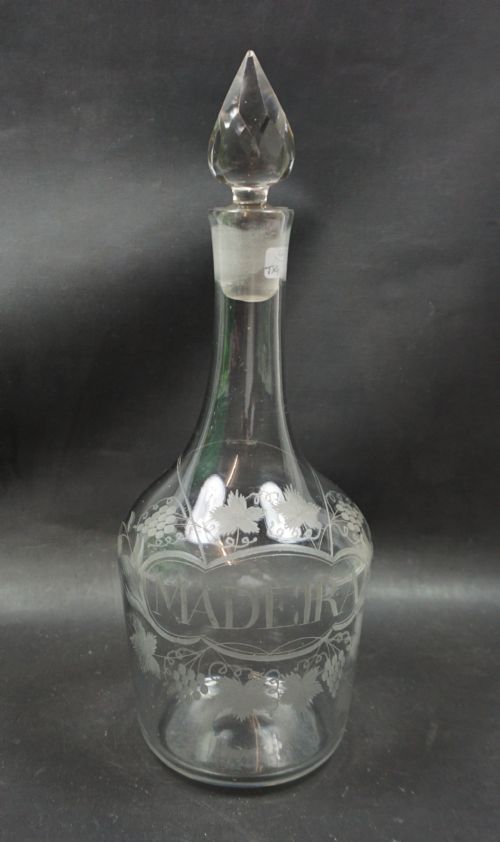
Dating relies on cutting styles, form proportions, and hallmarks on accompanying silver mounts. Georgian and Regency pieces exhibit distinct wheel-engraved labeling and lighter proportions compared to heavy Victorian cuts.
Edwardian and Art Deco examples introduce geometric motifs and alternative metal alloys like silver plate.