




London Silver Decanter
When you search for a london silver decanter, you encounter functional vessels and accompanying ware that trace centuries of dining through precious metal and glass.
London Silver Decanter
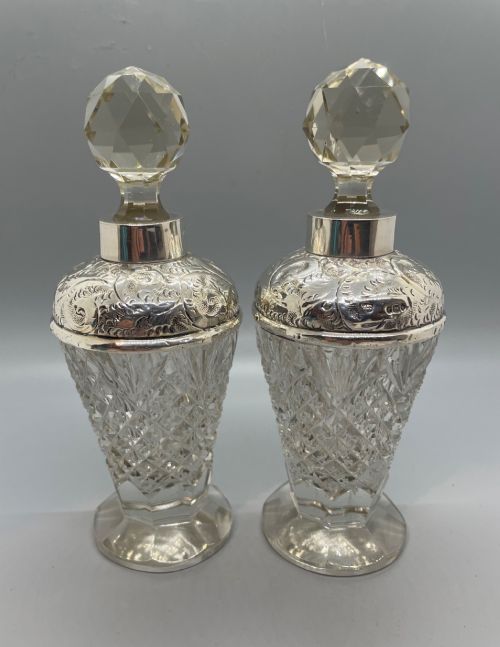
A london silver decanter search brings up glassware paired with sterling silver mounts, stands, and cast labels that span the Georgian, Victorian, and Edwardian periods. Buyers discover standard wine decanters alongside specialised vessels like claret jugs, spirit flasks, and the distinctive multiple-necked glug glug forms.
The version most commonly met on this page is the Victorian cut glass decanter fitted with a pierced or chased silver collar, often accompanied by matching identification tags marked for port, sherry, or brandy. These items reflect the formal service habits of past centuries, combining heavy crystal bodies with hallmarked metropolitan silver.
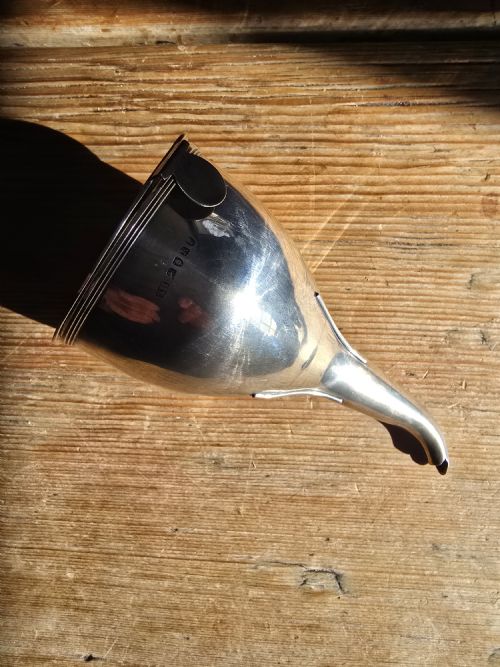
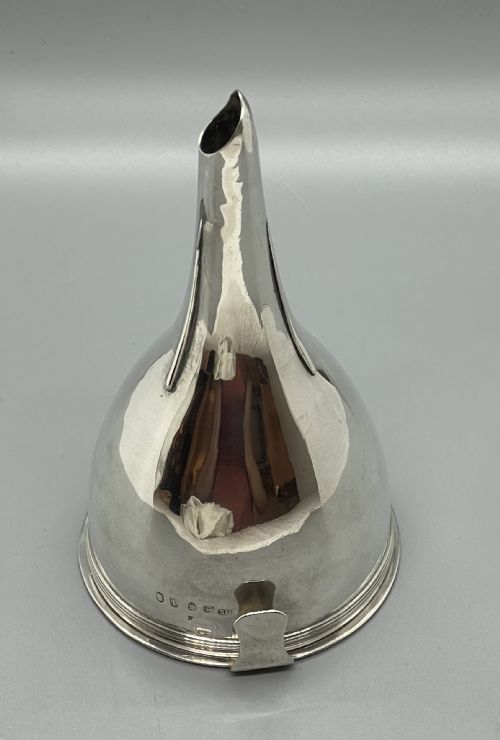
Beyond standalone bottles, the selection extends to related barware including wine funnels, cruet sets, and bottle coasters bearing London hallmarks. Each piece bridges utility and display, designed to hold spirits or wine while signaling the taste of the host.
Materials and Craftsmanship
Makers combined heavy lead crystal and coloured glass with sterling silver, utilising techniques such as hobnail cutting, etching, and latticino work for the vessels. Molten glass was blown into moulds or shaped by hand before receiving mounts fashioned from sheet silver.
The metal components required silversmiths to cast, pierce, and engrave mounts, collars, and labels, finishing many items with a layer of silver gilt for a richer surface. Hallmarks stamped directly into the silver record the assay office, date letter, and maker's mark.
Specialist firms joined glass and metal using secure collars and cork stoppers, ensuring airtight seals for ageing spirits while allowing the silver elements to be polished independently.
Listings feature items spanning the eighteenth century through the mid-twentieth century, with a strong concentration of Victorian cut glass and Georgian silver.
Markers of Distinction
Quality rests in the weight and clarity of the crystal body, where deep, sharp wheel-cutting creates crisp light refraction compared to softer, moulded patterns. Superior pieces maintain clear resonance when struck and display heavy, unblemished glass walls.
The standard of the silver work sets higher-tier items apart, distinguished by crisp casting in handles and mounts, deeply chased decorative motifs, and legible hallmarks. Master silversmiths and recognised workshops executed mounts with tighter joins and thicker gauges of metal.
Completeness and historical cohesion influence standing, particularly when stoppers are original to the bottle and identification labels match the specific beverage intended for the vessel.
Solomon Hougham·Charles Thomas Fox·Hester Bateman·Hukin and Heath·William Comyns·Elizabeth Morley
The London Silver Decanter Glossary
- Claret jug
- A pouring vessel designed specifically for red wine, usually featuring a hinged silver lid and handle attached to a glass body. These often date from the Victorian era.
- Glug glug decanter
- A specialised spirits bottle with multiple parallel tubes forming the neck, creating a gurgling sound when liquid is poured. They appear frequently in late nineteenth-century styles.
- Hallmark
- Official stamps applied by an assay office to guarantee the purity of precious metals. London pieces carry the leopard head mark alongside date letters and maker initials.
- Silver gilt
- Sterling silver that has been coated with a thin layer of gold through an electrolytic or fire-gilding process. This technique provides a warm, two-tone finish against clear glass.
London Silver Decanter: Frequently Asked Questions
How do I date a silver mount?
You determine the production date by locating the small stamped letter within the hallmarks on the metal collar or handle. This assay mark corresponds to specific active years for the London office.
Matching the shape of the bottle and the style of the engraving helps confirm whether the mount and the glass vessel are contemporary to one another.
Why do some decanters gurgle?
Decanters known as glug glug bottles feature an ingenious internal channel system within their folded necks that restricts air flow during pouring. This design produces the characteristic gurgling sound.
Victorian makers utilised this form for liqueurs and spirits, adding silver collars and stoppers to complete the presentation.
How should I clean antique glass?
Cleaning requires warm water and mild detergent, avoiding harsh abrasives that might scratch the delicate lead crystal or wear away aged silver mounts. Wooden bottle beads or specialised cleaning brushes help reach interior residue without damaging the base.
Silver components should be polished carefully with a soft cloth while separated from the glass to prevent tarnishing agents from settling into crevices.