



Baroque Throne Chairs
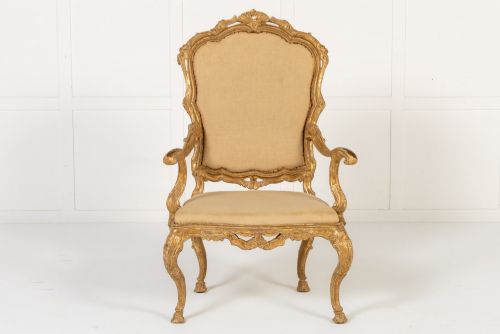
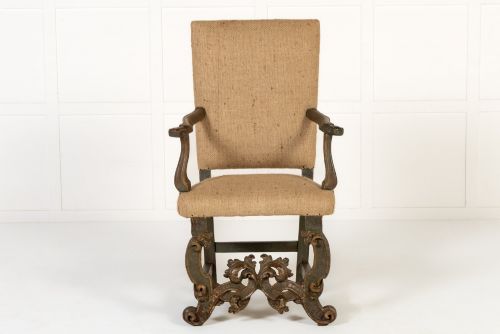
Baroque throne chairs command attention with heavy carving and tall backs, bringing dramatic presence and historic weight to a room.
Baroque Throne Chairs
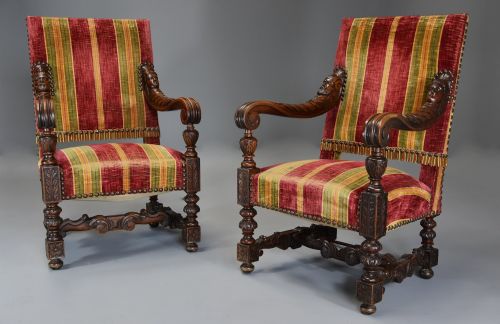
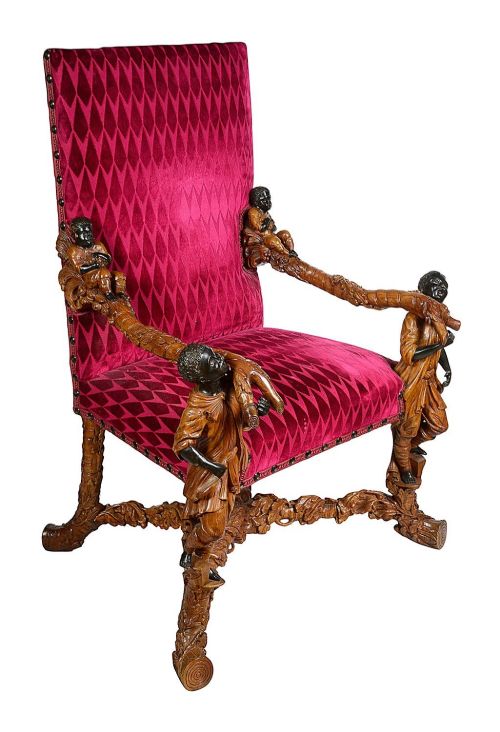
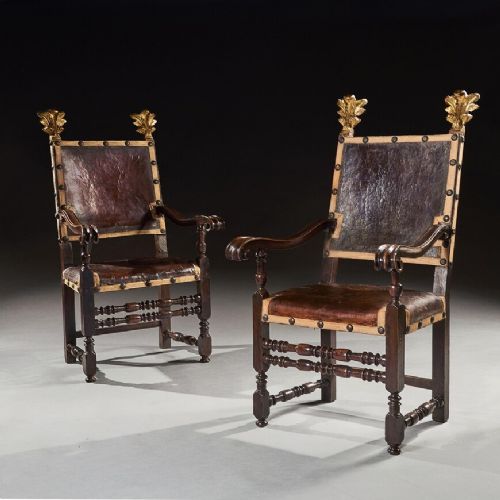
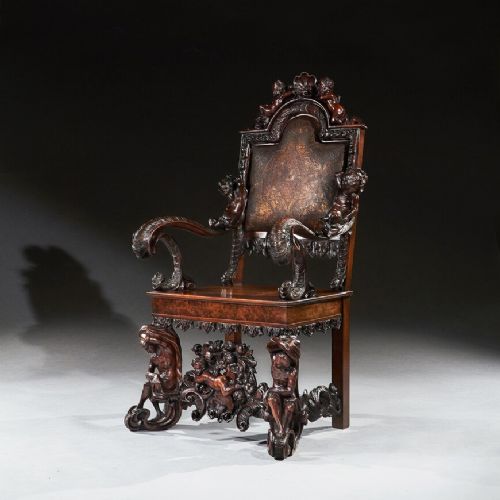
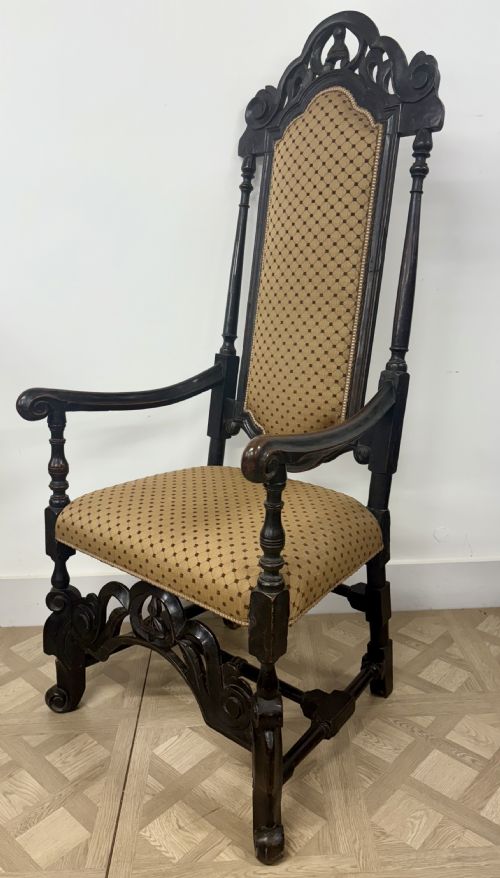
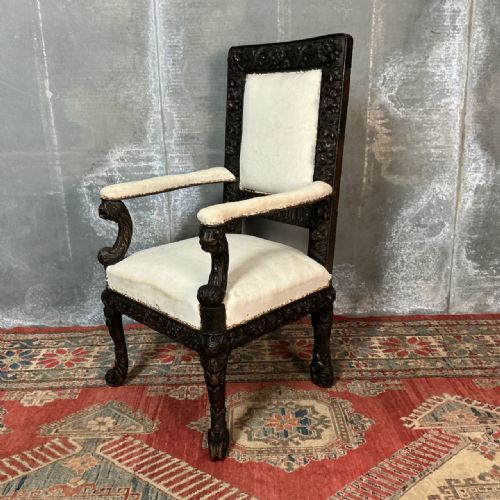
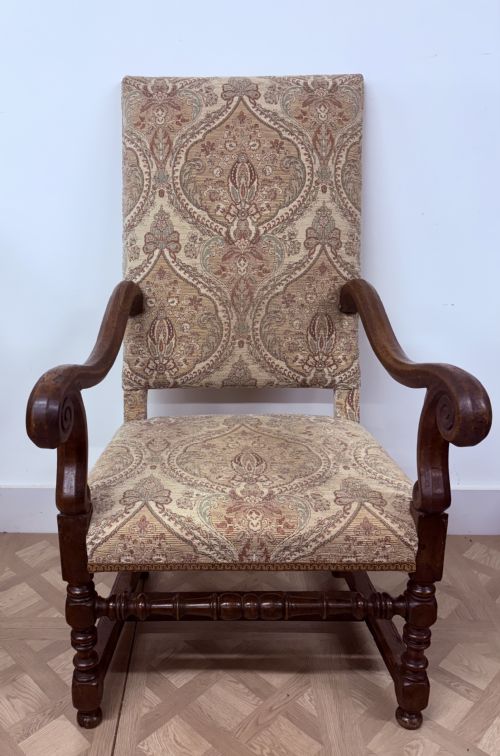
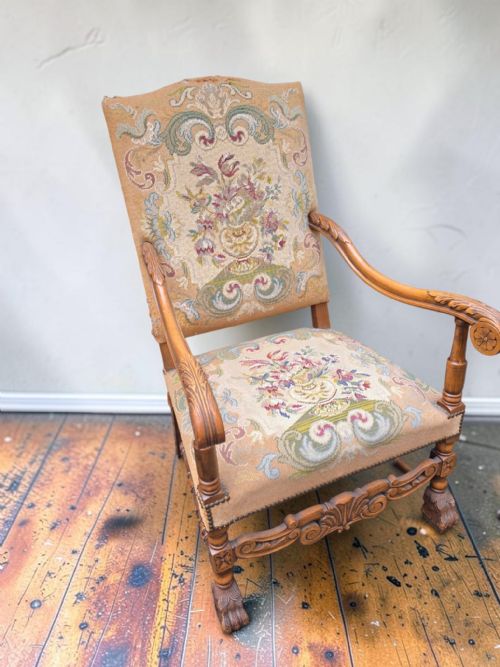
These imposing seats feature high upholstered or carved backs, open arms, and robust frames designed for domestic grandeur or formal halls. They draw heavily on regional traditions including Venetian, Carolean, and William and Mary styles, utilising rich textiles and substantial wooden structures.
Materials and construction
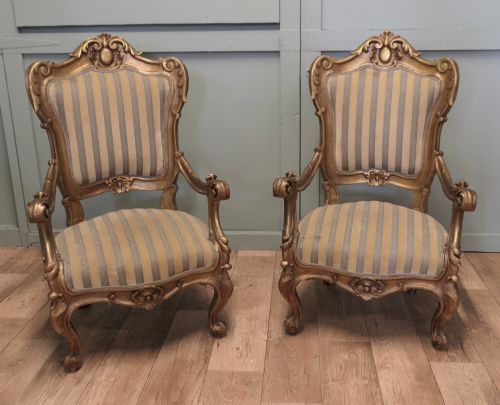
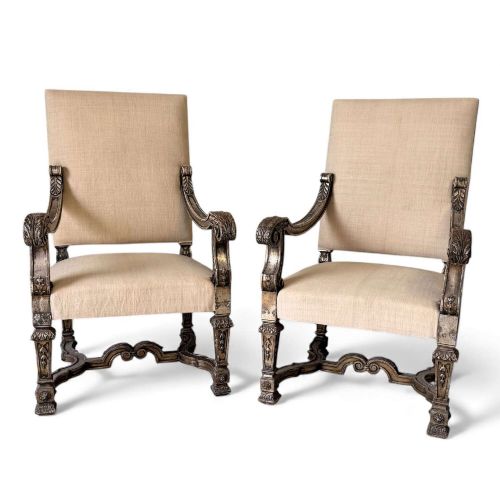
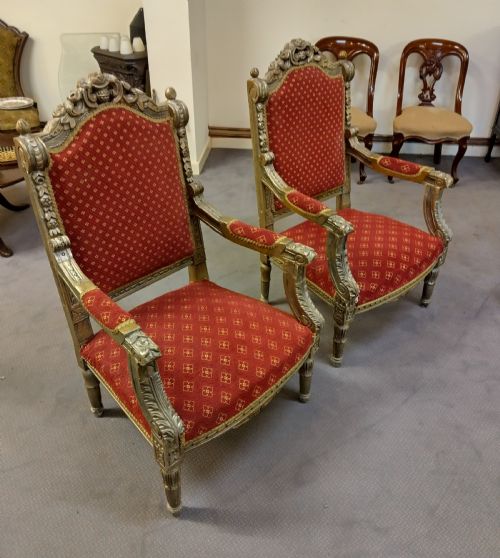
Makers built these substantial armchairs predominantly from walnut, oak, and giltwood, utilising solid timbers capable of supporting deep and intricate relief carving. Surfaces often display parcel-gilt details, silver gilt, or decorated finishes that highlight the elaborate scrolling foliage and figural motifs.
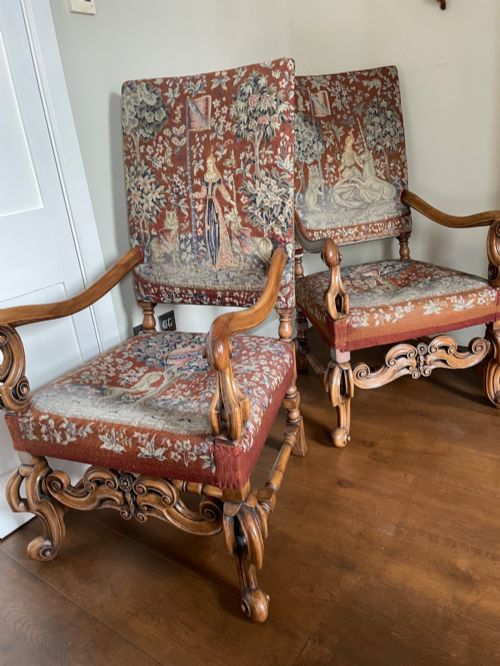
Upholstery and structural support rely on durable materials such as brass tacks, leather, cane, velvet, and tapestry. Frame construction employs traditional joinery to secure the tall backs and heavy armrests characteristic of seventeenth-century and revival seating.
Baroque Throne Chairs Retail Price Guide 2026
Typical asking prices for baroque throne chairs among the pieces listed under this phrase on Sellingantiques today, from the lower quarter to the upper quarter. They describe what is for sale here now, not the wider market.
Listings span seventeenth-century origins through to nineteenth-century revivals, utilising walnut, oak, giltwood, and cane.
Judging quality and execution
The distinction between ordinary and exceptional examples rests in the depth and sharpness of the hand-carved woodwork. Superior pieces exhibit crisp, spirited carving in walnut or giltwood, where sculptural details retain their definition rather than appearing soft or mechanical.
Proportion and material integrity also dictate standing, with high-quality seating maintaining balance across large-scale frames and utilising period-appropriate textiles like heavy tapestry or supple leather. Original seventeenth-century construction carries different technical merit compared to nineteenth-century revival craftsmanship, though both demand rigorous joinery.
Andrea Brustolon
The Baroque Throne Chairs Glossary
- Baroque revival
- A nineteenth-century stylistic movement that reinterpreted seventeenth-century ornamentation with exaggerated scale and ornate carving. It dominated the production of decorative seating during the Victorian era.
- Giltwood
- Timber treated with gold leaf or gold paint applied over a prepared gesso surface. This finish creates a brilliant metallic sheen characteristic of formal Italian and French seating.
- Fauteuil
- An open-framed upholstered armchair originating in France, featuring exposed wooden arms. They often appear in revival forms with tall backs and elaborate carving.
- Carolean
- Pertaining to the reign of Charles the Second, associated with rich walnut framing, high carved crest rails, and scrolling stretcher bars. This style heavily influenced later revival armchairs.
- Parcel-gilt
- A decoration method where only specific portions of a wooden object are gilded, leaving the underlying walnut or oak visible. It highlights particular carved elements on arms and crest rails.
Baroque Throne Chairs: Frequently Asked Questions
How do I spot a revival piece?
Nineteenth-century revival pieces often display machine-assisted crispness in the woodcarving or timber characteristics typical of later Victorian workshops. Examining the internal joinery and wear patterns reveals whether the chair dates to the seventeenth century or the later revival period.
Makers working in the 1800s frequently utilised walnut or oak to replicate earlier Italian and French designs with great theatricality. Comparing the structural framing to dated examples helps clarify the actual period of manufacture.
Where were these chairs placed?
Historically, high-backed armchairs served as seats of authority for dignitaries, heads of households, or honoured guests in grand reception rooms. They occupied prominent positions against walls or at the heads of long tables rather than gathering around everyday hearths.
In modern interiors, their commanding scale suits them to spacious hallways, studies, or drawing rooms as focal points. They function well away from casual seating groups where their carved wooden frames and tall silhouettes remain fully visible.
What is the difference between giltwood and brass?
Giltwood consists of wood coated with a fine layer of gold leaf or gilt finish to simulate solid gold, providing a warm, reflective surface for elaborate carvings. Brass appears primarily as hardware, such as decorative upholstery tacks securing leather or fabric to the frame.
While giltwood forms the primary structural appearance on many Italian and French armchairs, brass functions as a functional and decorative accent. Both materials contribute to the opulent visual weight typical of baroque seating.
How should I care for tapestry upholstery?
Tapestry and fabric covers require gentle dusting with a soft brush and protection from direct sunlight to prevent fading of the woven threads. Maintaining stable room humidity prevents the underlying wooden frames and organic textiles from drying out.
Heavy velvet and leather surfaces benefit from specialist conditioning appropriate to their age and material composition. Avoid placing these chairs in damp environments or areas subject to extreme temperature fluctuations.