
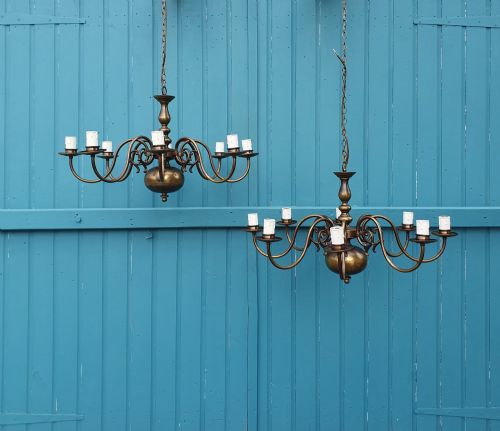

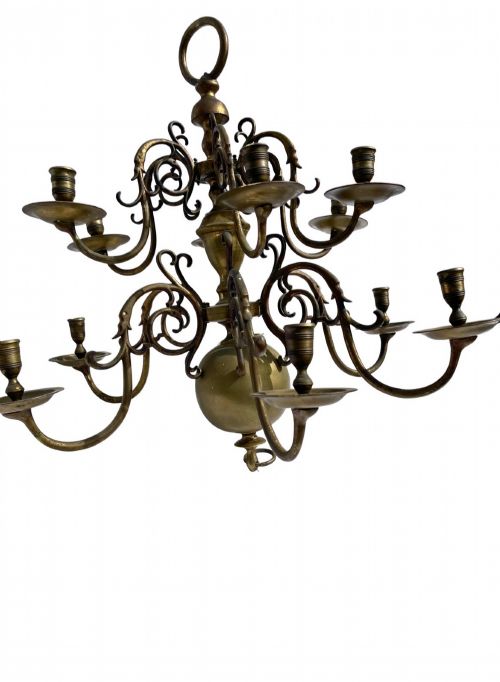


Baroque Style Chandelier
A baroque style chandelier brings monumental presence and dramatic form to a room through heavy giltwood, tiered brass, and clustered light.
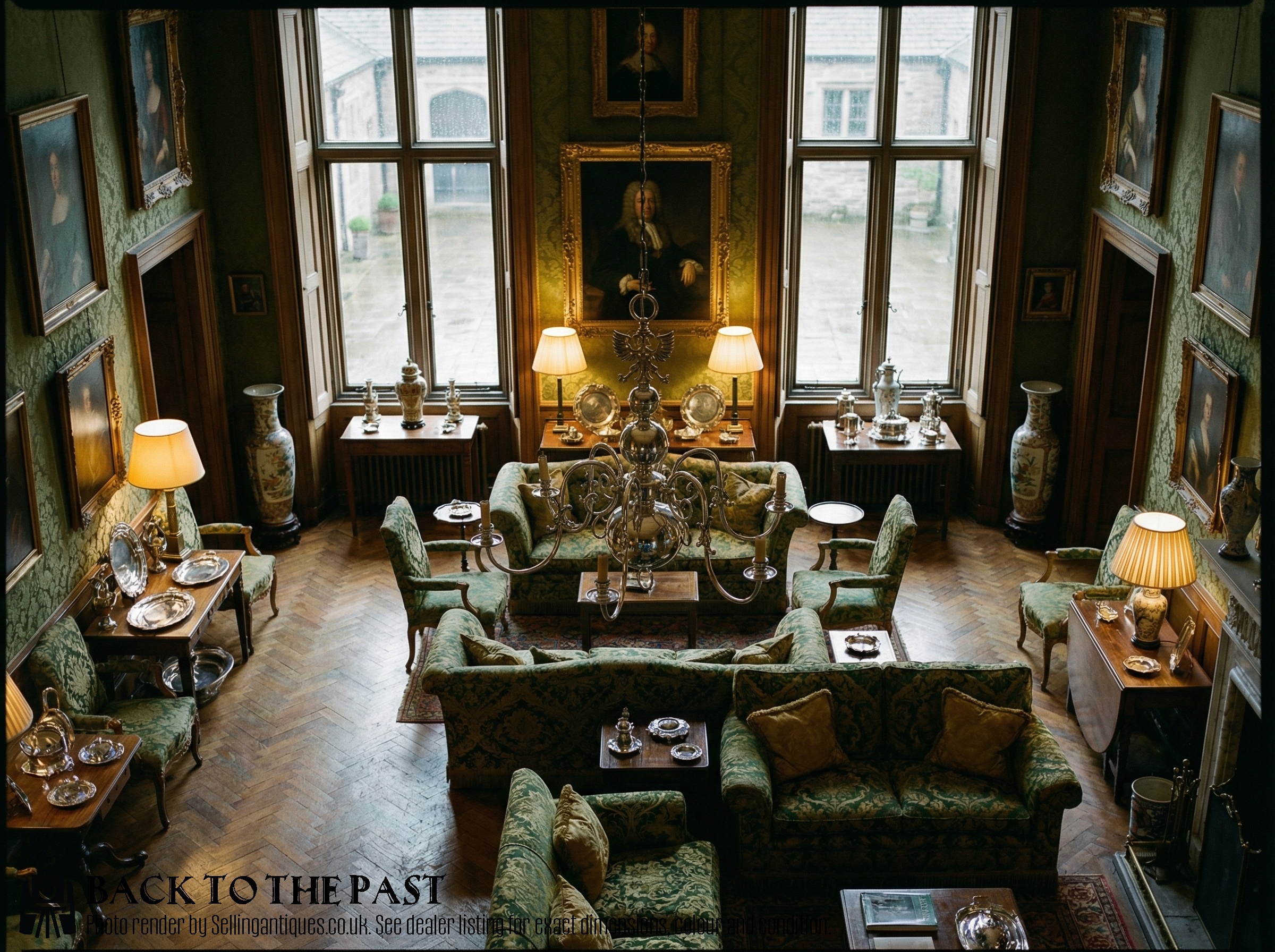
Baroque Style Chandelier
A baroque style chandelier is a commanding ceiling fixture designed to dominate a space through scale, complex branch arrangements, and theatrical ornamentation. When looking for a baroque style chandelier, you encounter regional expressions ranging from robust Dutch brass fixtures to elaborately carved Italian giltwood lanterns.
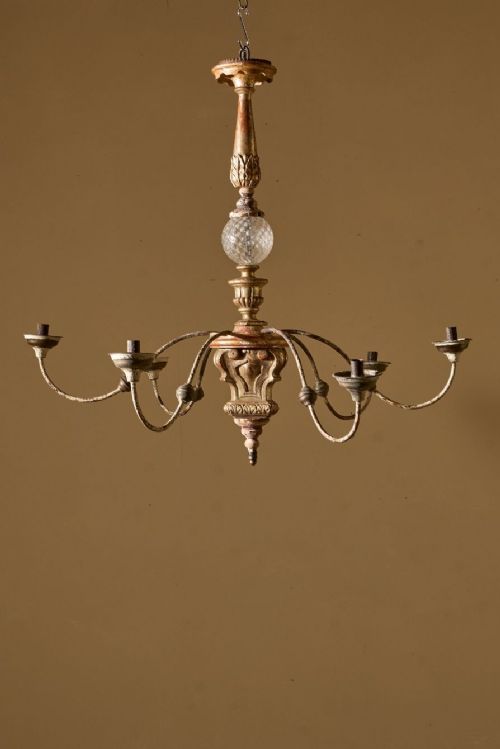
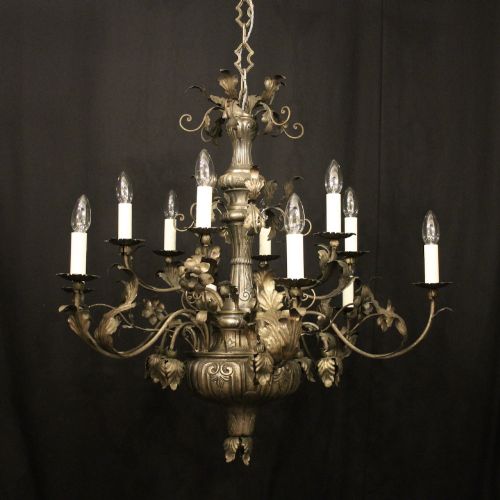
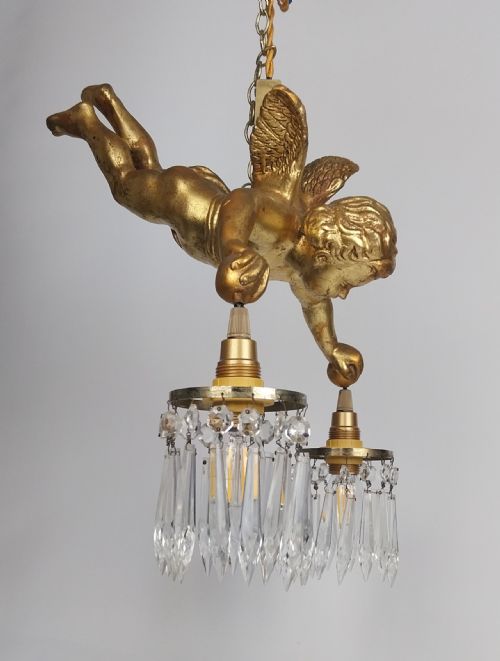
The pieces on this page span from the eighteenth century through the Edwardian era and the early twentieth century, incorporating revivals alongside earlier examples. Common forms include multi-tiered brass branch designs, winged cherub figures, and carved wooden lanterns.
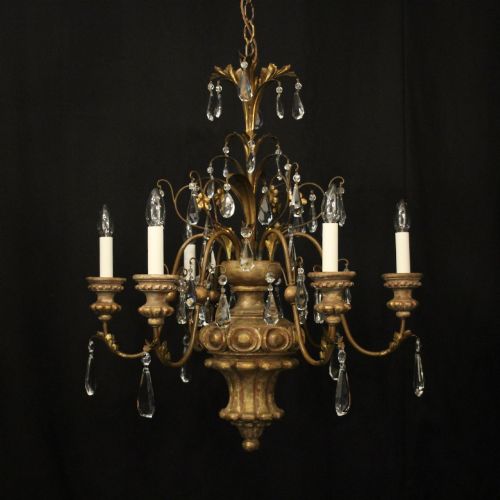
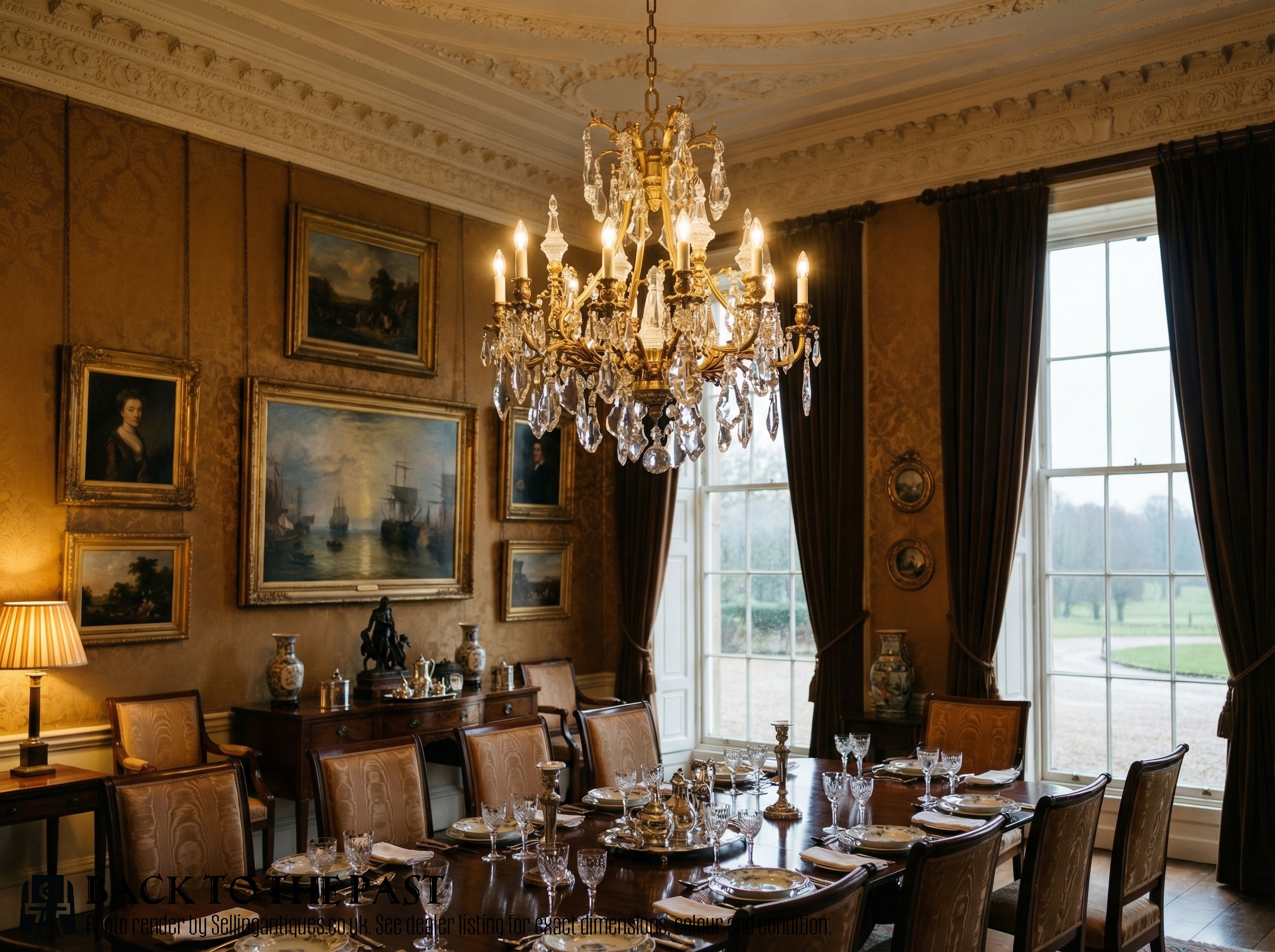
Italian examples often lean towards gilded wood and bronze set with crystal, while Dutch and Flemish interpretations favour solid brass, copper, and sweeping multi-armed tiers. These fixtures originate from distinct European traditions that prioritized either warm metallic glow or heavily carved, gilded surfaces.
How they were made
Makers constructed these fixtures using robust base metals and dense timbers, employing cast brass, beaten copper, and solid bronze alongside carved giltwood and gesso. Metal elements were often joined in multiple tiers or branches, while wooden frames received layers of gold leaf or gesso preparation.
Assembly techniques involved hand-riveting brass arms, carving intricate details like cherubs and scrolling foliage by hand, and wiring later conversions for electricity while retaining period components. Glass and crystal elements were integrated into bronze frames or hung as beaded swags to catch and refract the candle or lamp light.
Baroque Style Chandelier Retail Price Guide 2026
Typical asking prices for baroque style chandelier among the pieces listed under this phrase on Sellingantiques today, from the lower quarter to the upper quarter. They describe what is for sale here now, not the wider market.
Listings feature materials including brass, glass, gilt metal, giltwood, iron, crystal, gold leaf, and gesso across several centuries.
What varies in quality
The distinction between standard production and exceptional quality lies in the depth of hand-carving on wooden components and the purity of casting in metal fixtures. Superior pieces exhibit crisp detail in figures such as winged cherubs and deep, multi-tiered branch structures that maintain structural balance without crude joins.
Gilding technique and the preservation of original fire gilding or gold leaf elevate certain examples, whereas heavier, simpler brass and copper iterations focus on utilitarian durability rather than intricate ornamentation. The integration of crystal drops and the complexity of multi-tiered branch systems further differentiate workshop standards.
The Baroque Style Chandelier Glossary
- Giltwood
- Timber that has been coated with a thin layer of gold leaf. This finish creates a rich, reflective surface often seen on Italian and Venetian frames.
- Pricket
- A sharp metal spike designed to hold a candle upright. Early examples utilised this method before socket candles became standard.
- Gesso
- A plaster-based mixture applied to wood surfaces as a preparation for gilding. It allows for sharp, intricate relief carving.
- Tier
- A circular row of branches or lights arranged horizontally on a fixture. Double and triple tiered examples provide increased illumination.
- Lantern
- An enclosed hanging light fixture featuring glazed panels or an open carved frame. These often incorporate elaborate crests and hanging drops.
Baroque Style Chandelier: Frequently Asked Questions
How do I hang a heavy chandelier safely?
These fixtures require professional ceiling joist assessment and suitable load-bearing hooks due to the substantial weight of solid brass, bronze, and carved giltwood.
Electrical wiring must be adapted to support the total wattage while preserving the structural integrity of the original metal or wooden arms.
How do I clean an antique brass chandelier?
Dusting with a soft, dry brush removes surface particles without disturbing aged patination or delicate lacquered finishes on the brass.
Harsh chemical polishes should be avoided to preserve the natural oxidation that develops over centuries on copper and brass surfaces.
What is the difference between Dutch and Italian styles?
Dutch examples typically feature polished solid brass or copper with sweeping multi-armed tiers designed to reflect ambient light off plain metal.
Italian pieces favour carved giltwood, gesso, and gilded bronze combined with crystal beads and figurative elements like cherubs.
Can these fixtures be wired for modern electricity?
Most surviving pieces have been previously adapted or can be safely rewired by a specialist using internal channels within the central stem and branches.
Candle-style sleeves are often fitted over modern lamp holders to maintain the historic visual appearance of the original design.