


Baroque Style Carved Chair
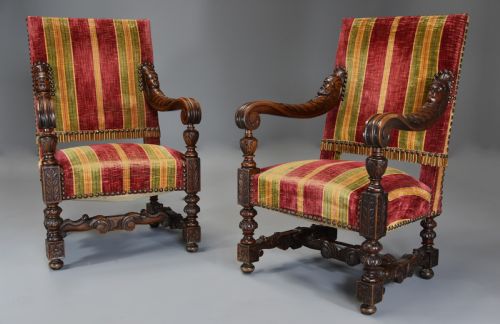
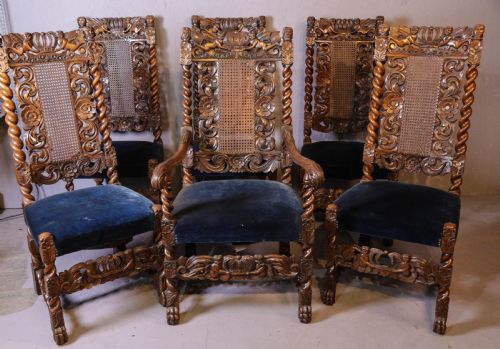
A baroque style carved chair brings heavy timber and dramatic scrolling to a room, offering substantial presence and rich historical character.
Baroque Style Carved Chair
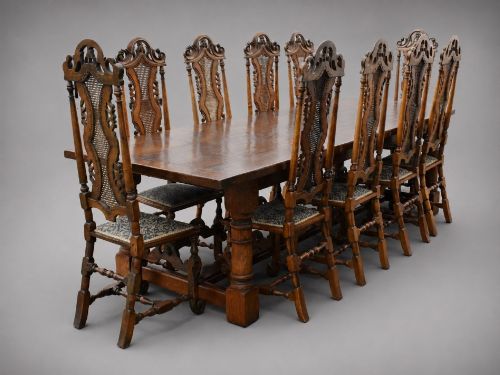
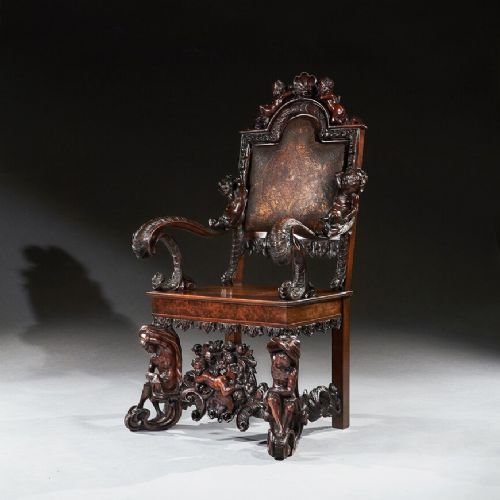
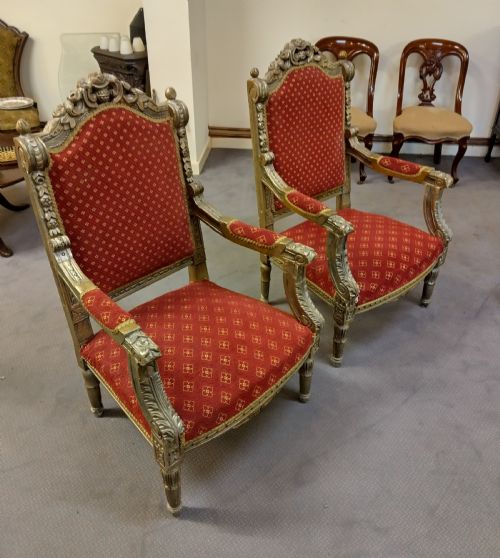
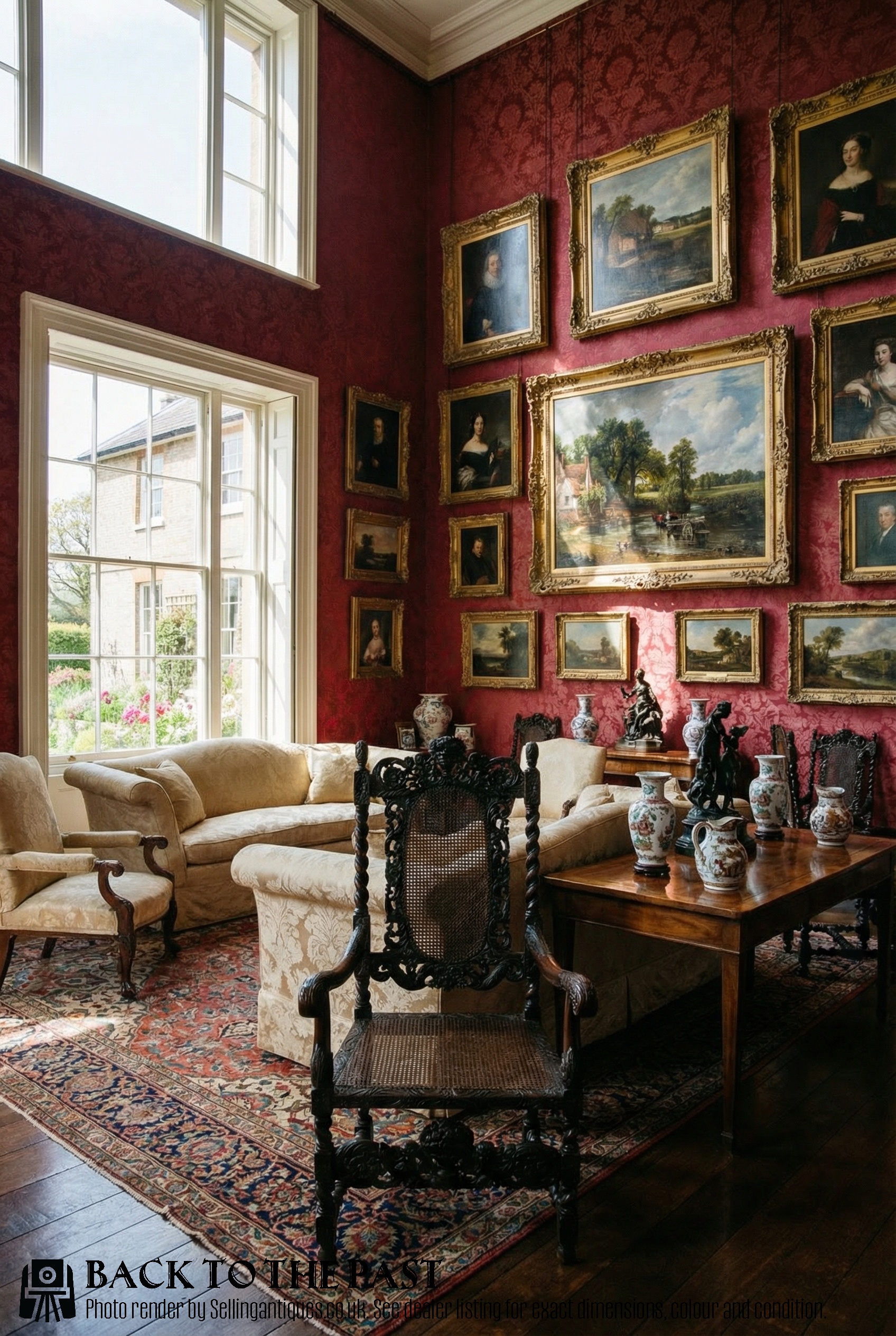
A baroque style carved chair stands for a tradition of theatrical design, heavy timber frames, and elaborate ornamentation rooted in seventeenth and eighteenth-century European courts. Buyers seeking this phrase look for grand seating forms that project authority, featuring high backs and commanding silhouettes.
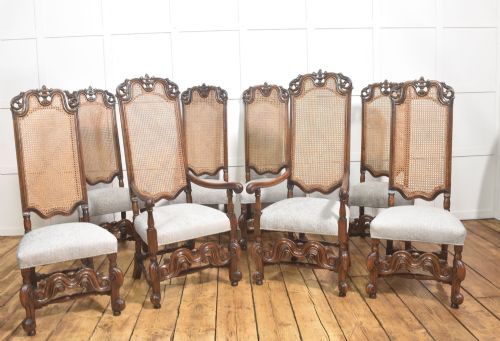
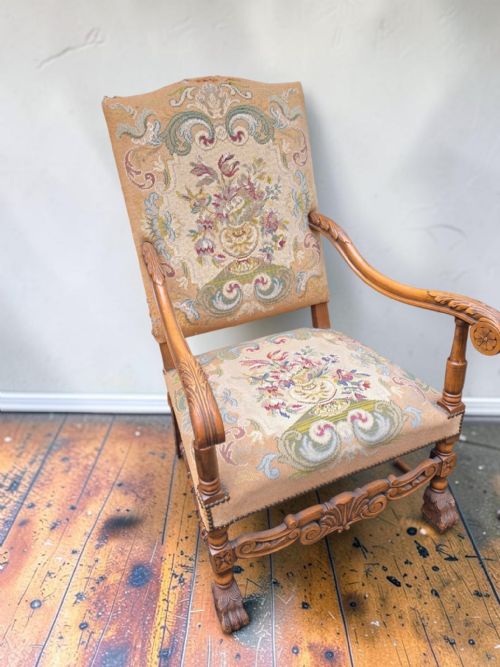
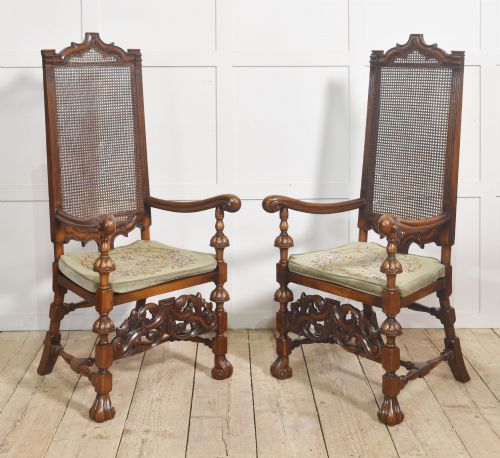
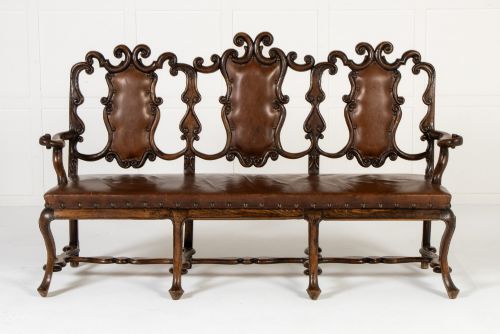
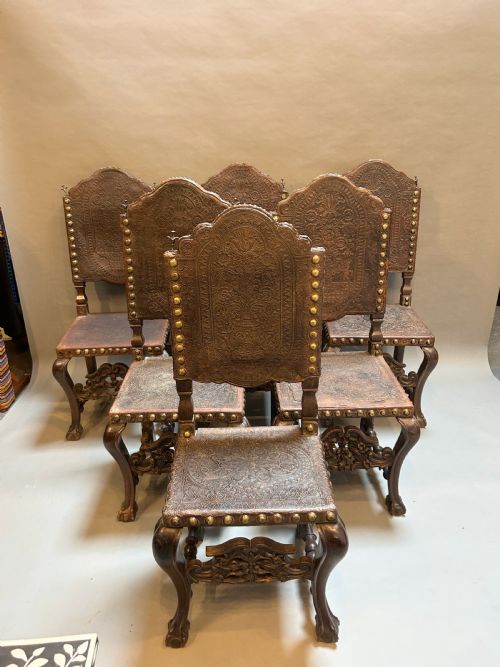
The selections available here span from genuine seventeenth-century survivals through nineteenth-century revivals inspired by French, Italian, and English traditions. Walnut and oak dominate the material record, frequently paired with cane panels, velvet, or needlework upholstery.
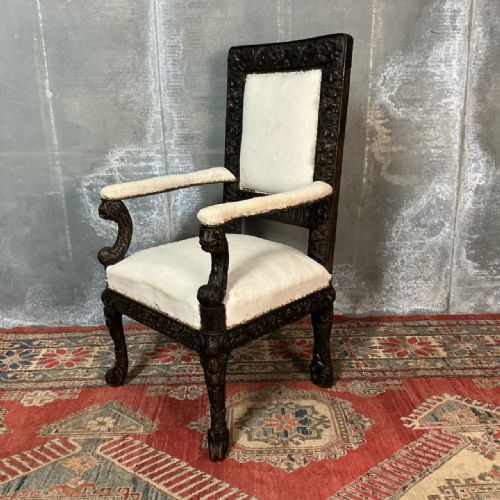
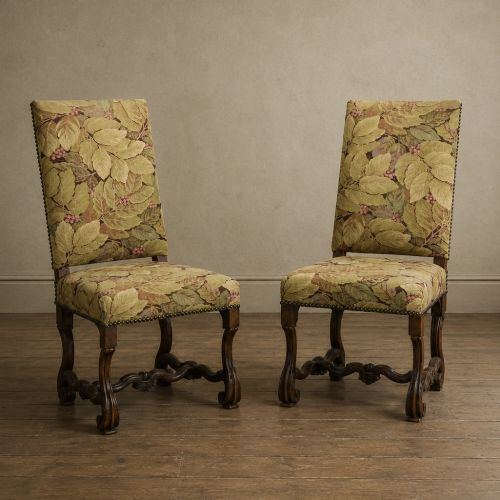
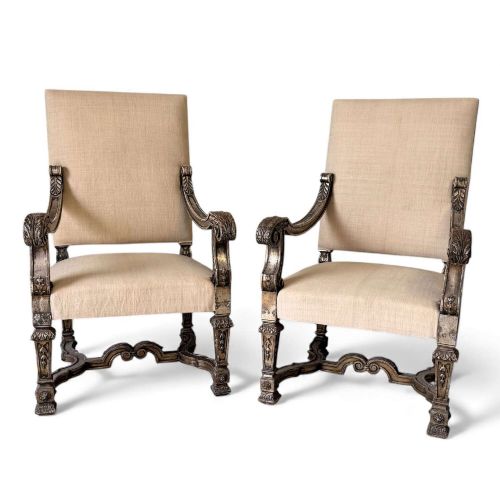
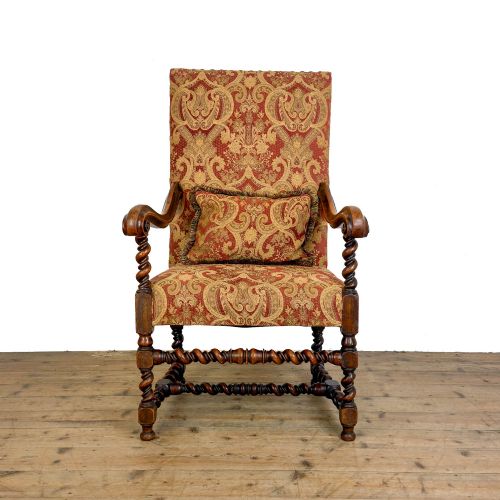
Forms range from tall-back dining chairs and side chairs to massive throne armchairs and elbow chairs. Many examples reflect nineteenth-century revivals such as Carolean, William and Mary, and Louis XIV styles, executed with deep relief carving and sculptural wooden frames.
Materials and construction
Makers relied primarily on dense hardwoods such as walnut and oak, which possessed the structural strength required to support deep, sculptural carving without compromising the frame. Giltwood and padouk also appear in the record, providing surfaces for gold leaf or displaying exotic grain patterns.
Joinery methods involved traditional mortise and tenon frames, strengthened by turned stretchers and heavy corner blocks to bear the weight of high backs and sweeping arms. Skilled carvers worked the timber by hand to produce acanthus leaves, scrolls, and pierced cresting rails.
Upholstery techniques utilised webbing and stuffing fixed to the wooden framework, covered in velvet, leather, tapestry, or silk, while other models featured woven cane panels inserted into shaped backrests and seats.
Listings feature walnut as the dominant wood, alongside oak, padouk, and giltwood finishes across various centuries.
Distinctions in quality
Quality rests principally on the depth, crispness, and hand-carved detail of the timber work, where sharp relief and undercut foliage indicate a master hand rather than mechanical or shallow execution. The choice of primary wood also dictates standard, with dense figured walnut and solid oak holding higher regard than softer secondary timbers.
The integrity of the structural frame, the retention of original surface patination, and the fidelity of revival periods relative to seventeenth and eighteenth-century exemplars mark the difference between standard production and exhibition quality pieces.
Andrea Brustolon
The Baroque Style Carved Chair Glossary
- Fauteuil
- An open-armed upholstered armchair originating in France, featuring exposed wooden framing around the back and seat. These chairs typically display carved crest rails and cabriole or turned supports.
- Carolean
- A style relating to the reign of Charles II in England, characterised by rich carving, scrolling foliage, and crown motifs. Surviving examples often employ cane panels within tall walnut frames.
- Giltwood
- Timber coated with gold leaf or metallic paint over a prepared gesso ground. This finish creates a luminous, reflective surface common on grand throne armchairs and ceremonial seating.
- Stretcher
- A horizontal wooden brace connecting the legs of a chair to provide structural stability. In baroque seating, these elements frequently feature complex saltire or scroll turning.
Baroque Style Carved Chair: Frequently Asked Questions
How do I identify a revival piece?
Nineteenth-century revival pieces often display machine tooling marks alongside hand carving, and timber conditioning differs from seventeenth-century stock. Examining the interior joints and secondary woods helps clarify the true date of manufacture.
Makers during the Victorian and Edwardian eras frequently copied earlier French and English palace designs closely, using older stylistic vocabularies on nineteenth-century frame constructions.
Where should I place a throne armchair?
These large chairs require generous floor space and solid walls to support their visual weight. They function well as statement pieces in hallways, studies, or grand living rooms.
Avoid placing them in narrow walkways where the projecting arms or carved crest rails might suffer accidental impact from foot traffic.
Can I use these chairs for dining?
Dining sets and high-back side chairs provide functional seating around large tables, provided the seat height matches modern standards. Many historic dining chairs offer upright support suited for meal times.
Buyers should verify seat dimensions and leg clearances, as older chairs occasionally feature lower proportions than contemporary tables require.
How do I care for cane and velvet?
Caned panels require occasional light humidification to prevent the natural fibres from drying out and snapping under pressure. Velvet upholstery benefits from gentle brushing with the pile to maintain its soft texture.
Keep these materials away from direct sunlight and strong heat sources to prevent timber shrinkage and fabric fading over time.