




Baroque Saint Statue
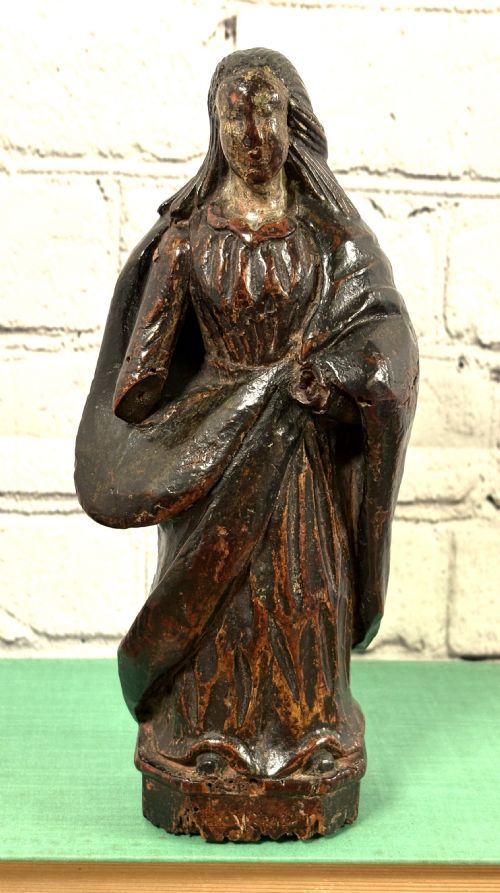
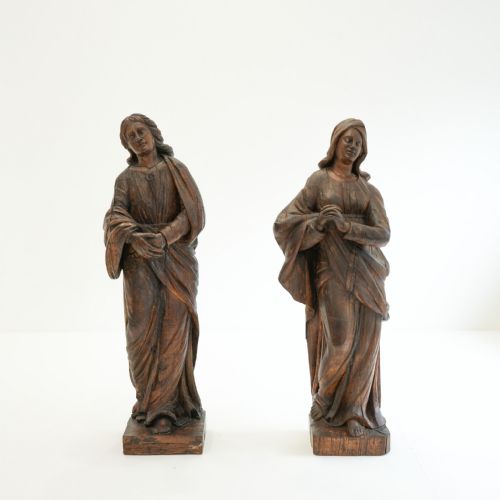
A baroque saint statue captures intense devotion through dramatic posture, flowing carved drapery, and rich surface finish.
Baroque Saint Statue
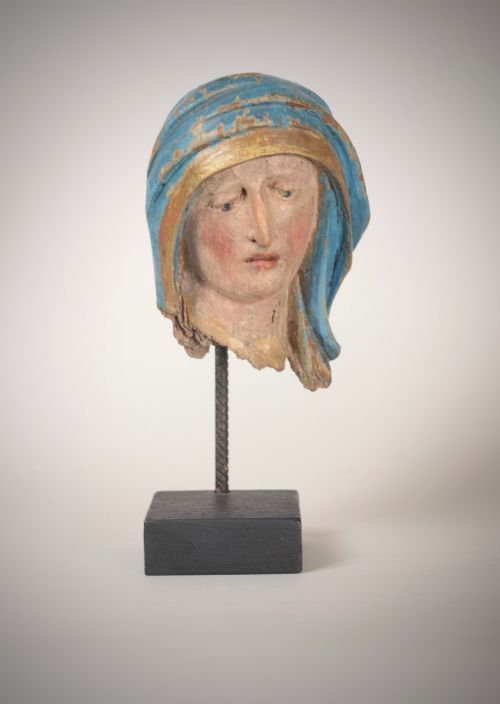
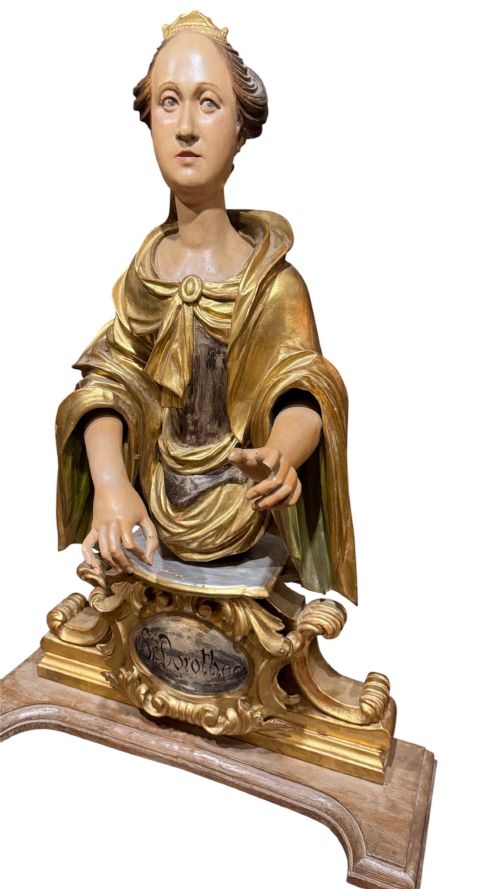
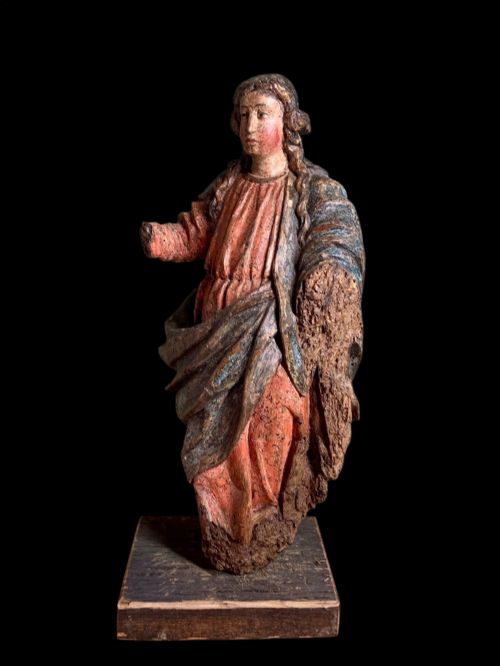
A baroque saint statue represents holy figures and ecclesiastical subjects carved in wood during the seventeenth and eighteenth centuries, with occasional nineteenth-century examples appearing.
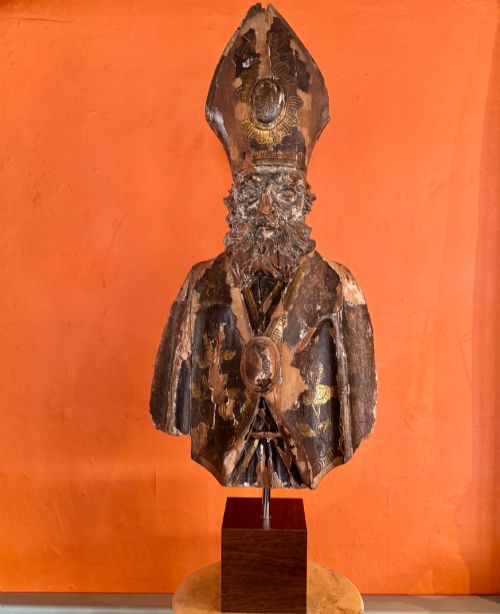
Buyers encounter standing figures of specific saints such as Saint Barbara, Saint Roche, and Saint Nepomuk, alongside bishop busts, fragments, and acolyte candlestick figures.
Most items originate from continental European traditions, notably Italian and German workshops, reflecting Catholic religious sculpture of the period.
How they were made
Carvers shaped native hardwoods like oak, limewood, applewood, and general hardwood into complex, dynamic three-dimensional forms.
Many surfaces received a preparation of gesso before painters applied polychrome paint or gilding with gold leaf to create rich, textured finishes.
Baroque Saint Statue Retail Price Guide 2026
Typical asking prices for baroque saint statue among the pieces listed under this phrase on Sellingantiques today, from the lower quarter to the upper quarter. They describe what is for sale here now, not the wider market.
The selection spans seventeenth-century limewood and applewood pieces to eighteenth-century oak figures and giltwood bishop busts.
What varies in quality
The sophistication of the carving dictates much of the distinction, separating stiff, basic execution from fluid, expressive drapery and anatomical detail.
The preservation of original surface treatments, including layered polychrome paint and gold leaf, distinguishes pieces retaining their historic character from those stripped or heavily restored.
The Baroque Saint Statue Glossary
- Polychrome
- Painted in several colours. This surface treatment brings realistic depth to garments and flesh tones on wooden figures.
- Gesso
- A plaster mix applied as a base. Carvers used it on wood to prepare a smooth surface for gilding and paint.
- Giltwood
- Wood covered with thin gold leaf. It gives religious statues a brilliant, reflective ecclesiastical sheen.
- Ecclesiastical
- Relating to the Christian Church. These carved figures originated for use in religious buildings and private devotion.
Baroque Saint Statue: Frequently Asked Questions
What is a baroque saint statue?
These are hand-carved wooden sculptures depicting Christian saints, bishops, and religious figures in the ornate seventeenth and eighteenth-century style. They emphasise movement, emotion, and rich surface decoration.
Craftsmen created them for churches, chapels, and domestic shrines across continental Europe, utilising timber finished with paint or gold leaf.
How were these figures used?
Original placement included church altars, monastic niches, processional displays, and private devotional spaces in homes. They served as focal points for prayer and storytelling.
Candlestick figures and busts also functioned as functional liturgical items or reliquary supports within ecclesiastical settings.
How do I identify the wood used?
Makers selected timbers available in their region, such as limewood, oak, and applewood, which lent themselves to intricate hand-carving. Grain patterns often show beneath worn gesso and paint layers.
Closer inspection of unpainted base areas or historical shrinkage cracks reveals the underlying natural material.
How do I care for a wooden statue?
Keep the sculpture away from direct sunlight, heating vents, and rapid humidity changes to protect the fragile wood and historic surface finishes. Stable indoor climates prevent cracking.
Dust gently with a dry, soft brush and avoid chemical polishes that can damage original polychrome paint or gold leaf.