


Baroque Sacred Art
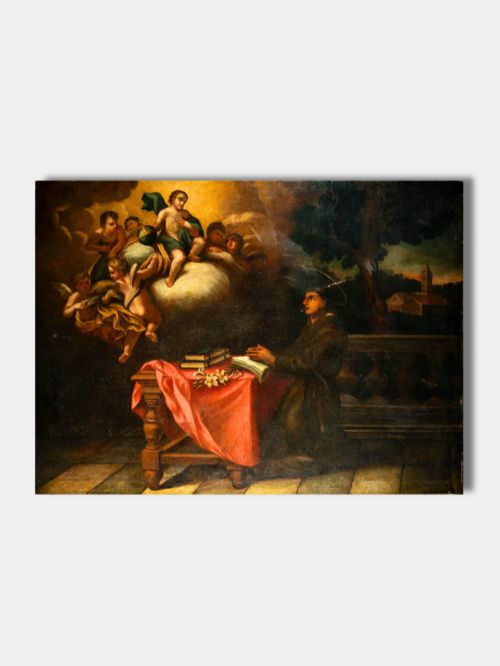
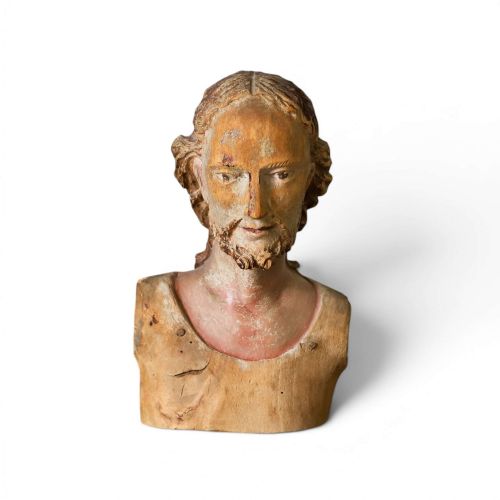
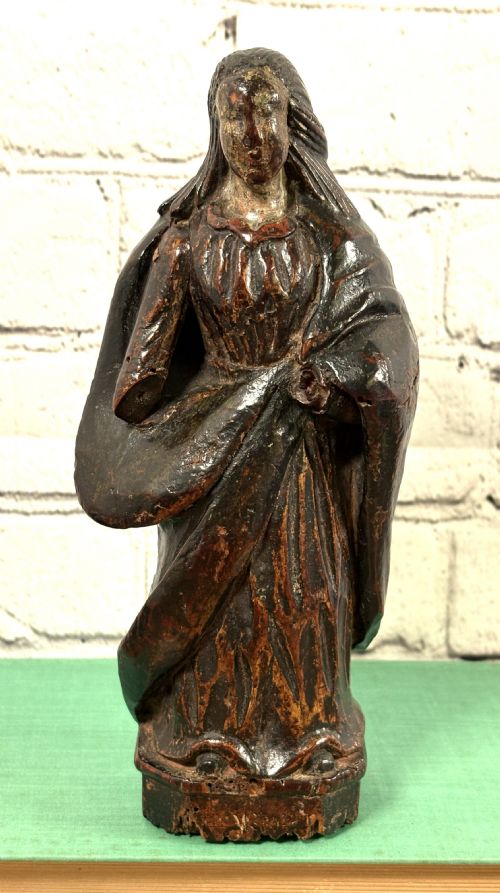
Baroque sacred art brings devotional intensity into a room through dramatic oil paintings and expressive carved wood sculptures spanning the seventeenth and eighteenth centuries.
Baroque Sacred Art
When you search for baroque sacred art, you encounter centuries-old devotional works created across European schools, with Italian and Spanish pieces appearing frequently alongside Low Country examples.
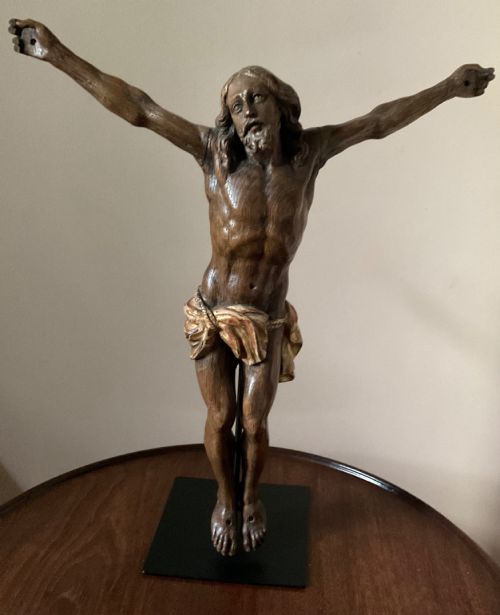
The objects take two primary forms: oil paintings on canvas depicting biblical narratives and saints, and carved wood sculptures and statues rendered in walnut, olive wood, applewood, limewood, and giltwood.
You will most commonly meet seventeenth-century and eighteenth-century works, ranging from monumental canvases to intimate polychrome busts and life-size figures.
Assessing quality
The strength of the carving and the expressive power of the brushwork separate the finest pieces from simpler regional works.
Handling of anatomy, drapery, and gilding determines whether a sculpture or canvas achieves profound presence or remains purely decorative.
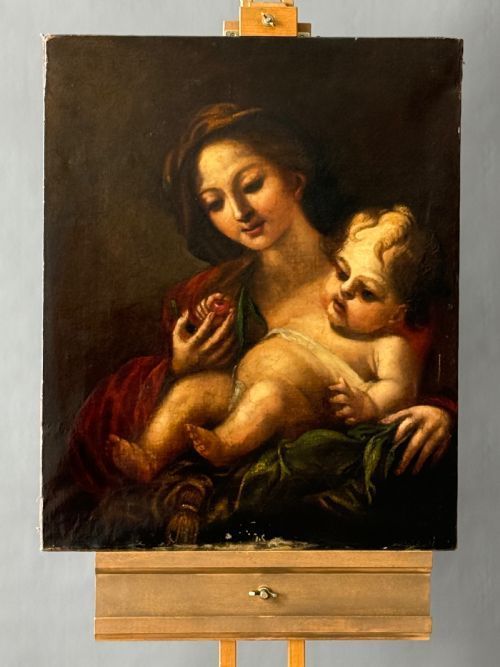
A seventeenth-century carver once immortalised cherries in oil paint alongside the Madonna, blending sweet fruit with deep devotion.
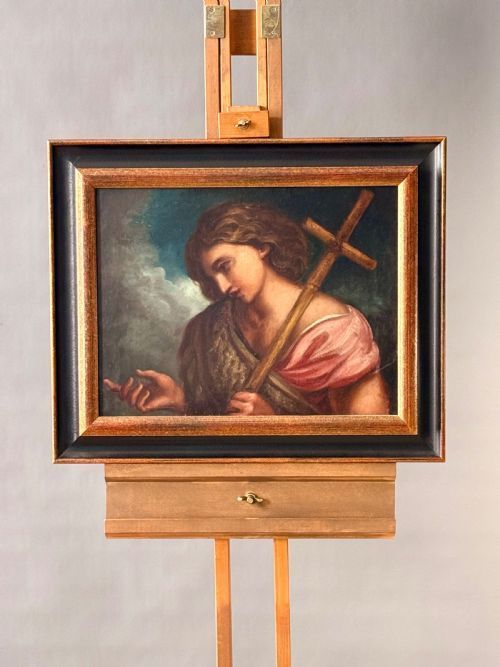
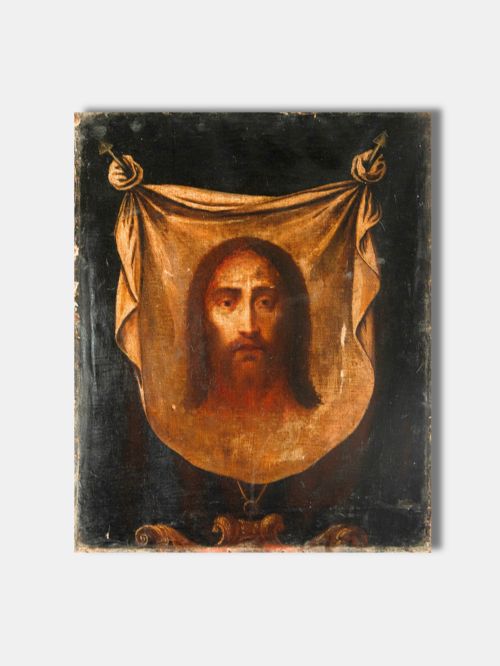
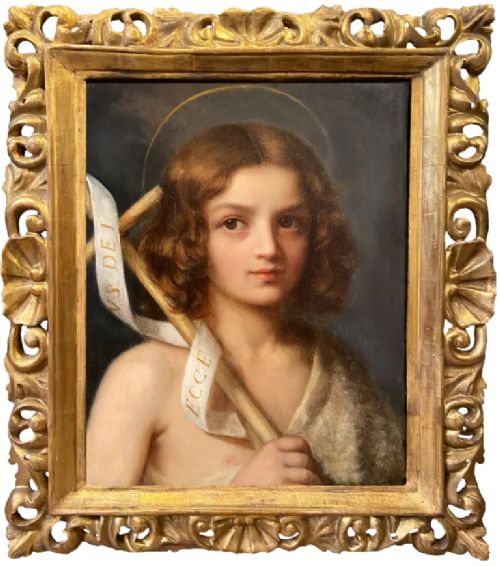
Francesco Solimena Workshop·Juan Ruiz Soriano Circle·Antonio Tempesta Follower·Orsola Maddalena Caccia Follower
The Baroque Sacred Art Glossary
- Polychrome
- Painted in several colours. This term describes wooden sculptures and busts finished with applied pigments.
- Corpus Christi
- The body of Christ on the cross. This refers specifically to carved wooden figures detached from or forming part of a crucifix.
- Giltwood
- Wood carved and treated with gold leaf or gold paint. It adds luminous splendour to religious figures and frames.
- Chiaroscuro
- Strong contrast between light and dark. Painters utilise this technique to heighten the drama of sacred scenes.
Baroque Sacred Art: Frequently Asked Questions
What is baroque sacred art?
It encompasses paintings and sculptures created for religious devotion during the seventeenth and eighteenth centuries across Europe.
These pieces reflect the emotional and theatrical style of the period, depicting saints, biblical scenes, and holy figures.
Where were these pieces made?
Originating primarily in European artistic centres, surviving works come from Italy, Spain, the Low Countries, and Hessian regions.
Regional traditions influenced the choice of timber and the specific painting techniques employed by local schools.
How do I care for wood sculptures?
Carved wood sculptures require stable indoor humidity levels and protection from direct sunlight to preserve the wood and polychrome surfaces.
Gentle dusting with a dry cloth is sufficient for maintenance, avoiding liquid cleaners or harsh polishes.
How are periods identified?
Dating relies on stylistic characteristics, canvas preparation, and the specific tool marks left by woodcarvers during the seventeenth and eighteenth centuries.
Comparison with documented school paintings and dated sculptures helps clarify the age of each piece.