


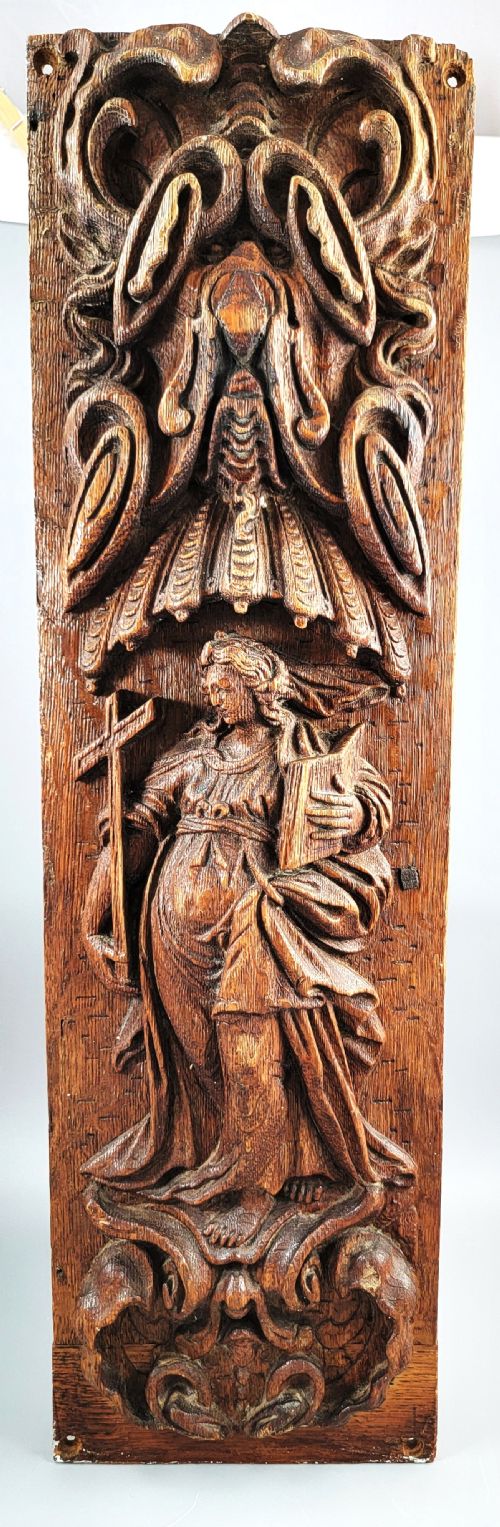

Baroque Relief Carving
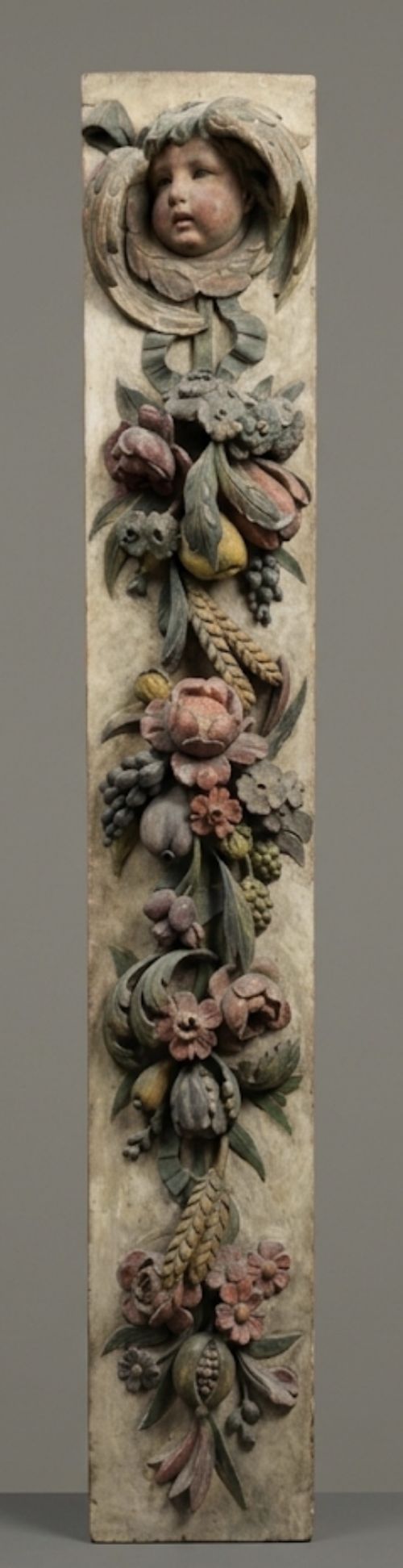
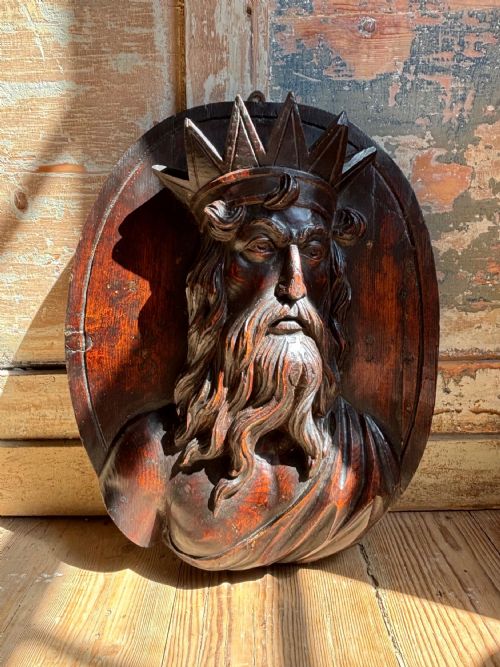
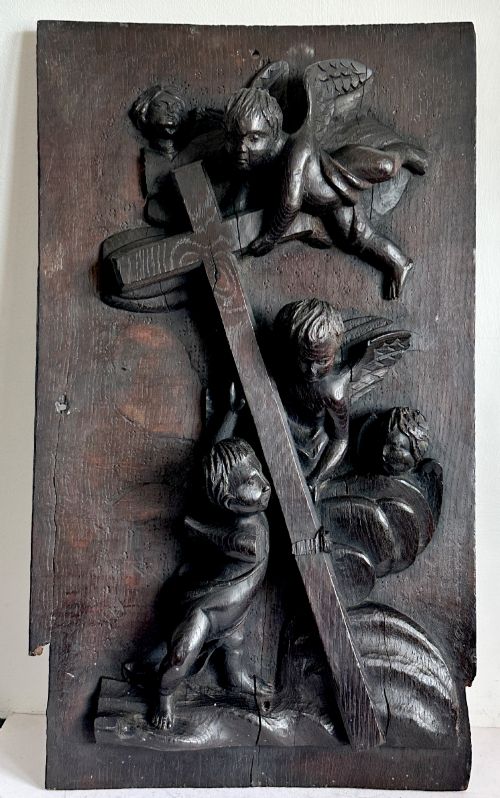
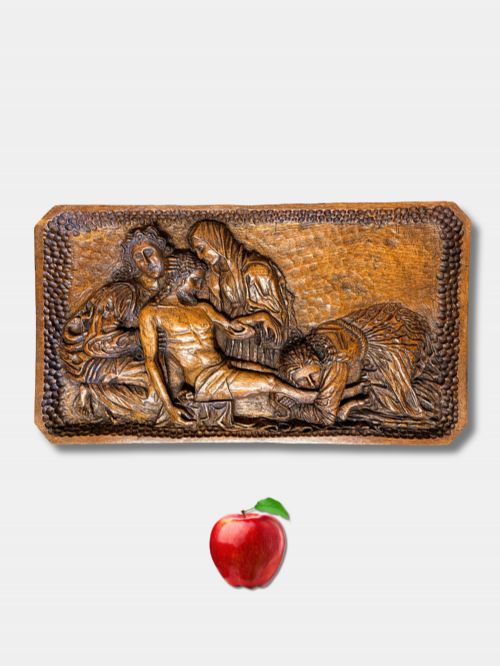
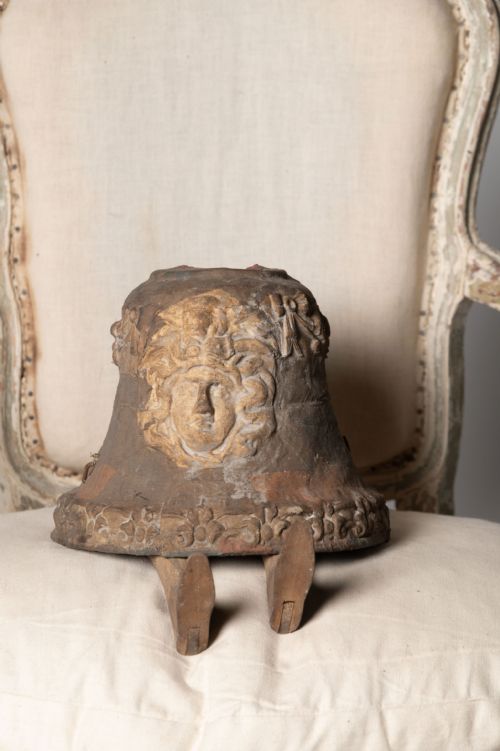
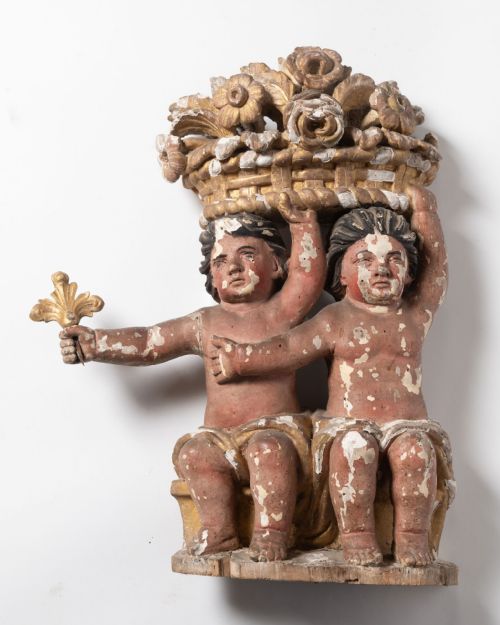
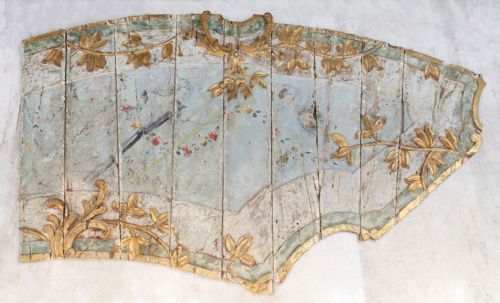
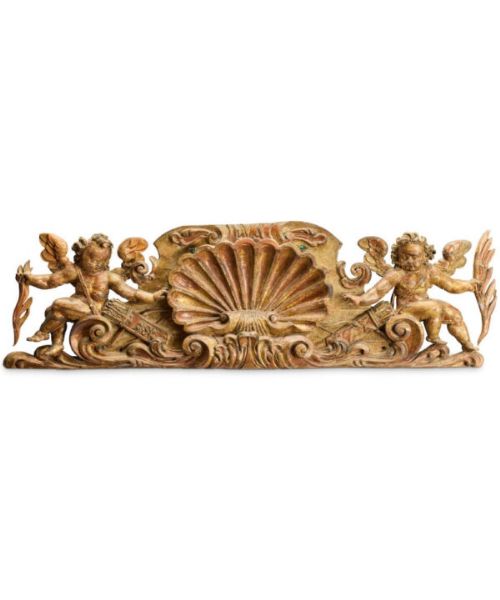
Baroque relief carving delivers dramatic depth and muscular dynamism to walls through exuberant wooden panels, architectural fragments and figural sculptures.
Baroque Relief Carving
These items comprise wooden panels, architectural fragments and wall sculptures executed in distinct historic styles. Buyers examine pieces originating primarily from the seventeenth and eighteenth centuries, alongside later interpretations.
Italian, Dutch, Flemish and English origins recur across the selection, demonstrating regional variations in sculptural treatment. Oak panels and architectural pediments represent the most frequent forms encountered here.
Materials and construction
Artisans carved dense timbers including oak, walnut and chestnut to achieve pronounced three-dimensional depth. Hand-carving techniques allowed craftsmen to undercut figures and foliage for maximum shadow play.
Surfaces frequently incorporate gesso and gold leaf to highlight intricate botanical and figural details. Polychrome finishes also appear, adding colour layers directly onto the carved wood substrates.
The listings show oak as the predominant wood, accompanied by walnut, chestnut, and cast iron elements.
Assessing craftsmanship and execution
The crispness of the chisel work determines the visual power of each piece. Superior examples display confident, deep undercutting that creates distinct layers within acanthus leaves and human forms.
Proportion and anatomical accuracy separate masterworks from simpler workshop productions. Panels with well-defined drapery, expressive faces and balanced compositions command greater visual authority.
Edward Pearce
The Baroque Relief Carving Glossary
- Baroque relief carving
- Sculptural woodwork projecting from a flat background with theatrical drama and theatrical movement. This style defines the seventeenth and eighteenth-century items gathered in this category.
- Acanthus
- A stylized leaf ornament derived from Mediterranean flora that curls outward in rhythmic waves. Carvers utilise this motif extensively in architectural pediments and panel borders.
- Architectural salvage
- Salvaged building elements such as pediments, overdoors and friezes repurposed for interior display. These fragments carry original historic finishes and structural joins.
- Polychrome
- Painted decoration in multiple colours applied to wood or gesso surfaces. This technique enhances the realism of figural carvings and architectural details.
- Parcel gilt
- The practice of applying thin gold leaf to specific raised portions of a carved wooden surface while leaving other areas exposed. This highlights particular motifs against darker timber.
Baroque Relief Carving: Frequently Asked Questions
How do I hang a heavy wooden panel?
Heavy panels require secure wall fixings anchored directly into masonry or substantial timber studs. Weight distribution demands professional hanging brackets attached to the structural frame.
Avoid relying solely on decorative surface hardware when mounting monumental carvings. Ensure the wall structure bears the full load safely.
Where were these carvings originally placed?
Many examples originated as architectural elements within grand European interiors, churches and theatres. Overdoor panels, staircase components and wall plaques formed integral parts of formal rooms.
Later pieces include theatre props and decorative panels designed for domestic display. Their movement from institutional settings to residential walls reflects changing collecting habits.
How do I clean antique carved wood?
Dust the surface gently using a soft, dry natural bristle brush to remove particles from deep recesses. Avoid using water, modern polishes or chemical cleaners that damage aged wax or gilt.
Maintain stable indoor humidity to prevent the timber from splitting or warping. Professional conservation wax may be applied sparingly if the wood appears dry.
What indicates an eighteenth century piece?
Eighteenth century carvings often feature lighter woods like walnut alongside oak, paired with more fluid Rococo or Neoclassical influences. Tool marks left by hand chisels remain visible on the reverse sides.
Stylistic shifts toward softer curves and lighter allegorical subjects distinguish these works from earlier seventeenth century counterparts. Examining the joinery and timber oxidation confirms the period.