


Baroque Portrait Oil Painting
A baroque portrait oil painting captures seventeenth and eighteenth-century sitters in dramatic lighting, offering collectors rich historical character and masterful academic execution.
Baroque Portrait Oil Painting
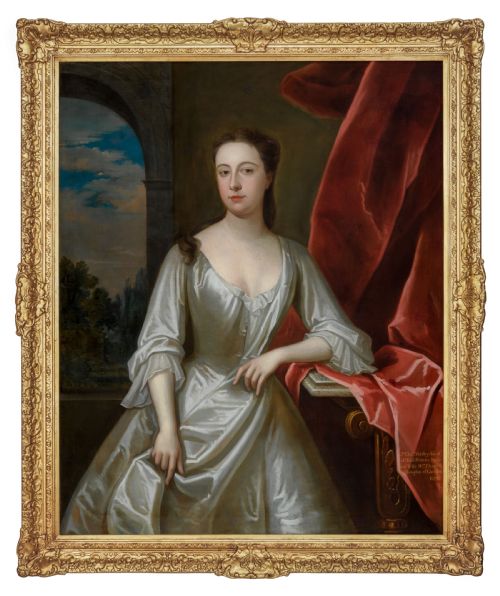
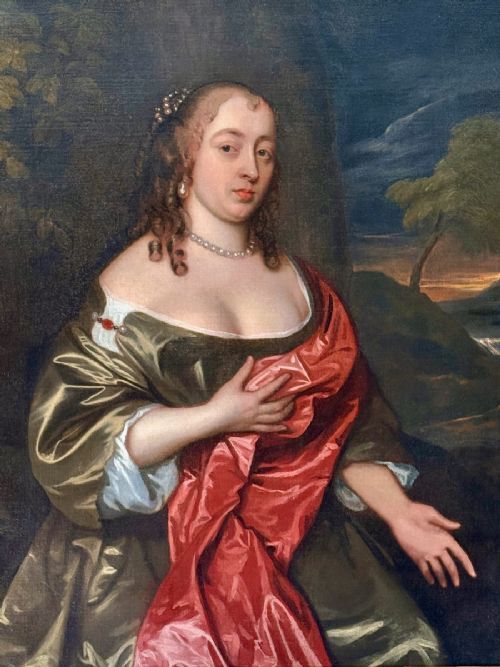
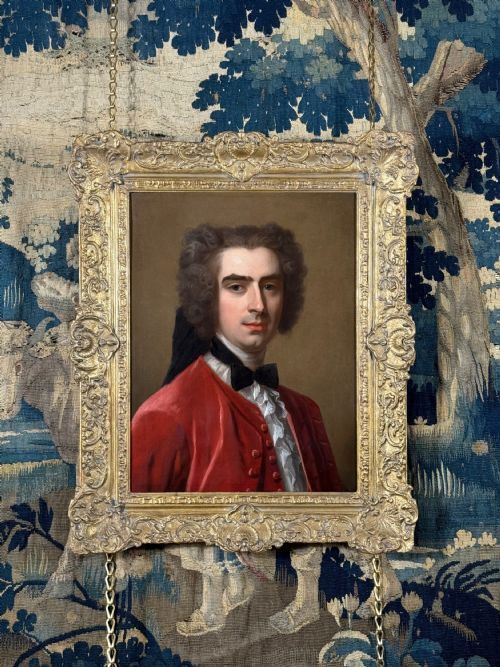
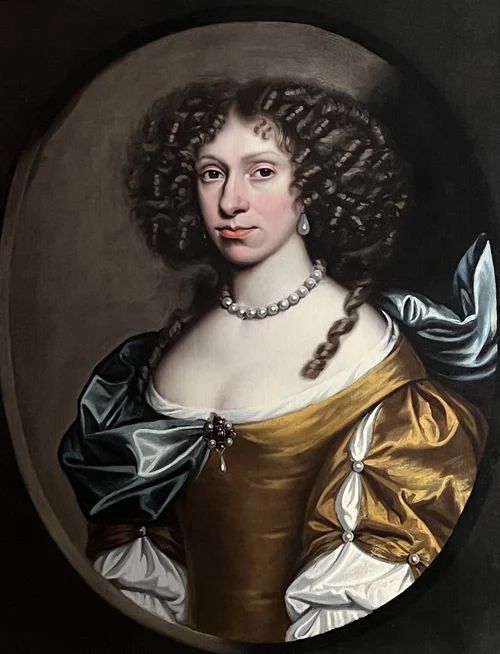
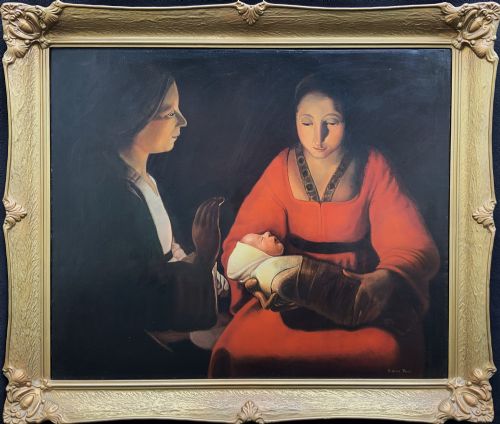
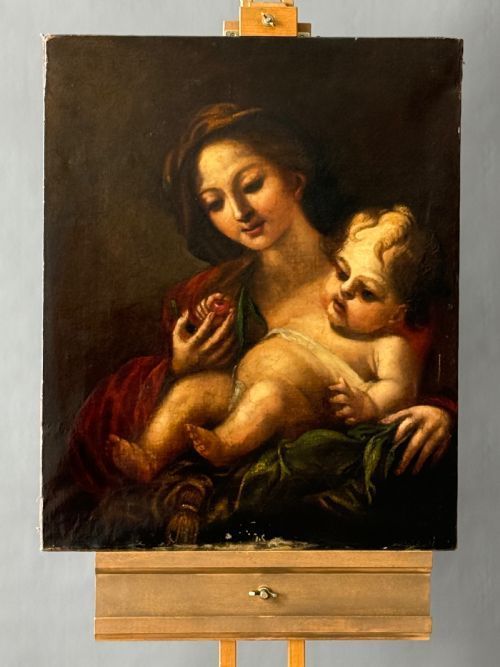
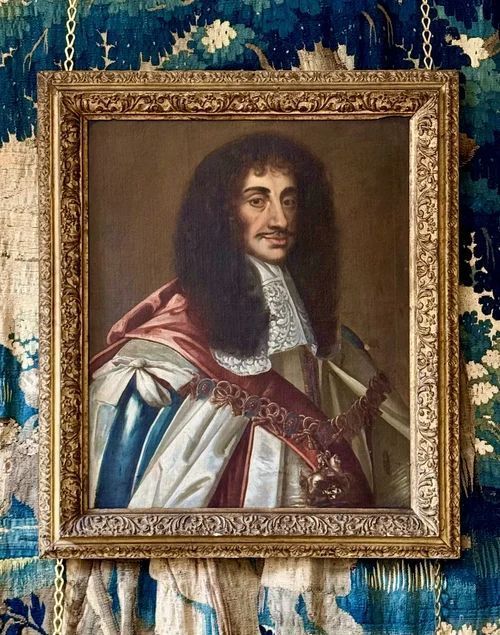
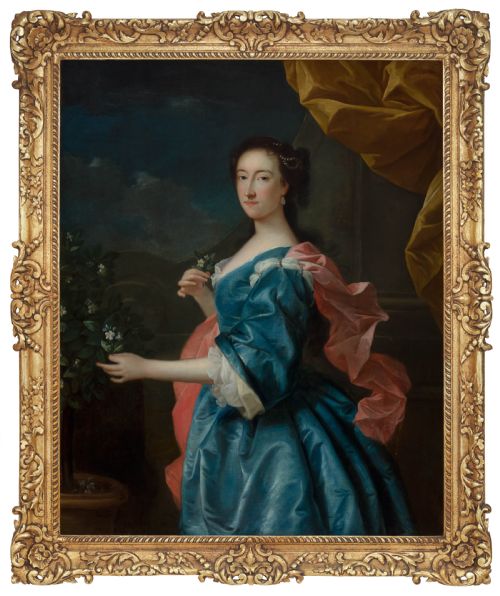
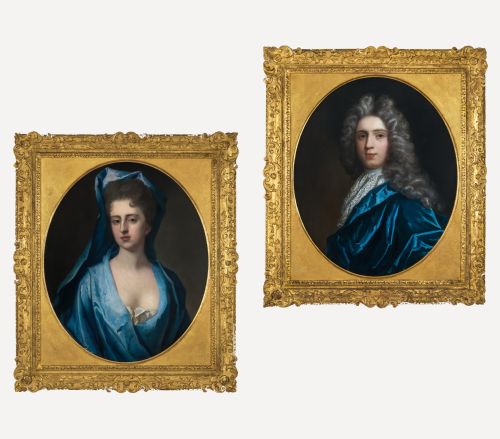
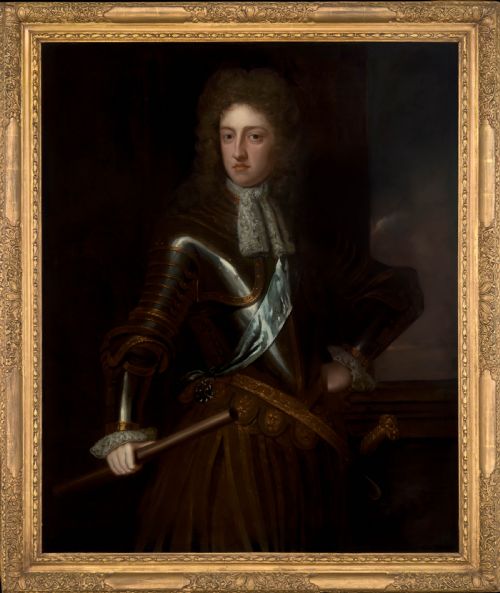
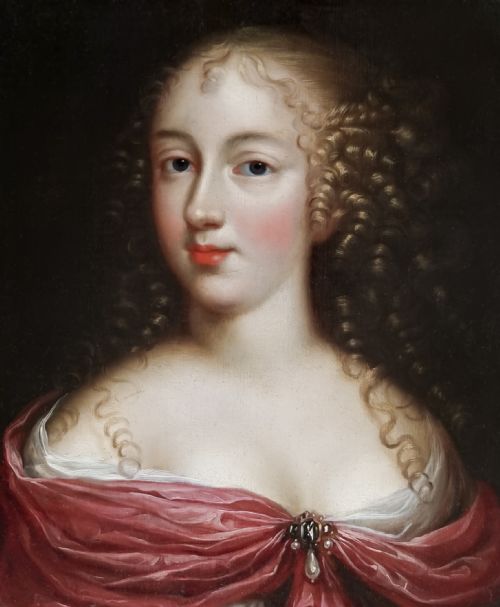
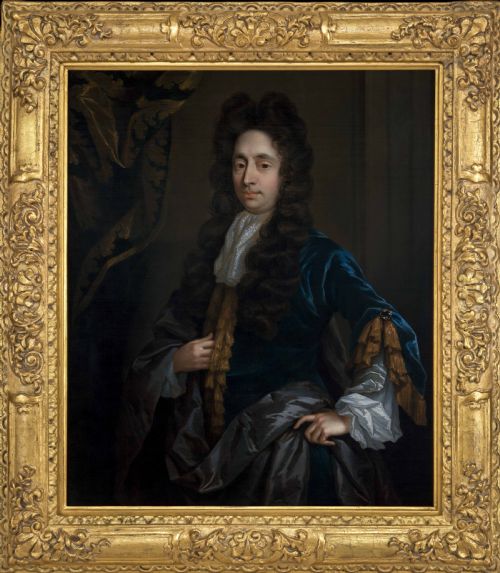
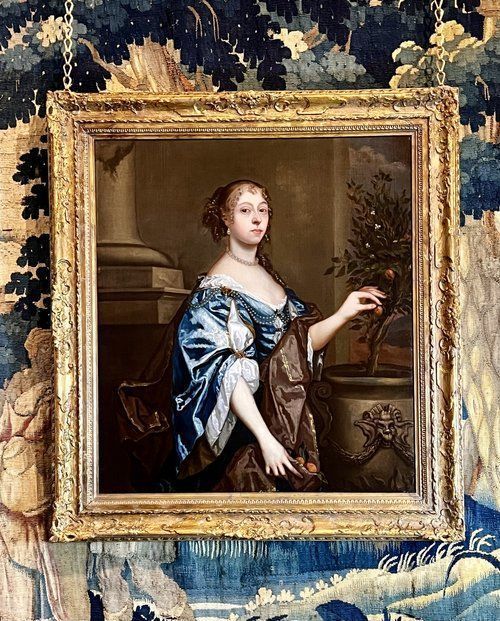
A baroque portrait oil painting brings seventeenth and eighteenth-century sitters into domestic spaces through dramatic canvas works. Buyers seeking this aesthetic will find noblewomen, gentlemen in periwigs, and military officers rendered in British, Dutch, French, and Italian styles.
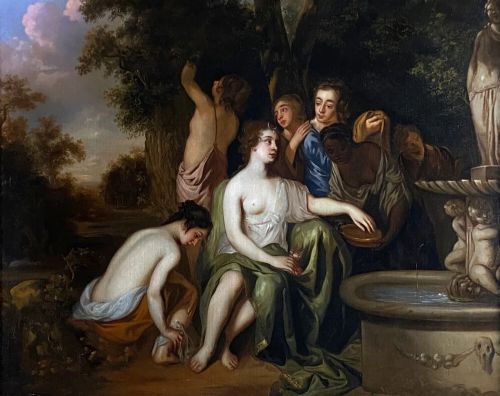
Works appear in various formats including single half-length portraits, double portraits, and classical subject pairings. Canvas and wood panel serve as the primary media, often housed within period-appropriate giltwood frames.
How they were made
Artists built these compositions primarily using oil paint applied to stretched canvas or wooden panels. Painters layered pigments to create deep shadows and luminous highlights, characteristic of the period's chiaroscuro techniques.
Surviving works frequently retain their original or period-style carved giltwood frames, which were constructed from wood and coated in gold leaf to complement the theatrical nature of the portrait.
Listings feature oil on canvas and wood panel supports spanning the seventeenth, eighteenth, and nineteenth centuries.
What varies in quality
Compositional complexity also dictates standing, with full-length portraits featuring detailed backgrounds commanding greater attention than standard bust formats. The preservation of the original paint layer and the structural integrity of the canvas or wood support further influence the overall calibre of a piece.
Sir Godfrey Kneller·John Hayls·Sir Peter Lely·Michael Dahl·Charles-Antoine Coypel
The Baroque Portrait Oil Painting Glossary
- Baroque
- An artistic style originating around sixteen hundred that emphasises dynamic movement, deep shadow, and grand scale. It dominated European portraiture for over a century.
- Chiaroscuro
- The strong contrast between light and dark used to give three-dimensional volume to figures on canvas. Painters employed this technique to focus attention on the sitter's face and hands.
- Giltwood
- Wood carved and covered with a thin layer of gold leaf. These frames frequently accompany period oil paintings.
- Periwig
- A voluminous artificial hair wig popular among European gentlemen during the late seventeenth and early eighteenth centuries. Its presence helps date portraiture securely.
- Provenance
- The documented history of ownership attached to a work of art. Clear lineage supports the attribution of historic paintings.
Baroque Portrait Oil Painting: Frequently Asked Questions
How do I identify a seventeenth century portrait?
Authentic seventeenth-century works display specific costume details such as lace collars, armour, and elaborate periwigs. The preparation of the canvas and the ageing of the oil paint also provide physical markers of age.
Examination under ultraviolet light can reveal historic pigments and varnishes consistent with early periods. Comparing the sitter's attire with documented fashion timelines confirms the execution era.
Where should I hang an oil painting?
Display these works away from direct sunlight and steady moisture sources to protect the delicate oil pigments and canvas supports. Stable indoor environments prevent the wood panels and giltwood frames from warping.
Allow adequate wall space so the dramatic lighting of the baroque portrait can function effectively within the room. Proper positioning at eye level enhances the psychological presence of the sitter.
What is the difference between studio and master works?
Master paintings represent the primary creative output of a documented artist, featuring superior brushwork and compositional control. Studio pieces were produced by assistants under the direct supervision of the master using approved workshop templates.
Both categories reflect the aesthetic standards of their period, though master-attributed canvases generally command greater historical interest. Examining the subtlety of expression helps distinguish primary hands from assistants.
How do I care for antique canvas art?
Maintain a consistent room temperature and humidity level to preserve the structural integrity of both the canvas and the wooden stretcher bars. Dust the surface gently with a dry, soft brush without applying pressure.
Avoid chemical cleaning agents and professional restoration unless handled by a qualified conservator. Periodic inspection of the reverse side ensures no hidden deterioration affects the fabric.