
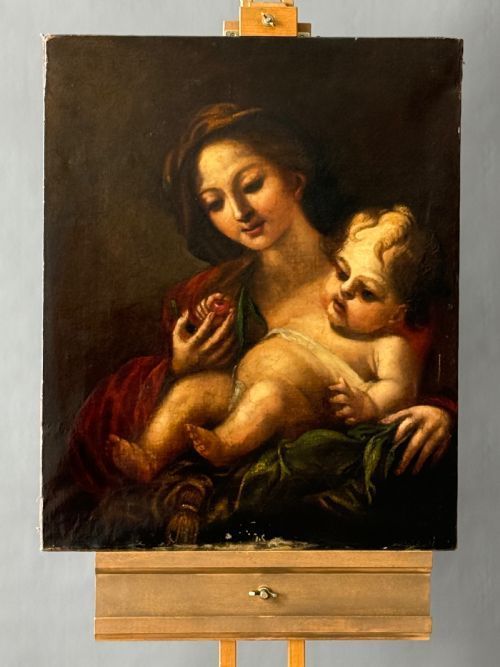
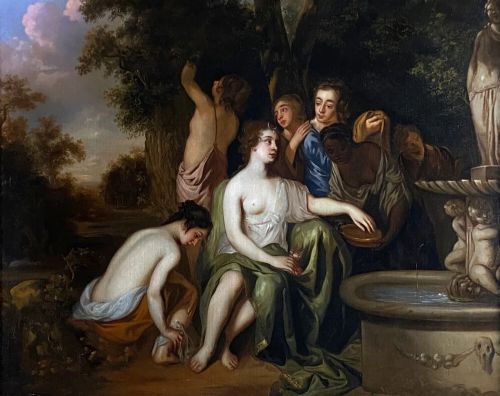

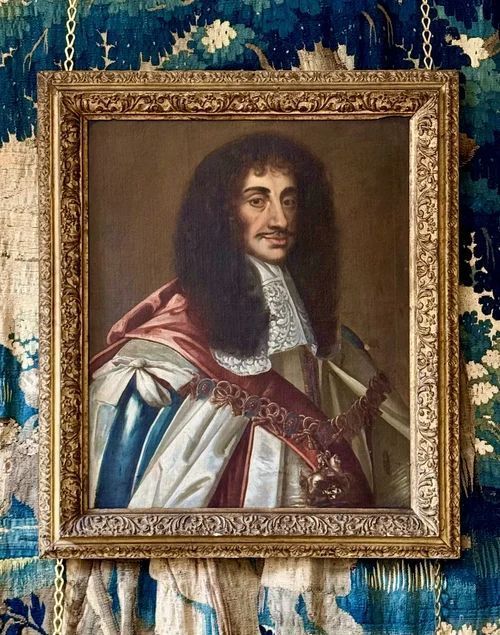
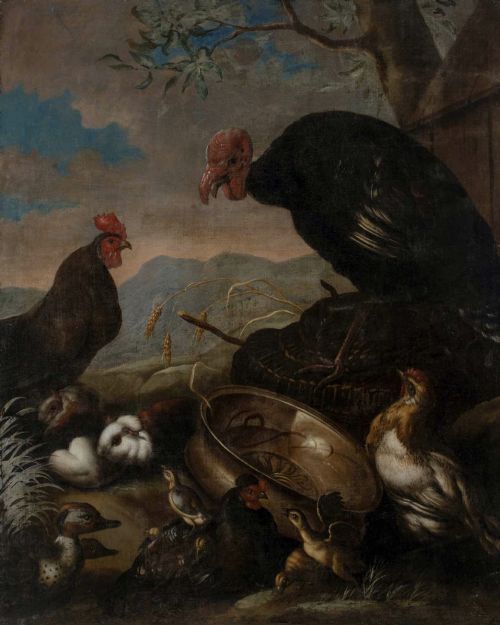
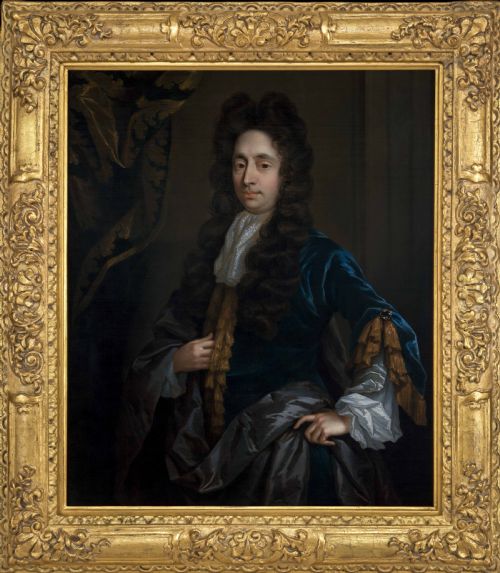
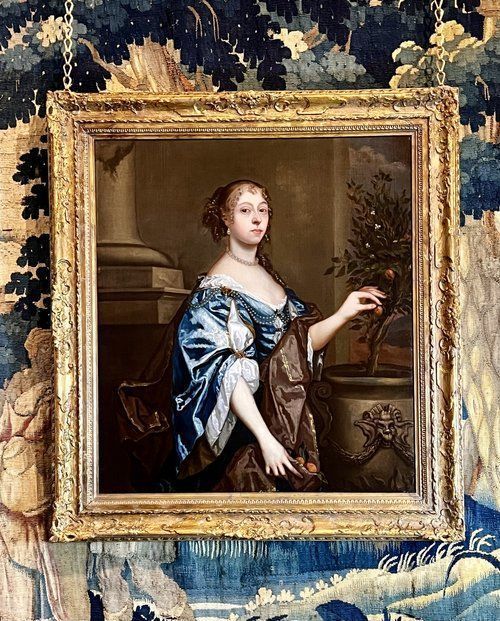
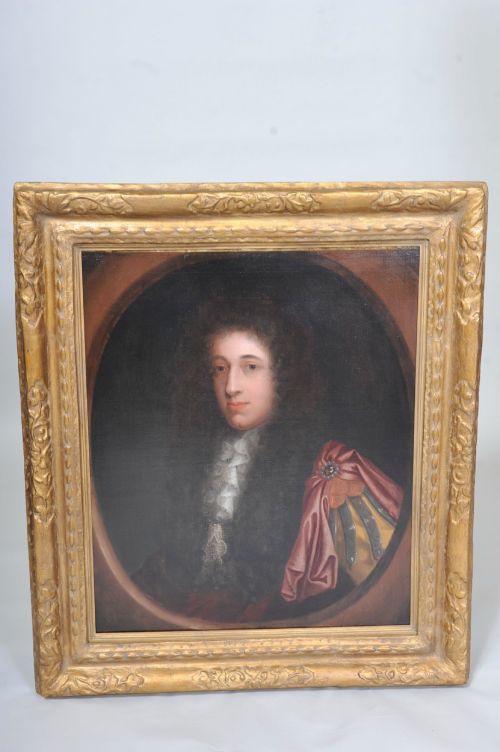
Baroque Oil on Canvas
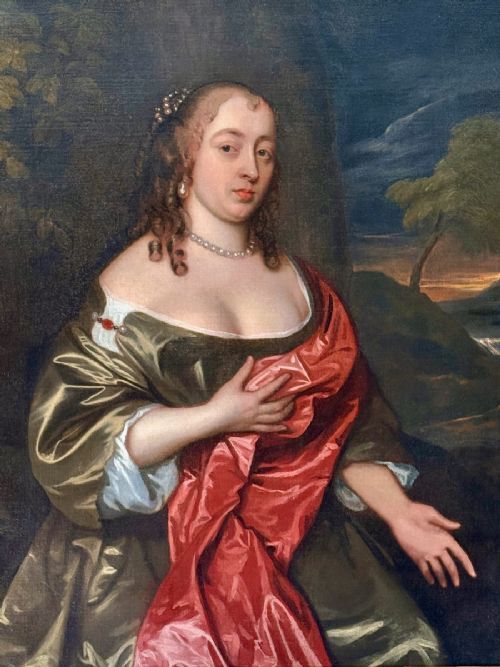
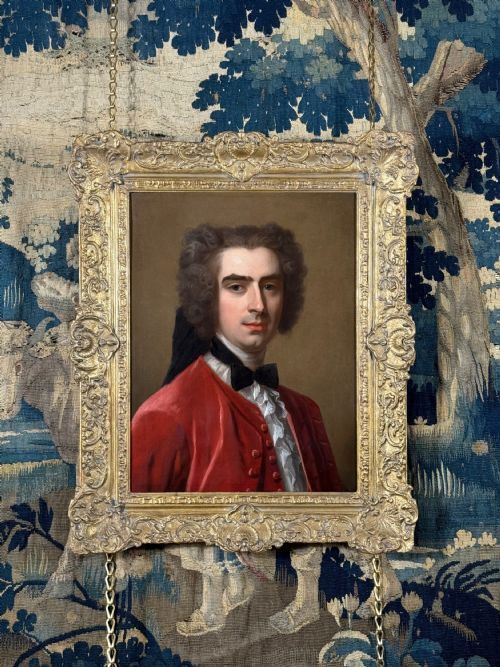
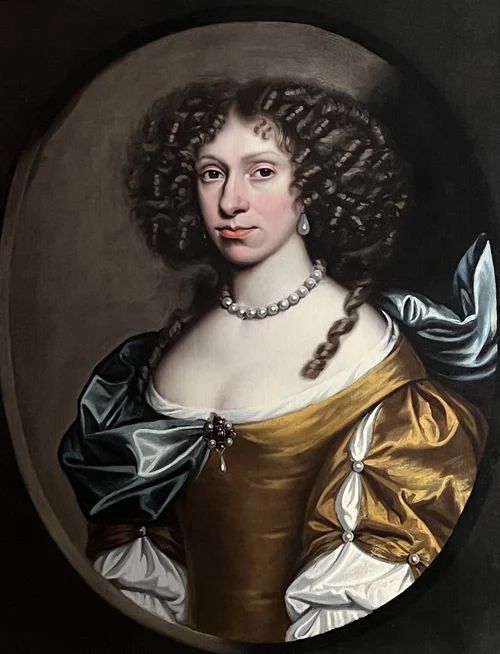
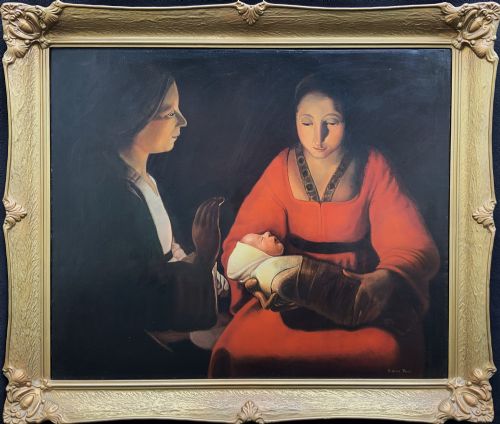
Baroque oil on canvas paintings capture dramatic light, historical narratives and aristocratic portraits from the seventeenth and eighteenth centuries.
Materials and Construction
These works are executed in oil paint upon prepared canvas, utilising organic binders and mineral pigments to build deep shadows and luminous highlights. Many surviving examples retain their original wooden stretchers and heavy giltwood frames.
Artists layered translucent glazes over opaque underpainting to achieve theatrical chiaroscuro effects. The physical support relies on woven textile grounds primed with gesso or similar foundation layers before brushwork begins.
Assessing Quality and Execution
Quality rests in the anatomical precision of figures, the handling of drapery folds and the psychological depth captured within portraiture. Studio copies or later followers often display stiffer brushwork compared to works by recognised masters or principal workshops.
The preservation of the pigment layer and the integrity of the canvas dictate the visual power of the piece. Retaining original surface texture without excessive overpaint elevates an old master painting within its category.
Baroque Oil on Canvas Retail Price Guide 2026
Typical asking prices for baroque oil on canvas among the pieces listed under this phrase on Sellingantiques today, from the lower quarter to the upper quarter. They describe what is for sale here now, not the wider market.
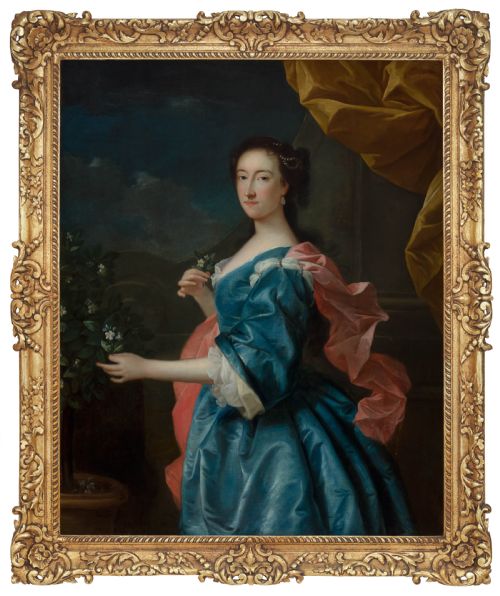
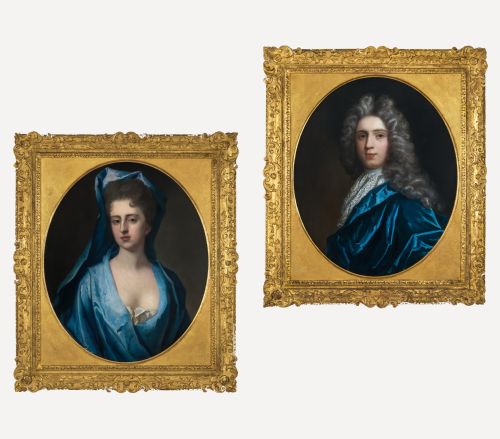
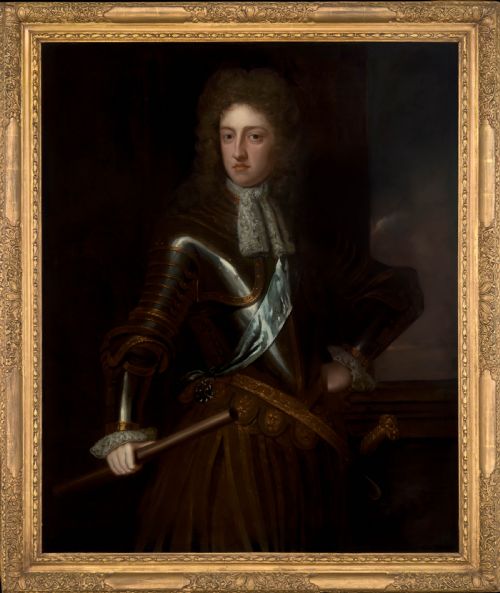
Several noble subjects pose proudly alongside unexpected companions, including oranges, castles and wandering fowl.
John Hayls·Jean Baptiste Van Loo·Sir Peter Lely·Sir Godfrey Kneller·Charles Antoine Coypel
The Baroque Oil on Canvas Glossary
- Chiaroscuro
- The strong contrast between light and dark used to create dramatic three-dimensional depth in paintings. This technique defines the visual atmosphere of seventeenth-century canvases.
- Giltwood
- Wood that has been coated with a thin layer of gold leaf or gold paint. Frames constructed in this manner frequently accompany period oil paintings.
- Old Master
- A European artist of high skill working before about eighteen hundred. This designation covers the prominent painters whose schools populate these listings.
- Provenance
- The chronology of the ownership of a work of art. Documented lineage helps confirm the attribution of historical canvases.
- Glaze
- A thin, transparent layer of paint placed over a dry underlayer to modify colour and luminosity. Painters use this method to deepen shadows.
Baroque Oil on Canvas: Frequently Asked Questions
What subjects appear in these paintings besides portraits?
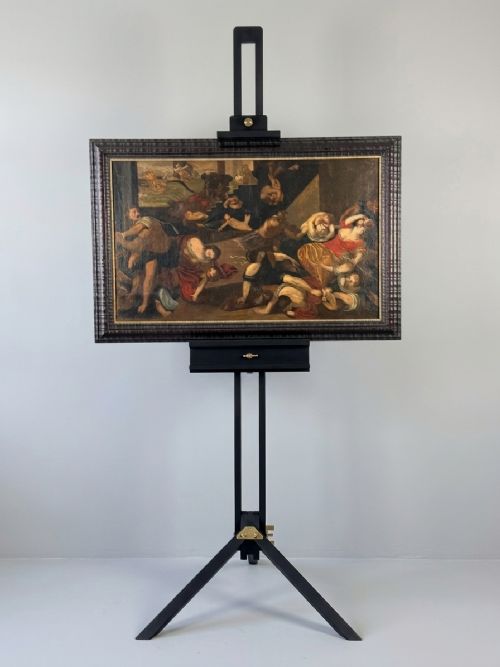
Mythological scenes such as the bath of Diana or the stories of Apollo regularly form the narrative core of these works. Biblical events and landscape views incorporating architectural ruins also populate the genre.
Artists utilised these dramatic themes to display technical mastery over human emotion and atmospheric perspective. The subjects reflect the intellectual and cultural interests of European patrons during the period.
How should I hang an oil painting on canvas?
Canvas paintings require stable environmental conditions away from direct sunlight and rapid temperature fluctuations. Secure wall fixings matched to the weight of the heavy wooden frame are essential for safety.
Displaying the artwork at eye level protects the delicate textile support and allows proper appreciation of the surface details. Regular dusting with a soft, dry brush maintains the condition of both canvas and frame.
What is the difference between an artist and their circle?
An artwork attributed directly to an artist implies execution by their own hand during their working lifetime. Pieces assigned to the circle of an artist indicate production by a contemporary working closely within that specific style and workshop environment.
Studio attributions point to assistants operating under the direct supervision of the master painter. Each designation reflects a distinct level of proximity to the primary hand of the creator.