


Baroque Mary Portrait
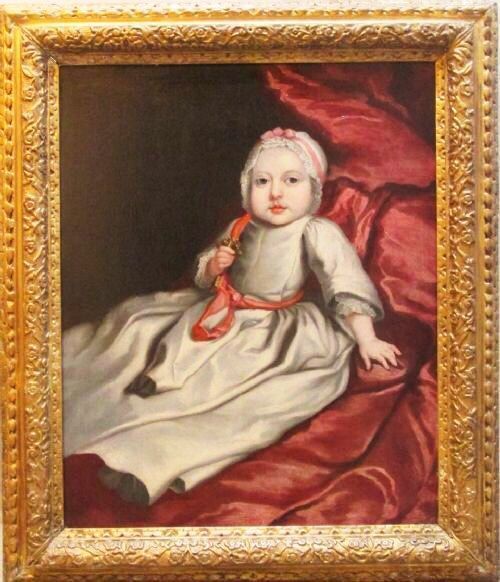
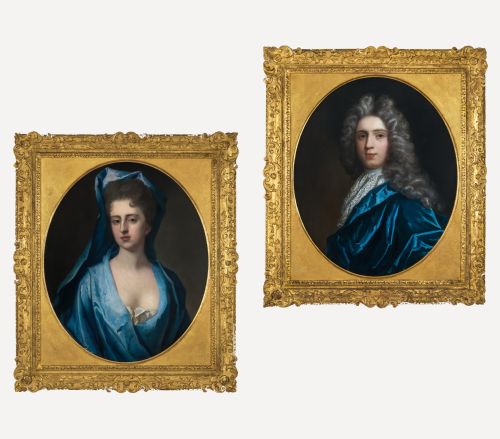
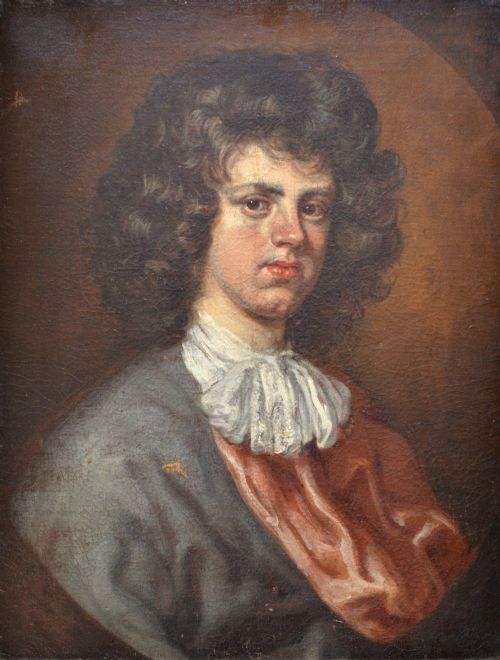
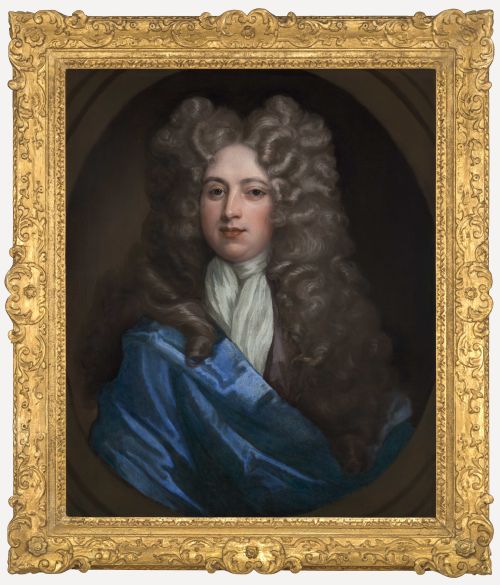
A baroque mary portrait brings intense theatrical light and devotional depth to a room, capturing centuries-old religious and aristocratic subjects.
Baroque Mary Portrait
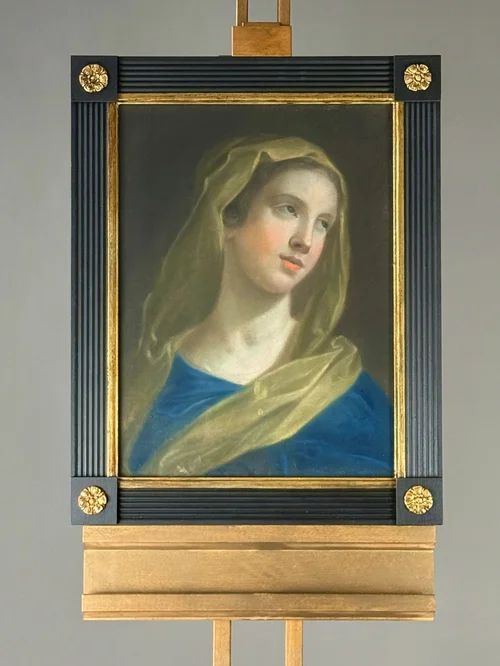
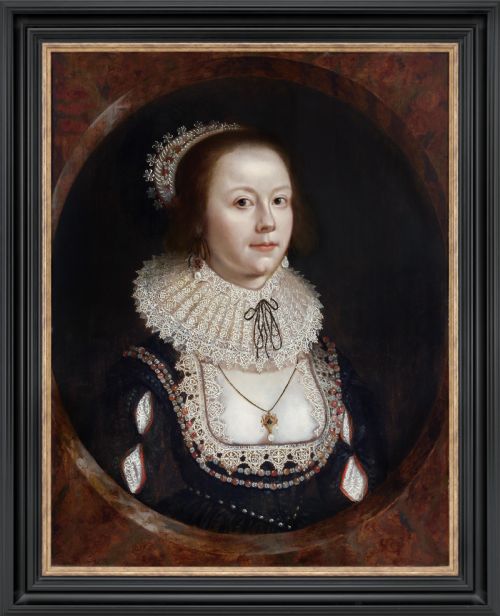
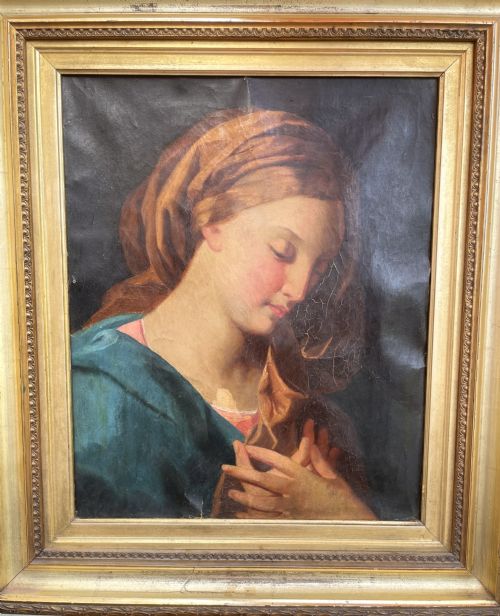
A baroque mary portrait encompasses both devotional depictions of the Virgin Mary or Mary Magdalene and formal likenesses of historical figures named Mary from the seventeenth and eighteenth centuries. These works span English, Italian, Spanish, and Venetian schools, reflecting regional interpretations of baroque composition.
The version most frequently encountered on this page is the oil painting on canvas, often created within the circle or studio of prominent portraitists. Subjects range from tender depictions of the Madonna and child to solemn portrayals of penitent saints and titled gentlewomen in sumptuous attire.
Materials and technique
The primary vehicle for these works is oil paint applied to stretched canvas or wooden panels such as fruitwood, occasionally accompanied by pastel on paper. Pigments build rich depth through layered glazes, defining the intricate lace, heavy drapery, and detailed jewels characteristic of the period.
Frames play an integral role in presentation, executed in gilded wood or giltwood with elaborate carvings that complement the theatrical lighting and ornate aesthetics of the baroque style.
King Charles Spaniels frequently peer out from these seventeenth-century canvases, proving lapdogs held royal favour long ago.
Distinctions in craftsmanship
Quality separates studio work from master hands through the precision of facial modeling, the fluidity of drapery, and the handling of light and shadow. Superior examples display a psychological depth in the sitter's expression and a confident brushwork that enlivens fabric and flesh.
The preservation of the original paint surface and the integrity of the canvas or panel dictate the visual impact. Works that retain their early glazes without heavy overpainting offer a more authentic encounter with the period hand.
Michael Dahl·Thomas Murray·Mary Beale·Cornelius Johnson·Sir Godfrey Kneller
The Baroque Mary Portrait Glossary
- Baroque
- An artistic style originating around sixteen hundred, characterised by dramatic movement, deep shadow, and grand scale. It prioritises emotional intensity and theatrical lighting.
- Oil on Canvas
- A painting technique utilising oil-based pigments spread across woven fabric stretched over a wooden frame. This method allows for subtle blending and rich colour saturation.
- Panel Painting
- A flat wooden support, frequently fruitwood or oak, used as a rigid foundation for oil paint. It predates widespread canvas use and provides a smooth ground for fine detail.
- Giltwood
- Wood carved and coated with a thin layer of gold leaf or gold paint. It provides opulent framing for seventeenth and eighteenth-century artworks.
- Penitent Mary
- A common devotional subject depicting Mary Magdalene in contemplation or remorse, often accompanied by symbolic elements like skulls or ointment jars.
Baroque Mary Portrait: Frequently Asked Questions
What defines a baroque mary portrait?
These works combine seventeenth or eighteenth-century religious devotion or portraiture with dramatic chiaroscuro and rich textures. They portray either biblical figures like the Madonna or historical sitters named Mary.
They reflect the artistic conventions of Italian, British, and Spanish schools from the period.
How were these paintings constructed?
Artists applied oil paints onto prepared canvas or wooden panels, building depth through layered glazes. Many retain their period gilded wood frames.
Techniques focused on capturing sumptuous fabrics, lace, and dramatic light sources.
How do I care for an antique oil painting?
Keep the artwork away from direct sunlight, extreme temperature fluctuations, and high humidity. Stable environmental conditions protect both the canvas and the wooden support.
Dust the surface gently with a soft, dry brush and avoid chemical cleaning agents.
How are periods identified?
Dating relies on stylistic markers such as costume, periwigs, brushwork techniques, and framing styles. Attributions often link pieces to specific artist circles or contemporary workshops.
Canvas preparation and stretcher frame construction also offer clues to the era of creation.