

Baroque Male Portrait Painting
A baroque male portrait painting captures elite subjects in oil on canvas, offering a direct view into seventeenth and eighteenth-century status.
Baroque Male Portrait Painting
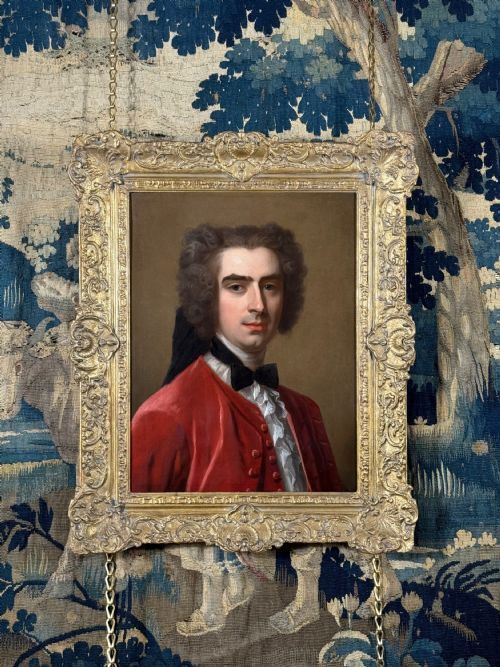
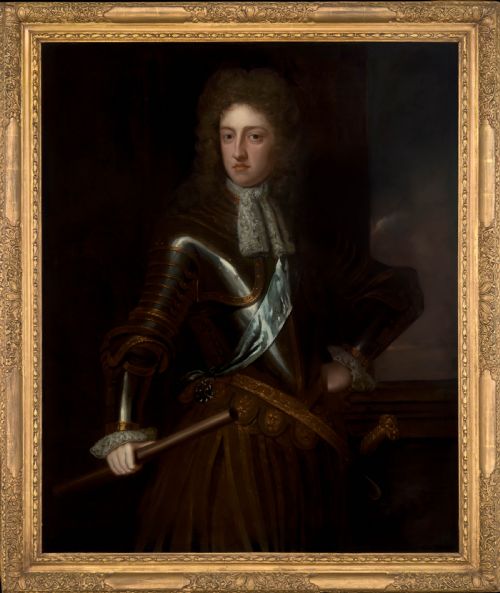
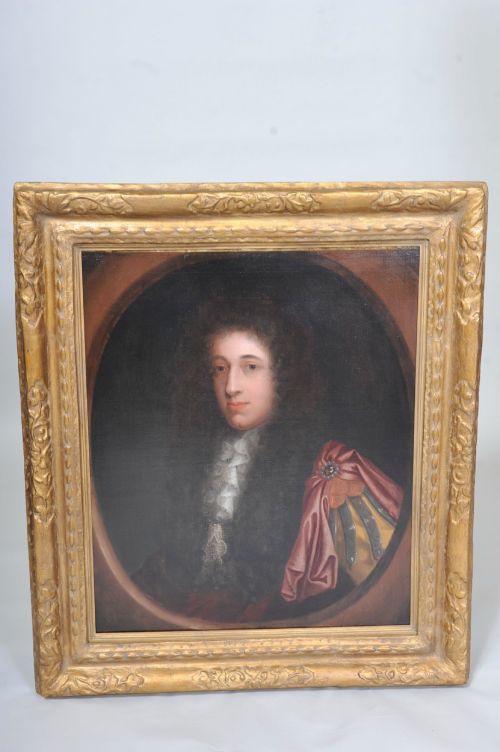
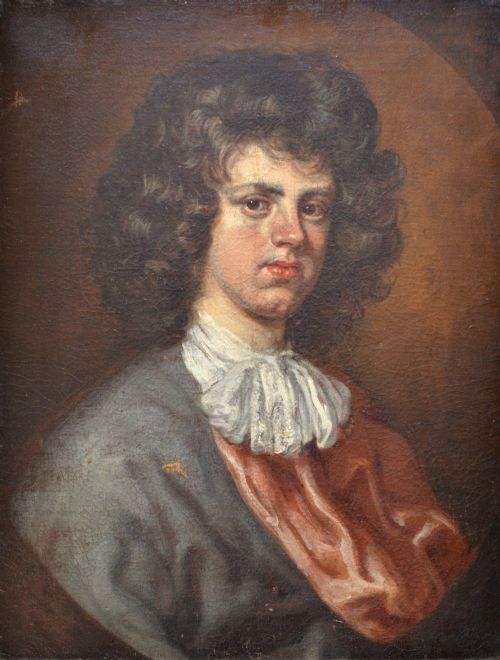
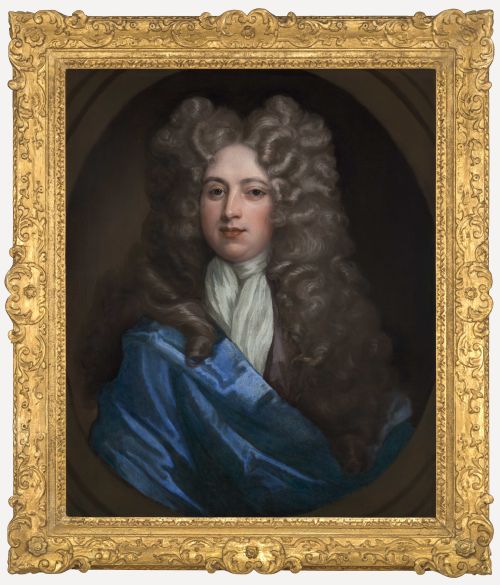
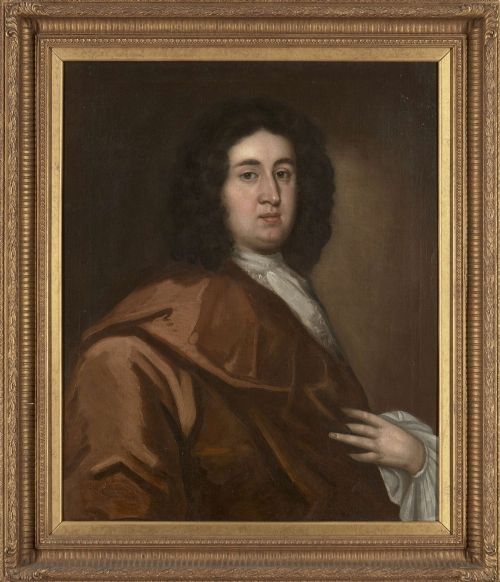
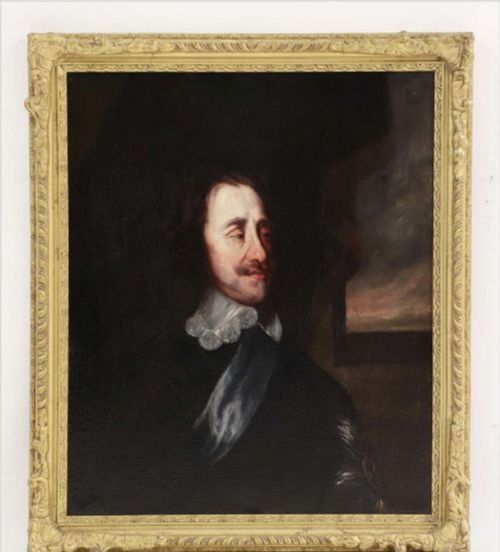
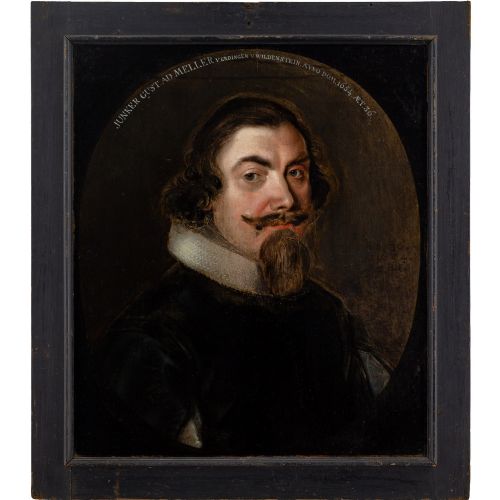
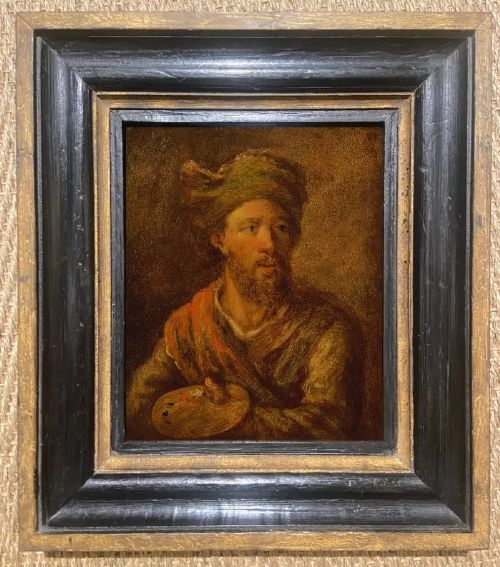
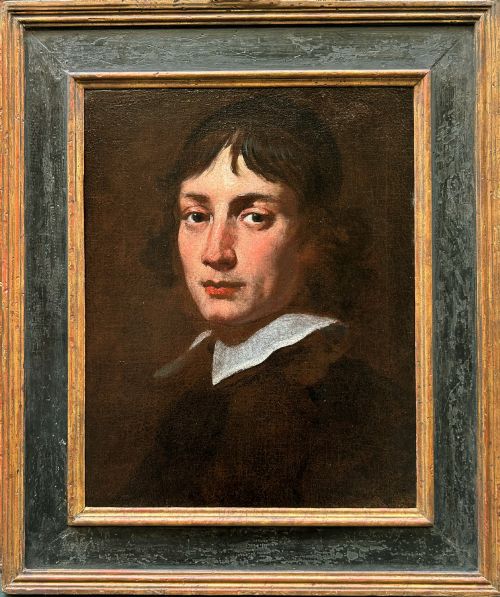
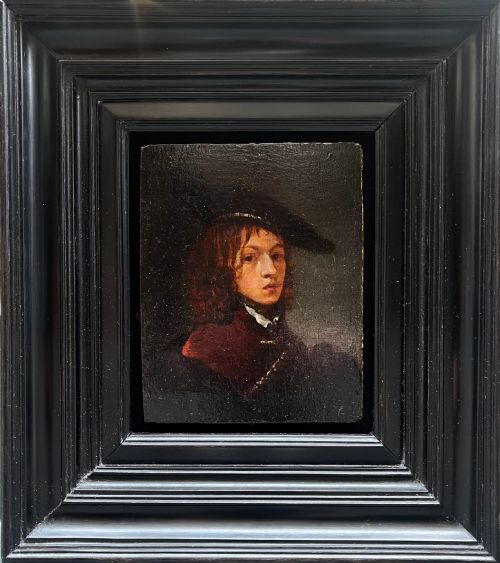
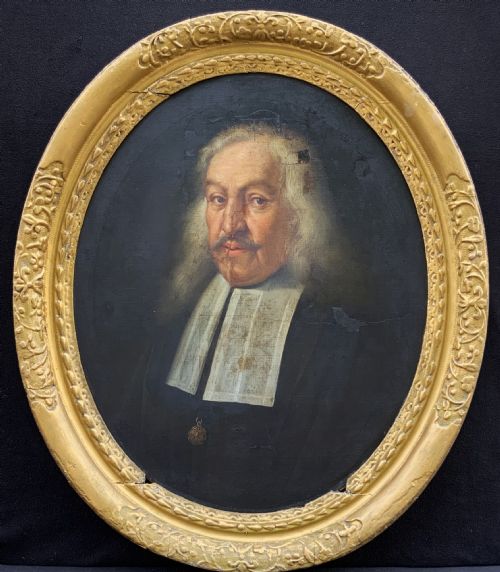
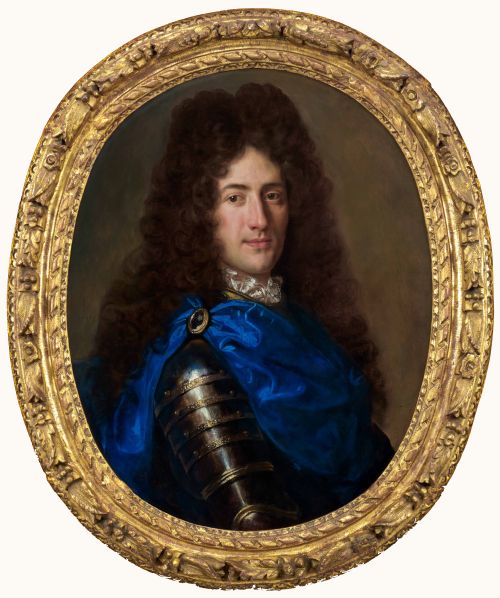
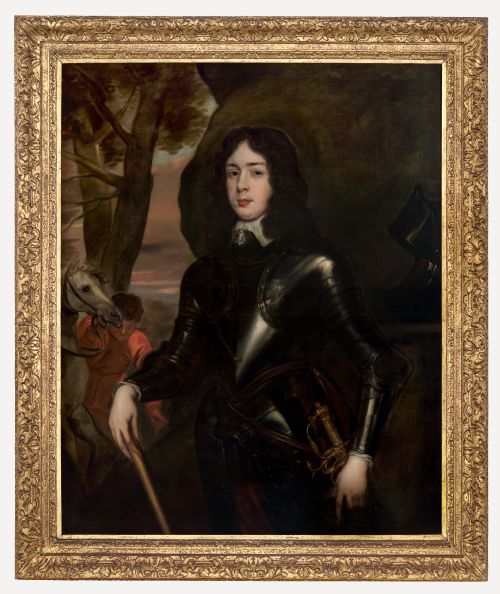
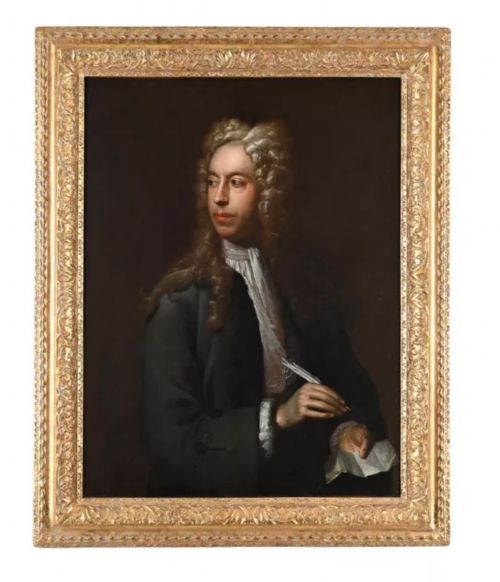
A baroque male portrait painting depicts figures such as gentlemen, scholars, officers, and nobles in oil on canvas, often wearing periwigs, armour, or ceremonial robes. These works span the seventeenth and eighteenth centuries, reflecting schools from Britain, Flanders, Germany, France, Italy, and Spain.
The most common subjects encountered on this page are portraits of gentlemen and noblemen produced by regional schools or the circles of prominent portraitists. Canvases frequently present sitters in three-quarter or bust-length formats, displaying distinct markers of status such as lace cravats, cloaks, and velvet jackets.
Many listings record specific sitters linked to European courts, military campaigns, or the clergy, accompanied by period frames in giltwood and gilded wood. These paintings document the shifting aesthetics of portraiture from the mid-seventeenth century through the early decades of the eighteenth century.
Materials and Techniques
Artisans built these works using oil paint applied to woven canvas supports stretched over wooden frames. The medium allowed artists to build rich layers of pigment, creating deep shadows and luminous highlights across velvet drapery, armour, and flesh tones.
Surviving canvases are frequently housed in period frames constructed from wood and finished with gold leaf, giltwood, or gilded wood. These frames often match the historical era of the painting, utilising carved ornamentation consistent with seventeenth and eighteenth-century joinery.
Baroque Male Portrait Painting Retail Price Guide 2026
Typical asking prices for baroque male portrait painting among the pieces listed under this phrase on Sellingantiques today, from the lower quarter to the upper quarter. They describe what is for sale here now, not the wider market.
Listings feature works spanning the seventeenth and eighteenth centuries, executed in oil on canvas and housed in giltwood frames.
Quality Variations
The distinction between workshop execution and direct studio attribution influences the standing of a canvas. Pieces created by the hand of a named master or an immediate studio assistant display a sharper command of anatomy and psychological depth than provincial school copies.
Material preservation also defines the standard of a work, particularly the integrity of the original canvas, the stability of the oil medium, and the presence of period-matching giltwood frames. Works that retain their unlined canvas and minimal overpaint offer a clearer record of the original painter's brushwork.
Sir Godfrey Kneller·Mary Beale·Michael Dahl·Sir Peter Lely·Sir Anthony van Dyck·Hyacinthe Rigaud·Nicolas De Largilliere·John Michael Wright
The Baroque Male Portrait Painting Glossary
- Giltwood
- Wood carved and surfaced with a thin layer of gold leaf or gold paint. This finish provides a reflective border common on seventeenth and eighteenth-century picture frames.
- Periwig
- A voluminous artificial wig worn by men of high social standing during the late seventeenth and early eighteenth centuries. Its presence helps date portraiture within the Baroque period.
- Circle of
- A designation indicating that an artwork was produced by an unidentified artist working closely within the style and immediate orbit of a master. It denotes proximity to a known workshop without direct attribution.
- Studio of
- A term used when a painting originates from the workshop of a master, often executing compositions under their supervision or based on established prototypes. These works share technical methods with the principal artist.
- Oil on canvas
- A painting technique utilising pigments suspended in drying oils applied to a stretched fabric ground. This medium allowed Baroque painters to achieve subtle gradations of light and shade.
Baroque Male Portrait Painting: Frequently Asked Questions
What does attribution to a circle mean?
Attribution to a circle indicates that an artist trained under or worked in direct association with a named master. These painters adopted the palette, composition style, and handling characteristic of the primary studio.
While not painted by the master's own hand, these works originate from the same period and cultural environment. They represent high-level output produced within the immediate orbit of major seventeenth-century workshops.
How should I care for an oil painting on canvas?
Oil paintings require stable indoor humidity and temperatures to prevent the canvas from slackening or the wooden stretcher from warping. Direct sunlight should be avoided to protect the pigment layers from fading.
Dusting should be performed gently using a soft, dry brush without applying pressure to the painted surface. Professional conservation is recommended for any cleaning or structural repairs to the canvas or giltwood frame.
What indicates a seventeenth-century date?
The presence of specific garments, such as lace rabats, falling bands, or large periwigs, provides a reliable chronological marker for portraiture. Hairstyles and facial hair styles shifted rapidly across the decades between sixteen-hundred and seventeen-hundred.
Additionally, the handling of light, shadow, and ground preparation reflects prevailing Baroque techniques. Pigment analysis and canvas weave examination further support accurate dating by specialists.