
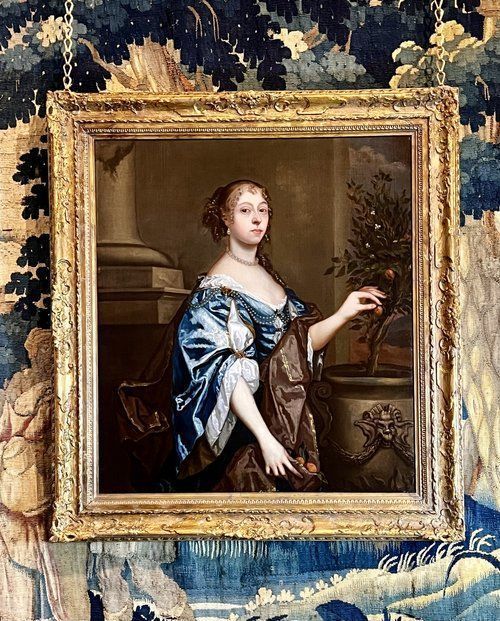
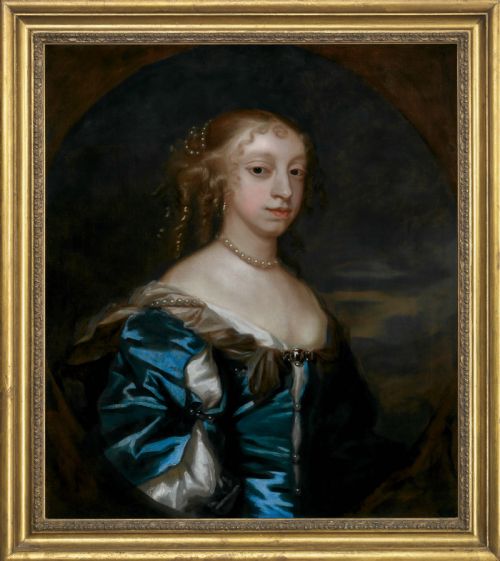
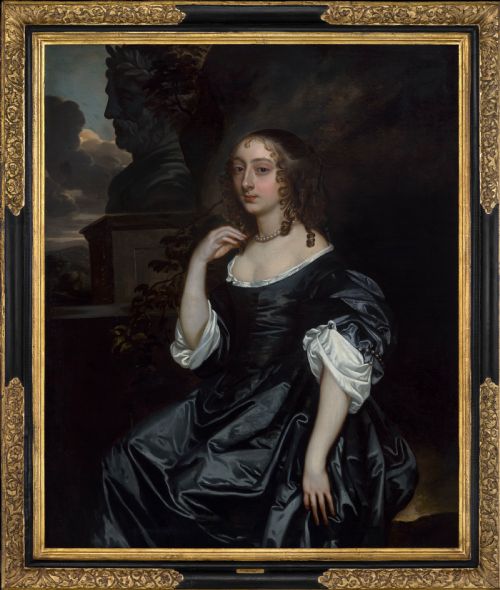
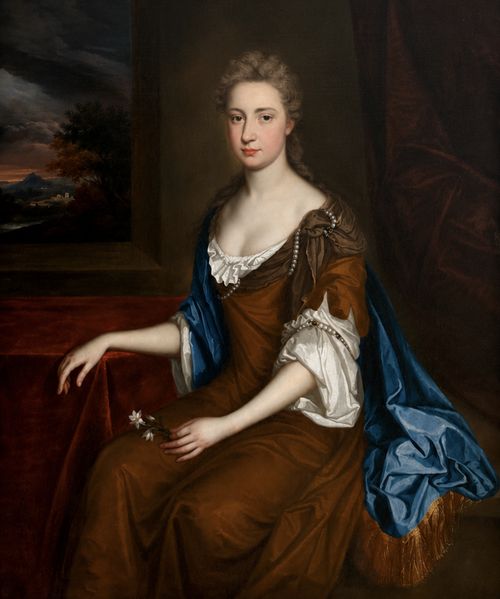



Baroque Lady Canvas Portrait
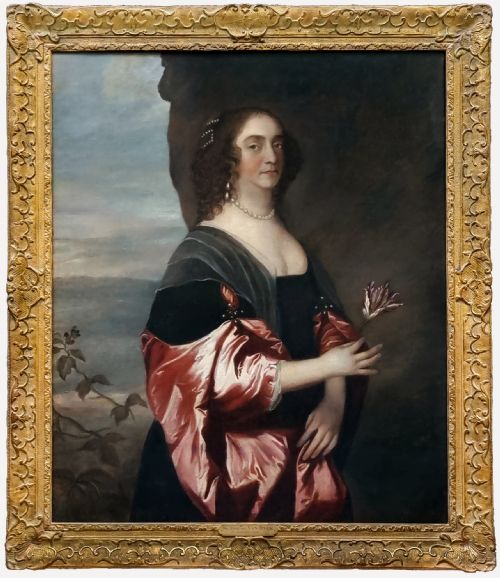
A baroque lady canvas portrait brings seventeenth and eighteenth century aristocratic presence into a room through oil paint and gilt wood.
Baroque Lady Canvas Portrait
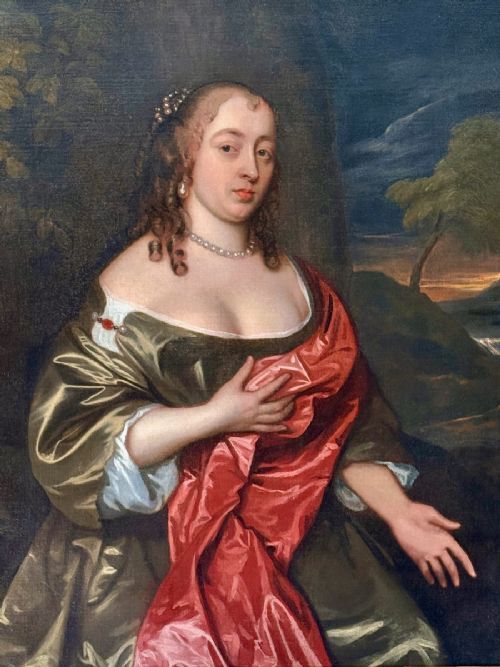
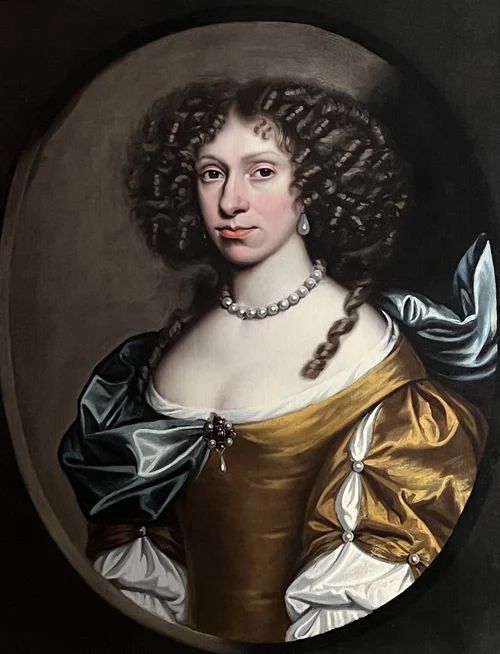
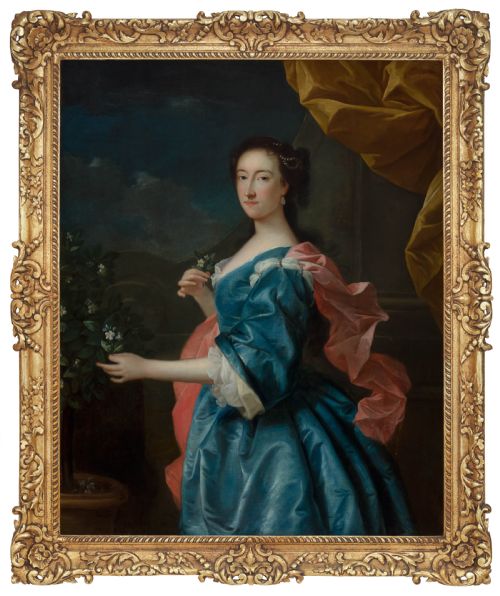
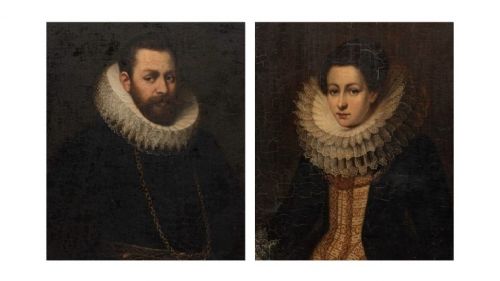
Subjects appear in elaborate attire such as satin dresses, ruff collars, and ermine trimmed cloaks, frequently accompanied by symbolic elements like orange trees or exotic birds. These oil paintings range from direct studio pieces to formal circle and follower works originating across the baroque and Georgian eras.
Materials and Construction
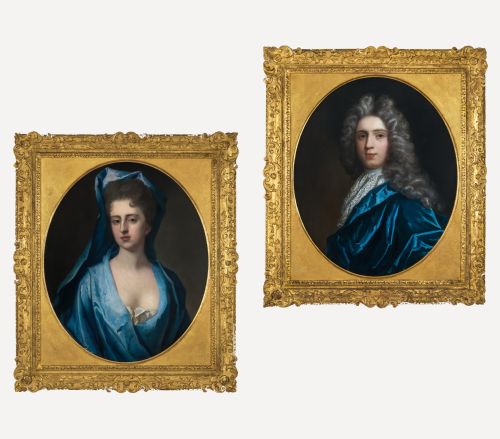
The primary vehicle for these works is oil paint applied to woven canvas supports, allowing artists to build deep layers of luminous colour for fabrics and flesh tones. Many examples are housed in their original or period-matching carved giltwood and gold leaf frames that enhance the theatrical depth of the composition.
Techniques rely on traditional ground layers and glazing methods developed during the Dutch Golden Age and British portraiture workshops. Pigments interact with the textured canvas grain to create the characteristic light and shadow interplay defining the style.
Current listings feature oil on canvas mediums framed in giltwood from the seventeenth century and eighteenth century.
Assessing Quality
Quality rests upon the subtlety of brushwork in facial modeling, fabric draping, and the handling of lace or pearls. Primary studio output and direct attribution pieces demonstrate a confident anatomical structure and psychological depth absent in generic follower copies.
The preservation of the original canvas and the integrity of the paint layers without extensive modern overpainting dictate the enduring value of the artwork. Frame craftsmanship also plays a role, with authentic period gilt wood adding substantial historical weight to the piece.
JOHN HAYLS·DAVID SCOUGALL·JEREMIAH DAVISON·MICHAEL DAHL·THOMAS MURRAY·PIETER BORSSELER·SIR PETER LELY·SIR ANTHONY VAN DYCK·NICOLAES MAES·NICOLAS FOUCHÉ·PIETER NASON·CORNELIUS JOHNSON·BARTOLOMÉ MURILLO·SIR GODFREY KNELLER·FRA GALGARO·MARY BEALE·WILLIAM WISSING·ADRIAEN HANNEMAN
The Baroque Lady Canvas Portrait Glossary
- Baroque
- An artistic style originating in the seventeenth century characterised by movement, drama, and deep chiaroscuro lighting. It emphasises grand scale and rich surface detail.
- Oil on Canvas
- A painting medium where pigments are suspended in drying oils and applied to stretched fabric. This technique allows for rich blending and luminous glazing.
- Giltwood
- Wood carved and covered with a thin layer of gold leaf or gold paint. It provides ornate framing for historic portraiture.
- Circle of
- A designation indicating an artist worked in close association with a master during their lifetime, adopting their specific style and methods. This denotes high workshop standard.
- Old Master
- A term for a European painter of skill who worked before about eighteen hundred. These artists formed the foundational traditions seen in antique portraiture.
Baroque Lady Canvas Portrait: Frequently Asked Questions
What periods do these portraits represent?
The selections span the seventeenth and eighteenth centuries, capturing the height of the baroque era alongside later revival periods.
Individual works date from the seventeen hundred blocks through to nineteenth century interpretations.
How should I care for an antique oil painting?
Keep the canvas away from direct sunlight and dramatic fluctuations in room temperature and humidity.
Dust the surface gently with a soft dry brush and avoid using liquid cleaners on the paint layer.
What do symbols like orange trees mean?
Botanical elements such as orange blossoms and fruit often carried specific iconographic meanings relating to purity, fertility, or family lineage.
Portrait sitters frequently included exotic birds or specific garments to signal their social status and wealth.
How can I distinguish a studio work from a follower piece?
Studio pieces were produced under the direct supervision of a master artist using established workshop templates and superior pigment blending.
Follower works executed later often display a flatter application of paint and less refined facial detailing.