

Baroque Fine Art
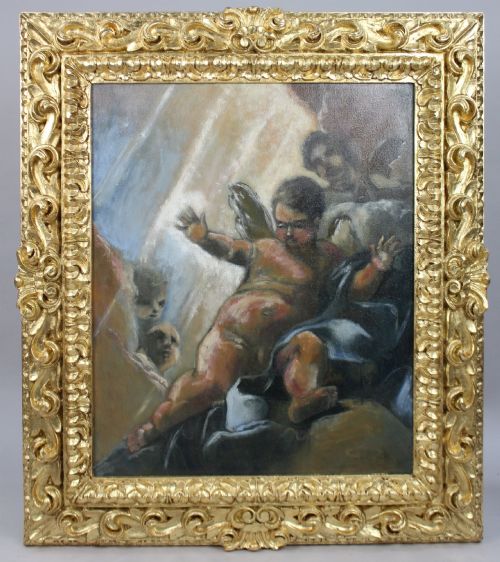
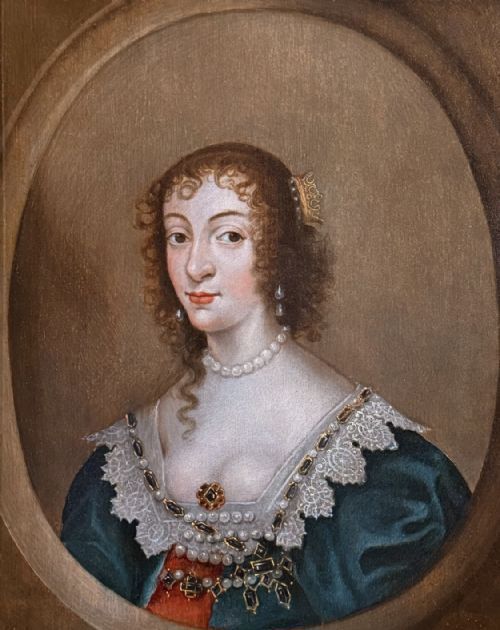
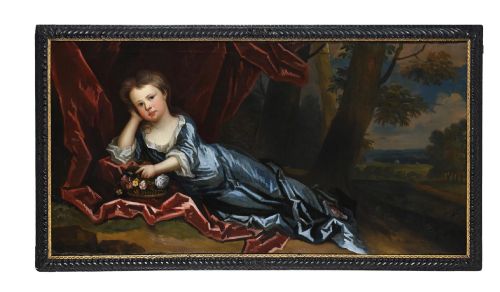
Baroque fine art encompasses grand seventeenth and eighteenth-century oil paintings and portraits designed to bring dramatic theatricality and rich historic character into a home.
Baroque Fine Art
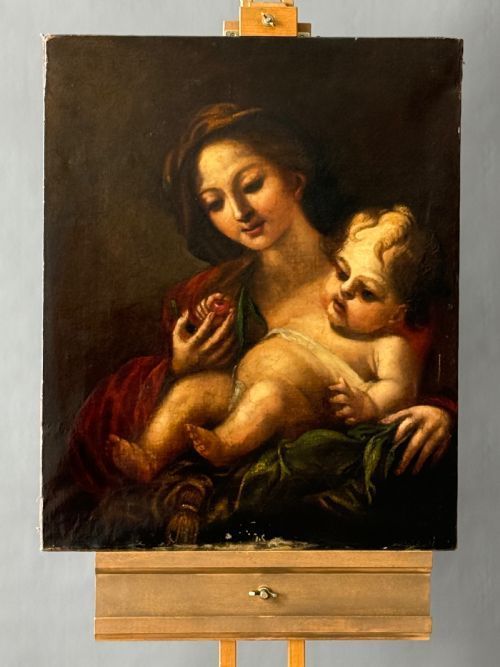
When collecting baroque fine art, buyers typically encounter oil paintings on canvas or panel, frequently featuring portraits of nobility, military officers, and gentlefolk alongside religious and mythological subjects. These works span the seventeenth and eighteenth centuries, originating from British, Dutch, Flemish, Italian, and Spanish schools.
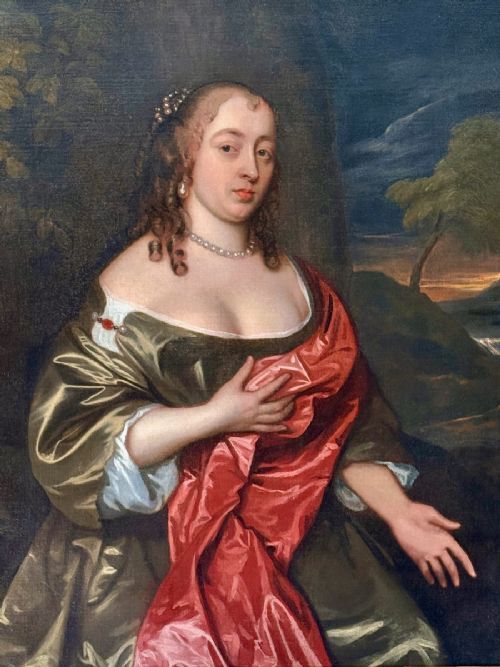
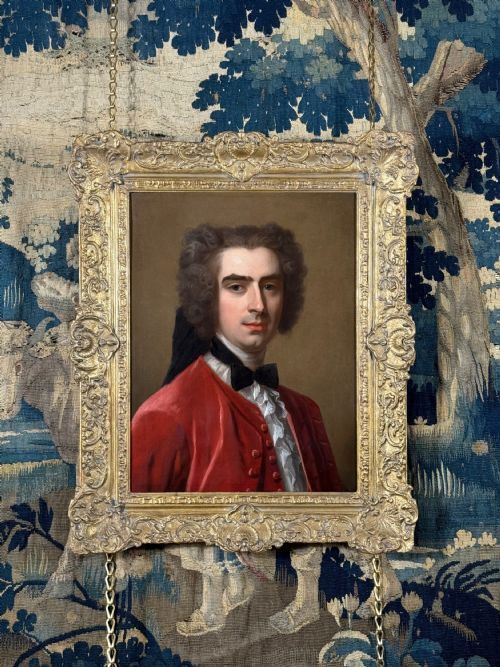
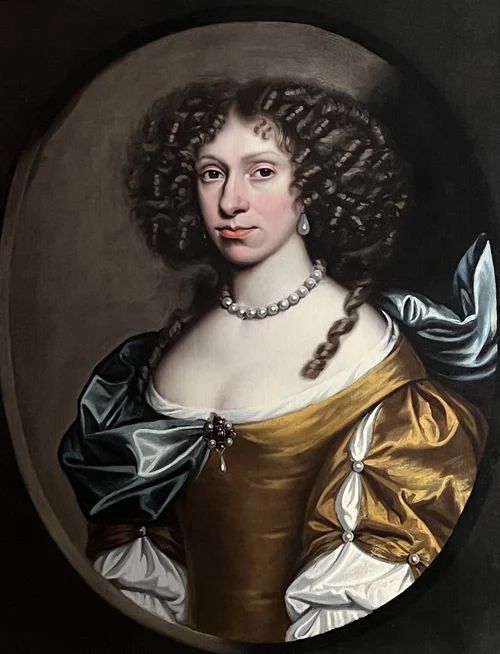
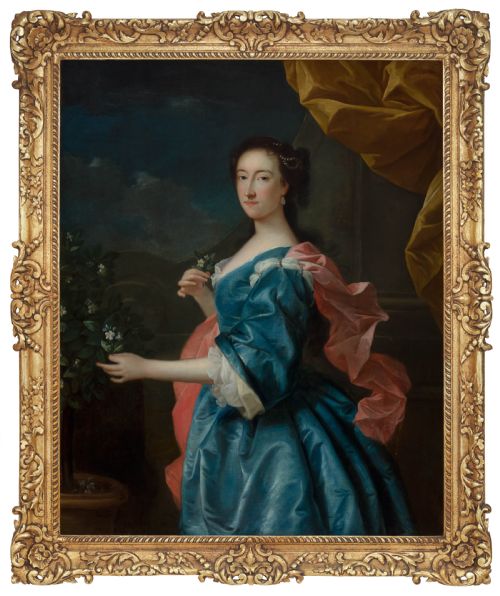
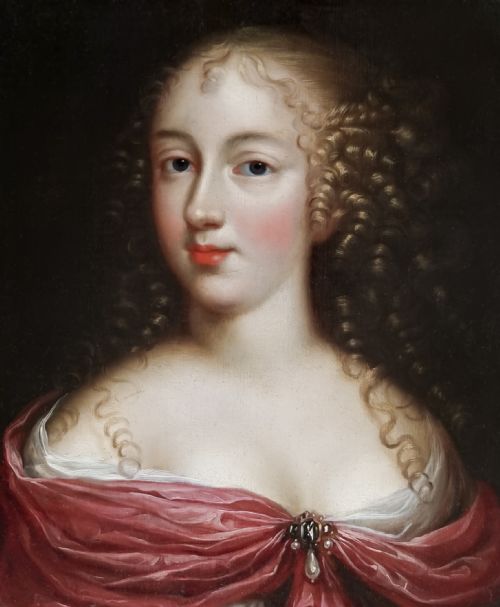
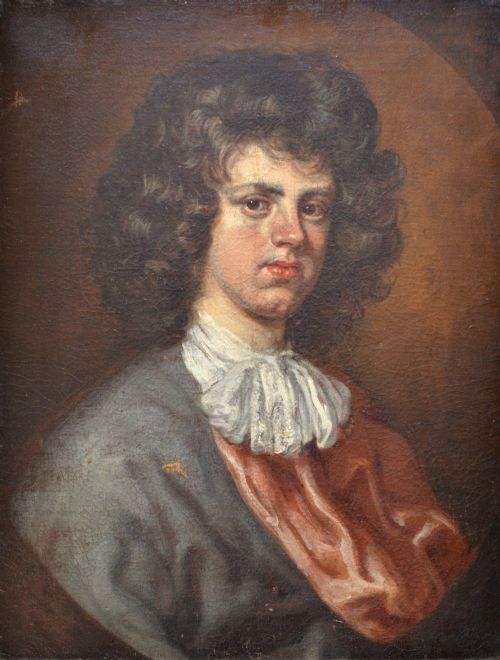
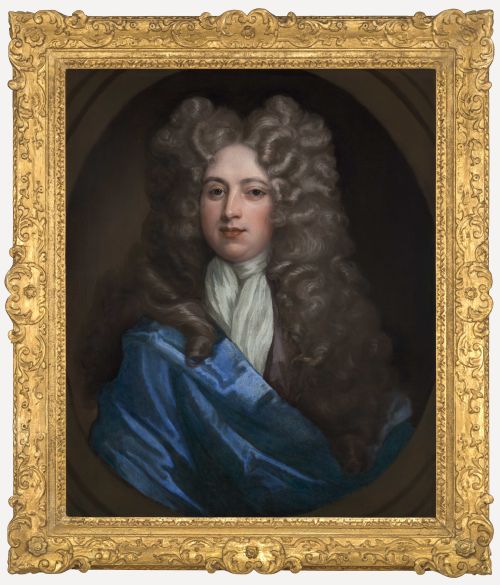
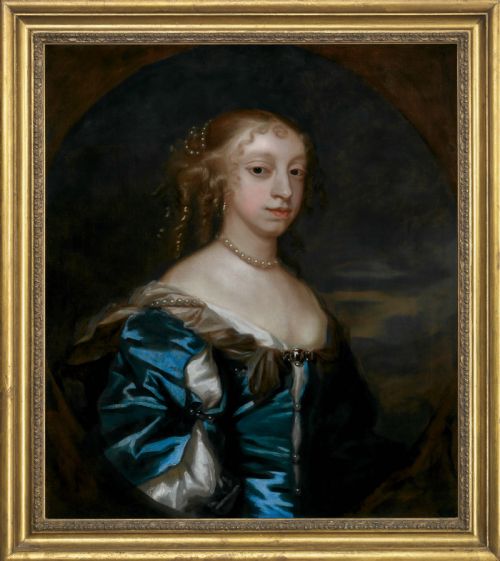
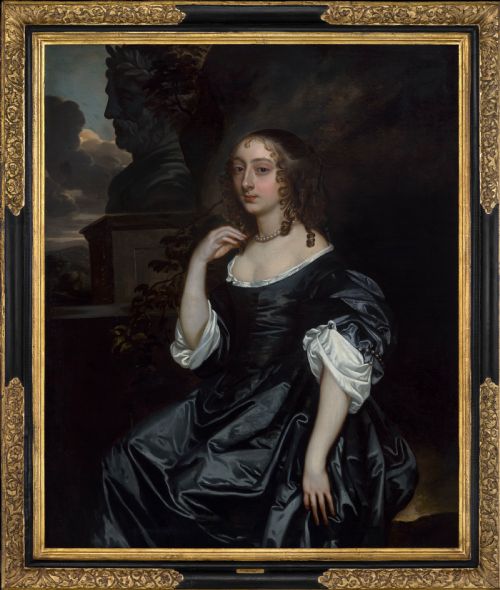
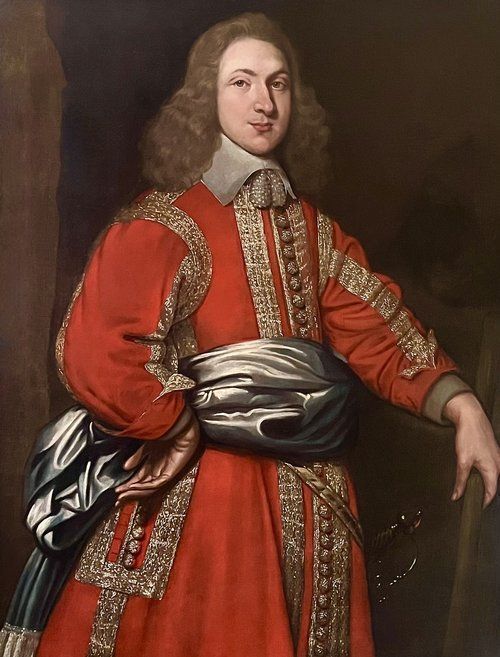
The dominant form on this page is the portrait, depicting subjects in elaborate attire such as armour, velvet cloaks, and lace collars, often accompanied by symbolic elements like orange trees or landscapes. Alongside these portraits sit older master paintings and sculptural works reflecting the distinct aesthetic of the period.
The style draws on Italian, French, Dutch, Spanish, and Flemish baroque traditions, occasionally incorporating later eighteenth-century rococo touches or nineteenth-century interpretations of earlier compositions. Buyers select these paintings to anchor a room with centuries of visual presence and historical narrative.
How They Were Made
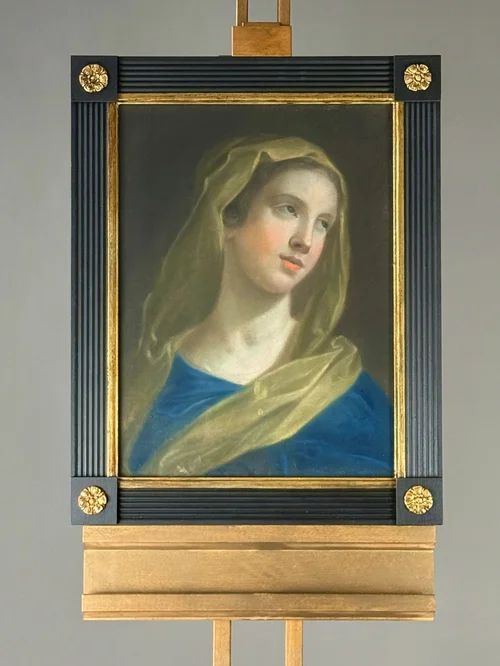
Makers built these works using oil paint applied to woven canvas stretched over wooden frames, or directly onto prepared wooden panels, occasionally utilising pastel on paper for specific portrait commissions. Pigments were worked in rich glazes to build deep shadows and luminous highlights, particularly visible in the rendering of textiles like velvet and silk.
Frames play an integral role in the physical construction of these pieces, with many surviving works set into heavy carved giltwood surrounds that complement the theatrical weight of the paintings. Master workshops and regional schools employed traditional priming and layering techniques that allowed pigments to endure across the centuries.
Several noble sitters share space with an exotic bird, an orange tree, and a very serious small dog.
What Varies in Quality
Quality across these works rests primarily on the expressive mastery of the brushwork and the psychological depth captured in the subject's face, distinguishing the confident hand of a primary master or skilled studio from a rigid copy. The rendering of intricate details, such as lace collars, armour reflections, and drapery folds, reveals the level of precision invested by the artist.
The condition of the painted surface and the original integrity of the canvas or panel also separate tiers of quality, alongside the presence of a well-matched period carved giltwood frame. Works that retain their underlying pigment luminosity without heavy modern overpainting command greater regard among collectors of old masters.
John Hayls·Jean-Baptiste Van Loo·David Scougall·Sir Anthony van Dyck·Jeremiah Davison·Pierre Mignard·Mary Beale·Thomas Murray·Sir Peter Lely·Benedetto Luti·Charles D’Agar·Pietro Fachetti·John Greenhill·John Closterman·Robert Byng·Toussaint Gelton·Guillaume Courtois·Trajan Hughes·Pieter Borseler·Joseph Vivienne·Cornelius Johnson·Frans Hals·Michael Dahl
The Baroque Fine Art Glossary
- Baroque
- A style of European art spanning the seventeenth and early eighteenth centuries, characterised by drama, deep shadow, and exuberant movement. It prioritises emotional intensity and grand theatrical staging.
- Old Master
- A term for a European painter of skill who worked before about eighteen hundred. These artists formed the foundation of classical painting traditions.
- Giltwood
- Wood that has been coated with a thin layer of gold leaf or gold paint. It frequently frames grand oil paintings to enhance their visual weight.
- Panel Painting
- A painting executed on a flat piece of wood rather than canvas. Wooden supports were common in earlier centuries before canvas became dominant.
- Provenance
- The chronological history of the ownership of a work of art. It helps establish authenticity and historical context.
Baroque Fine Art: Frequently Asked Questions
Where should I hang a baroque portrait?
These large oil paintings suit principal reception rooms, hallways, or libraries where their grand scale and dark, rich palettes command the space. Placing them away from direct sunlight protects the historic canvas and oil pigments from fading.
Pairing a substantial painted portrait with a traditional carved giltwood frame allows the artwork to anchor a room's primary seating area or fireplace mantel effectively.
How do I identify a seventeenth century portrait?
Seventeenth-century portraits often feature distinct clothing markers such as lace falling-bands, elaborate periwigs, steel armour, and structured doublets or gowns. Artists of this era utilised dramatic lighting known as chiaroscuro to illuminate the subject's face against a dark background.
Examining the canvas weave, stretcher frames, and the style of the signature or inscription can further help narrow down the specific decade of creation.
What is an old master painting?
An old master painting is a work created by a highly skilled European artist before the nineteenth century. These pieces reflect the rigorous studio traditions, techniques, and aesthetic values of their specific historical schools.
Collectors prize old masters for their enduring painterly quality and the window they provide into historical portraiture and narrative art.
How do I care for an oil painting on canvas?
Keep historic oil paintings in stable environments with moderate humidity and temperature to prevent the canvas from slackening or the wooden panel from warping. Avoid using liquid cleaners on the painted surface, relying instead on a gentle brush to remove dust from the frame.
Professional conservators should handle any deeper cleaning or stabilization of aged varnishes and pigments.