



Baroque Ceiling Fixture
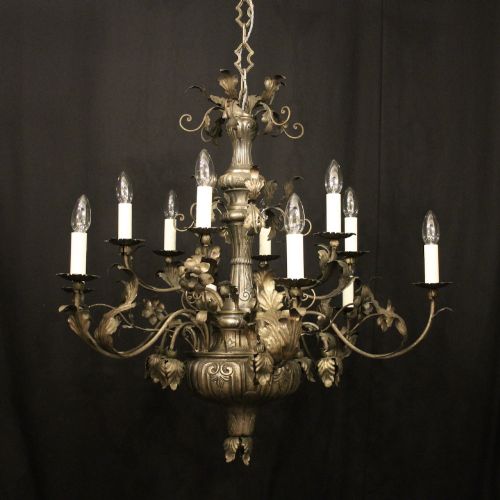
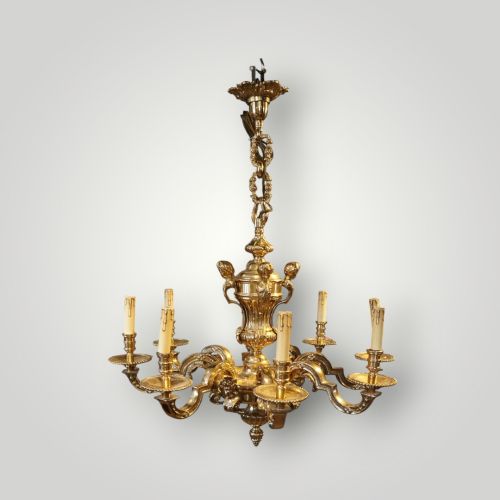
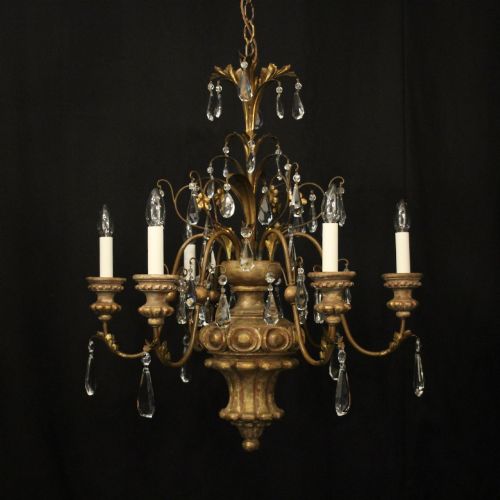
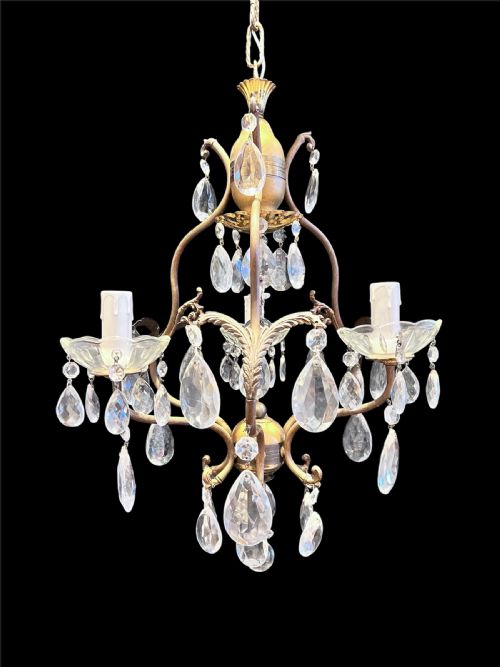
A baroque ceiling fixture brings dramatic scale and rich metalwork to a room, drawing the eye upwards with layered tiers and ornate ornamentation.
Baroque Ceiling Fixture
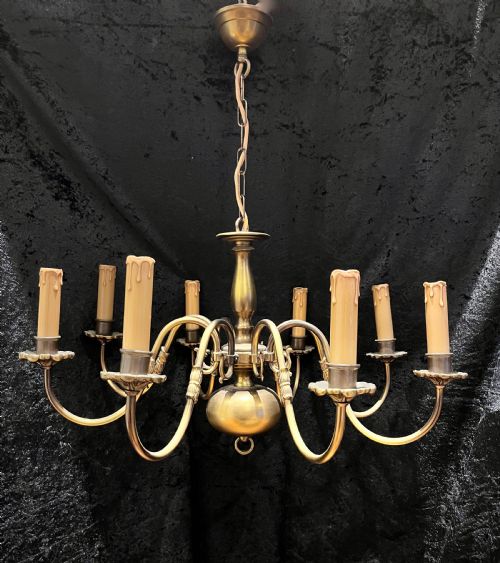
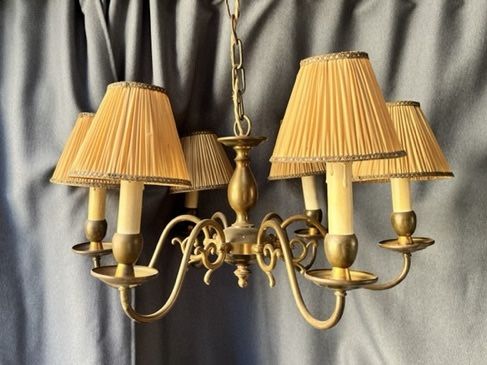
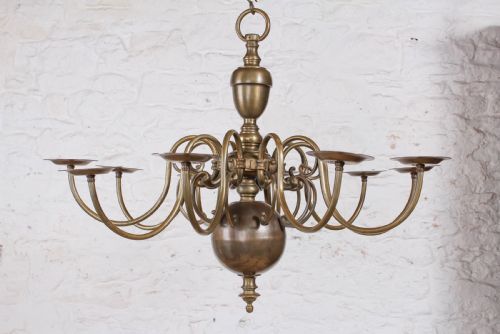
A baroque ceiling fixture encompasses grand chandeliers, hanging lanterns, and ceiling lights designed in Italian, Dutch, and French revival styles alongside earlier period examples. These pieces typically feature multiple arms, ranging from smaller configurations to large eighteen-light double-tiered designs.
Most examples found in this selection originate from the nineteenth and early twentieth centuries, including Edwardian interpretations and pieces dated through the nineteen-tens, twenties, and thirties. Italian Genoa and Florentine origins appear alongside Dutch brass designs and Flemish solid brass forms.
Buyers encounter substantial multi-branch brass, bronze, and giltwood constructions intended to anchor large spaces. Hanging lanterns and pod chandeliers offer alternative silhouettes within the same decorative vocabulary.
Factors of quality
The sophistication of the casting and carving distinguishes finer examples from simpler production, particularly in the depth of relief on bronze arms and carved giltwood lanterns. Heavier metal gauge and intricate multi-tiered structural complexity indicate higher grade execution.
The integration of materials such as cut crystal with gilt bronze defines the upper tier of decorative ambition. Preservation of original gilding and patination across brass and bronze surfaces governs the visual integrity of each piece.
The Baroque Ceiling Fixture Glossary
- Chandelier
- A branched ceiling-mounted lighting fixture designed to hold multiple lights across one or more tiers. These fixtures form the majority of the large multi-arm designs seen in brass and bronze.
- Gilt bronze
- Metal cast in bronze and treated with a gold or gilt surface layer to create a rich metallic sheen. This material appears frequently on elaborate revival chandeliers from the nineteenth and early twentieth centuries.
- Giltwood
- Timber carved and coated with gold leaf or metallic paint to simulate solid gold enrichment. It is characteristic of Florentine and Italian hanging lanterns and decorative frames.
- Hanging lantern
- An enclosed ceiling fixture suspended by a chain or rod, designed to shelter a light source within glass panels and a decorative metal frame. These pieces provide directional illumination in hallways and entryways.
- Tier
- A circular row of candle arms or lights arranged horizontally on a fixture. Double-tiered designs stack these concentric rings to increase the overall capacity and visual impact.
Baroque Ceiling Fixture: Frequently Asked Questions
How do I hang a heavy brass chandelier safely?
Installation requires anchoring directly into ceiling joists or utilising a heavy-duty ceiling box capable of supporting the substantial weight of cast brass and bronze fixtures. Professional electrical and structural assessment ensures the mounting hardware safely bears the load.
Because many of these pieces feature multiple tiers and heavy metal arms, checking the integrity of the suspension loop and chain links is an essential preparatory step before hanging.
What is the difference between Italian and Dutch styles?
Italian variants tend to feature ornate carved giltwood, crystal embellishments, and elaborate fluid bronze casting, often reflecting Florentine or Genoa traditions. These designs emphasise decorative carving and multi-tiered illumination.
Dutch styles typically rely on solid brass, copper, and robust multi-branch configurations with sweeping arms. They prioritise structural metalwork and substantial proportions over applied surface carving.
How should I clean a gilt bronze fixture?
Dusting with a soft, dry microfiber cloth removes surface particles without disturbing the delicate patination or gold leaf layers. Avoiding abrasive cleaners and chemical solvents protects the historic metal surfaces.
For intricate areas around cast ornamentation, a soft-bristled artist brush helps clear debris gently. Preservation of the original finish remains the primary objective during maintenance.
Can these antique fixtures be wired for modern electricity?
Most antique metal chandeliers and lanterns can be adapted by a qualified electrician to accept standard modern internal wiring safely. Rewiring ensures compliance with current safety standards while retaining the original exterior appearance.
Careful routing through the central hollow core and brass arms preserves the historic structure without altering the visible design of the fixture.