



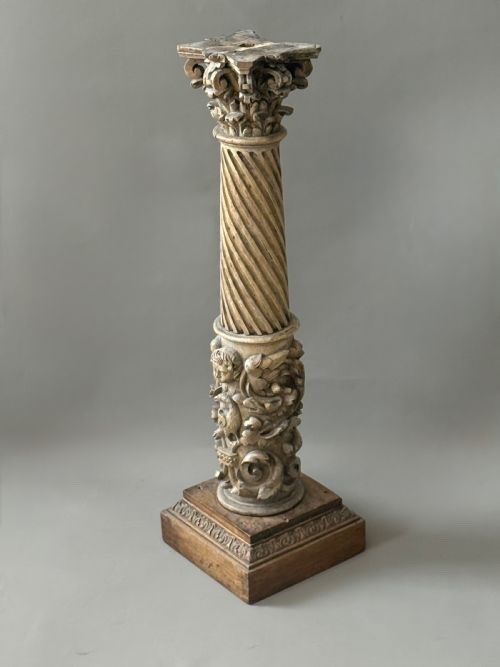

Baroque Carved Table
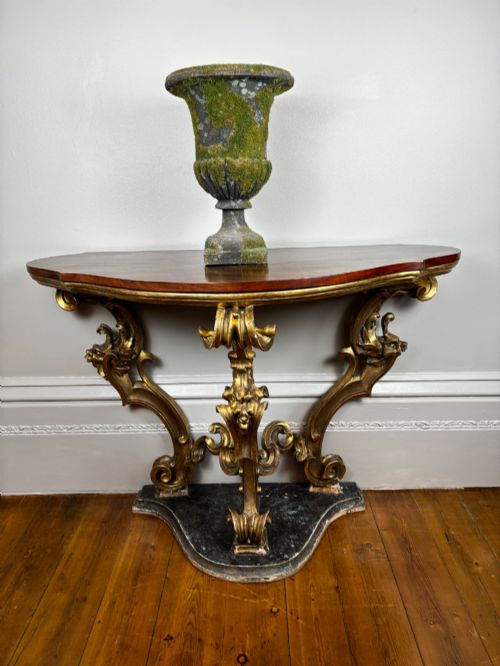
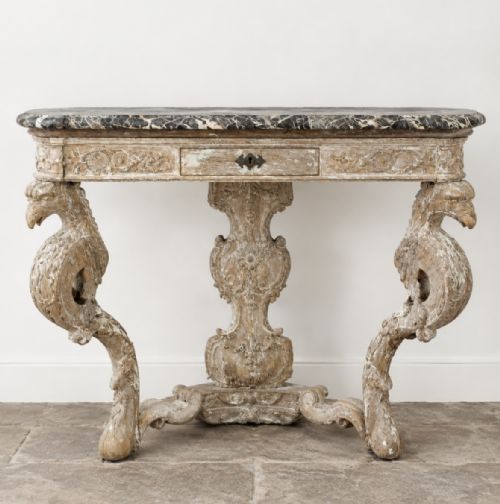
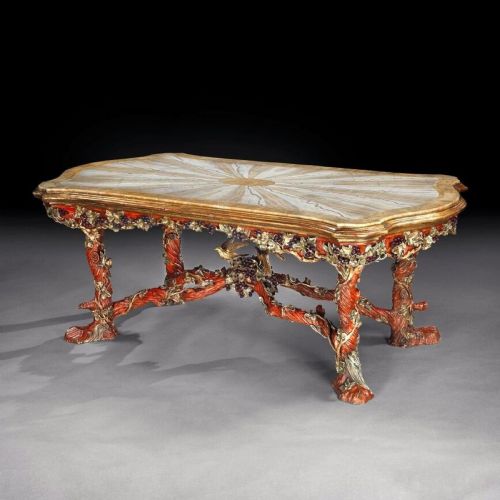
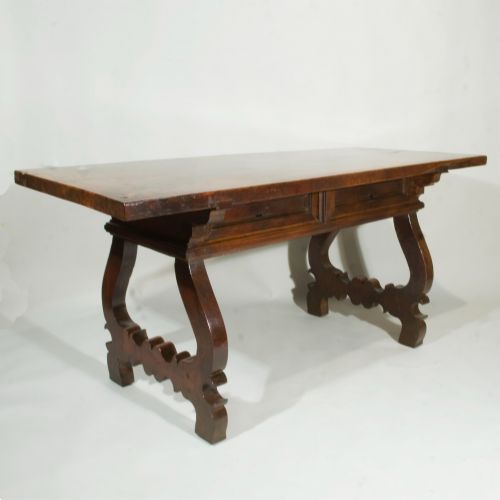
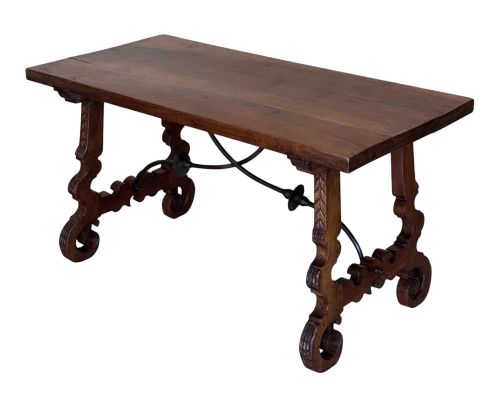
A baroque carved table brings grand 17th or 18th century European presence into a room through heavy timber, rich gilding and dramatic carved detail.
Baroque Carved Table
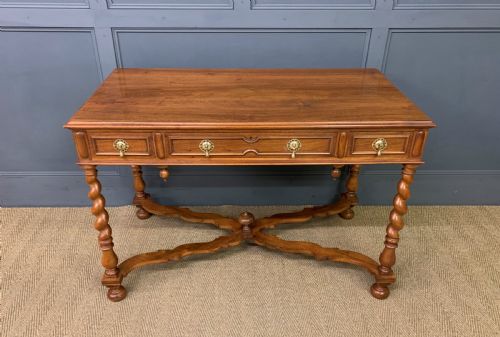
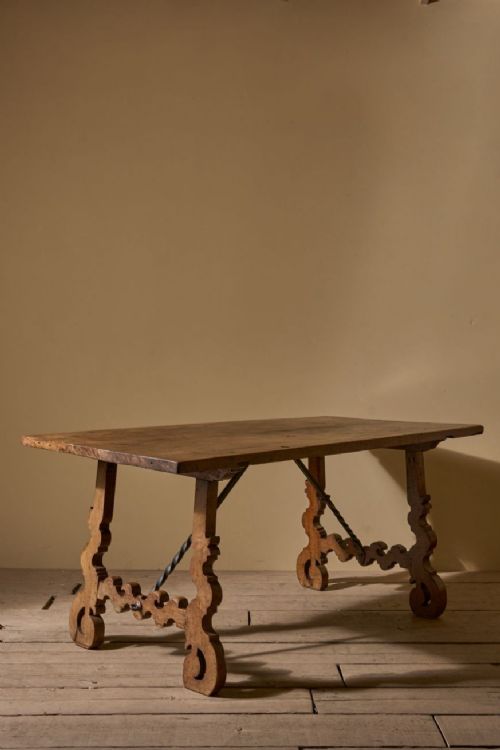
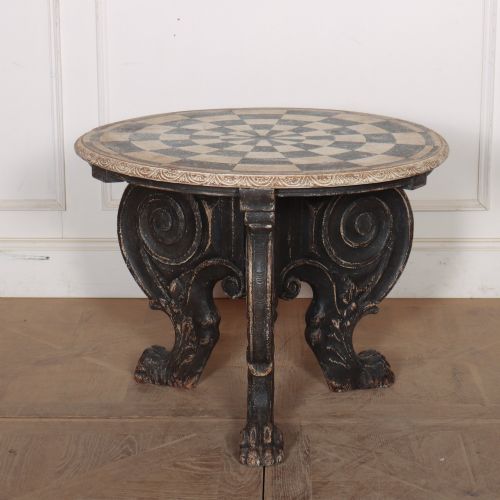
A baroque carved table encompasses console tables, side tables, dining tables and centre tables originating predominantly from Italy, Spain, and other European centres. These pieces emerge from the 17th century, 18th century, and 19th century, alongside later revivals from the Edwardian era and the 1920s.
The console table and side table forms dominate the selection, frequently paired with imported marble or onyx tops. Dining tables and coffee tables also appear, constructed with substantial proportions designed to anchor a principal room.
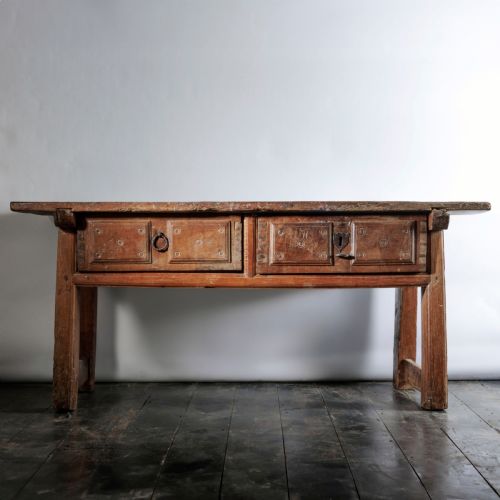
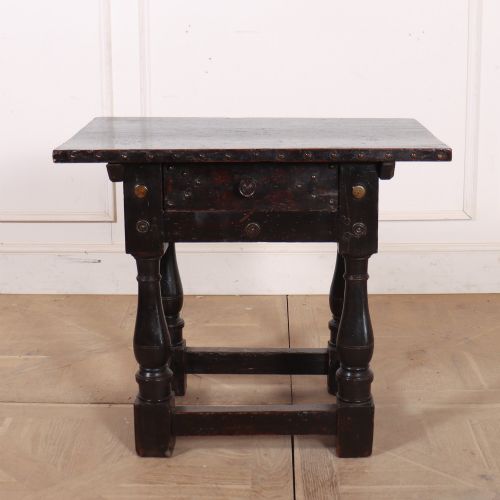
Regional variations define the appearance, ranging from austere Spanish walnut formats to lavish Italian giltwood and gesso surfaces adorned with lion's paw supports. Buyers encounter both provincial oak examples and ornate continental works intended for palaces and grand houses.
Materials and construction
Makers relied heavily on native hardwoods such as walnut, oak, and lime wood for structural integrity and deep relief carving. Walnut provided a stable base for crisp chisel work, whilst oak offered robust support for large dining and console formats.
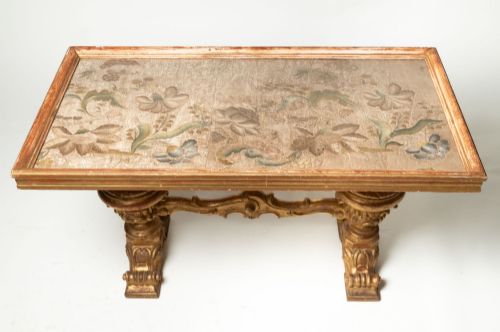
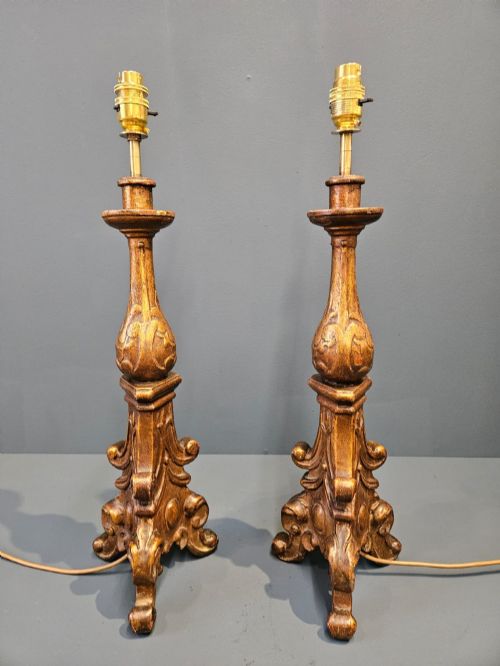
Surface ornamentation involved elaborate layers of gesso, silver gilt, and giltwood applied over timber substrates. Artisans also integrated contrasting materials, setting breccia marble, onyx, and pink Salome marble directly into the wooden frames.
Baroque Carved Table Retail Price Guide 2026
Typical asking prices for baroque carved table among the pieces listed under this phrase on Sellingantiques today, from the lower quarter to the upper quarter. They describe what is for sale here now, not the wider market.
Listings feature walnut, oak, giltwood, and marble across periods spanning the 17th century to the 1920s.
Indicators of quality
Quality rests in the depth and crispness of the hand carving, where assertive relief work and undercut details demonstrate superior artisan skill. Flat, mechanical chisel work indicates lesser execution.
The integration of materials dictates value, particularly the weight and quality of fitted stone tops such as breccia marble or onyx relative to the timber base. Original patination and intact gesso layers also separate masterworks from later restorations.
Amleto Bertoni·Sir Godfrey Kneller·Pauly et Cie
The Baroque Carved Table Glossary
- Console table
- A wall-mounted or freestanding table supported by two or more legs, designed to sit flush against a wall beneath a mirror or painting.
- Giltwood
- Timber coated with a thin layer of gold leaf or powder over a prepared gesso ground, creating a brilliant reflective surface.
- Gesso
- A plaster mixture applied to wood surfaces as a smooth base for gilding and paint, allowing for intricate moulded relief details.
- Breccia marble
- A multicoloured stone composed of broken fragments cemented together in a fine-grained matrix, frequently utilised for elite table tops.
- Demi-lune
- A half-moon shape characteristic of console tables designed to fit tightly against flat wall spaces.
Baroque Carved Table: Frequently Asked Questions
Where did these tables originate?
The evidence points primarily to Italy and Spain as the main centres of production for these heavy wooden and gilded pieces. Makers across these regions produced elaborate furniture for domestic and ecclesiastical settings.
Other continental examples originate from Germany, France, the Netherlands, and Flanders. These pieces reflect distinct regional preferences in timber selection and decorative motifs.
How were marble tops used?
Heavy stone slabs made from breccia, onyx, or pink Salome marble were laid directly onto the wooden frames of console and centre tables. This provided a durable, cool surface that resisted staining and added substantial weight to the furniture.
Such materials elevated the status of the piece, pairing the warmth of carved walnut or giltwood with polished stone. They were particularly favoured in Italian drawing rooms and grand halls.
What is the difference between revival pieces and earlier examples?
Pieces originating in the 17th and 18th centuries carry the authentic wear, structural adjustments, and patination of active historic use. They were constructed to meet the contemporary demands of baroque interiors.
Later revival pieces from the 19th century, Edwardian period, and 1920s emulate these historic styles using period-appropriate techniques. They replicate the grand scale and ornamentation of earlier centuries for subsequent generations of collectors.
How do I care for a giltwood surface?
Giltwood surfaces require gentle dusting with a soft, dry brush to prevent damage to the delicate gold leaf and underlying gesso. Moisture and harsh cleaning chemicals must be avoided entirely to preserve the metallic finish.
Placement away from direct sunlight and fluctuating heat sources protects the timber substrate from warping and cracking. Stable environmental conditions ensure the fragile gilding remains intact.