



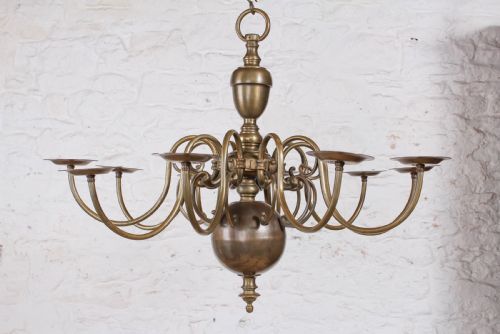
Baroque Brass Ceiling Light
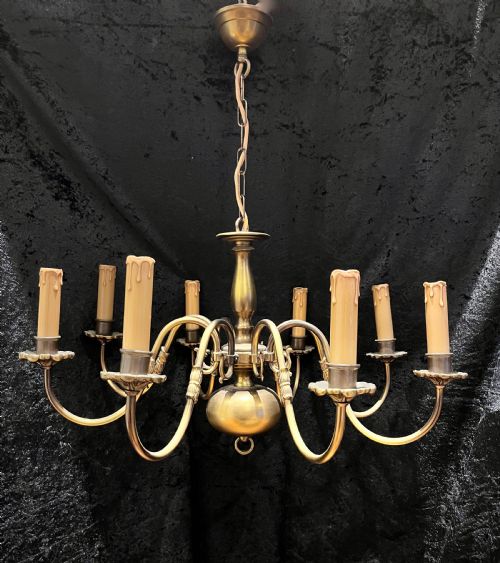
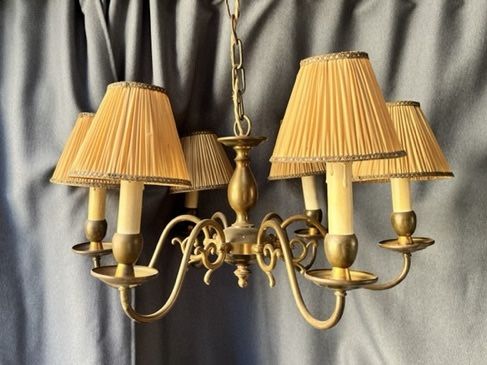
A baroque brass ceiling light anchors a room with tiered arms, cast metal work, and pendant illumination scaled for high architectural spaces.
Baroque Brass Ceiling Light
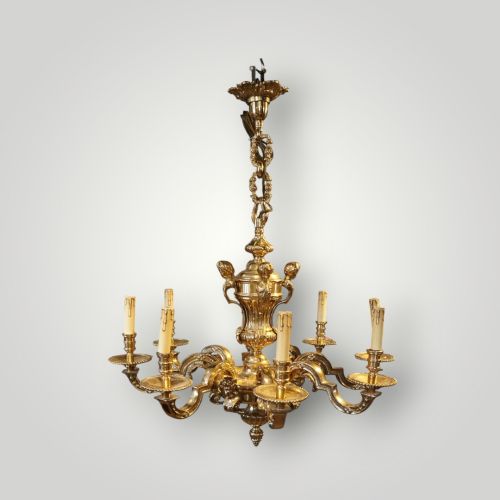
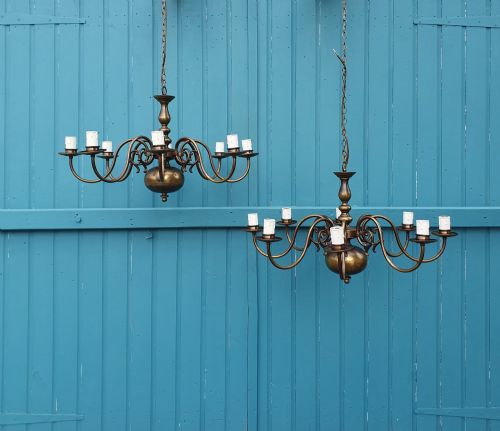
A baroque brass ceiling light covers a broad span of multi-armed chandeliers and pendant lanterns spanning from the eighteenth century into the early twentieth century. When searching for a baroque brass ceiling light, buyers encounter Dutch Flemish designs alongside French and Italian revival pieces executed in heavy cast metals.
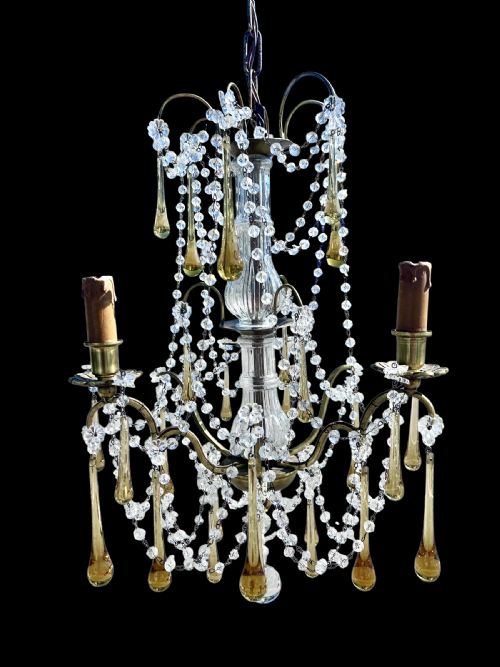
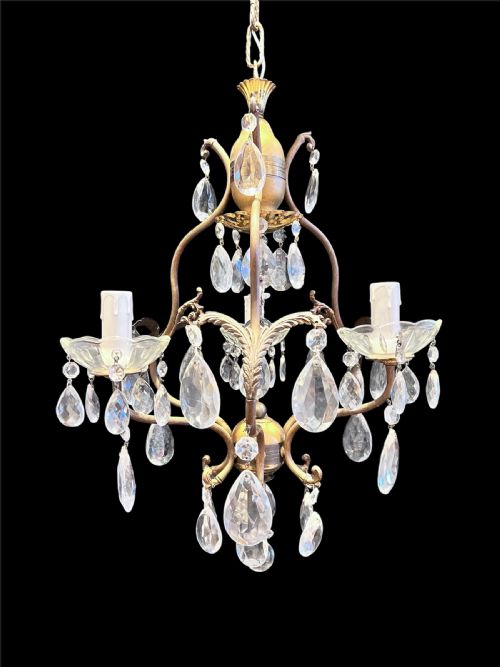
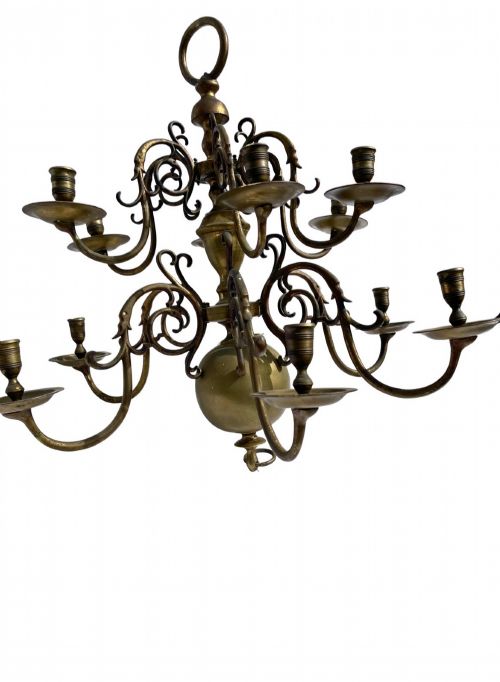
The dominant forms on this page include grand twelve-branch Dutch brass chandeliers, multi-tiered Italian fixtures ornamented with crystals, and heavy gilt bronze designs. These items bring substantial weight and intricate metalwork to period interiors, often incorporating copper, glass, and silver plating.
Origins stretch across European workshops, taking inspiration from seventeenth-century styles through nineteenth-century revivals. Buyers find robust solid brass constructions alongside ornate gilt bronze and ormolu variants designed for significant spaces.
How they were made
Maker workshops utilised traditional casting methods to produce the heavy structural arms and central stems characteristic of these chandeliers. Brass, bronze, and copper were cast, chased, and joined to support multiple tiers of light branches.
Gilding techniques, including ormolu and fire gilding, applied rich metallic finishes to bronze surfaces, while others relied on the polished warmth of solid brass or copper. Glass and crystal components were hand-cut and wired into frames to catch and refract illumination.
Object forms recorded here concentrate on multi-armed chandeliers, double-tiered designs, and glazed pendant lanterns.
What varies in quality
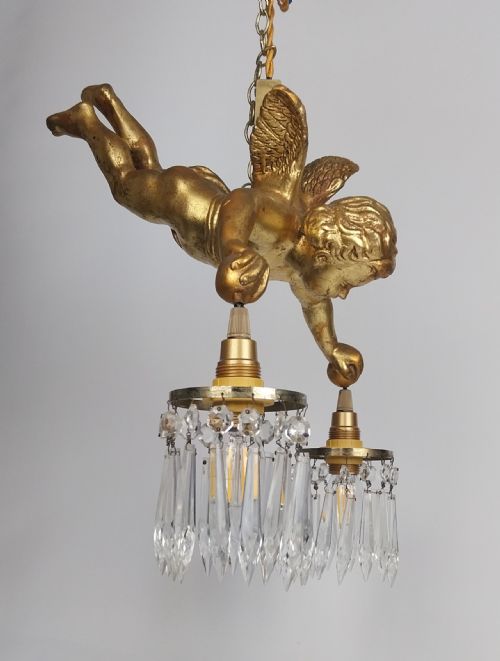
The refinement of the casting work dictates the distinction between standard and exceptional pieces, where crisp relief on cherubs, acanthus leaves, and scrollwork indicates superior artistry. Heavier metal gauges and complex multi-tiered structures generally signal higher ambition in the workshop.
The Baroque Brass Ceiling Light Glossary
- Ormolu
- A gilded bronze technique used extensively in decorative metalwork. It involves applying a finely ground high-carat gold-mercury amalgam to a bronze object before heating.
- Chandelier
- A branched ornamental ceiling light designed to hold multiple candles or electric bulbs. These fixtures typically suspend from chains or rigid rods in principal rooms.
- Baroque Revival
- An architectural and decorative style popular during the nineteenth century. It reinterprets the dramatic movement, heavy ornamentation, and grandeur of seventeenth-century baroque design.
- Pendant Lantern
- An enclosed hanging light fixture suspended from the ceiling. They often feature glazed panels held within metal frameworks of brass, bronze, or copper.
Baroque Brass Ceiling Light: Frequently Asked Questions
How do I clean an antique brass chandelier?
Dust the metal surfaces gently with a soft dry cloth to prevent the accumulation of grime on intricate castings. Avoid abrasive chemical cleaners that strip historical patina from the brass or bronze.
Check crystal and glass components individually, washing them carefully off the frame if necessary. Ensure the power supply is completely disconnected before undertaking any maintenance work.
What is the difference between Dutch and Italian styles?
Dutch designs tend to emphasise robust solid brass construction with multi-tiered scrolling arms and functional proportions. They reflect seventeenth-century mercantile prosperity and straightforward metal craftsmanship.
Italian fixtures often incorporate gilded bronze, coloured crystals, and elaborate decorative elements like winged cherubs. They lean towards theatrical ornamentation and rococo or palladian influences.
How heavy are these chandeliers?
These fixtures are constructed from solid cast bronze, brass, and heavy crystal, making them significantly heavier than modern lighting. Their substantial mass requires secure ceiling joist reinforcement.
Professional installation is essential to support the dead weight of multi-armed chandeliers safely over the long term.