




Baroque Aristocratic Oil Portraits
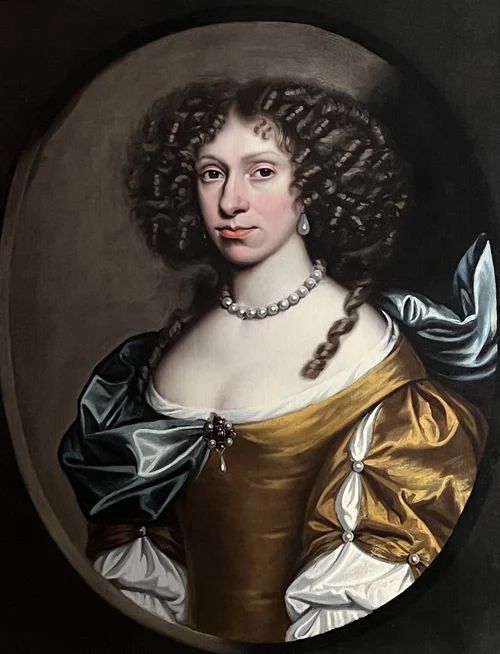
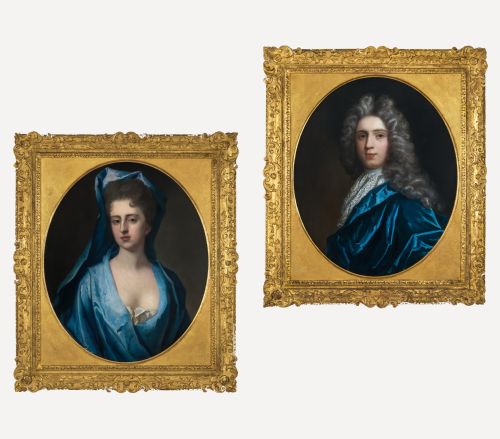
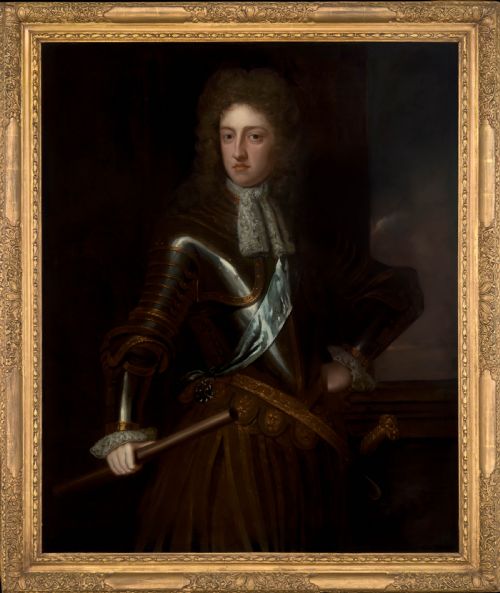
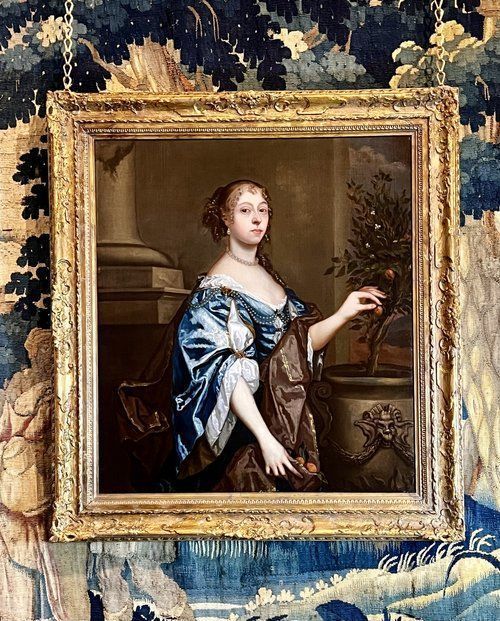
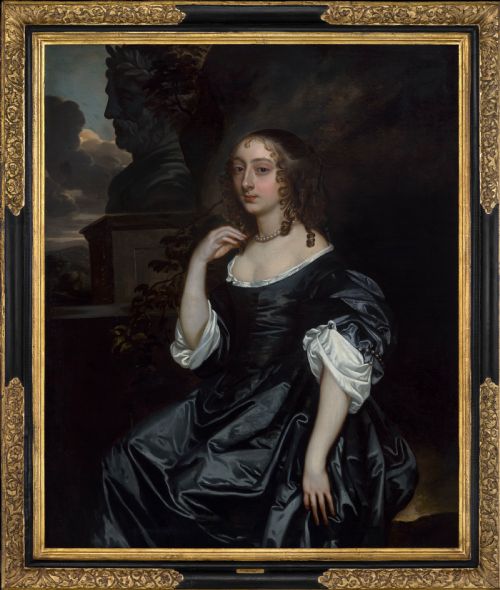
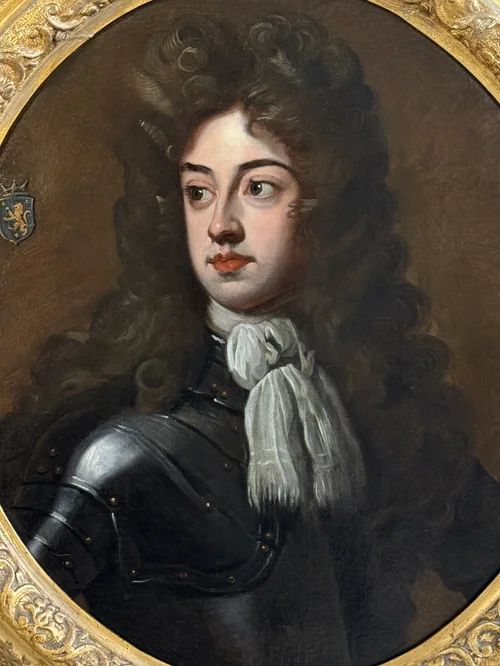
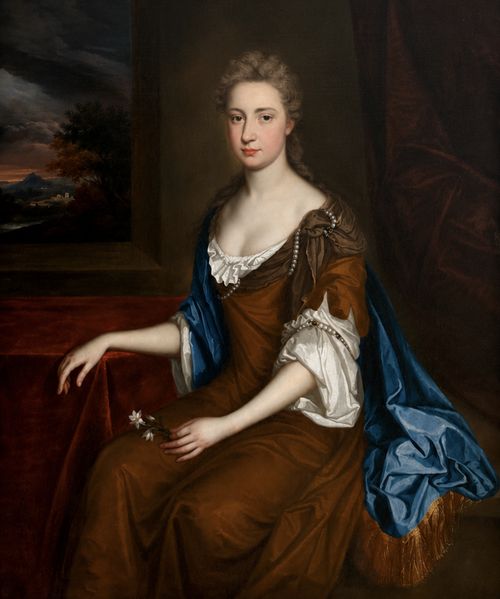
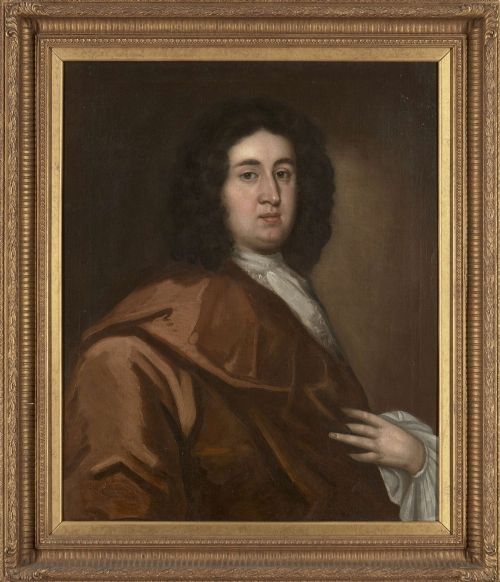
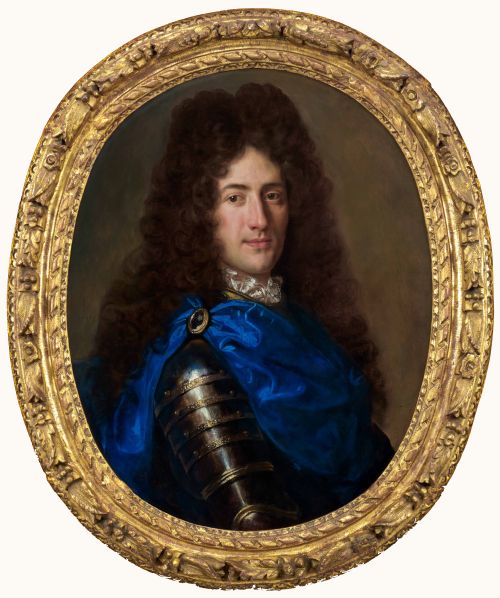
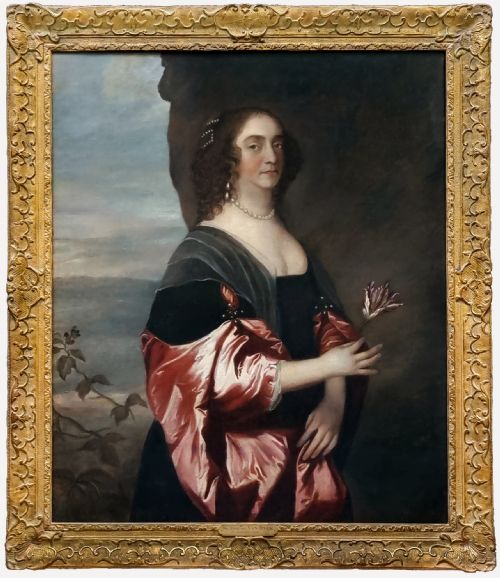
These baroque aristocratic oil portraits capture high status through oil on canvas, recording nobility in rich gowns, armour, and velvet drapery.
Baroque Aristocratic Oil Portraits
Baroque aristocratic oil portraits present figures of high rank from the seventeenth and eighteenth centuries, depicted with formal grandeur and elaborate costume. A buyer seeking this phrase encounters oil paintings on canvas that record monarchs, peers, and noblewomen within British, Dutch, French, and German schools.
The subjects wear armour, silk gowns, velvet cloaks, and jewels, often positioned within garden settings or sombre interiors. These works originate from named masters, studio circles, and contemporary followers active during the seventeenth and eighteenth centuries.
Most examples on this page date from the seventeenth century and the early decades of the eighteenth century, reflecting the height of court portraiture. Surviving pieces frequently retain period frames made from giltwood and gold leaf.
Materials and construction
Painters built these works using oil paint applied to woven canvas supports, sometimes stretched over wooden frames. The medium allowed artists to render rich fabrics such as satin, velvet, and ermine with deep shadows and highlighted folds.
The constructed frames utilise carved wood enhanced with giltwood or gold leaf, providing ornate surrounds that complement the formal nature of the painted subjects. These combined materials ensure the survival of both image and mount across centuries.
Listings feature works from the 17th Century and 18th Century, utilising oil on canvas, giltwood, and wood.
Distinctions in execution
Quality separates studio output from the hand of the master himself, visible in the handling of facial expressions, lace collars, and drapery. Superior canvases display confident brushwork in the eyes and hands, while lesser workshop repetitions rely on formulaic rendering.
The depth of the pigment and the preservation of the canvas ground determine the visual impact of the composition. Works with minimal restoration retain the original glazing and tonal harmony intended by the seventeenth or eighteenth-century painter.
DAVID SCOUGALL·JOHN HAYLS·MICHAEL DAHL·THOMAS MURRAY·SIR GODFREY KNELLER·PIETER BORSSELER·SIR PETER LELY·JOHN CLOSTERMAN·TRAJAN HUGHES·SIR PHILIP MAINWARING·JOSEPH VIVIENNE·NICOLAS DE LARGILLIÈRE·PIETER NASON·JOHANN KERSEBOOM·JOHN MICHAEL WRIGHT
The Baroque Aristocratic Oil Portraits Glossary
- Baroque
- A European artistic style spanning the seventeenth and mid-eighteenth centuries characterised by drama, deep colour, and grand scale. This aesthetic emphasises movement and monumental presence in portraiture.
- Oil on canvas
- Pigment mixed with drying oil applied to a woven fabric stretched across a wooden frame. This medium replaced panel painting as the primary support for large-scale works.
- Giltwood
- Wood carved into decorative patterns and covered with a thin layer of gold leaf or gold paint. These frames define the outer edge of period paintings.
- Studio of
- A term indicating a work produced by assistants or pupils under the direct supervision of a master painter. Such pieces closely follow the established compositions of the principal artist.
- Circle of
- An attribution used when a painting shows the unmistakable style and technique of a known master but lacks definitive documentation. The creator worked within the immediate artistic orbit of the named figure.
Baroque Aristocratic Oil Portraits: Frequently Asked Questions
What periods do these portraits cover?
The inventory spans the seventeenth century and the eighteenth century, with particular concentration around the sixteen-fifties to the seventeen-tens. These dates encompass the Stuart era, the Dutch Golden Age, and the early Georgian period.
Works from this timeframe reflect the international exchange of portrait painters across European courts, linking British patrons with Dutch and German masters.
How should I hang an oil portrait?
Display these canvases away from direct sunlight and fluctuating heat sources to protect the oil paint and canvas ground. Adequate wall space allows the substantial scale and giltwood frames to command the room.
Ensure proper picture hooks are secured into wall studs, as these framed works carry significant weight due to their wooden supports.
Who are the typical subjects?
The sitters include monarchs, earls, countesses, military commanders, and landed gentry. Their identities are often recorded in contemporary inscriptions or archival records attached to the canvas.
Attributes such as armour, coronets, and velvet robes denote the high social standing and public offices held by the individuals.
What is the difference between studio and circle works?
Pieces attributed to the studio of a master were executed by assistants working closely under that artist's supervision. They often replicate known compositions with direct input from the primary workshop.
Paintings from the circle of an artist denote independent hands working in the distinct manner of the master without direct employment in their studio.