
Barley Twist Furniture
Barley twist furniture brings tactile turned wooden columns to tables, cabinets and stands from the seventeenth to the twentieth century.
Barley Twist Furniture
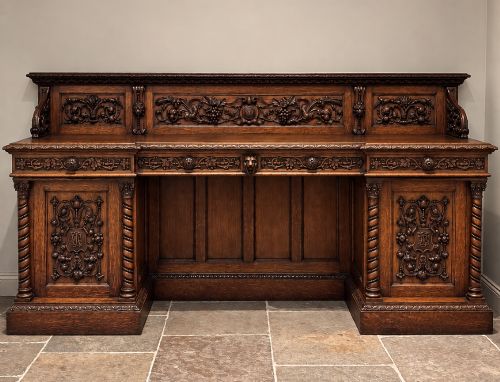
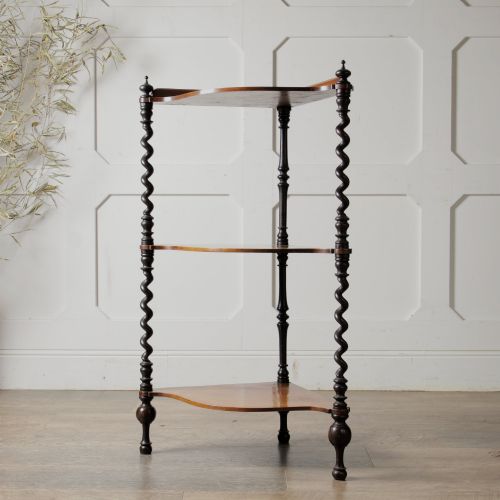
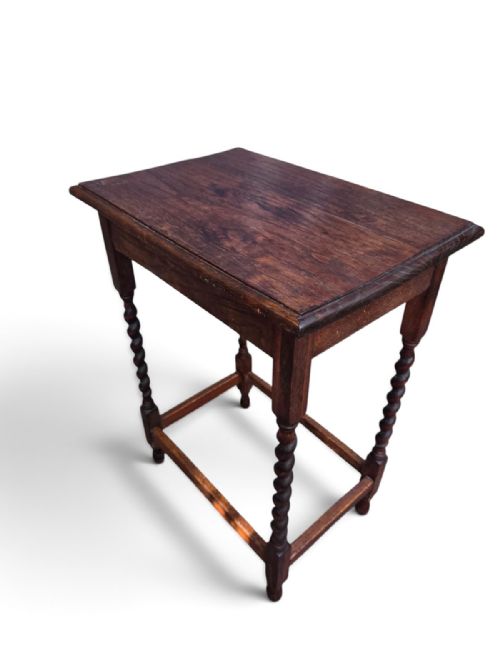
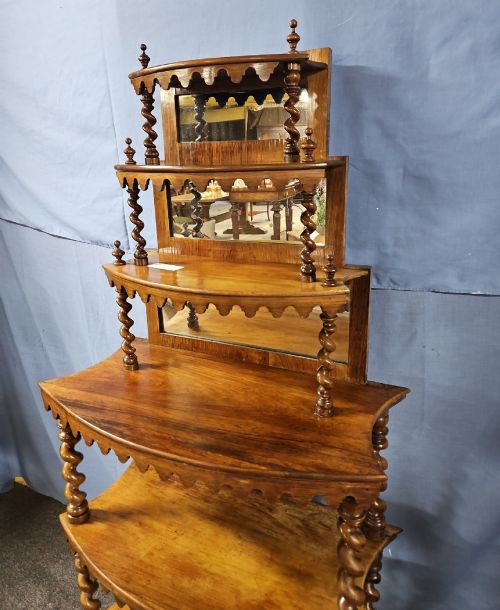
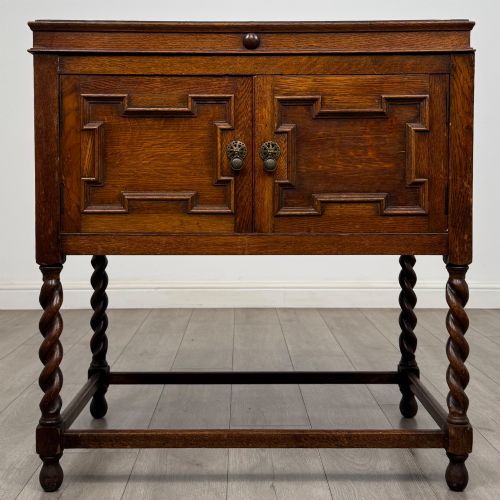
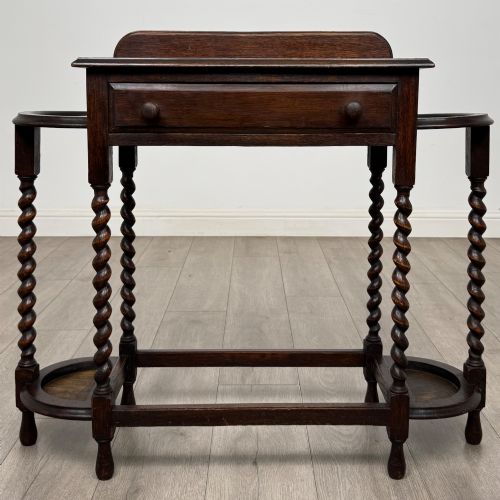
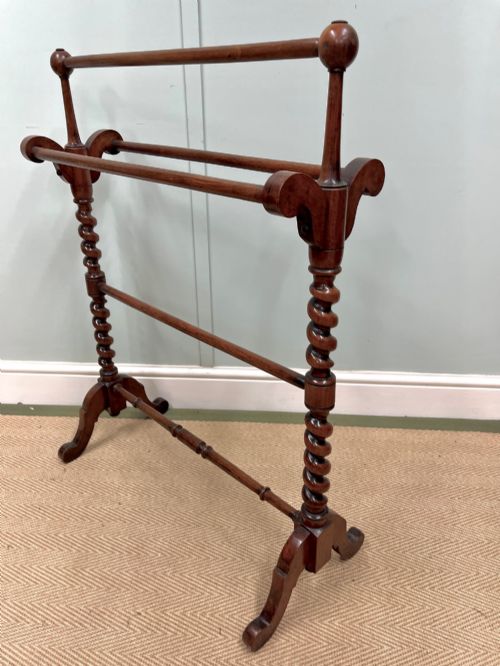
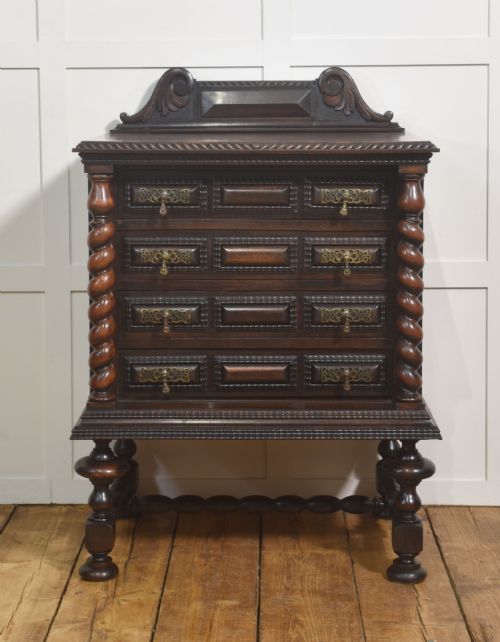
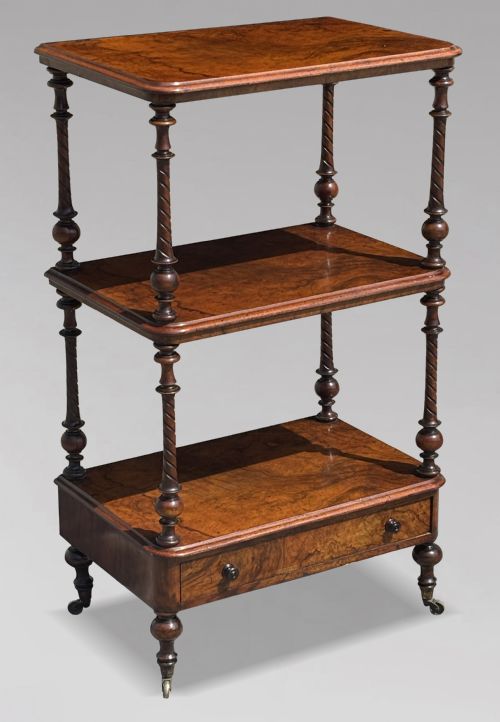
Barley twist furniture encompasses items featuring distinctive helical or spiral turned wooden components, seen on pieces ranging from seventeenth-century cabinets on stand to Edwardian side tables. The selection relies heavily on nineteenth-century Victorian walnut and mahogany examples, alongside oak pieces spanning the seventeenth to the twentieth century.
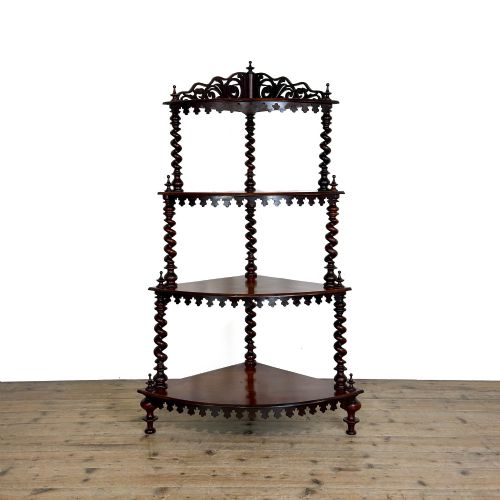
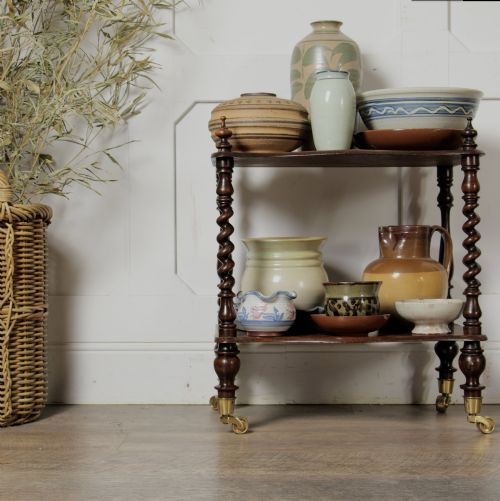
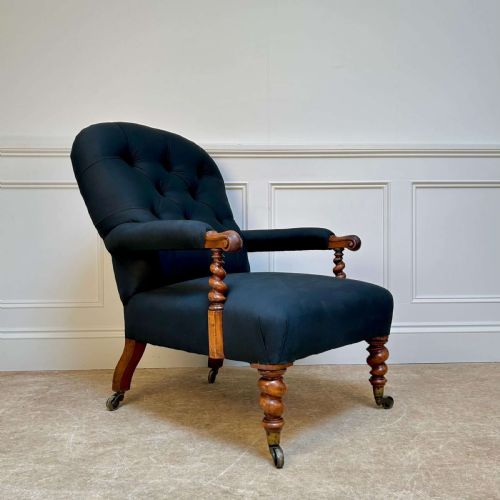
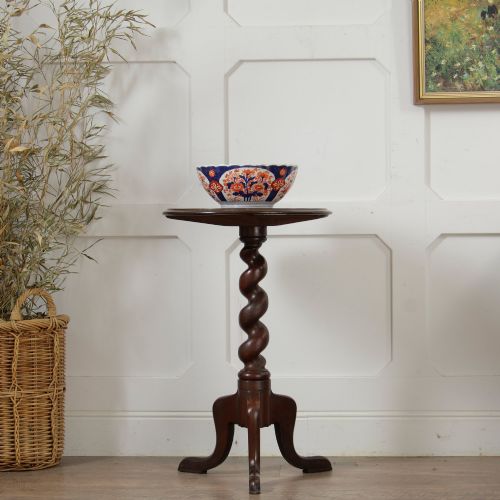
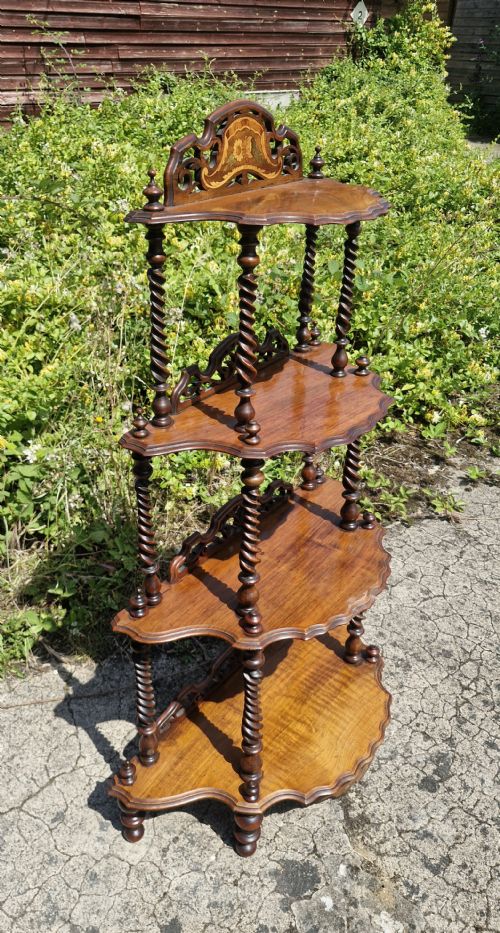
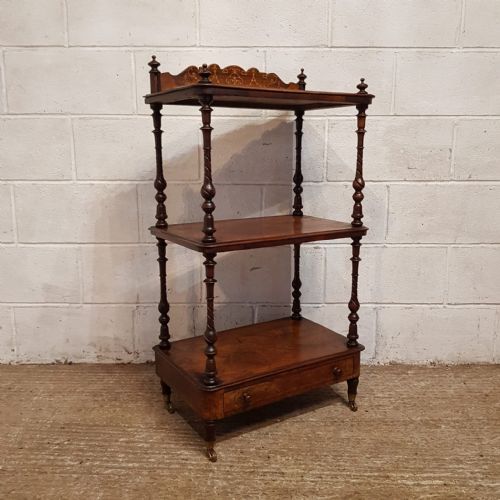
Buyers encounter these spiral turnings on functional domestic forms including side tables, corner whatnots, hall stands, chests of drawers and armchairs. The turnings serve both structural and decorative roles, framing shelves or forming the primary legs of occasional furniture.
Origins stretch across British, Portuguese Colonial, Spanish and Flemish traditions, reflecting global adoption of the twist motif. Most offerings on this page date from the Victorian and Edwardian eras, executed in native and exotic hardwoods.
Materials and turning methods
Craftsmen shaped these helical columns using solid timbers such as oak, walnut, mahogany and rosewood, occasionally selecting burr walnut veneers or exotic woods like ebony and laburnum. The density of these hardwoods allowed the woodturner to carve crisp, clean spirals without splintering the grain along the helical path.
Turned components required precise hand lathe work and chiselling to maintain uniform pitch and depth along the length of each leg or stretcher. Cabinetmakers then joined these turned uprights using traditional mortise and tenon joinery to support heavy tops, shelves and drawers.
Side tables, whatnots and chests of drawers represent the most common object types found among the pieces.
Assessment of craftsmanship
Excellence in these turned pieces rests on the precision of the spiral carving and the symmetry of the helix across matching pairs of legs. Superior examples display sharp, well-defined contours and careful finishing that maintains consistent depth from top to bottom.
Material selection dictates much of the standing of a piece, with figured burr walnut, rich rosewood or substantial quarter-sawn oak commanding attention. The integration of the turned elements with solid secondary construction and crisp jointwork separates standard utilitarian items from finer cabinetwork.
Hindley & Sons
The Barley Twist Furniture Glossary
- Barley twist
- A spiral turned column resembling the stalks of barley. This decorative motif gained popularity in seventeenth-century furniture and saw revivals during the Victorian and Edwardian periods.
- Whatnot
- A set of open shelves used for displaying ornaments or holding books. These tiered pieces often incorporate turned corner supports.
- Canterbury
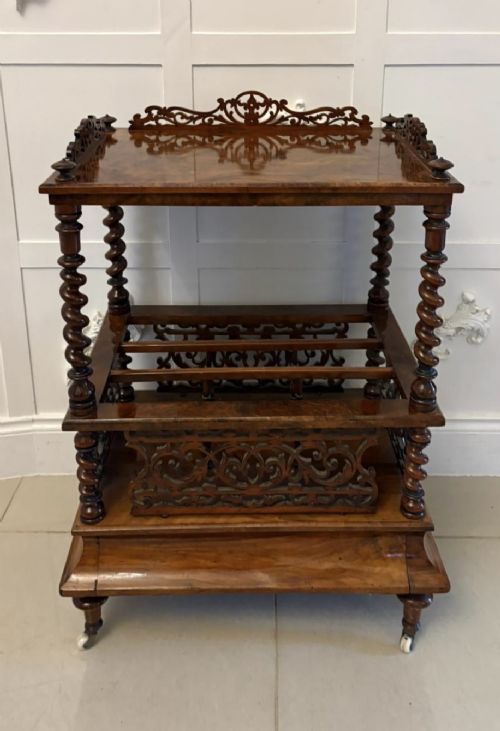
- A low stand traditionally used for sheet music or loose periodicals. Victorian makers frequently incorporated compartmented tops above slender turned legs.
- Bargueño
- A decorative Spanish cabinet on a stand. These sophisticated pieces often feature complex interior drawers behind a fall-front panel.
Barley Twist Furniture: Frequently Asked Questions
What periods are represented in barley twist furniture?
The pieces span from the seventeenth century through the Victorian and Edwardian eras up to the nineteen-twenties. Revival styles frequently emulate earlier seventeenth-century craftsmanship.
Victorian and Edwardian versions dominate the current selection, utilising walnut and oak.
How do I distinguish walnut from mahogany pieces?
Walnut displays a rich brown colour with darker grain patterns and occasional burr figuring. It was favored for decorative Victorian whatnots and tables.
Mahogany offers a reddish-brown tone with a straighter, finer grain. It appears frequently on nineteenth-century chests and occasional furniture.
Where were these turned items used in a home?
They functioned as versatile occasional pieces, including side tables, lamp stands and hall furniture. Corner whatnots utilised neglected room angles for display.
Larger forms like cabinets on stand and chests of drawers served formal reception rooms and bedrooms.
Are the spiral turns hand carved or machine made?
Earlier examples from the seventeenth century relied on hand lathe turning and chiselling. Later Victorian and Edwardian pieces often benefited from improved mechanical turning lathes.
Hand-finished details remain visible in the crispness of the helical edges across the better examples.