






Baluch Tribal Weaving
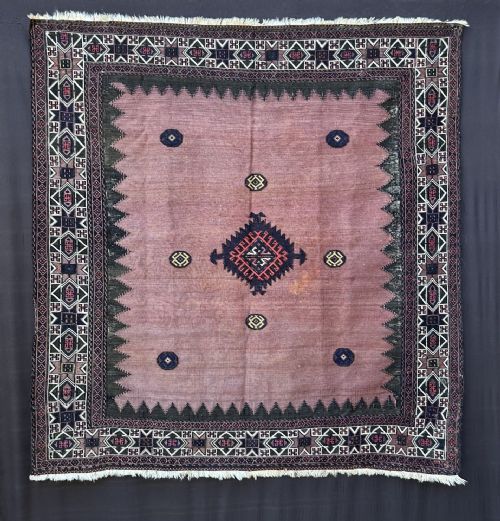
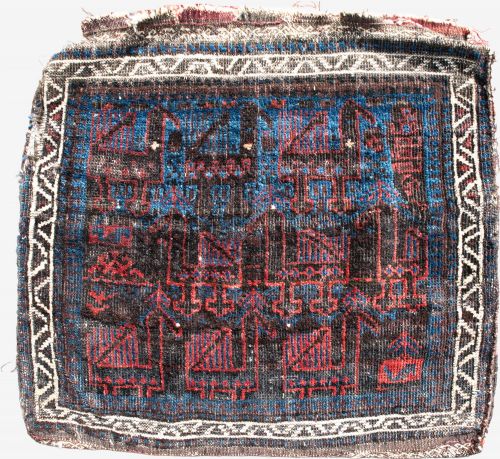
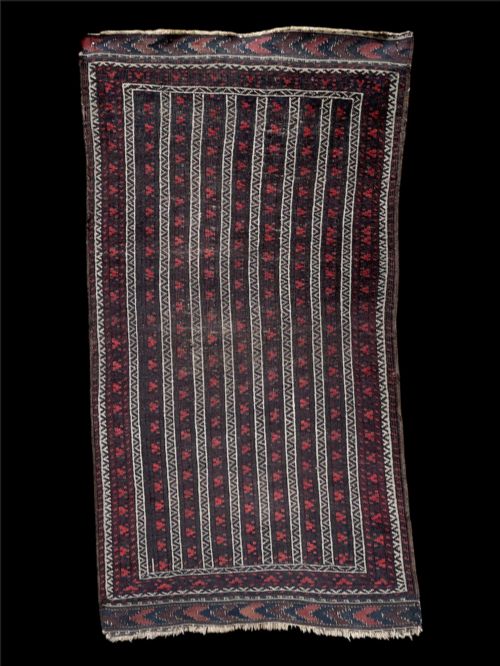
These pieces of baluch tribal weaving are nomad-made textiles and bags shaped by generations of hands across Persia and Afghanistan.
Baluch Tribal Weaving
When you search for baluch tribal weaving, you enter a field of antique rugs, flatweaves and utilitarian bags produced across Persia and Afghanistan. These textiles encompass main carpets, prayer rugs, dining sofreh, and small storage bags intended for nomadic or village life.
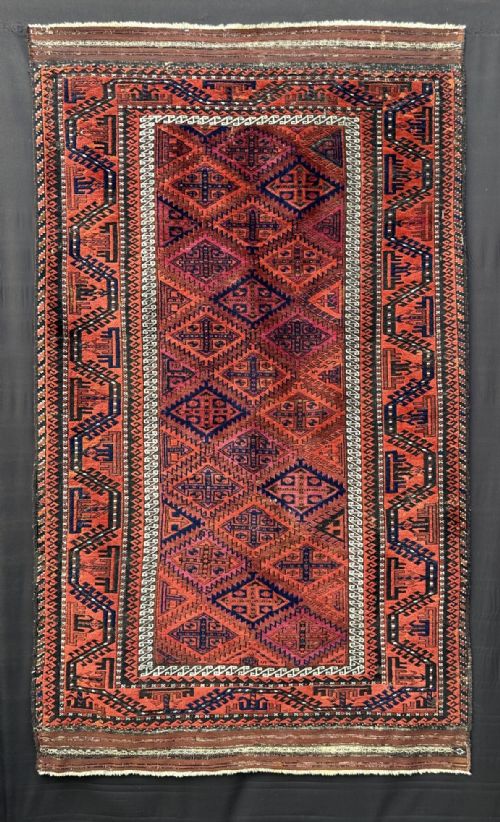
The items most frequently met on this page date from the late nineteenth century into the early decades of the twentieth century. They originate from specific tribal groups such as the Salar Khani, Bahluli, and Timuri, working within regions like Khorasan and Sistan.
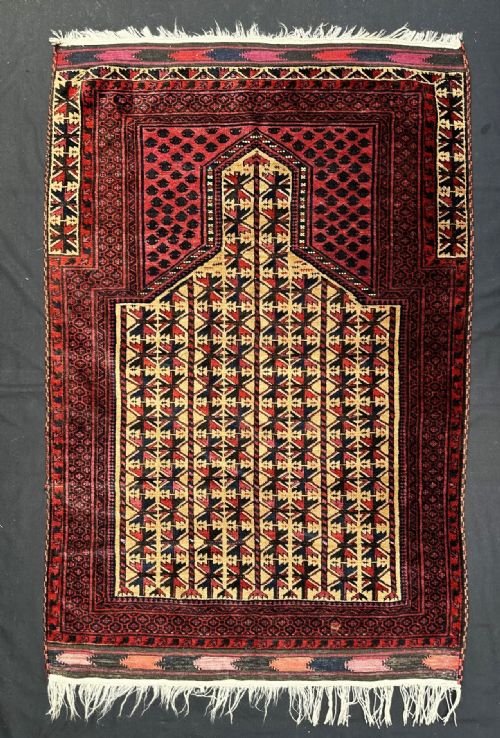
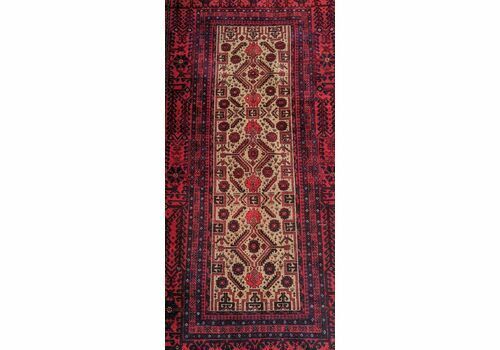
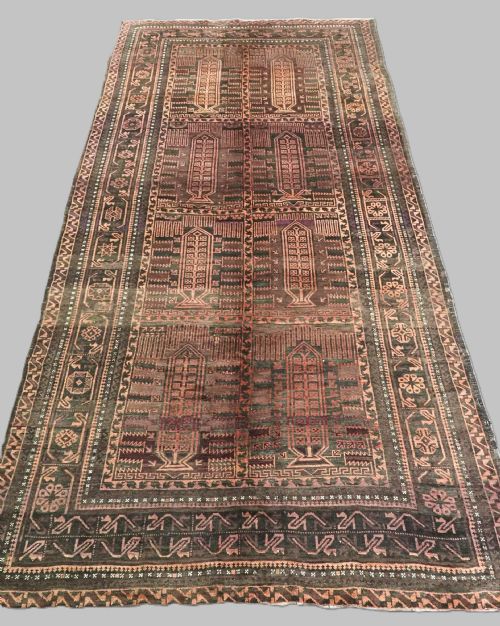
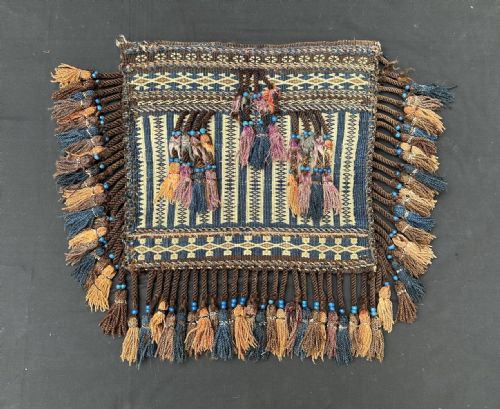
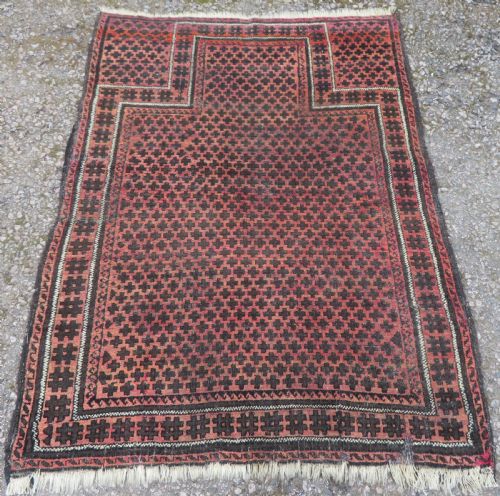
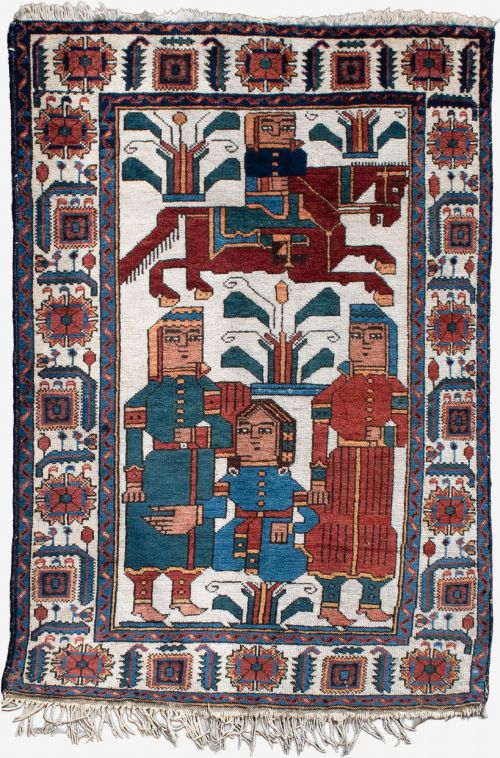
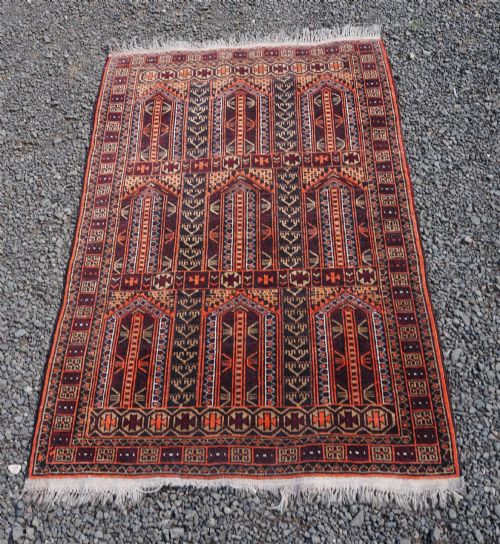
Forms range from full-sized carpets down to saddle bag faces, balisht grain bags, and compact vanity pouches. Each piece carries traditional patterns including the pencil box or kalam donneh design, tile motifs, and multiple mihrab prayer arches.
How they were made
Weavers utilised hand-spun wool and cotton foundations, often incorporating goat hair for durability along the outer edges and sides. Natural dyes provide the underlying palette, reacting across the fibres to create deep tones within the rugs and flatweaves.
Surface decoration relies on both pile knotting and flatweave construction, sometimes supplemented by functional additions such as glass beads and cowrie shells. Plain weave backs and banded weft work complete the structure of the storage bags and utility pieces.
Baluch Tribal Weaving Retail Price Guide 2026
Typical asking prices for baluch tribal weaving among the pieces listed under this phrase on Sellingantiques today, from the lower quarter to the upper quarter. They describe what is for sale here now, not the wider market.
Some storage bags still conceal stray cowrie shells and glass beads stitched in to ward off the evil eye.
What varies in quality
Quality rests upon the handled weight of the wool, the clarity of the natural dyes, and the tightness of the knotting or weave. Pieces displaying crisp rendering of geometric patterns like the mina khani or box medallion stand apart from simpler work.
The preservation of original side cordings, complete backs on bags, and untouched ends determines the structural integrity of the textile. Subtle variations in tribal iconography and unusual structural formats elevate specific examples within the broader tradition.
The Baluch Tribal Weaving Glossary
- Sofreh
- A spread or cloth used for dining or dough preparation during daily nomadic life. These flatweave textiles often display banded designs or simplified field patterns.
- Balisht
- A small sleeping pillow or grain bag produced by nomadic weavers. They frequently retain plain weave backs alongside patterned faces.
- Kalam donneh
- A repeating boteh or pencil box motif arranged across the field of the carpet. This pattern characterises specific nineteenth-century weaving groups.
- Seh mihrab
- A prayer rug design incorporating three arched niches across the upper field. This layout points toward Mecca during daily devotions.
- Pushti
- A small mat or rug designed for sitting upon or leaning against inside a tribal tent. They share the structural wool and dye characteristics of larger carpets.
Baluch Tribal Weaving: Frequently Asked Questions
What is a baluch bag used for?
Nomadic families utilised these small woven pouches for storing grain, salt, personal vanity items, or bedding. Their sturdy construction and varied sizes suited life on the move.
Many survived because they remained inside tents for domestic storage rather than facing heavy floor traffic. Collectors value them for their concentrated tribal designs and original woven backs.
How do I date these rugs?
Dating relies on assessing the natural dye palette, the spin of the wool, and the structural characteristics of the foundation. Pieces from the nineteenth century often show softer wool and deeper secondary colours.
Comparing structural motifs against known tribal examples helps narrow the period of origin. Stylistic markers like traditional prayer arches offer further chronological clues.
Where were these textiles made?
Weavers produced these pieces across the borderlands of Persia and Afghanistan, particularly in Khorasan and Sistan provinces. Different tribes, including the Salar Khani and Bahluli, worked in these areas.
Local geographic conditions and available materials directly influenced the wool quality and dye recipes. Regional preferences shaped the recurring geometric and pictorial patterns.
How should I care for a tribal rug?
Gentle vacuuming without a rotating brush protects the hand-spun wool pile and flatweave structure. Keeping the textile away from direct sunlight preserves the stability of the natural dyes.
Allowing air circulation beneath the piece prevents moisture accumulation in the natural fibres. Professional textile conservators should handle any deep cleaning requirements.