





Bakhtiari Runner Rug
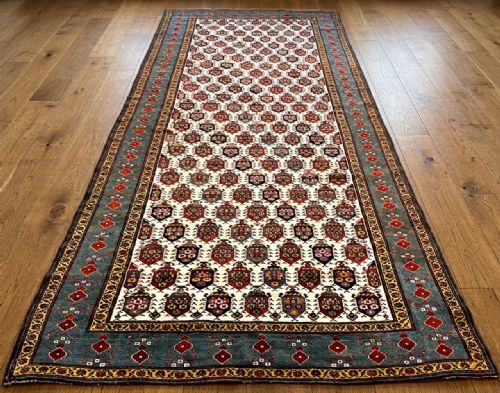
A bakhtiari runner rug brings the geometric clarity and rich natural dyes of Western Persia into narrow hallways and long spaces.
Bakhtiari Runner Rug
When you search for a bakhtiari runner rug, you are looking at narrow, elongated carpets woven by tribal and village makers in the Chahar Mahal region of Western Persia. These pieces date across several decades from the late nineteenth century into the early twentieth century, carrying distinct regional identities shaped by local weavers.
The format is built specifically for corridors, long galleries, and transitional spaces where standard room-sized carpets do not fit. On this page, you will most frequently meet examples assigned to the 1900, 1910, and 1920 periods, alongside earlier nineteenth-century weaving from 1880.
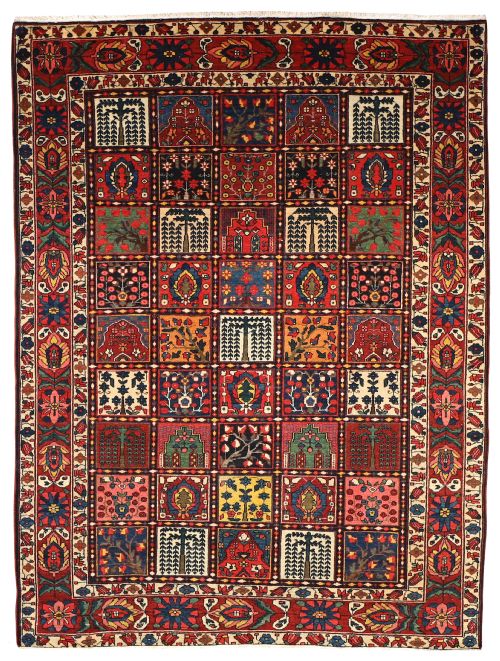
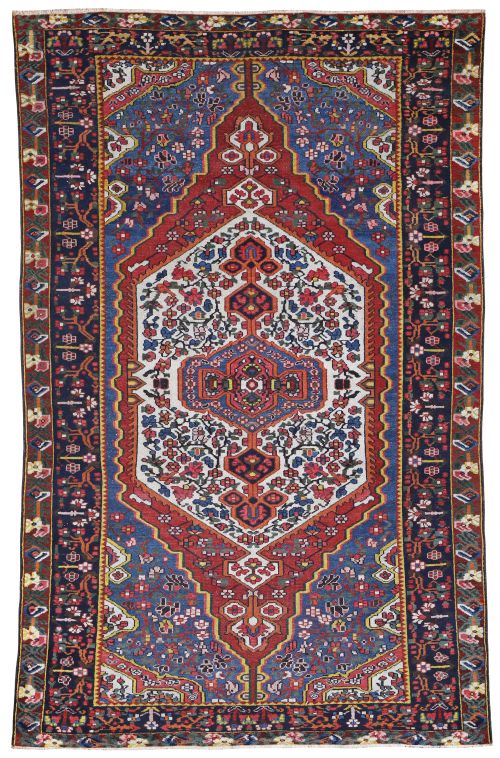
Stylistically, these pieces draw upon Persian tribal traditions, encompassing traditional village patterns and the iconic garden design layouts. Each runner balances length with narrow proportions, serving as a functional floor covering that displays traditional Persian motifs.
How they were made
These runners are constructed using durable wool pile anchored to sturdy cotton foundations, a combination designed to withstand heavy foot traffic in corridors. The materials reflect local pastoral resources, employing resilient wool that holds dye securely over decades of use.
Weavers utilised natural dyes to achieve deep colour palettes that age gracefully, developing a mellow patina over time. The structural weave relies on traditional tribal techniques passed down through generations in Western Persian villages.
Bakhtiari Runner Rug Retail Price Guide 2026
Typical asking prices for bakhtiari runner rug among the pieces listed under this phrase on Sellingantiques today, from the lower quarter to the upper quarter. They describe what is for sale here now, not the wider market.
Materials recorded across these pieces consist strictly of wool, cotton, and natural dyes.
What varies in quality
Quality in these runners depends heavily on the precision of the tribal design and the depth of the natural dyes used across the field. Finer knots and more complex compositional layouts separate standard village weaving from exceptional examples.
The integrity of the wool foundation and the balance of proportions within the long format also dictate the overall standard. A well-preserved runner maintains structural strength along its narrow edges while retaining vibrant, harmonious colour variation.
The Bakhtiari Runner Rug Glossary
- Runner
- A long, narrow carpet format specifically designed for corridors, hallways, and stairs. It provides linear floor coverage in spaces where wide rugs are impractical.
- Kelleh
- A long carpet format traditionally intermediate in proportion between a room-sized rug and a runner. It shares the elongated format characteristic of hallway floor coverings.
- Sofreh
- A flatwoven spread or cloth used for kneading bread or serving meals within tribal households. These textiles often feature geometric tribal iconography.
- Natural Dyes
- Colourants derived from plant, root, and insect sources rather than synthetic chemicals. They yield rich, organic tones that soften gracefully with age.
Bakhtiari Runner Rug: Frequently Asked Questions
Where were these runners made?
These pieces originate from the Chahar Mahal region in Western Persia. They were produced by tribal and village weavers.
The communities in this area developed distinct design vocabularies that set their weaving apart from other Persian regions.
How do I care for a wool runner?
Vacuum gently without using a rotating brush roll to protect the wool pile and foundation threads. Keep the runner out of direct sunlight to prevent natural dyes from fading prematurely.
Professional cleaning should be handled by specialists experienced in antique textiles.
What is a garden design rug?
A garden design carpet divides the field into geometric compartments representing formal Persian gardens with flowers and shrubs. This layout is particularly associated with specific village weaving traditions.
Each compartment contains stylized botanical motifs arranged in a grid pattern.
How can I tell the age of a runner?
Age is indicated by structural materials, natural dye characteristics, and traditional tribal design elements. Pieces from the nineteenth century often display distinct wear patterns and soft palettes.
Comparing construction methods helps place a runner within the active periods recorded for these textiles.