
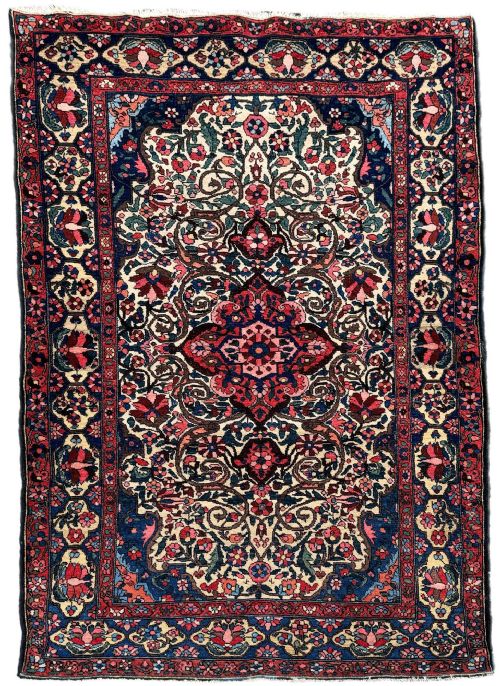
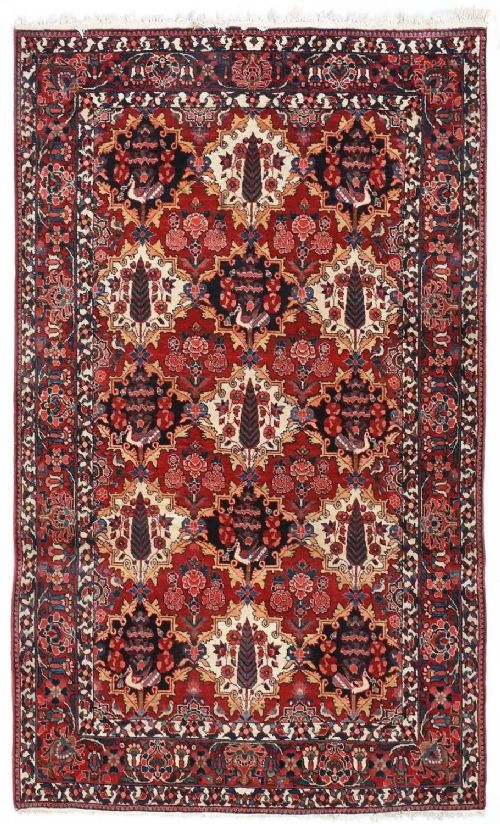


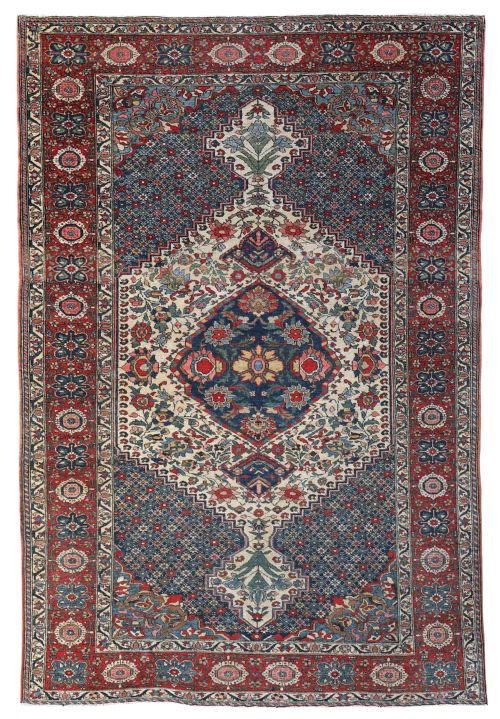


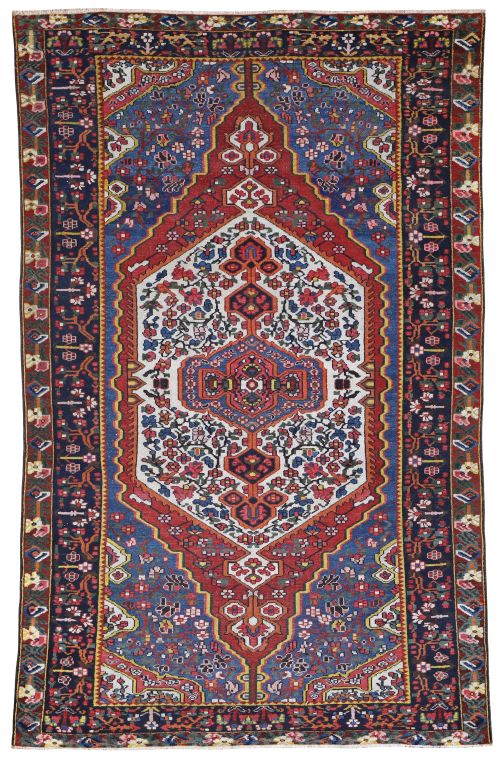
Bakhtiari Floral Rug
A bakhtiari floral rug brings robust Persian artistry into a room, offering rich village designs and durable wool foundations.
Bakhtiari Floral Rug
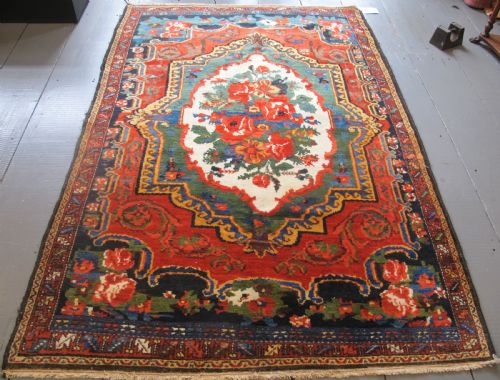
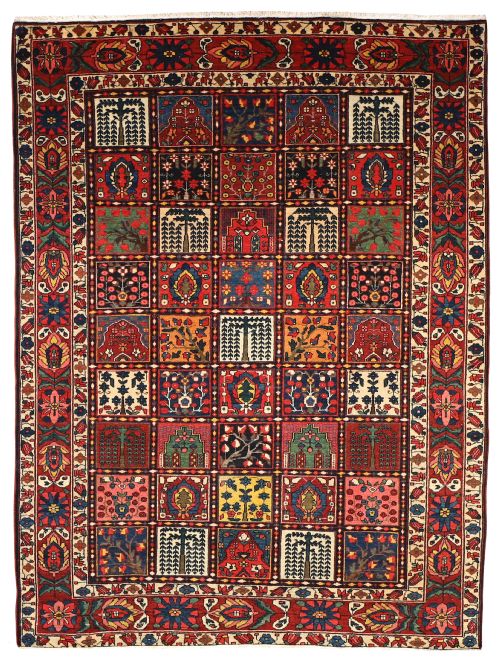
A bakhtiari floral rug is a traditional Persian carpet originating from the Chahar Mahal region in Western Persia. These pieces typically display structured floral medallion patterns or garden designs created by village weavers.
Buyers browsing this selection encounter pieces spanning several decades, notably from the late nineteenth century through to the 1930s. The most common format on this page is the antique village rug, alongside larger carpet formats.
The aesthetic bridges tribal boldness and refined Persian compositions, making these textiles adaptable to various interior schemes. Each piece reflects the distinct regional heritage of Persian Bakhtiari craftsmanship.
Materials and construction
These carpets are constructed using traditional materials, combining wool pile with cotton foundations to ensure structural resilience. The quality of the wool gives each rug a dense, hard-wearing surface suited to daily use.
Weavers in the region utilised durable knotting techniques handed down through generations, anchoring the intricate floral motifs firmly within the weave. This method produces the characteristic heavy handle and long-lasting integrity observed across the inventory.
Every antique rug carries the invisible fingerprint of a village weaver who decided where the flowers should bloom.
Assessing quality and character
Quality in these textiles rests upon the fineness of the weave and the clarity of the design motifs. Finer examples display crisper floral medallion execution and tighter knot density across the wool surface.
The depth and variation of natural dye colours further distinguish superior examples from standard village production. Age and regional provenance also influence the overall character, with earlier nineteenth-century pieces showing distinct handling of traditional patterns.
The Bakhtiari Floral Rug Glossary
- Medallion
- A central ornamental design motif placed in the middle of the rug field. It forms the focal point of many traditional Persian compositions.
- Chahar Mahal
- The specific region in Western Persia associated with the production of these village carpets. This area is renowned for its distinct weaving traditions.
- Pile
- The upright yarn loops or cut ends that form the soft surface of the carpet. In these pieces, the pile is woven from wool.
- Village rug
- A textile produced in a domestic or community setting rather than a city workshop. These pieces often feature more geometric or expressive interpretations of floral designs.
Bakhtiari Floral Rug: Frequently Asked Questions
What is a bakhtiari floral rug?
A bakhtiari floral rug is a hand-knotted Persian carpet originating from the Chahar Mahal region of Western Persia. They are known for their sturdy wool construction and traditional medallion or garden designs.
These pieces reflect the distinct cultural heritage of village weavers, spanning production dates from the late nineteenth century into the mid-twentieth century.
How do I care for my rug?
These durable wool rugs require regular gentle vacuuming without the use of a rotating brush head to protect the pile. Professional cleaning should be undertaken periodically by specialists familiar with antique Persian textiles.
Keeping the rug out of direct, harsh sunlight helps preserve the natural tones of the wool over time.
Where were these rugs made?
They were made in Western Persia, specifically within the Chahar Mahal region, by skilled village weavers. This area developed a strong reputation for producing hard-wearing carpets with characteristic floral and garden motifs.
Local workshops and village homes produced these textiles using traditional materials like wool and cotton.
How do I identify the age?
Age is typically identified through stylistic markers, knotting structure, dye characteristics, and materials used in the foundation. Pieces listed here span from the 1890s through to the 1930s, each period showing subtle shifts in weave density and palette.
Consulting the specific details recorded for each rug helps place its production within this historical window.