



Austrian Vienna Bronze
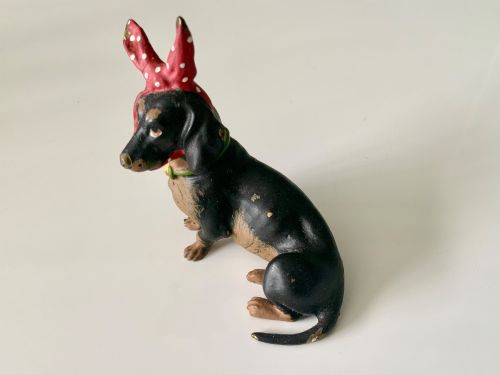
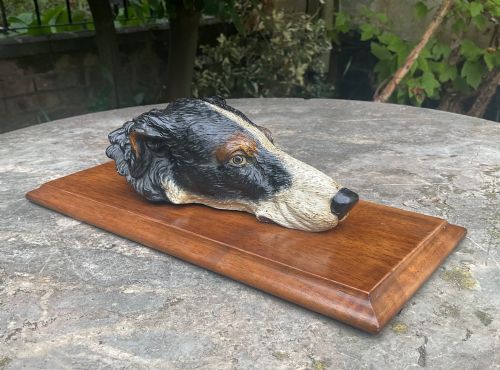
Austrian vienna bronze sculptures capture tiny, detailed animals and human figures using layered cold-paint techniques that reward close inspection.
Austrian Vienna Bronze
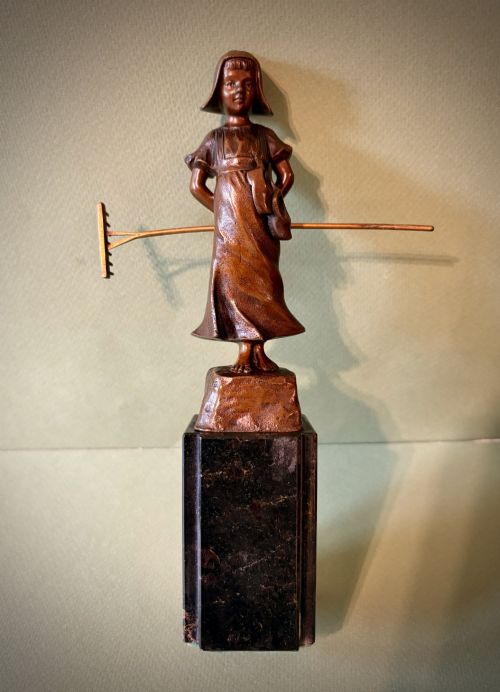
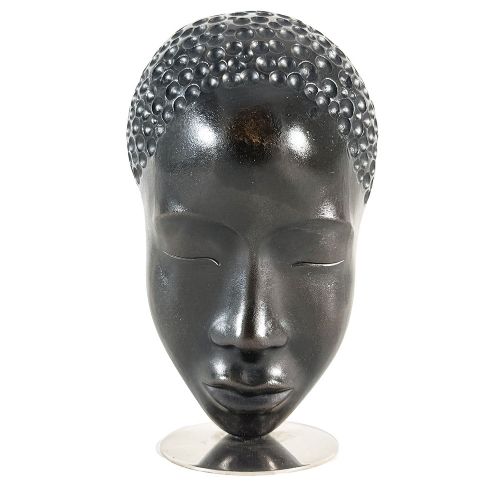
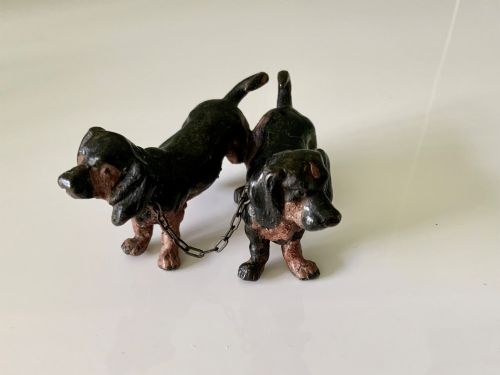
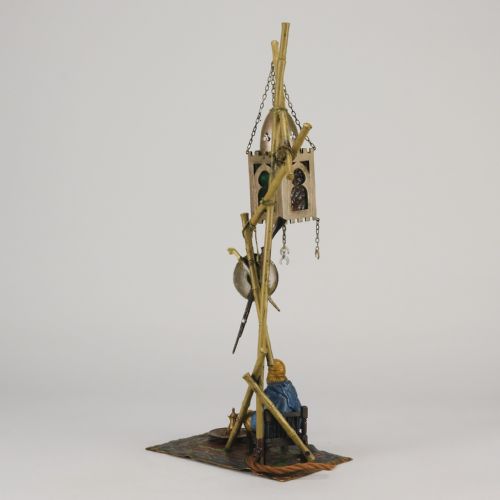
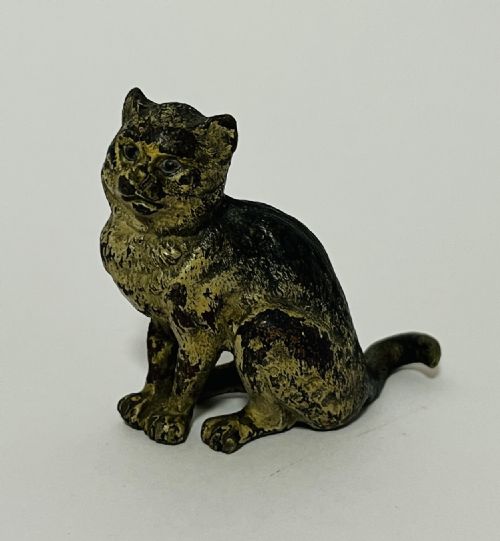
When you search for austrian vienna bronze, you encounter small cast metal sculptures, desk accessories, and lamps originating from Vienna during the late nineteenth and early twentieth centuries. The subjects range from naturalistic birds and dogs to Orientalist human figures and figures set upon marble or onyx bases.
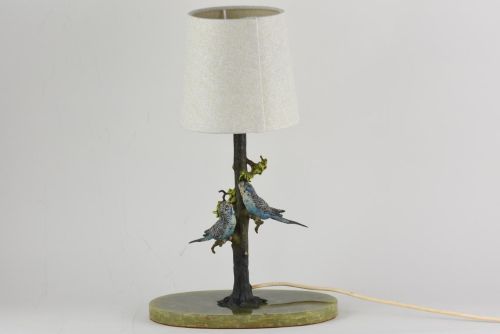
The objects span periods from the mid-nineteenth century through the Art Nouveau and Art Deco eras, with most pieces belonging to the early twentieth century. Common utilitarian forms include paper clips, desk tidies, and table lamps alongside standalone figures and animal studies.
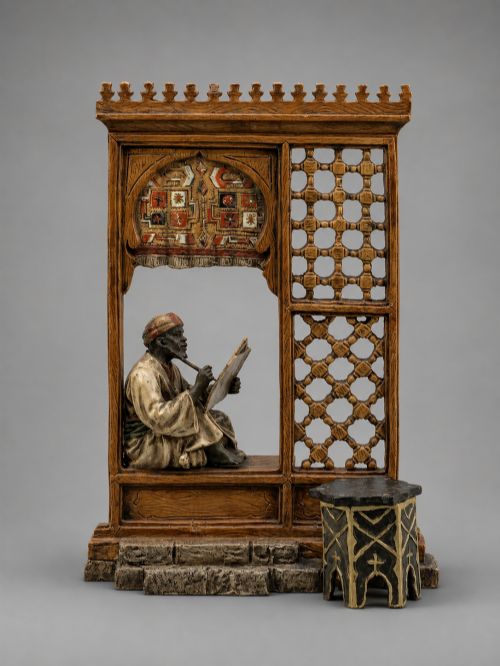
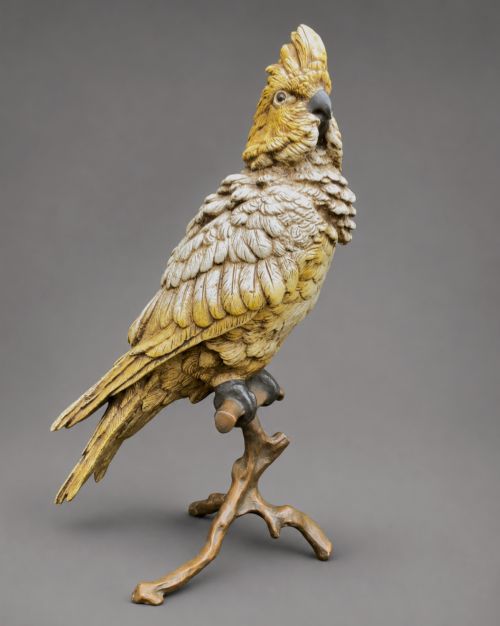
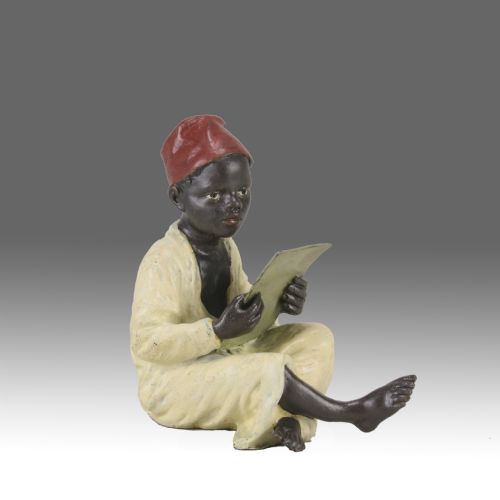
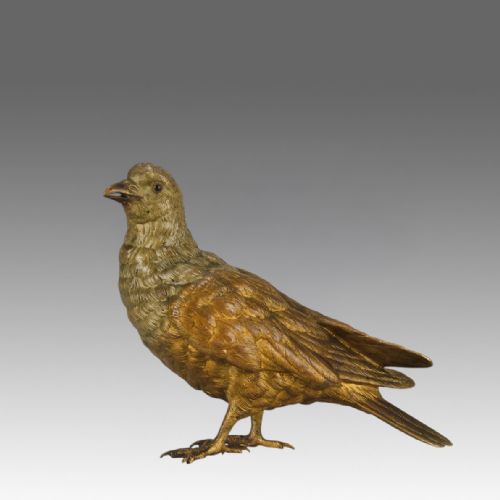
Orientalist themes appear frequently alongside native European fauna, depicting figures such as Arab camel riders, snake charmers, and whirling dervishes. Animal studies dominate the selection, showing dogs, birds, and horses rendered with careful attention to posture.
Materials and production methods
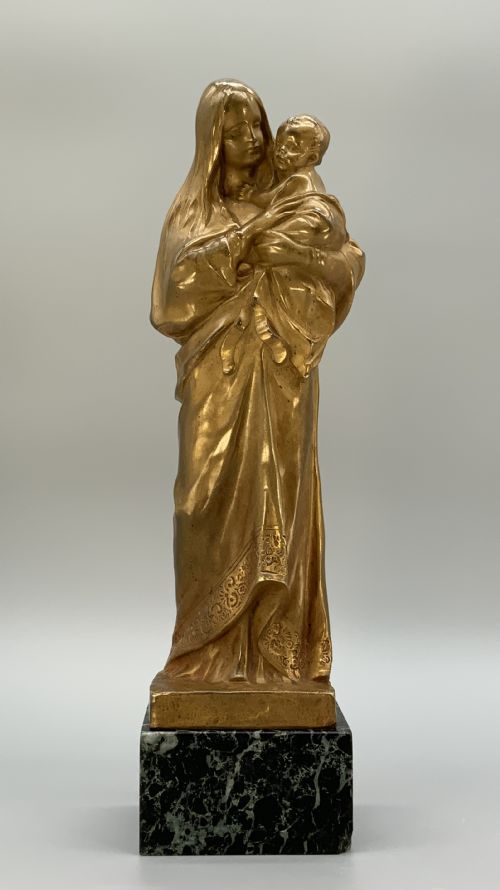
Artisans produced these works by casting bronze, sometimes utilising gilt bronze or bronzed slip cast techniques, and occasionally mounting the completed figures on green onyx or marble bases. The foundational metalwork provided a detailed, solid shape designed to accept surface pigment.
Austrian Vienna Bronze Retail Price Guide 2026
Typical asking prices for austrian vienna bronze among the pieces listed under this phrase on Sellingantiques today, from the lower quarter to the upper quarter. They describe what is for sale here now, not the wider market.
Materials recorded across the selection include bronze, cold-paint, enamel, marble, onyx, and gilt bronze mounts.
Distinctions in quality
Quality rests primarily in the crispness of the initial cast and the precision of the hand-applied cold-paint surface. Finer examples retain intricate facial expressions, clear feather or fur texture, and complex polychrome patterns that survive intact without heavy overpainting.
The reputation of the foundry and modeller also distinguishes superior examples, with signed pieces by makers such as Franz Bergman demonstrating higher standards of sculptural depth and finishing. Utility items like desk accessories and lamps show varying levels of robustness in their mechanical parts and mounts.
Franz Bergman·Fritz Bermann·Hagenauer·Rudolf Küchler·Hans Müller·Friedrich Goldscheider
The Austrian Vienna Bronze Glossary
- Cold-painted bronze
- A metal sculpture finished with unheated oil or enamel paints applied directly to the surface. This technique allows for detailed polychrome decoration on small metal casts.
- Vienna bronze
- Small-scale bronze figures produced in Austrian foundries, particularly during the late nineteenth and early twentieth centuries. They are known for naturalistic animal subjects and Orientalist human figures.
- Orientalism
- An artistic style depicting scenes, figures, and architecture from the Middle East and North Africa. In these sculptures, it manifests in figures such as camel riders, dervishes, and warriors.
- Desk tidy
- A utilitarian desktop accessory often incorporating animal figures or sculpted elements to hold pens, clips, or small items. These combine decorative sculpture with functional workspace organisation.
- Patination
- The surface coloration and ageing of metal resulting from natural wear or intentional chemical treatment. It distinguishes unpainted bronze surfaces from cold-painted varieties.
Austrian Vienna Bronze: Frequently Asked Questions
What is austrian vienna bronze?
Austrian vienna bronze refers to small cast metal sculptures produced in Vienna, primarily from the late nineteenth century into the early twentieth century. These pieces encompass detailed animal studies, human figures, and functional items finished with cold-painted pigments.
The medium gained recognition for its miniaturised realism and vibrant polychrome surfaces, capturing everything from native wildlife to Orientalist subjects. Foundries employed skilled modellers to create expressive forms that served as both decorative ornaments and desk accessories.
How were cold-painted bronzes finished?
Cold-painted bronzes received their colour through layers of oil or enamel paint applied by hand directly onto the unheated metal surface. This method preserved the fine details of the underlying cast without requiring high-temperature kiln firing.
Because the paint sat on the surface rather than fusing with the metal, artists could achieve subtle gradients and bright highlights on bird plumage, clothing, and natural bases. The palette often included rich earth tones alongside striking reds, blues, and golds.
How can I identify an Orientalist subject?
Orientalist subjects depict figures and architecture inspired by the Middle East and North Africa, reflecting nineteenth and twentieth-century European interest in those regions. Common motifs include camel riders, snake charmers, warriors, and figures in traditional robes.
These pieces often pair dramatic human poses with elaborate costumes, turbans, and accessories. They stand alongside more familiar European animal studies and domestic scenes within the broader scope of Vienna bronzes.
Where were these pieces used in the home?
These pieces functioned primarily as decorative ornaments on mantelpieces, display cabinets, and desks. Many examples doubled as practical items such as paper clips, desk tidies, and table lamps.
Smaller animal figures sat easily among books and papers, while lamps and larger sculptures served as focal points in studies and living spaces. Their compact size allowed them to integrate into various rooms without dominating the interior.