



Austrian Jewellery
These pieces of austrian antique jewellery bring enamelled metal, pearls and silver gilt from past centuries straight to your collection.
Austrian Jewellery
When you search for austrian antique jewellery, you encounter pieces spanning from the eighteenth century to the art deco period. The selection includes brooches, bracelets, earrings, lockets and pendants alongside decorative table cabinets and boxes.
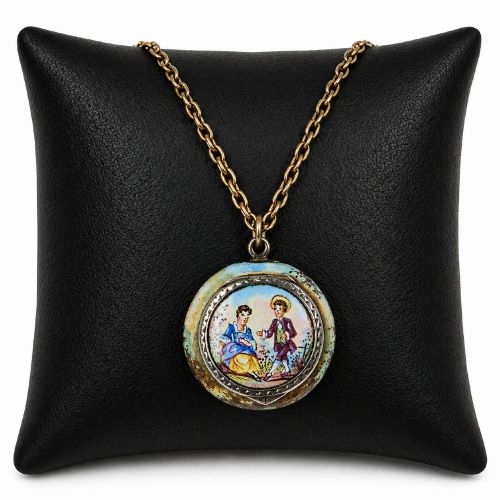
You frequently meet enamelled work and silver gilt creations shaped by nineteenth century viennese and austro-hungarian styles. Pieces range from multi-gem necklaces to secessionist silver clips reflecting the influence of the wiener werkstatte.
The objects represent distinct stylistic shifts, moving from renaissance revival and viennese historicism into clean art deco lines. Each item demonstrates the craftsmanship associated with central european workshops of those periods.
How they were made
Maker techniques rely heavily on the combination of silver gilt, enamel and base metals such as copper and bronze. Artisans set pearls, turquoise, coral, diamonds and emeralds into structured mounts of gold and silver.
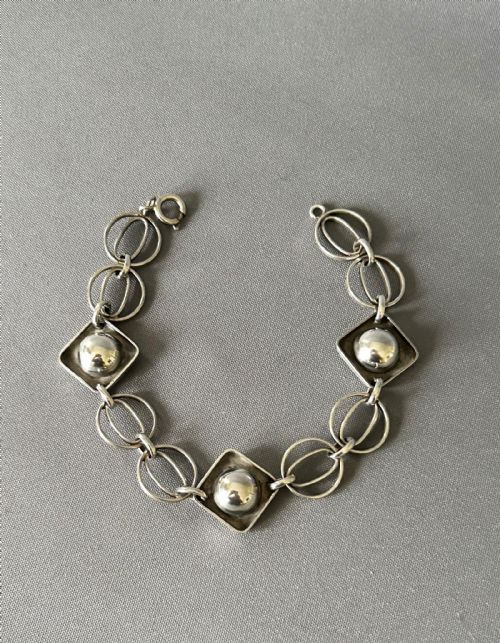
Surface decoration often employs intricate enamel work depicting figures or abstract geometric panels. Metalwork components are cast and linked together by hand to form flexible bracelets, necklaces and articulated brooches.
Stumble upon a copper box or a dragon pendant, and you hold a tiny piece of central europe that survived centuries of shifting empires.
What varies in quality
Quality rests upon the preservation of the enamel work and the precision of the metal settings holding the pearls and gemstones. Intricate hand-painted detail and the complexity of the link construction separate standard items from finer works.
The integrity of the silver gilt surface and the secure mounting of multi-gem clusters indicate the standard of production. Pieces featuring integrated box forms or detailed figural subjects show a higher degree of workshop execution.
The Austrian Jewellery Glossary
- Silver gilt
- Silver that has been coated with a thin layer of gold on its surface. This technique provides the rich appearance of solid gold while utilising silver as the structural base.
- Enamel
- Vitrified glass powder fused to a metal surface through high-temperature firing. It creates durable coloured decoration across lockets, boxes and brooches.
- Austro-Hungarian
- A stylistic designation reflecting the art and decorative traditions of the dual monarchy during the nineteenth century. It often encompasses ornate metalwork combined with polychrome enamel and pearl accents.
- Secessionist
- A modernist design movement associated with the Vienna Secession and the Wiener Werkstatte. It favours geometric clarity and structured forms over historic revivalism.
Austrian Jewellery: Frequently Asked Questions
What periods do these pieces cover?
The items span from the eighteenth century through the nineteenth century and into the nineteen-twenties and thirties. This covers eras such as the art deco movement and historicist revivals.
Each period brings distinct stylistic traits, moving from elaborate enamelled pendants to streamlined silver bracelets.
What materials were used?
Common materials include silver, silver gilt, gold, copper, bronze and enamel combined with pearls, turquoise, coral, diamonds and emeralds. These substances appear across both jewellery and small decorative containers.
Enamel is particularly widespread, often featuring on lockets, boxes and brooches from central european makers.
How do I identify a secessionist piece?
Secessionist items generally display the geometric forms and clean lines associated with the Vienna Secession and the Wiener Werkstatte. They contrast with the ornate decoration of earlier historicist styles.
Clips and silver items from this group rely on architectural structure rather than heavy gem-setting.
Are table cabinets considered jewellery?
Table cabinets and trinket boxes share the same material palette and enamelling techniques as wearable pieces like pendants and brooches. They represent the broader decorative output of the same workshops.
Collectors often group these small furnishings alongside personal ornaments due to their shared craftsmanship.