


Asian Wool Carpet
An asian wool carpet brings nomadic tradition and intricate tribal geometry straight onto the floor.
Asian Wool Carpet
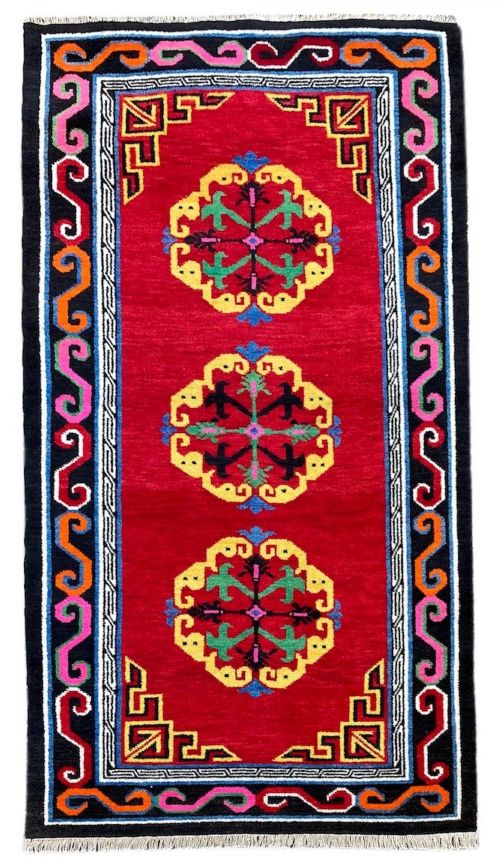
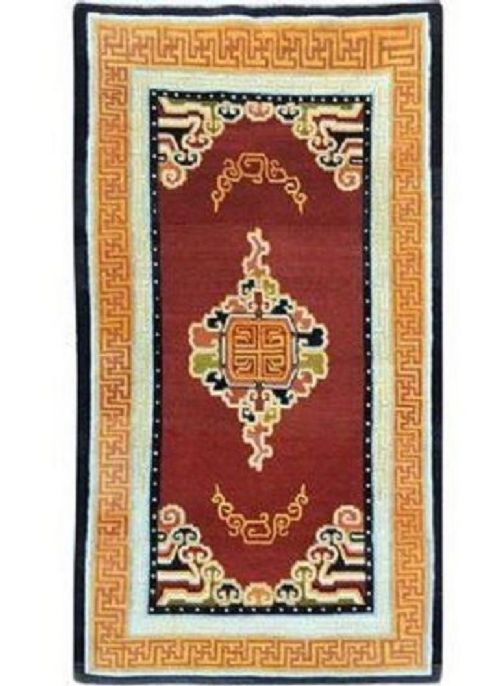
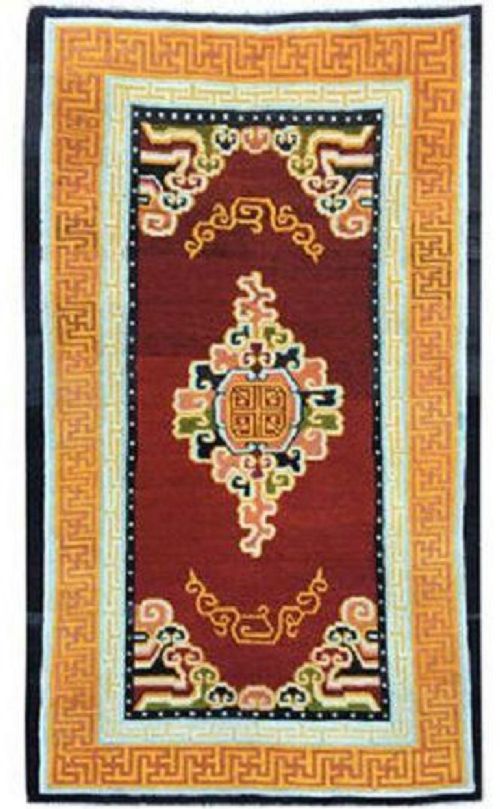
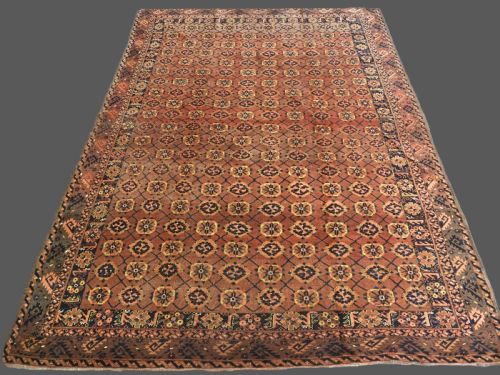
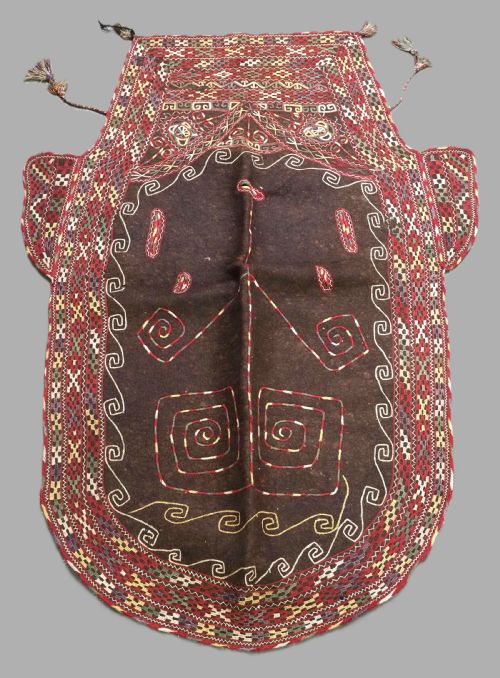
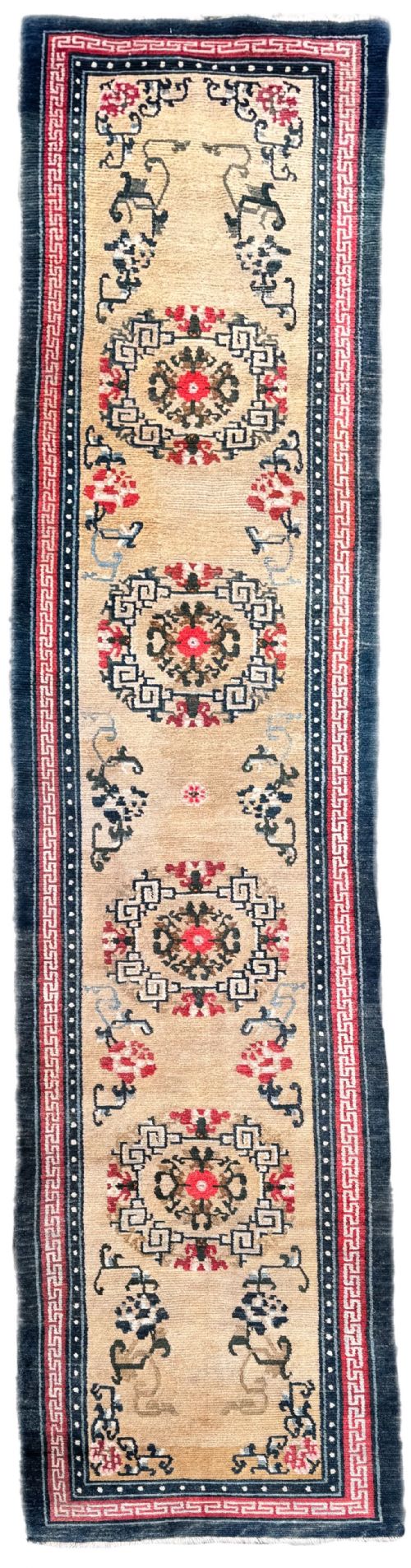
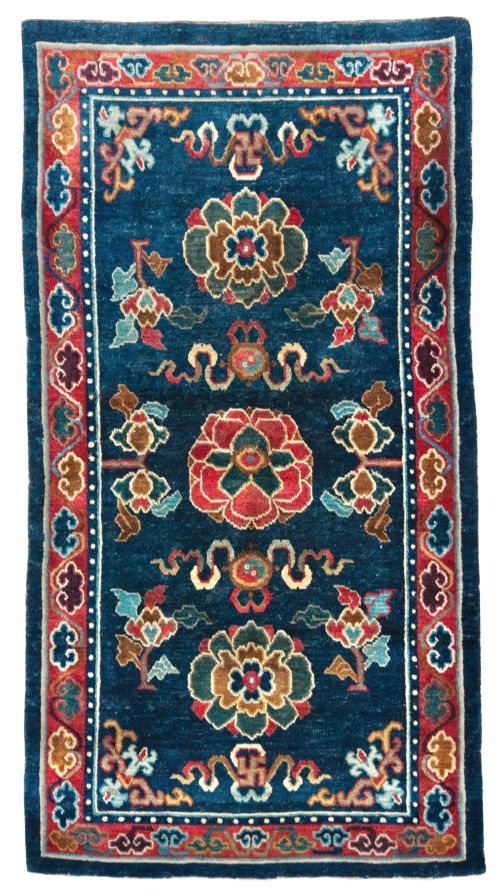
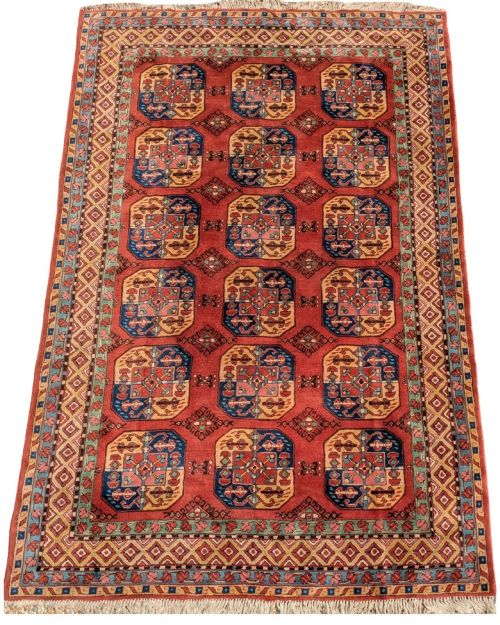
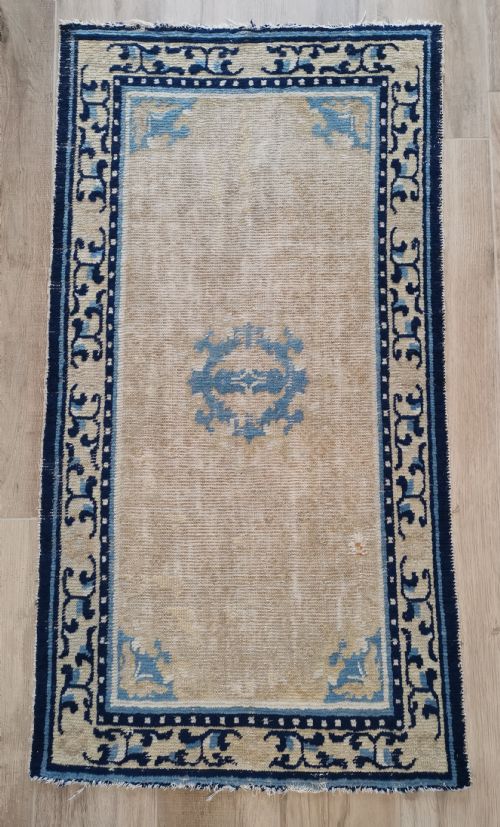
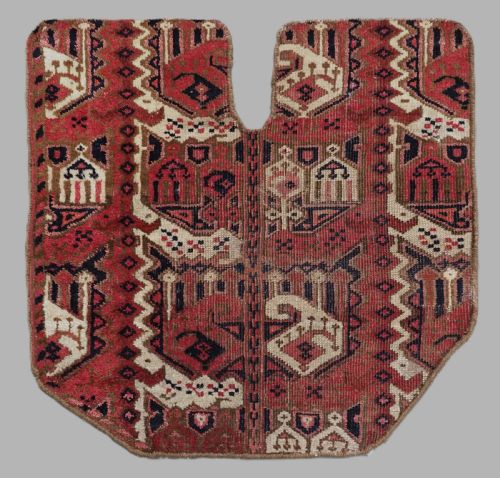
When searching for an asian wool carpet, buyers examine tribal weavings originating from Central Asia, Tibet, and China. These textiles encompass large floor carpets, runner formats, and smaller utility items like tent door rugs, storage bags, and saddle covers.
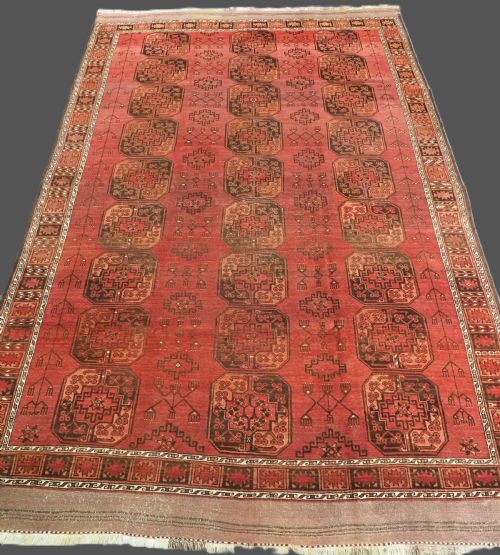
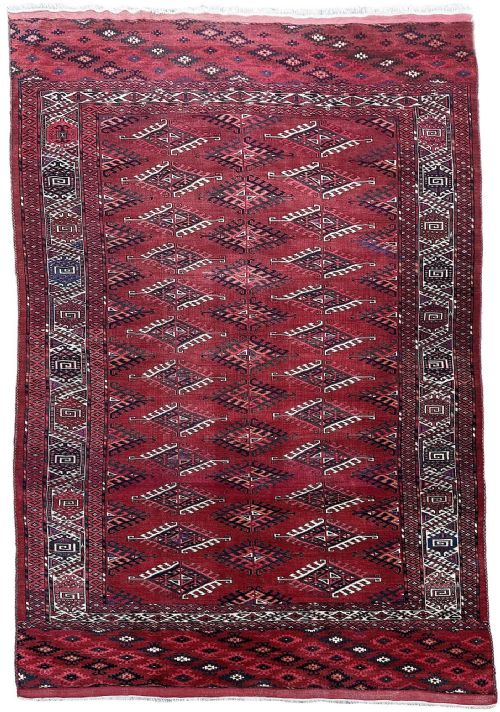
The pieces on this page span the mid-nineteenth century through to the early twentieth century. Turkmen tribal groups such as the Tekke, Yomut, Ersari, and Saryk produce a significant portion of the examples encountered here, alongside Tibetan and Chinese workshop pieces.
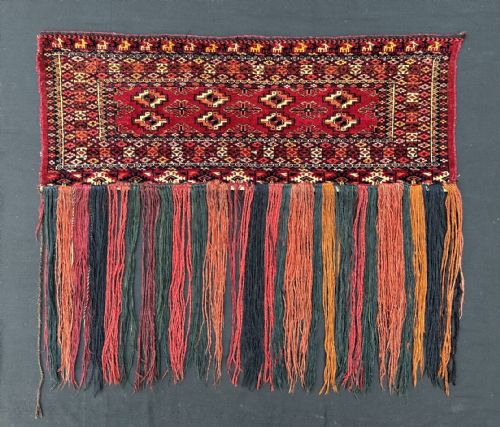
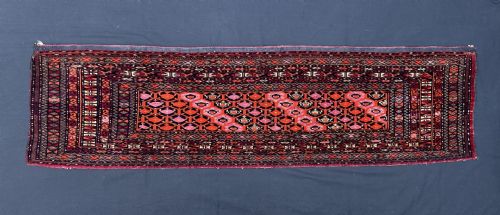
Forms vary widely from main carpets intended for large spaces to square torbas and rectangular chuvals designed for nomadic tent storage. Each item reflects the specific heritage and knotting traditions of its maker.
Materials and construction
Makers rely primarily on hand-spun wool for the pile and foundation structure, often combining cotton for warp and weft threads. Selected examples incorporate felted wool and wool felt, particularly in ceremonial horse blankets and embroidered tribal mats.
Natural dyes provide the palette for these textiles, yielding deep madder reds, rich browns, and ivory grounds. Silk thread appears locally for fine embroidery work and detailing on specific tribal pieces.
Weaving techniques range from dense pile knots on main carpets to intricate embroidery applied directly to felted wool grounds. Structural support relies on sturdy cotton and wool threads to withstand nomadic transport and daily domestic use.
The inventory spans Turkmen, Tibetan, and Chinese styles produced between eighteen-fifty and nineteen-thirty.
Factors determining quality
Quality rests upon the density of the weave and the precision of the tribal motifs, such as repeating guls and secondary ornaments. Finer knots allow for sharper definition within complex geometric layouts like the curled leaf or kepse designs.
The purity and depth of the natural dyes influence the visual success of the piece, particularly where ivory grounds contrast against dark reds and aubergine tones. Well-preserved edges, complete backs on utility bags, and surviving original tassels elevate the integrity of a textile.
The Asian Wool Carpet Glossary
- Gul
- A primary octagonal medallion repeated across Turkmen carpets and tent bags. Each tribal group utilises distinct variations to denote lineage and origin.
- Torba
- A small storage bag woven by Turkmen nomads for tent organisation. These pieces often feature carefully arranged main guls and detailed lower borders.
- Chuval
- A large tent bag used for storing household goods and bedding inside a yurt. They frequently survive as cut faces preserving the primary tribal design.
- Khaden
- A Tibetan rug traditionally used as a sleeping mat or seating rug. They often display minimalist geometry and lighter colour palettes compared to nomadic Turkmen work.
- Kapunuk
- A tent door hanging placed around the interior wooden frame of a nomadic dwelling. These large triangular-headed textiles serve a ceremonial protective function.
Asian Wool Carpet: Frequently Asked Questions
How were these carpets used originally?
Nomadic families utilised these textiles for floor covering, bedding storage, and animal trappings inside circular felt tents. Many surviving formats served practical roles as saddle covers, cushion faces, and tent door surrounds.
Larger carpets anchored the main living space of the dwelling, while smaller torbas and chuvals kept possessions organised off the earthen floor. Ceremonial pieces like asmalyks and horse blankets appeared during weddings and tribal migrations.
How do I distinguish different Turkmen tribes?
Tribal identity reveals itself primarily through the drawing of the guls and the choice of secondary border motifs. Tekke and Yomut weavers employ distinct medallion structures, while Ersari designs often show broader proportions and varied colour combinations.
Structure and palette further clarify attribution, as specific oases and river regions favoured certain wool preparations and natural dye recipes. Examining the knot density and structural side-cords helps separate workshop pieces from village and nomadic output.
How do I care for an antique wool carpet?
Protect antique wool textiles by placing them in low-traffic areas away from direct sunlight to prevent natural dye fading. Regular gentle vacuuming without a beater bar removes trapped grit from the wool pile.
Rotating the rug periodically ensures even wear across the surface from foot traffic and furniture placement. Professional textile conservators should handle any deep cleaning or structural repairs.
What dates are typical for these pieces?
The majority of pieces date from the mid-nineteenth century through to the early decades of the twentieth century. Earlier examples from the eighteen-fifties and sixties display traditional natural dye usage and older tribal drawing styles.
Pieces from the nineteen-twenties and thirties often reflect changing commercial demands while maintaining traditional weaving structures. Dating relies on stylistic analysis, material composition, and structural wear patterns.